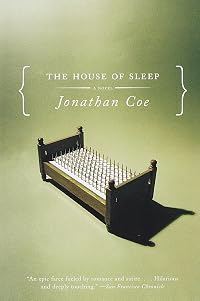
The House of Sleep
by Jonathan Coe
On This Page
Description
Winner of the Writers' Guild Best Fiction Award in England and the Prix Medicis in France Like a surreal and highly caffeinated version of The Big Chill, Jonathan Coe's novel follows four students who knew each other in college in the eighties. Sarah is a narcoleptic who has dreams so vivid she mistakes them for real events. Robert has his life changed forever by the misunderstandings that arise from her condition. Terry spends his wakeful nights fueling his obsession with movies. And an show more increasingly unstable doctor, Gregory, sees sleep as a life-shortening disease which he must eradicate. But after ten years of fretful slumber and dreams gone bad, the four reunite in their college town to confront their disorders. In a Gothic cliffside manor being used as a clinic for sleep disorders, they discover that neither love, nor lunacy, nor obsession ever rests. show lessTags
Recommendations

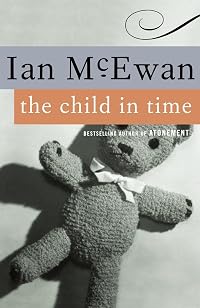
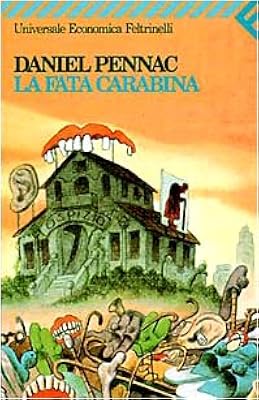
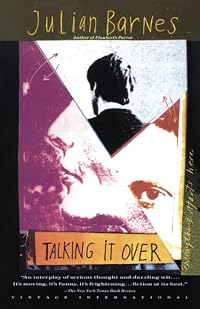
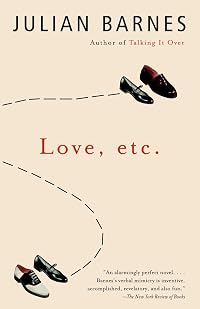
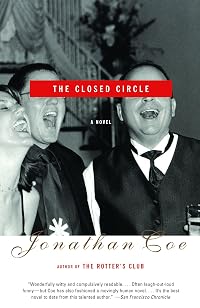
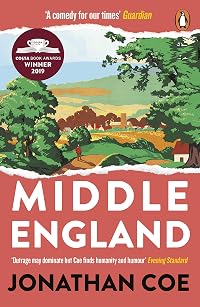
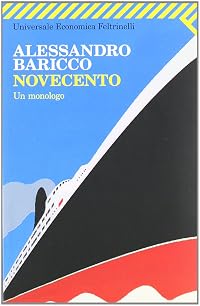
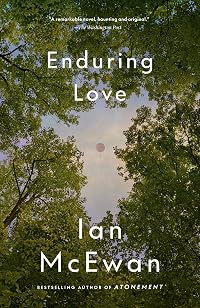
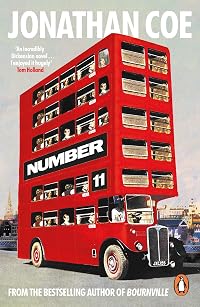


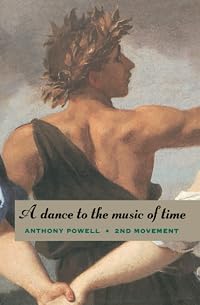
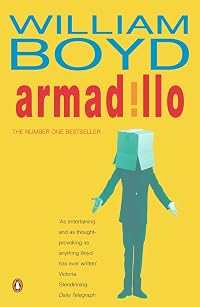
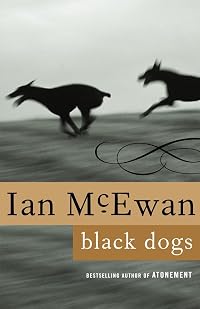


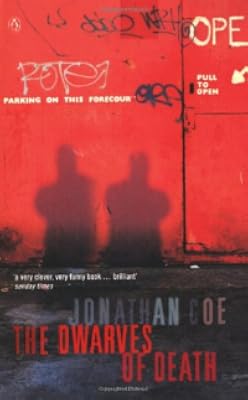
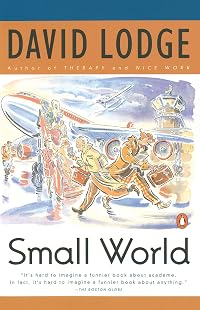
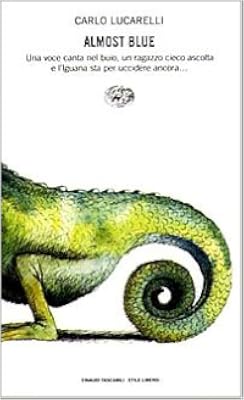
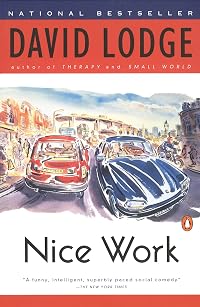

Member Recommendations

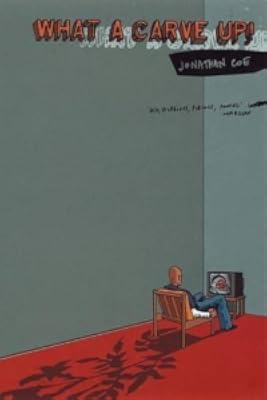
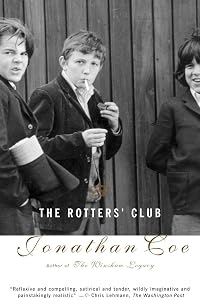
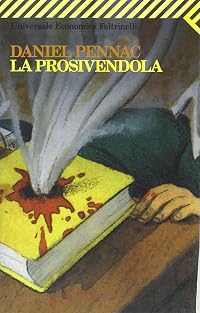
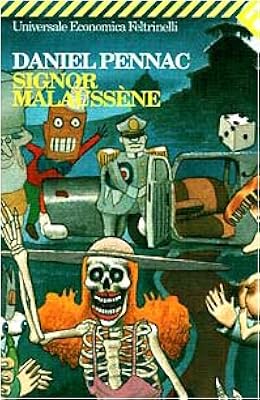
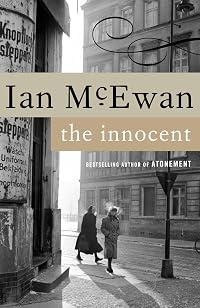
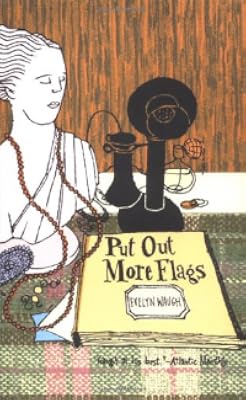
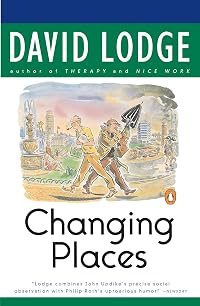
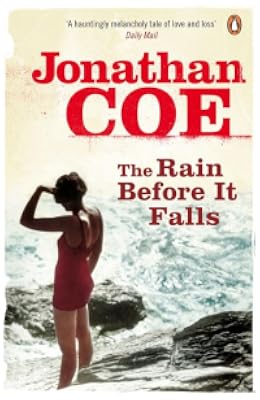
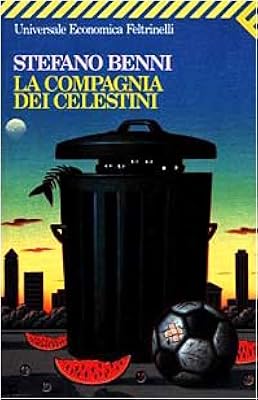
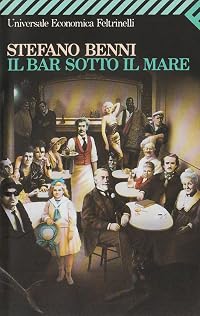
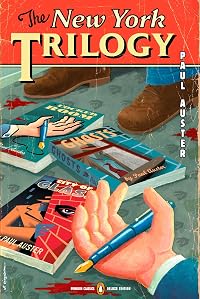
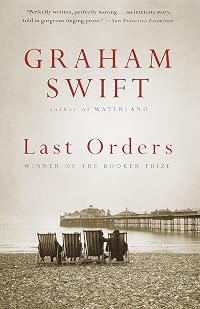
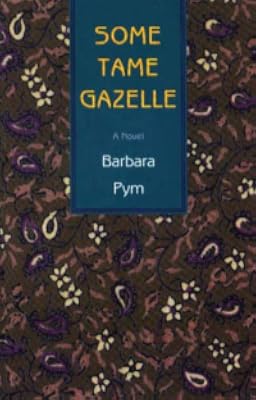
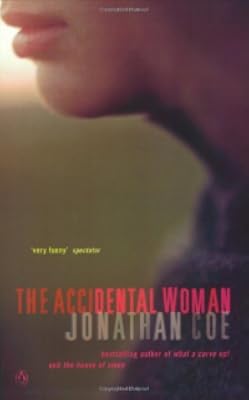
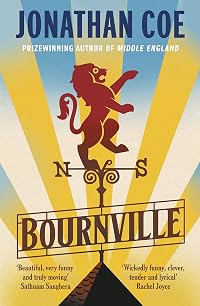
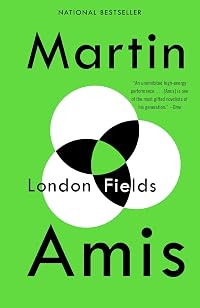
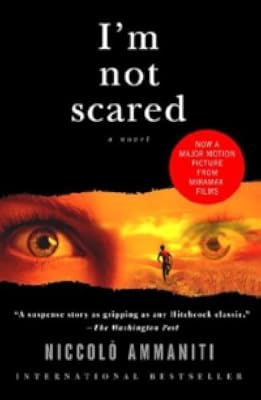
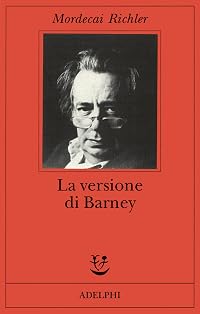
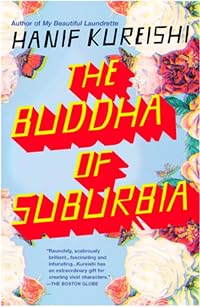
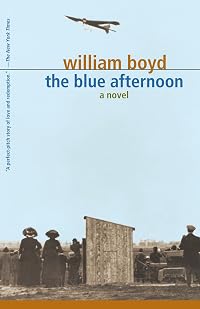
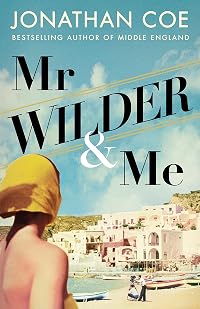
chazzard Both focus on sleep (or lack of it), and how it affects our everyday lives...
Member Reviews
Brilliant, gripping, completely twisted, mind-f**k of a book. The characters are bizarrely and intricately interconnected. There are a few of the same themes here as in The Rotter's Club and The Closed Circle, but no need for a background in British Labour history. Also, ironically enough, it took me ages to fall aleep after finishing this book - I couldn't stop thinking about it. Coe is fast becoming one of my favorite authors.
How your view on books can change. I read this book a few years ago and back then I thought it was a really good read. Now after reading it for the second time I even dare to use the word brilliant. The book is constructed wonderfully and everything is interestingly entwined. The characters are strong and although some chance encounters seem to be a little bit superficial, the characters stay real till the end. Some conclusions I saw coming for a while, but I don't really care about that. Not in this book and not in any other book. I actually hate those detective novels were everything is hidden until the bitter end. Even more, I hate those people who attack films or novels for the sheer fact that they see things coming.
But enough show more whining, read this book people, it's one of his best. show less
But enough show more whining, read this book people, it's one of his best. show less
In theory, this should have been one of my best books. I had read Coe's What a Carve Up. I liked his style, very readeable, and I identified with the protagonist. The politics didn't bother me because I didn't know much about British politics anyway. However, in The House of Sleep I began to notice a pattern.
It was understandeable that all the villains in What A Carve Up were right wing thinking, successful and rich because that's what the novel is about. But The House of Sleep is not about politics, yet its villain too turns out to be right wing thinking, successful and rich. Now this struck a nerve. In fact, it destroyed my trust in the author and, consequently, it ruined the novel for me. And although it's the same very readeable show more style, I struggled to finish the novel.
But all this aside, and I suppose all these negative feelings could have died away; I suppose I could have sacrificed my self-righteousness if the story had actually drawn me in. It had many elements of the story that usually captivates me: small town, gloomy atmosphere, eccentric characters... but it was all so dry, so tasteless! I waited for this feeling to fade away as I spend more time with the characters, get the spirit... nothing.
Perhaps it felt so artificial because, not unlike the previous novel, much focus was put on structure, plot twists, and the big, revelatory resolution. But I could see the twists coming miles away, and overall it was unimpressive. I don't know why Coe made the twists so easy to figure out prematurely. I suspect that he knew exactly what he was doing. Perhaps, by the time he wrote this novel, he already knew the type of readers he attracts. Namely, readers who like novels that make them feel smart. show less
It was understandeable that all the villains in What A Carve Up were right wing thinking, successful and rich because that's what the novel is about. But The House of Sleep is not about politics, yet its villain too turns out to be right wing thinking, successful and rich. Now this struck a nerve. In fact, it destroyed my trust in the author and, consequently, it ruined the novel for me. And although it's the same very readeable show more style, I struggled to finish the novel.
But all this aside, and I suppose all these negative feelings could have died away; I suppose I could have sacrificed my self-righteousness if the story had actually drawn me in. It had many elements of the story that usually captivates me: small town, gloomy atmosphere, eccentric characters... but it was all so dry, so tasteless! I waited for this feeling to fade away as I spend more time with the characters, get the spirit... nothing.
Perhaps it felt so artificial because, not unlike the previous novel, much focus was put on structure, plot twists, and the big, revelatory resolution. But I could see the twists coming miles away, and overall it was unimpressive. I don't know why Coe made the twists so easy to figure out prematurely. I suspect that he knew exactly what he was doing. Perhaps, by the time he wrote this novel, he already knew the type of readers he attracts. Namely, readers who like novels that make them feel smart. show less
"Che cos'è il genio? È fantasia, intuizione, colpo d'occhio e velocità di esecuzione", questa frase del film "Amici Miei" continuava a presentarsi nella lettura del libro. Perchè a mio parere Coe è un genio della scrittura. La trama, la costruzione della storia, l'intrecciarsi delle vicende sono di un genio della scrittura. La storia, come ambientazione, ruota attorno ad un posto che a seconda dei capitoli (pari o dispari) è o un college universitario o una clinica del sonno, e spesso le parole finali di un capitolo proseguono e continuano nel capitolo successivo. Ma ogni capitolo pari o dispari è rispettivamente ambientato all'epoca in cui l'edificio è clinica o college.
Ma la storia tutta ruota attorno ai personaggi che show more vivevano nel college e che per strani intrecci della vita e spesso a loro insaputa si ritrovano di nuovo, ma non per forza nel posto, a ruotare attorno alla casa del sonno.
E' anche una potente storia d'amore, ma non melensa e sentimentale, è una storia di relazioni umane amorose (corrisposte o meno che siano) quale motore delle vicende umane. la lettura è coinvolgente e ti chiede di non staccare mai, sei rapito e a malincuore chiudi il libro in pausa. E personalmente ogni volta che chiudevo il libro mi ripetevo la frase de "Amici Miei" show less
Ma la storia tutta ruota attorno ai personaggi che show more vivevano nel college e che per strani intrecci della vita e spesso a loro insaputa si ritrovano di nuovo, ma non per forza nel posto, a ruotare attorno alla casa del sonno.
E' anche una potente storia d'amore, ma non melensa e sentimentale, è una storia di relazioni umane amorose (corrisposte o meno che siano) quale motore delle vicende umane. la lettura è coinvolgente e ti chiede di non staccare mai, sei rapito e a malincuore chiudi il libro in pausa. E personalmente ogni volta che chiudevo il libro mi ripetevo la frase de "Amici Miei" show less
La casa del sonno è un romanzo particolare. A partire dal suo sviluppo narrativo: è diviso in due piani temporali. Ai capitoli dispari corrisponde l'anno 1984, ai capitoli pari l'anno 1996. Se si può pensare che questa scelta sia infelice, bisogna presto ricredersi. Coe non costruisce un romanzo fatto di trama, ma costruito intorno alle persone. E come metafora della vita, che non è mai lineare, in cui i ricordi e il presente si rincorrono a formare una trama di nodi e situazioni paradossali, così La casa del sonno è un libro in cui la causa/effetto è intrecciata. La vicenda ruota intorno a due persone. La prima Terry, è un giornalista specializzato in cinema che non dorme mai. La seconda, Sarah, un'insegnate è invece show more narcolettica. Nel passato erano compagni di università e attorno ad essi hanno ruotato una manciata di personaggi indimenticabili. Nel presente hanno perso ogni contatto tra loro e con gli altri, ma le reminiscenze degli anni di università che a mano a mano, durante la vicenda del 1996, tornano a fare riflettere sulle loro scelte, incominciano ad influenzare il futuro. Così si costruisce una complessa rete di coincidenze che concludono le trame tessute dal destino dodici anni prima. E ciascuno avrà la ricompensa o il premio che gli spetta.
Lo stile di Coe è una gioia per il lettore. E' capace con pochissime parole a costruire un'atmosfera incredibile, oserei definire di complicità, facendoci sentire parte della storia.
Il risvolto psicoanalitico riguardante il ruolo del sonno non mi ha colpito particolarmente, tuttavia non è pedante ma pienamente funzionale allo svolgimento della storia e sicuramente ben condotto. Ho trovato molto più ammiccante il riferimento allo pseudo-biblium, un romanzo noir intitolato appunto La casa del sonno che sarà la chiave di volta dell'intera struttura narrativa.
Consigliato a chi regge bene le trame particolari o apprezza uno stile narrativo elegante. show less
Lo stile di Coe è una gioia per il lettore. E' capace con pochissime parole a costruire un'atmosfera incredibile, oserei definire di complicità, facendoci sentire parte della storia.
Il risvolto psicoanalitico riguardante il ruolo del sonno non mi ha colpito particolarmente, tuttavia non è pedante ma pienamente funzionale allo svolgimento della storia e sicuramente ben condotto. Ho trovato molto più ammiccante il riferimento allo pseudo-biblium, un romanzo noir intitolato appunto La casa del sonno che sarà la chiave di volta dell'intera struttura narrativa.
Consigliato a chi regge bene le trame particolari o apprezza uno stile narrativo elegante. show less
La casa del sonno è un romanzo particolare. A partire dal suo sviluppo narrativo: è diviso in due piani temporali. Ai capitoli dispari corrisponde l'anno 1984, ai capitoli pari l'anno 1996. Se si può pensare che questa scelta sia infelice, bisogna presto ricredersi. Coe non costruisce un romanzo fatto di trama, ma costruito intorno alle persone. E come metafora della vita, che non è mai lineare, in cui i ricordi e il presente si rincorrono a formare una trama di nodi e situazioni paradossali, così La casa del sonno è un libro in cui la causa/effetto è intrecciata. La vicenda ruota intorno a due persone. La prima Terry, è un giornalista specializzato in cinema che non dorme mai. La seconda, Sarah, un'insegnate è invece show more narcolettica. Nel passato erano compagni di università e attorno ad essi hanno ruotato una manciata di personaggi indimenticabili. Nel presente hanno perso ogni contatto tra loro e con gli altri, ma le reminiscenze degli anni di università che a mano a mano, durante la vicenda del 1996, tornano a fare riflettere sulle loro scelte, incominciano ad influenzare il futuro. Così si costruisce una complessa rete di coincidenze che concludono le trame tessute dal destino dodici anni prima. E ciascuno avrà la ricompensa o il premio che gli spetta.
Lo stile di Coe è una gioia per il lettore. E' capace con pochissime parole a costruire un'atmosfera incredibile, oserei definire di complicità, facendoci sentire parte della storia.
Il risvolto psicoanalitico riguardante il ruolo del sonno non mi ha colpito particolarmente, tuttavia non è pedante ma pienamente funzionale allo svolgimento della storia e sicuramente ben condotto. Ho trovato molto più ammiccante il riferimento allo pseudo-biblium, un romanzo noir intitolato appunto La casa del sonno che sarà la chiave di volta dell'intera struttura narrativa.
Consigliato a chi regge bene le trame particolari o apprezza uno stile narrativo elegante. show less
Lo stile di Coe è una gioia per il lettore. E' capace con pochissime parole a costruire un'atmosfera incredibile, oserei definire di complicità, facendoci sentire parte della storia.
Il risvolto psicoanalitico riguardante il ruolo del sonno non mi ha colpito particolarmente, tuttavia non è pedante ma pienamente funzionale allo svolgimento della storia e sicuramente ben condotto. Ho trovato molto più ammiccante il riferimento allo pseudo-biblium, un romanzo noir intitolato appunto La casa del sonno che sarà la chiave di volta dell'intera struttura narrativa.
Consigliato a chi regge bene le trame particolari o apprezza uno stile narrativo elegante. show less
An original idea, well written; you're never entirely sure where this story is going. The scene with the animals in the sleep deprivation laboratory still haunts me years after reading it, and in counterpoint there is an absolutely hilarious comedy set-piece that's worth a prize all on its own.
Members
- Recently Added By
Published Reviews
ThingScore 50
Leider bleibt der Spaß am Roman auf der Strecke, da Coe seine Leser für Schlafkappen hält. Jede Informationslücke wird geschlossen, jedes Detail haarklein erläutert, selbst das zentrale Symbol wird gedeutet: "Der Traum ist sinnlich und intellektuell zugleich; er befördert Terry schwebend, mühelos auf Höhen körperlicher Lust und geistiger Erleuchtung. Nichts von dem, was er tagsüber show more erlebt, wird je an den Genuß, die Intensität, die Wonne dieses Traums heranreichen. Am Morgen wird er ihn fast völlig vergessen haben." Schade. show less
added by Indy133
Lists

A Good Read (Radio 4)
287 works; 1 member

2015 UpROOTed
28 works; 1 member

A Novel Cure
742 works; 23 members

KayStJ's to-read list
1,616 works; 11 members

I Could Live There
185 works; 12 members

to get
244 works; 2 members

Sleeplessness
16 works; 3 members

Which house?
423 works; 16 members
Author Information

Some Editions
Awards and Honors
Awards
Series
Belongs to Publisher Series
Work Relationships
Common Knowledge
- Canonical title
- The House of Sleep
- Original title
- The House of Sleep
- Original publication date
- 1997
- People/Characters*
- Sarah Tudor; Gregory Dudden; Terry Worth; Veronica Stuart; Robert; Ruby Sharp (show all 7); Alison Hill
- Important places
- Ashdown
- Epigraph
- "I do get confused about time. If one loses one's emotional focus" - she stopped, struggled, went on huskily - "that's what happens. Aeons -split seconds - they interchange. One gets outside the usual way of counting."
<... (show all)br> Rosamond Lehmann, The Echoing Grove - First words
- It was their final quarrel, that much was clear.
- Last words
- (Click to show. Warning: May contain spoilers.)she does want you find her please go to her now
- Original language
- English
*Some information comes from Common Knowledge in other languages. Click "Edit" for more information.
Classifications
Statistics
- Members
- 1,680
- Popularity
- 13,315
- Reviews
- 40
- Rating
- (3.80)
- Languages
- 14 — Czech, Danish, Dutch, English, Finnish, French, German, Greek, Italian, Portuguese, Romanian, Russian, Spanish, Swedish
- Media
- Paper, Audiobook, Ebook
- ISBNs
- 45
- ASINs
- 10