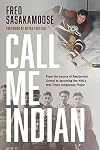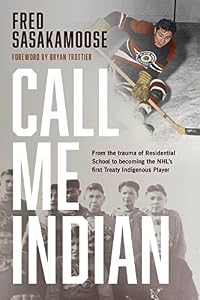
Call Me Indian: From the Trauma of Residential School to Becoming the NHL's First Treaty Indigenous Player
by Fred Sasakamoose
On This Page
Description
"Trailblazer. Residential school survivor. First Indigenous player in the NHL. All of these descriptions are true--but none of them tell the whole story. Fred Sasakamoose suffered abuse in a residential school for a decade before becoming one of 125 players in the most elite hockey league in the world--and has been heralded as the first Canadian Indigenous player with Treaty status in the NHL. He made his debut with the 1954 Chicago Black Hawks on Hockey Night in Canada and taught Foster show more Hewitt how to correctly pronounce his name. Sasakamoose played against such legends as Gordie Howe, Jean Beliveau, and Maurice Richard. After twelve games, he returned home. When people tell Sasakamoose's story, this is usually where they end it. They say he left the NHL after only a dozen games to return to the family and culture that the Canadian government had ripped away from him. That returning to his family and home was more important to him than an NHL career. But there was much more to his decision than that. Understanding Sasakamoose's decision to return home means grappling with the dislocation of generations of Indigenous Canadians. Having been uprooted once, Sasakamoose could not endure it again. It was not homesickness; a man who spent his childhood as "property" of the government could not tolerate the uncertainty and powerlessness of being a team's property. Fred's choice to leave the NHL was never as clear-cut as reporters have suggested. And his story was far from over. He continued to play for another decade in leagues around Western Canada. He became a band councillor, served as Chief, and formed athletic programs for kids. He paved a way for youth to find solace and meaning in sports for generations to come. This isn't just a hockey story; Sasakamoose's groundbreaking memoir intersects Canadian history and Indigenous politics, and follows his journey to reclaim pride in an identity that had previously been used against him."-- show lessTags
Recommendations


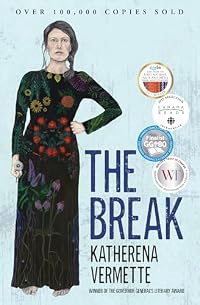
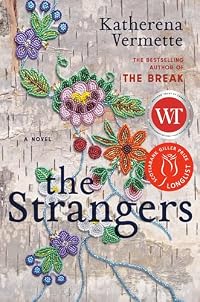
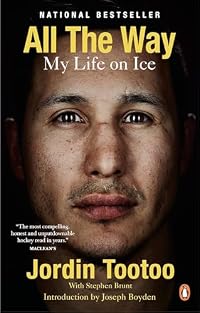
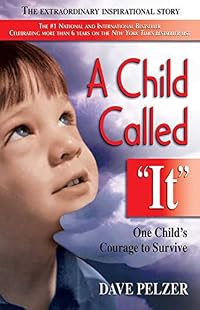





Member Recommendations
Member Reviews
I loved reading Fred's story and I am sad that he did not live long enough to see his words get published. This story takes us through Fred's life beginning with the residential schools through his hockey career and into adulthood. It is hard not to love this book, Fred does a fantastic job of telling his life story in an entertaining and engaging way. I am sorry that we as Canadians allowed children to be taken from their families and sent to residential schools, where they endured abuse, starvation, lack of medical care, and lost their families, their culture, and their languages.
Ratings
Members
- Recently Added By
Lists

Globe and Mail | Canadian Non-Fiction: Dec. 18, 2021
10 works; 1 member

Globe and Mail | Canadian Non-Fiction: Oct. 30, 2021
10 works; 1 member

Sarah's Wish List
48 works; 1 member
Author Information
1 Work 98 Members
Common Knowledge
Classifications
- Genres
- Sports and Leisure, Biography & Memoir, Nonfiction, General Nonfiction
- DDC/MDS
- 796.962092 — Arts & recreation Recreation, sports, and performing arts Sports Winter sports Ice games and sports Ice hockey Biography And History
- LCC
- E99 .C88 .S28 — History of the United States America Indians of North America Indian tribes and cultures
- BISAC
Statistics
- Members
- 99
- Popularity
- 324,834
- Reviews
- 1
- Rating
- (4.08)
- Languages
- English
- Media
- Paper, Audiobook, Ebook
- ISBNs
- 4
- ASINs
- 2