The Rule of St. Benedict
by Saint Benedict
On This Page
Description
A timeless source of wisdom for people looking to lead a life of simplicity, purpose, and serenity The Rule of St. Benedict has governed monastic communities for centuries, but it is far more than a standard religious text. The Rule is, above all, a handbook for living a deliberate life-no matter your religious background or beliefs. It teaches the importance of contemplation and silence, of solitude, and the power of community and unity. With lessons focusing on the simple acts of everyday show more life, like eating and daily work, along with wisdom for the deeply personal and internal facets of living, such as cultivating humility and practicing forgiveness, The Rule of St. Benedict is a profound guide to living a good and meaningful life. An award-winning translator, Philip Freeman's version of The Rule is beautifully accessible in its language. With a simple and direct style, the book lays out a way of living that is transformative in its simplicity and striking in its power. A Macmillan Audio production from St. Martin's Essentials. show lessTags
Recommendations



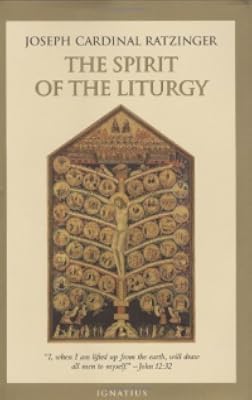

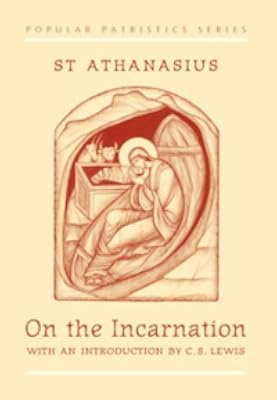

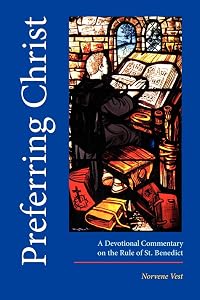
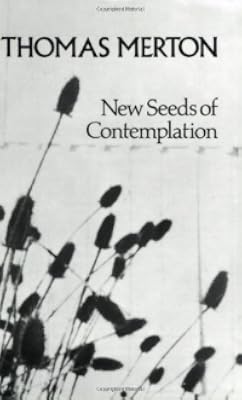
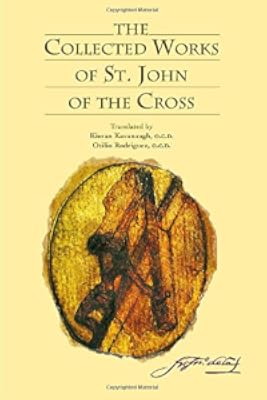
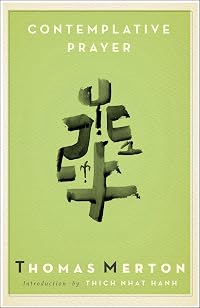




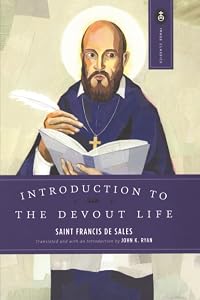
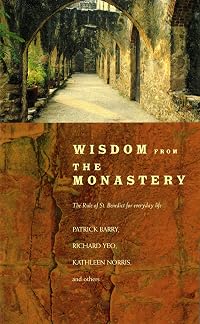
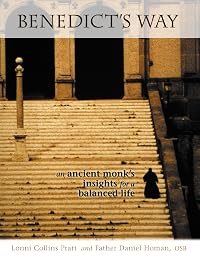
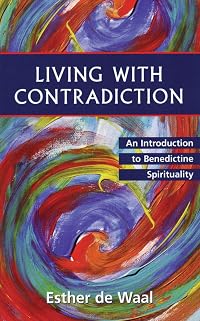



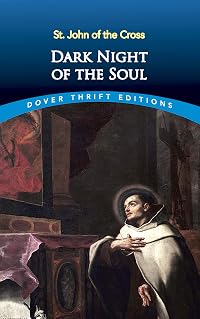

Member Recommendations


Member Reviews
St. Benedict's "Rule" has been on my TBR list for some time, since picking up a copy of Rod Dreher's "The Benedict Option" sometime last year (true confession, also ... still, haha ... on my TBR list). His name has come up several times in that time frame--Baader-Meinhof phenomenon, anyone?--so I was entirely excited to see this new translation come up on NetGalley.
Freeman does a fantastic job at setting the stage for the Rule, providing historical context for both its writing and events leading up to it in Benedict's own life, and world history overall. Freeman also makes it relevant to both Christians and non-Christians alike, and notes how the Rule can a bridge for discussions with Buddhist monks (as just one example). Even the show more business and psychology realms can benefit from studying this book!
The included bibliography is also helpful for further study, and Freeman is quick to recommend additional resources in the foreword and note on translation as well. Not having read other translations of the Rule, I can't speak to whether this one is better or worse, but I found it entirely readable and approachable, convicting and practical. I loved how Scripture is front and center in every section, and also appreciated Freeman's commentary within each section, much like notes in a study Bible.
Being an introvert and very much a creature of habit/routine :) (shocker!), I reeeeally liked the vigils and services laid out; this section is like its own Book of Common Prayer. The "Reading at Meals" section (not pleasure reading, lol, but a devotion of sorts) reminded me very much of my grandparents, who faithfully practiced similarly for many years! And "Silence at Night" was perhaps my favorite, with gems like "Monks should cultivate silence at all times--but most of all in the hours of the night" (chapter 42). #introvertlife
I received an eARC of the book from the publisher via NetGalley. All opinions are my own. show less
Freeman does a fantastic job at setting the stage for the Rule, providing historical context for both its writing and events leading up to it in Benedict's own life, and world history overall. Freeman also makes it relevant to both Christians and non-Christians alike, and notes how the Rule can a bridge for discussions with Buddhist monks (as just one example). Even the show more business and psychology realms can benefit from studying this book!
The included bibliography is also helpful for further study, and Freeman is quick to recommend additional resources in the foreword and note on translation as well. Not having read other translations of the Rule, I can't speak to whether this one is better or worse, but I found it entirely readable and approachable, convicting and practical. I loved how Scripture is front and center in every section, and also appreciated Freeman's commentary within each section, much like notes in a study Bible.
Being an introvert and very much a creature of habit/routine :) (shocker!), I reeeeally liked the vigils and services laid out; this section is like its own Book of Common Prayer. The "Reading at Meals" section (not pleasure reading, lol, but a devotion of sorts) reminded me very much of my grandparents, who faithfully practiced similarly for many years! And "Silence at Night" was perhaps my favorite, with gems like "Monks should cultivate silence at all times--but most of all in the hours of the night" (chapter 42). #introvertlife
I received an eARC of the book from the publisher via NetGalley. All opinions are my own. show less
I'm not sure if this is an academic book or one I just purchased to read because I was interested at the time. When I pulled it off the shelf to dust, I noticed it was shorter and looked fairly easy to read, so here it is! St. Benedict founded his monastery in Monte Cassino in southern Italy. He drew on Egyptian and Syrian traditions for his guidelines for his religious community. In theory, the monastery was a self-sustaining entity where all members prayed and worked. They valued: obedience, silence, and humility. I found the piece and defense of silence to be very interesting. It was taken from Psalm 39:1-2: "I will guard my ways, that I may not sin with my tongue; I will guard my mouth with a muzzle, so long as the wicked are in my show more presence. I was dumb with silence, I held my peace, even from good..." I believe that is taken out of context, but what do I know?! Other advice: "..idle words, or such as move to laughter, we utterly condemn and ban them in all places. We do not allow any disciple to give mouth to them." How somber and sad--no laughter! 112 pages show less
I'm glad I read this as an influential historical document, but wow! Despite my strict religious upbringing and lifelong fascination with Christian monasticism, I was somehow not prepared for just how authoritarian Benedict's Rule would be.
This is a tight, sharp, clean little work. Benedict is clear and precise, with limited words. His rules seem a bit strict to my modern mind (not a fan of the idea of beating children) but I understand that during the time, this was acceptable and even laudable. My inherent mistrust of humans causes me to ask whether Benedict's rule would work - there is much room for the miss-use of power. The answer, of course, is that each monk should be so devoted to Christ that he exudes the humility and kindness of the Lord. But humans are notoriously prone to self-interest and to the use of religious belief and the name of God to further their own agenda.
That aside, this was a worthwhile read. To understand how the Benedictine monks lived, and to show more perhaps find wisdom for living ones own life. One doesn't need to be a monk to require advice on how to deal with other humans in a manner pleasing to God. This book offers excellent assistance in that area: worth reading and worth buying. show less
That aside, this was a worthwhile read. To understand how the Benedictine monks lived, and to show more perhaps find wisdom for living ones own life. One doesn't need to be a monk to require advice on how to deal with other humans in a manner pleasing to God. This book offers excellent assistance in that area: worth reading and worth buying. show less
I found this to be a fascinating look at the details of everyday life in a medieval monastery. It certainly seems a harsh life to our modern eyes, but I also see a certain beauty and grace in this life of faith, and I believe we’ve lost much of that in our overly abundant modern lives.
A fresh translation of the Rule of Benedict, from sixth century Italy.
The introductory materials and translation with notes are strong. The translator does well to welcome the reader into the world of sixth century Italy, the life of Benedict, and what precipitated the establishment of his Rule. The translation is very clear in modern English, and the notes are helpful for understanding for those who may not be familiar with the language of the monastery.
The substance of the Rule has become the basis of the Benedictine family of monasteries and part of the basis of all other monastic orders of the West. Benedict focused highly on a lot of the practical details about life in a monastic setting: everything from the purpose of being a monk show more to details about how meals ought to be governed and when various psalms should be read.
This is a helpful edition of the Rule for a modern audience. There are many principles which all can benefit from in terms of discipline and spirituality in the faith. On the whole, however, one can see the challenges that arise from such a hierarchical understanding of all relationships, and where danger might arise in considering the abbot as Jesus Himself. We can understand the impulse to withdraw into the contemplative life, and certainly can appreciate the need for seasons of contemplation and periods of contemplation - but Jesus lived in and among the people, and His people should be as well.
**--galley received as part of book review program show less
The introductory materials and translation with notes are strong. The translator does well to welcome the reader into the world of sixth century Italy, the life of Benedict, and what precipitated the establishment of his Rule. The translation is very clear in modern English, and the notes are helpful for understanding for those who may not be familiar with the language of the monastery.
The substance of the Rule has become the basis of the Benedictine family of monasteries and part of the basis of all other monastic orders of the West. Benedict focused highly on a lot of the practical details about life in a monastic setting: everything from the purpose of being a monk show more to details about how meals ought to be governed and when various psalms should be read.
This is a helpful edition of the Rule for a modern audience. There are many principles which all can benefit from in terms of discipline and spirituality in the faith. On the whole, however, one can see the challenges that arise from such a hierarchical understanding of all relationships, and where danger might arise in considering the abbot as Jesus Himself. We can understand the impulse to withdraw into the contemplative life, and certainly can appreciate the need for seasons of contemplation and periods of contemplation - but Jesus lived in and among the people, and His people should be as well.
**--galley received as part of book review program show less
Composed nearly fifteen hundred years ago by the father of Western monasticism, The Rule of St. Benedict has for centuries been the guide of religious communities. St. Benedict's rules of obedience, humility, and contemplation are not only prerequisites for formal religious societies, they also provide an invaluable model for anyone desiring to live more simply. While they presuppose a certain detachment from the world, they provide guidance and inspiration for anyone seeking peace and fulfillment in their home and work communities. As prepared by the Benedictine monk and priest Timothy Fry, this translation of The Rule of St. Benedict can be a life-transforming book.
Members
- Recently Added By
Lists

100 Books to Read in a Lifetime (That Are Older Than 200 Years)
415 works; 175 members

Church Times 100 Best Christian Books
106 works; 26 members

Ten books that most shaped your view of history
91 works; 12 members
25 Books Every Christian Should Read
27 works; 4 members

Books featuring monks and/or nuns
166 works; 33 members

GreatBooks Worldview Academy Lists
133 works; 4 members

Western Canon
206 works; 2 members
Talk Discussions
Past Discussions
Group Read: The Rule of St. Benedict in Catholic Tradition (October 2012)
Author Information

40+ Works 4,585 Members
Some Editions
Awards and Honors
Series
Belongs to Publisher Series
Work Relationships
Is contained in
Common Knowledge
- Canonical title
- The Rule of St. Benedict
- Original title
- Regula Benedicti
- Alternate titles
- St. Benedict’s Rule for Monasteries
- Original publication date
- c. 500
- People/Characters
- Monasteries; Saint Benedict
- First words
- Listen carefully, my son, to the master's instructions, and attend to them with the ear of your heart. (1935)
Hearken, o my son, to the precepts of thy Master, and incline the ear of thine heart; willingly receive and faithfully fulfill the admonition of thy loving Father, that thou mayest return by the labour of obedience to Him fro... (show all)m Whom thou hadst departed through the sloth of disobedience. (1907)
Hearken, o my son, to the precepts of thy Master, and incline the ear of thy heart willingly to hear, and effectually to accomplish, the admonition of thy loving Father, that by the labour of obedience thou mayest return to H... (show all)im, from Whom thou didst depart by the sloth of disobedience. (1875) - Last words
- (Click to show. Warning: May contain spoilers.)Dann wirst du schliesslich unter dem Schutz Gottes zu den oben erwähnten Höhen der Lehre und der Tugend gelangen.
(Click to show. Warning: May contain spoilers.)Therefore whosoever thou art that dost hasten to the heavenly country, first accomplish, by the help of Christ, this little Rule written for beginners; and then at length thou shalt come, under the guidance of God, to those loftier heights of doctrine and of virtue, which we have mentioned above. (1875)
(Click to show. Warning: May contain spoilers.)Whoever, therefore, thou art that hasteneth to thy
heavenly country, fulfil by the help of Christ this
least of Rules which we have written for beginners;
and then at length thou shalt arrive, under God’s
protection, at the lofty summits of doctrine and virtue of which we have spoken above. (1907) - Original language
- Latin
Classifications
- Genres
- Religion & Spirituality, Nonfiction, History
- DDC/MDS
- 255.106 — Religion Christian pastoral practice & religious orders Religious congregations and orders Benedictines
- LCC
- BX3004 .E6 — Philosophy, Psychology and Religion Christian Denominations Christian Denominations Catholic Church Monasticism. Religious orders Religious orders of men
- BISAC
Statistics
- Members
- 4,406
- Popularity
- 3,376
- Reviews
- 45
- Rating
- (3.82)
- Languages
- 13 — Catalan, Dutch, English, English (Middle), Finnish, French, German, Hungarian, Italian, Latin, Multiple languages, Romance (Other), Spanish
- Media
- Paper, Audiobook, Ebook
- ISBNs
- 130
- UPCs
- 1
- ASINs
- 77