
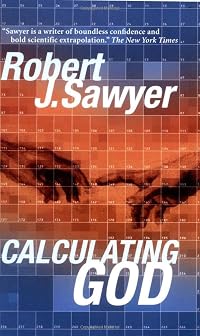
Calculating God
by Robert J. Sawyer
On This Page
Description
Calculating God is the new near-future SF thriller from the popular and award-winning Robert J. Sawyer. An alien shuttle craft lands outside the Royal Ontario Museum in Toronto. A six-legged, two-armed alien emerges, who says, in perfect English, "Take me to a paleontologist." It seems that Earth, and the alien's home planet, and the home planet of another alien species traveling on the alien mother ship, all experienced the same five cataclysmic events at about the same time (one example of show more these "cataclysmic events" would be the meteor that wiped out the dinosaurs). Both alien races believe this proves the existence of God: i.e. he's obviously been playing with the evolution of life on each of these planets. From this provocative launch point, Sawyer tells a fast-paced, and morally and intellectually challenging, SF story that just grows larger and larger in scope. The evidence of God's universal existence is not universally well received on Earth, nor even immediately believed. And it reveals nothing of God's nature. In fact. it poses more questions than it answers. When a supernova explodes out in the galaxy but close enough to wipe out life on all three home-worlds, the big question is, Will God intervene or is this the sixth cataclysm:? Calculating God is SF on the grand scale. Calculating God is a 2001 Hugo Award Nominee for Best Novel. show lessTags
Recommendations
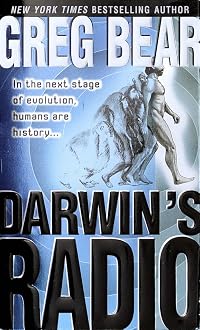
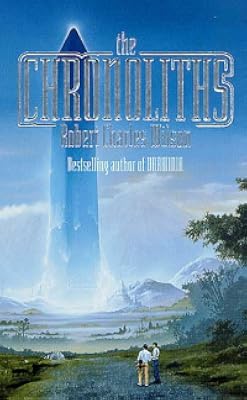
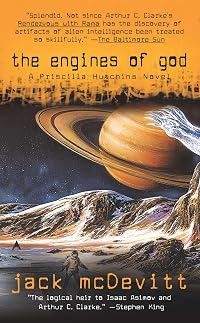
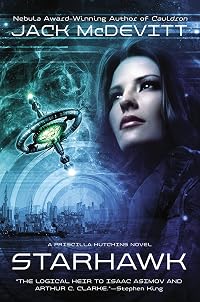
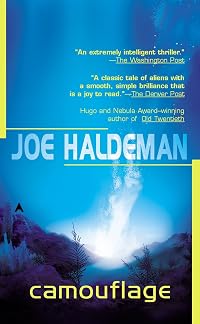
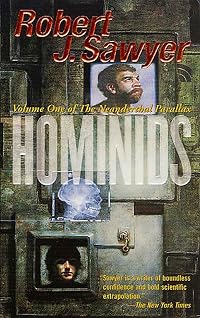
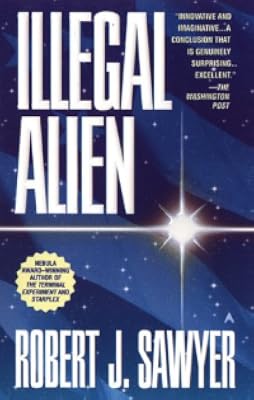
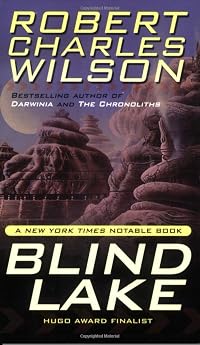
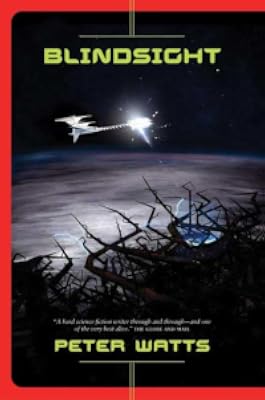
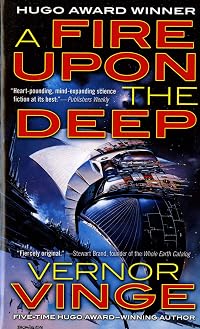
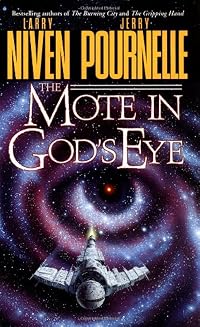
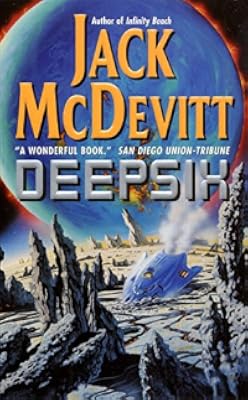
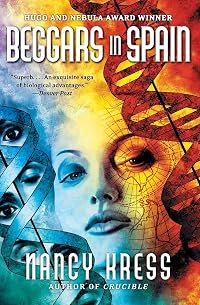
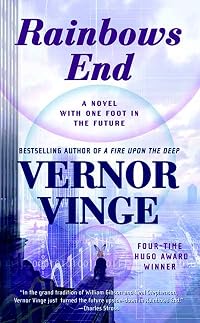
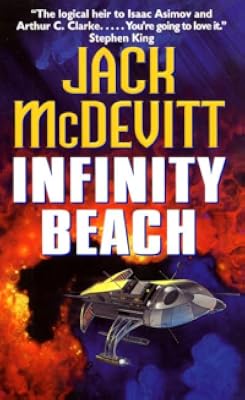
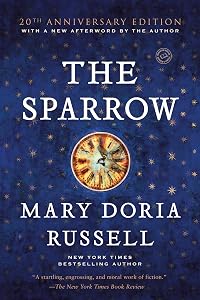
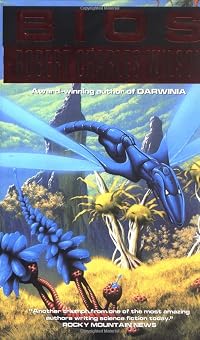

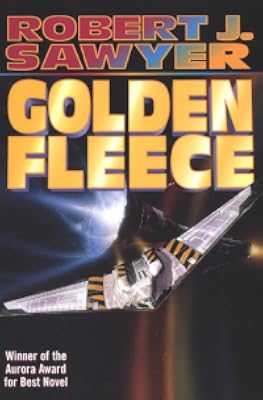
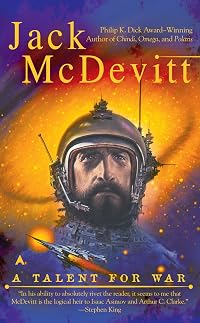
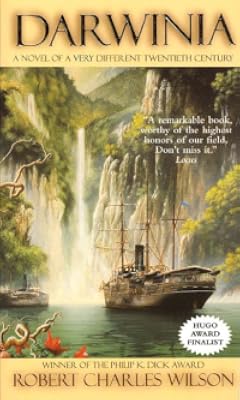
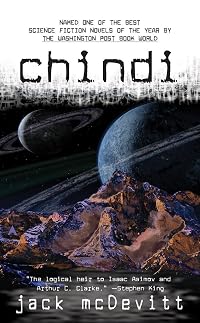
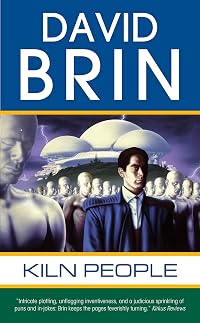
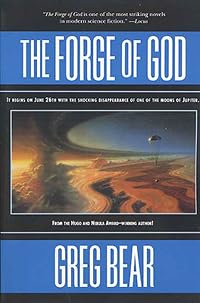
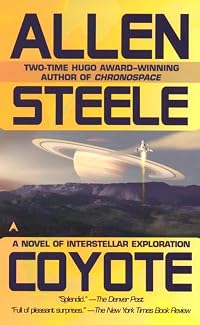



Member Recommendations
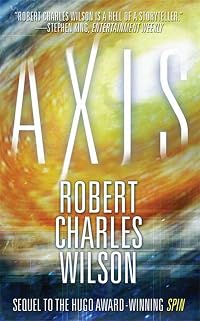
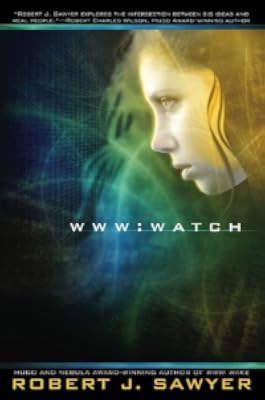
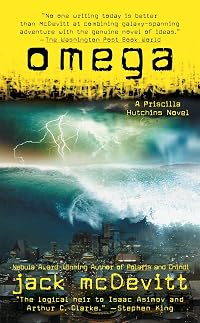
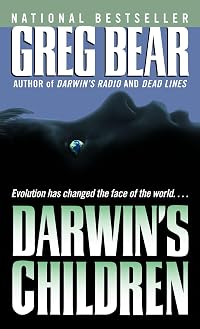
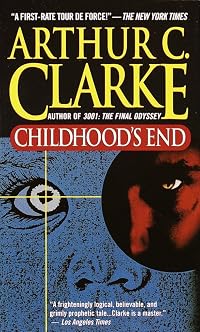
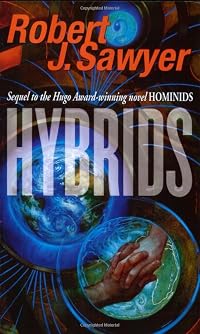
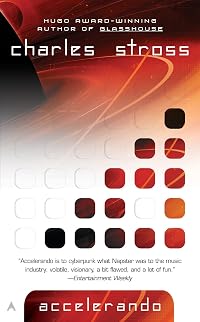
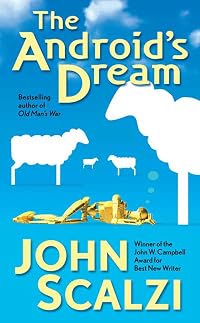
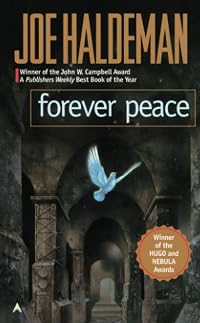
amysisson Another hard SF book with great "what if" questions.
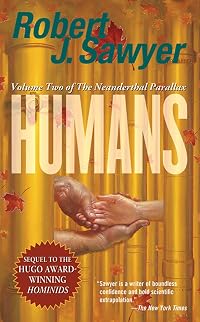
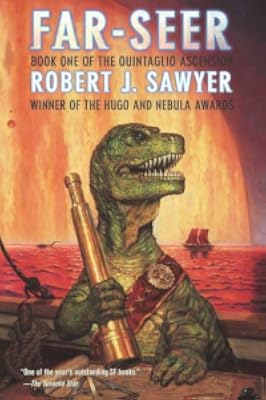
ShelfMonkey Both are about first contact situations.
Member Reviews
At long last, aliens land on Earth. Incredulously, they do not go to any center of government nor to Area 51 but to Royal Ontario Museum in Toronto. On top of this, the alien, who looks like a giant six-legged, two-armed golden-brown spider, is not interested in conquest or site seeing, but in examining Earth’s fossil record. The senior palentologist at the Museum, Dr. Tom Jericho, stunned by appearance of Hollus (a Forhilnor), but quickly recovers to ask why the interest in paleontology. Dr. Jericho is re-astonished to learn that the five major mass extinctions of life on Earth also happened at the same time as mass extinctions on both the home worlds of two sentient aliens. And the reason both alien races attribute to these events show more is God wished it to happen. This all happens in the first chapter of Calculating God.
Sawyer’s work is philosophical on many levels. The most obvious is the discussion between Hollus and Tom about the existence of God and the purpose of life. What God is, what he does and how he interacts with the universe are all addressed, but with interesting interpretation. While many of the arguments used by Hollus to prove the existence of God are also put forth by many religions on Earth, the book does not promote any religion, but it presents a situation where the universe is directed by an intelligent being. An intricate part of this plot line are the second alien race, the Wreed. Another interesting Sawyer alien, their view of the universe is determined by their physiology. For example, they have 23 fingers, which effected their ability to deal with numbers. While the Wreed do not have strong mathematics, they can easily deal with moral issues: whereas we struggle with the nature of good and evil, they could see the answer quickly and cleanly. As Sawyer puts it, they have “minded geared for ethics”. Sawyer does not ignore the reaction by religious Humans to the Aliens and follows two right-to-life supporters who eventually have a violent confirmation with Hollus and Dr. Jericho.
The differences between the aliens and Humans are easy to see, but Sawyer also shows the similarities. Dr. Jericho, narrator of most of the book, is dying of lung cancer with only a few months to live. Cancer exists also in the other alien races makeup and the Forhilnor can suffer from mental illnesses. The interactions between Hollus and Dr. Jericho present a different view of and are important to the end plot of the story.
Perhaps the most intriguing subplot is that Humans, Forhilnor and Wreeds are not the first intelligent life forms in the Universe. Six other star systems have evidence of past civilizations, all of which were abandoned and the inhabitants disappeared. Where the missing aliens went to leads to even greater discoveries for Dr. Jericho and will change his view of everything.
Calculating God is a work of philosophy, science, and humanity. Sawyer’s aliens are different and fascinating and the interplay between them and Dr. Jericho warming and entertaining. This a book for anyone interested the nature of life, the possibility of a divine being and the purpose of living.
For Fast Forward TV, 1/2001 show less
Sawyer’s work is philosophical on many levels. The most obvious is the discussion between Hollus and Tom about the existence of God and the purpose of life. What God is, what he does and how he interacts with the universe are all addressed, but with interesting interpretation. While many of the arguments used by Hollus to prove the existence of God are also put forth by many religions on Earth, the book does not promote any religion, but it presents a situation where the universe is directed by an intelligent being. An intricate part of this plot line are the second alien race, the Wreed. Another interesting Sawyer alien, their view of the universe is determined by their physiology. For example, they have 23 fingers, which effected their ability to deal with numbers. While the Wreed do not have strong mathematics, they can easily deal with moral issues: whereas we struggle with the nature of good and evil, they could see the answer quickly and cleanly. As Sawyer puts it, they have “minded geared for ethics”. Sawyer does not ignore the reaction by religious Humans to the Aliens and follows two right-to-life supporters who eventually have a violent confirmation with Hollus and Dr. Jericho.
The differences between the aliens and Humans are easy to see, but Sawyer also shows the similarities. Dr. Jericho, narrator of most of the book, is dying of lung cancer with only a few months to live. Cancer exists also in the other alien races makeup and the Forhilnor can suffer from mental illnesses. The interactions between Hollus and Dr. Jericho present a different view of and are important to the end plot of the story.
Perhaps the most intriguing subplot is that Humans, Forhilnor and Wreeds are not the first intelligent life forms in the Universe. Six other star systems have evidence of past civilizations, all of which were abandoned and the inhabitants disappeared. Where the missing aliens went to leads to even greater discoveries for Dr. Jericho and will change his view of everything.
Calculating God is a work of philosophy, science, and humanity. Sawyer’s aliens are different and fascinating and the interplay between them and Dr. Jericho warming and entertaining. This a book for anyone interested the nature of life, the possibility of a divine being and the purpose of living.
For Fast Forward TV, 1/2001 show less
My first thought was to say this is wonderful speculative science fiction, but actually it is wonderful speculative theology used in the midst of science fiction. The story is built upon what seems like a joke. An alien (Hollus) walks into a museum and wants to meet a paleontologist. On the alien's world scientist think it is obvious the universe was designed by an intelligent Creator. The scientist then has to confront his own reasons for not believing. From there the two engage in some rather intriguing discussions on God, the nature of religion, creation, and other assorted divine droppings.
The tale itself is quite simple and the ending is rather odd and abrupt, which deserves some criticism; however, I'm willing to overlook it show more because of the intriguing discussions holding up the middle. There's also a fundamentalist, creationist group that seems out of place.
I'll resist posting all the ones I had to put the book aside and chew on, but here are two that just gave me pause.
1) given such an imperfect universe why do we expect the creator to be perfect? what are the implications if the the creator isn't?
2) the second were a few discussions on the divine limitations surrounding cancer. show less
The tale itself is quite simple and the ending is rather odd and abrupt, which deserves some criticism; however, I'm willing to overlook it show more because of the intriguing discussions holding up the middle. There's also a fundamentalist, creationist group that seems out of place.
I'll resist posting all the ones I had to put the book aside and chew on, but here are two that just gave me pause.
1) given such an imperfect universe why do we expect the creator to be perfect? what are the implications if the the creator isn't?
2) the second were a few discussions on the divine limitations surrounding cancer. show less
I love that most of this book takes place in the Royal Ontario Museum, with a protagonist who shares my views on the dumbing-down of the displays over the last 40 years. The first chapters with the alien's occasional hilarious misunderstanding ("Are not all your paleontologists humans? Would they not therefore all be vertebrates?") coupled with a rather wicked sense of humour are priceless. The pace slows down somewhat during the middle chapters, with a lot of talk about the existence of God as perceived by two alien races and Tom Jericho venting about his terminal cancer diagnosis. It then picks up again and builds towards a completely bizarre denouement. Well worth reading.
An intriguing and thought provoking read. Advanced alien civilizations view God as a scientific fact. First contact is made between a visiting alien theist scientist and a human agnostic scientist who work together to share their species' knowledge and who become friends along the way.
A wonderfully creative, imaginative premise that is well developed through the course of the book.
At some point, I realized I would be more likely to believe in God after reading this book than by any religious proselytizing now common on planet Earth. Sci-Fi for the thinking man or woman.
Sawyer could be the next Asimov!
A wonderfully creative, imaginative premise that is well developed through the course of the book.
At some point, I realized I would be more likely to believe in God after reading this book than by any religious proselytizing now common on planet Earth. Sci-Fi for the thinking man or woman.
Sawyer could be the next Asimov!
I have been meaning to read Calculating God for quite some time, but never quite got around to it. I am now very glad that I finally did so. I enjoy novels which are set in real locations (most of the action in this one takes place at the Royal Ontario Museum) because you can find out more about those places online and view maps and photos while you are reading. Reactions to this novel seem to be polarized. If a reader has a prior commitment to either purely naturalistic evolution or young-earth creationism, it is unlikely that the message of the novel will go down well. However, for people who have no such commitments and can see the shortcomings of both arguments, the speculations which run throughout this work of science fiction take show more a fascinating middle road. Of course, this is a fictional account of visits by aliens to our planet, and it is not entirely clear where the author himself stands on some of the issues presented, but I feel that the story does no disservice to the true spirit of scientific inquiry. In a slightly weaker subplot, religious extremism is condemned, although this may just be a device used by the author to prove to readers that he has no desire to support traditional religious ideas of creationism. I feel that the story is well-written, the characterizations (even of the principal alien character) are convincing, and the fact that it addresses some of the perplexing issues related to the human condition make it a captivating read. show less
I'm very glad I finally got around to reading this. I think I thought I might have gotten a bit tired of the whole science vs. religion debate in modern SF, so when I read the blurb, I hesitated between wanting to read more of Robert's work or having to slog through one side or another of the Evolution vs. God kerfuffle.
But, again, I'm glad! It was nothing like a slog. :) In fact, it was rather refreshing to have rational science-type aliens visit Earth and insist that God exists to all the atheists here. Funny? Yep. And the whole novel ends making the best case I've heard for keeping an open mind.
You know... kinda like using the scientific method.
Of course, this novel couldn't have worked unless the aliens brought themselves and other show more aliens over and gave us certain proofs that genetics kinda works the same everywhere and that only life forms of a certain size are able to manipulate fire and there's a lot of archeology going on about aliens that have since passed on, lending yet more weight of proof to the whole idea that God exists.
I can't really put that aside. The novel couldn't have worked out like this without including these rational aliens.
But within the framework that Mr. Sawyer set up, I'm VERY happy with the results of the story. It's probably my favorite out of all his works. An easy read, lovingly rational, mixing tragedy with one of the basic desires we all have: questions. Curiosity. Speculation. A desire to know Truth.
In that respect, I think this is one of those great works. Keep an open mind. It might be that everyone is a bit right. :) show less
But, again, I'm glad! It was nothing like a slog. :) In fact, it was rather refreshing to have rational science-type aliens visit Earth and insist that God exists to all the atheists here. Funny? Yep. And the whole novel ends making the best case I've heard for keeping an open mind.
You know... kinda like using the scientific method.
Of course, this novel couldn't have worked unless the aliens brought themselves and other show more aliens over and gave us certain proofs that genetics kinda works the same everywhere and that only life forms of a certain size are able to manipulate fire and there's a lot of archeology going on about aliens that have since passed on, lending yet more weight of proof to the whole idea that God exists.
I can't really put that aside. The novel couldn't have worked out like this without including these rational aliens.
But within the framework that Mr. Sawyer set up, I'm VERY happy with the results of the story. It's probably my favorite out of all his works. An easy read, lovingly rational, mixing tragedy with one of the basic desires we all have: questions. Curiosity. Speculation. A desire to know Truth.
In that respect, I think this is one of those great works. Keep an open mind. It might be that everyone is a bit right. :) show less
This book addresses a complex topic, and my reaction was likewise complex. The premise is quite extraordinary: an alien lands in front of the Royal Ontario Museum in Toronto and asks to speak with a paleontologist. This scientist happens to be Tom Jericho. Tom and the alien strike up an odd sort of friendship as they debate shared histories of mass extinctions on their home worlds and why that might be. It turns out, this species of alien and others agree that the complex nature of life means they are all creations of God. For an atheist like Tom, this is a difficult idea to swallow, even as he questions his own mortality as his terminal cancer worsens.
This isn't a book packed with action. It involves a lot of talk and examination. I show more imagine that would bore some people; I was fascinated. At only a few points did I feel the info dumps were a bit too bunch. Really, this kind of heady examination of religion through science fiction is my jam. Mary Doria Russell's The Sparrow is one of my favorite books of all time.
Where the book faltered for me in a HUGE way was a subplot involving two bumbling bad guys. (I won't go into details for the sake of spoilers). Not only were these characters tropes without a shred of nuance, but the entire plot ended up being completely irrelevant to the major events at the end of the book.
And wow, that ending delivered some major surprises and some genuine feelings, too. It's a shame that the bad taste of that unneeded subplot continued to linger. Even so, I do recommend this if you like books that address theology through science fiction. This read will stay with me--because of the good aspects, and unfortunately, the not-so-good. show less
This isn't a book packed with action. It involves a lot of talk and examination. I show more imagine that would bore some people; I was fascinated. At only a few points did I feel the info dumps were a bit too bunch. Really, this kind of heady examination of religion through science fiction is my jam. Mary Doria Russell's The Sparrow is one of my favorite books of all time.
Where the book faltered for me in a HUGE way was a subplot involving two bumbling bad guys. (I won't go into details for the sake of spoilers). Not only were these characters tropes without a shred of nuance, but the entire plot ended up being completely irrelevant to the major events at the end of the book.
And wow, that ending delivered some major surprises and some genuine feelings, too. It's a shame that the bad taste of that unneeded subplot continued to linger. Even so, I do recommend this if you like books that address theology through science fiction. This read will stay with me--because of the good aspects, and unfortunately, the not-so-good. show less
Members
- Recently Added By
Author Information

107+ Works 20,033 Members
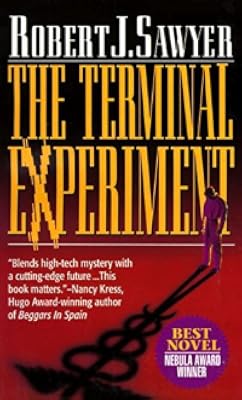
Robert J. Sawyer was born in Ottawa on April 29, 1960, but raised in Toronto. In 1980, while still in high school, Sawyer submitted a short story to the the Rochester Museum and Science Center, which was running a contest for light show ideas. Sawyer didn't win, but the Museum purchased his story Motive anyway and it ran for 192 performances. show more Sawyer went on to attend Toronto's Ryerson Polytechnical Institute, majoring in Radio and Television Arts. In September 1979, he had his first piece of fiction published at the end of his first year, in Ryerson's literary annual, White Wall Review. Sawyer graduated from Ryerson in 1982. Sawyer was hired back the following semester to teach television studio production techniques to second- and third-year students. In the four months interim, he worked for minimum wage at the local SF bookstore, spending all his earnings on books. From 1984 to 1992, while teaching, Sawyer also coordinated a social group of Toronto-area science-fiction writers founded by SF editor Judith Merril. He established a Canadian region of the Science Fiction and Fantasy Writers of America; and in 1998, served as that organization's president. Sawyer also retained freelance nonfiction writing contracts, writing articles for newspapers and magazines, press releases and brochures for corporations, newsletters for government departments. He churned out vast amounts of promotional materials and over 200 articles for computing and personal-finance magazines in a span of five years. But in that time, his only really significant publication was the novelette Golden Fleece, which appeared as the cover story in the September 1988 edition of Amazing Stories. The novel-length Golden Fleece was sold to Warner Books a year later in 1989. The sales of his first five books were uninspiring and Sawyer faced being dropped by his publisher. Sawyer decided to take the time to write a book, without a contract, take as long as necessary, and produce a blockbuster. He also wanted to tackle a controversial issue and deal with it head on. With that in mind, Sawyer wrote The Terminal Experiment, about abortion and the soul. His publisher rejected it on grounds of controversy. HarperPrism then bought the book and serialization rights were sold to Analog, the number-one best-selling English-language SF magazine. The Terminal Experiment went on to win the Science Fiction and Fantasy Writers of America's Nebula Award for Best Novel of 1995. His novel Frameshift was his first book published in hardcover, and was nominated for the Hugo Award, and won Japan's Seiun Award for best foreign novel of the year. (Bowker Author Biography) show less
Some Editions
Awards and Honors
Awards
Notable Lists
Series
Belongs to Publisher Series
Urania [Mondadori] (1414)
Work Relationships
Is contained in
Common Knowledge
- Canonical title*
- L'equazione di Dio
- Original title
- Calculating God
- Original publication date
- 2000-06
- People/Characters
- Thomas Jericho; Hollus (alien); Susan Jericho; Ricky Jericho
- Important places
- Toronto, Ontario, Canada; Royal Ontario Museum, Toronto, Ontario, Canada; Betelgeuse
- Epigraph
- Complete fossil skeletons are rarely found. It is permissible to fill in the missing pieces using the reconstructionist's best guesses, but, except for display mounts, one must clearly distinguish those parts that are actual ... (show all)fossilized material from those that are conjecture. Only the authentic fossils are true first-person testimony of the past; in contrast, the reconstructionist's contributions are something akin to third person narration.
—Thomas D. Jericho, Ph.D, in his introduction to Handbook of Paleontological Restoration (Danilova and Tamasaki, editors) - Dedication
- For Nicholas A. DiChario and Mary Stanton, who were there for us when we needed friends the most
- First words
- I know, I know - it seemed crazy that the alien had come to Toronto.
- Quotations
- Learning to ignore things is one of the great paths to inner peace.
- Last words
- (Click to show. Warning: May contain spoilers.)"It's happened for me a second time."
- Publisher's editor
- Hartwell, David G.
- Original language
- English
*Some information comes from Common Knowledge in other languages. Click "Edit" for more information.
Classifications
Statistics
- Members
- 1,872
- Popularity
- 11,476
- Reviews
- 64
- Rating
- (3.64)
- Languages
- 6 — English, French, Hungarian, Italian, Lithuanian, Spanish
- Media
- Paper, Audiobook, Ebook
- ISBNs
- 19
- UPCs
- 1
- ASINs
- 15