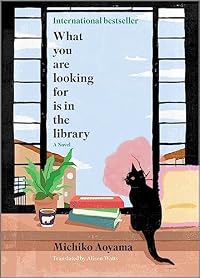
What You Are Looking For Is in the Library
by Michiko Aoyama
On This Page
Description
What are you looking for? So asks Tokyo's most enigmatic librarian. For Sayuri Komachi is able to sense exactly what each visitor to her library is searching for and provide just the book recommendation to help them find it. A restless retail assistant looks to gain new skills, a mother tries to overcome demotion at work after maternity leave, a conscientious accountant yearns to open an antique store, a recently retired salaryman searches for newfound purpose. In Komachi's unique book show more recommendations they will find just what they need to achieve their dreams. What You Are Looking For Is in the Library is about the magic of libraries and the discovery of connection. This inspirational tale shows how, by listening to our hearts, seizing opportunity and reaching out, we too can fulfill our lifelong dreams. Which book will you recommend? show lessTags
Recommendations






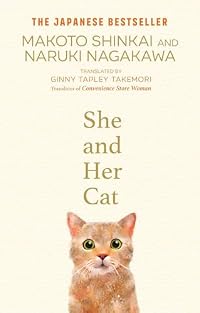

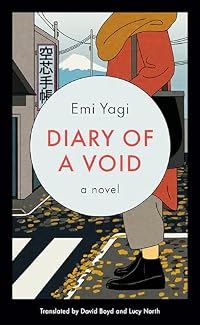
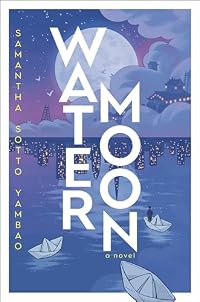
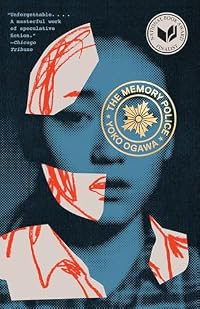
Member Recommendations
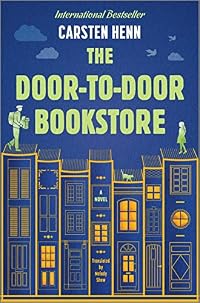
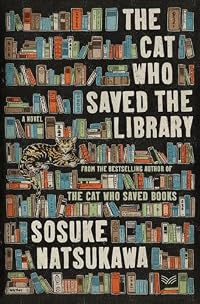
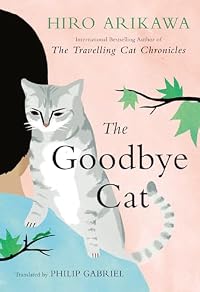
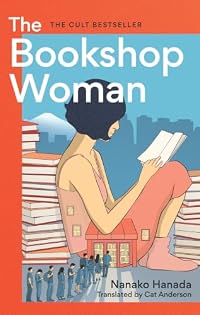
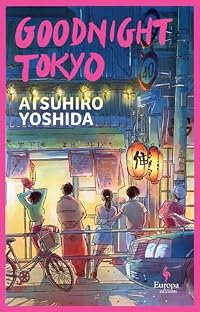
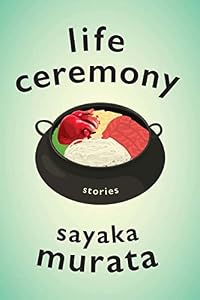
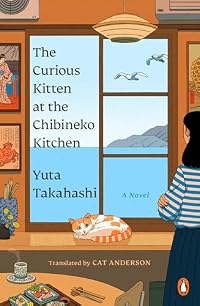
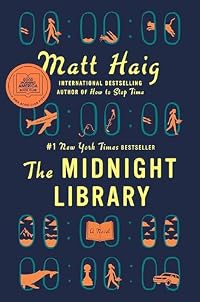
OktoFalke Episodic stories about people who come into contact with books that change their lives for the better. Both books have a calm, healing atmosphere.
Member Reviews
Puntuación: 9.00 / 10.00
"Hasta entonces siempre me preguntaba si las cosas me serían útiles o si podría obtener algo de ellas, y ese modo de pensar me obstaculizaba. Pero cuando aprendí que lo importante es lo que te pide el corazón, me entraron ganas de hacer muchas cosas."
Estoy enamorada de este libro, de sus mensajes y sus historias. De su forma de ver el mundo y reflexionar. Estoy encantada con la lectura ligera y tan inspiradora que resultó conocer este libro.
"Hasta entonces siempre me preguntaba si las cosas me serían útiles o si podría obtener algo de ellas, y ese modo de pensar me obstaculizaba. Pero cuando aprendí que lo importante es lo que te pide el corazón, me entraron ganas de hacer muchas cosas."
Estoy enamorada de este libro, de sus mensajes y sus historias. De su forma de ver el mundo y reflexionar. Estoy encantada con la lectura ligera y tan inspiradora que resultó conocer este libro.
5 slightly interlocking vignettes, with the reference librarian giving each new-to-the-library a felted bonus gift, along with a book suggestion that doesn't quite match what each patron thought they were looking for. But the suggestions are exactly right for each one. Toward the end, the librarian says "People find meaning in the bonus gifts for themselves. It's the same with books. Readers make their own personal connections to words, irrespective of the writer's intentions, and each reader gains something unique."
I loved this sweet and fulfilling novel by Michiko Aoyama. The book reminds me of naif art; the simplicity, attention to detail, and bright colours are similar, even though those bright colours are at work in the reader's imagination.
The book presents five interlinked short stories, all of which converge on the community centre and on its librarian, who spends her time giving book recommendations and felting - a needlecraft. The people in these stories find themselves struggling with life, and it is books that help the characters find meaning in their life. It is a story of the importance of reading, I think, and being a bibliophile, I cannot help but agree that books can be life-changing.
The book presents five interlinked short stories, all of which converge on the community centre and on its librarian, who spends her time giving book recommendations and felting - a needlecraft. The people in these stories find themselves struggling with life, and it is books that help the characters find meaning in their life. It is a story of the importance of reading, I think, and being a bibliophile, I cannot help but agree that books can be life-changing.
What You Are Looking For Is in the Library tells the stories of five different people: Tomoka, a young sales clerk dissatisfied with her job & life; Ryo, a middle-aged salary man frustrated by his co-workers & by his dream to own an antique shop; Natsumi, a middle-aged new mother overwhelmed by motherhood & its effect on her career; Hiroya, an unemployed, thirty-year-old aspiring artist whose career never got off the ground; and Masao, a bored retiree who epitomizes the concept of weaponized incompetence. All five of these individuals find themselves in their local community library with book recommendations & miniature gifts from the librarian which end up changing their attitudes & their life paths for the better—almost as if by show more magic! Of course, all five of their stories are interwoven as the narrative unfolds.
Overall, this book is an engaging read. Most of the characters are sympathetic, and their stories are compelling without being too over-the-top or melodramatic. I wouldn’t mind reading this again and I would recommend it to almost everyone.
There are a few pesky flaws that keep this from being a stellar, five star novel. As with a lot of Japanese lit, the tone is occasionally preachy & condescending. It reminds me of those annoying ‘The More You Know…” TV spots in which dimwitted celebrities talk down to their audience in patronizing tones of voice telling them how they should live and what they should think. I always want to scream: you’re a high school dropout actor who does nothing but repeat lines other people have written for you, what makes you feel qualified to boss me around! This book assumes that unpleasant aura of sermonizing quite frequently.
Another major problem is the fact that—with several characters—the author normalizes male incompetence & laziness. Natsumi’s husband is no help to her—at all, despite empty promises to be a fully equal co-parent prior to the birth of their child. His job automatically takes precedence over her career; he casually takes a night off to go drinking after work or goes off on a weekend business trip with no consideration for his wife’s schedule or responsibilities; he always expects her to do all of the childcare, all of the household chores, all of the cooking, etc. in addition to her full-time job, while his full-time job is too much of an overwhelming responsibility for him to be able to do anything else…poor baby! Even at the end of her story & Natsumi’s husband ‘valiantly’ agrees to begin dropping their daughter off at daycare, she has to sit down and give him detailed instructions on how to do it—including a tutorial on how to wash the baby’s futon cover. Seriously? Natsumi was assumed to be capable of figuring out parenthood on her own, but her husband is applauded for needing a lengthy tutorial on how to wash & use bedding? The husband even says at one point that he knew she was drowning in chores and responsibilities, but didn’t know how to help her until she told him exactly what to do and how to do it…Really? A forty year old man can’t autonomously figure out that meals need to be cooked, laundry needs to be washed, or rooms need to be cleaned? God save us all from such stupidity and uselessness! Yet the author concludes that the husband is ultimately a hero because of his willingness to parent his own child & wash a blanket (as long as his wife takes the time to write a detailed instruction manual for him!). All I have to say is, if your husband can’t and won’t figure out how to feed himself or his child, you need to dump the dead weight instanter and make life a lot easier for yourself.
Even worse is the story of the retired salesman, Masao. He worked for 42 years as a sales manager for a confectionery. Now he sits at home, twiddling his thumbs, bored because he has nothing to do. Well, that’s not true; there are a lot of things to do around his house, Masao just refuses to do them. The house is in need of a lot of little repairs, but it never seems to cross his mind to do them now that he has the time. His wife asks him to bring in the laundry while she is at work, but he ‘forgets’ even while sitting looking straight out the window directly at the laundry hanging on the line. After his wife retrieves the laundry herself & hands it to him, he ends up making her fold it herself because he ‘forgets’ how to fold a sock. He laments that he never did household chores in his life, and now he doesn’t know how to do things. (But he is willing to put in the time necessary to learn how to play Go.) I wonder if he ever forgot how to answer the phone or sit in a chair during the 40+ he worked in an office? I seriously doubt it…yet, he can’t remember how to fold a sock, or even just figure out how to do it? Give me a break! And his poor (but also idiotically enabling) wife has spent all these decades working full-time while simultaneously doing everything in their home! The author ends the story with Masao looking forward to a retirement playing Go, writing poetry, learning English, and making the occasional rice ball—all while his wife continues to work full-time AND perform all of the household chores. And the reader is supposed to assume this is the logical happy ending? The way the author makes excuses for and normalizes such weaponized incompetence is truly appalling. The author seems to be saying, “Isn’t it cute how men are just useless, overgrown babies & we women have to kill ourselves doing everything?" Pathetic.
The most humorous part of the book is when Natsumi’s baby daughter becomes sick at daycare. Natsumi runs around like a hysterical chicken,
convinced her daughter is going to die of a deadly fever because she left the air conditioning on overnight! That was just so stupid and funny, I laughed out loud. show less
Overall, this book is an engaging read. Most of the characters are sympathetic, and their stories are compelling without being too over-the-top or melodramatic. I wouldn’t mind reading this again and I would recommend it to almost everyone.
There are a few pesky flaws that keep this from being a stellar, five star novel. As with a lot of Japanese lit, the tone is occasionally preachy & condescending. It reminds me of those annoying ‘The More You Know…” TV spots in which dimwitted celebrities talk down to their audience in patronizing tones of voice telling them how they should live and what they should think. I always want to scream: you’re a high school dropout actor who does nothing but repeat lines other people have written for you, what makes you feel qualified to boss me around! This book assumes that unpleasant aura of sermonizing quite frequently.
Another major problem is the fact that—with several characters—the author normalizes male incompetence & laziness. Natsumi’s husband is no help to her—at all, despite empty promises to be a fully equal co-parent prior to the birth of their child. His job automatically takes precedence over her career; he casually takes a night off to go drinking after work or goes off on a weekend business trip with no consideration for his wife’s schedule or responsibilities; he always expects her to do all of the childcare, all of the household chores, all of the cooking, etc. in addition to her full-time job, while his full-time job is too much of an overwhelming responsibility for him to be able to do anything else…poor baby! Even at the end of her story & Natsumi’s husband ‘valiantly’ agrees to begin dropping their daughter off at daycare, she has to sit down and give him detailed instructions on how to do it—including a tutorial on how to wash the baby’s futon cover. Seriously? Natsumi was assumed to be capable of figuring out parenthood on her own, but her husband is applauded for needing a lengthy tutorial on how to wash & use bedding? The husband even says at one point that he knew she was drowning in chores and responsibilities, but didn’t know how to help her until she told him exactly what to do and how to do it…Really? A forty year old man can’t autonomously figure out that meals need to be cooked, laundry needs to be washed, or rooms need to be cleaned? God save us all from such stupidity and uselessness! Yet the author concludes that the husband is ultimately a hero because of his willingness to parent his own child & wash a blanket (as long as his wife takes the time to write a detailed instruction manual for him!). All I have to say is, if your husband can’t and won’t figure out how to feed himself or his child, you need to dump the dead weight instanter and make life a lot easier for yourself.
Even worse is the story of the retired salesman, Masao. He worked for 42 years as a sales manager for a confectionery. Now he sits at home, twiddling his thumbs, bored because he has nothing to do. Well, that’s not true; there are a lot of things to do around his house, Masao just refuses to do them. The house is in need of a lot of little repairs, but it never seems to cross his mind to do them now that he has the time. His wife asks him to bring in the laundry while she is at work, but he ‘forgets’ even while sitting looking straight out the window directly at the laundry hanging on the line. After his wife retrieves the laundry herself & hands it to him, he ends up making her fold it herself because he ‘forgets’ how to fold a sock. He laments that he never did household chores in his life, and now he doesn’t know how to do things. (But he is willing to put in the time necessary to learn how to play Go.) I wonder if he ever forgot how to answer the phone or sit in a chair during the 40+ he worked in an office? I seriously doubt it…yet, he can’t remember how to fold a sock, or even just figure out how to do it? Give me a break! And his poor (but also idiotically enabling) wife has spent all these decades working full-time while simultaneously doing everything in their home! The author ends the story with Masao looking forward to a retirement playing Go, writing poetry, learning English, and making the occasional rice ball—all while his wife continues to work full-time AND perform all of the household chores. And the reader is supposed to assume this is the logical happy ending? The way the author makes excuses for and normalizes such weaponized incompetence is truly appalling. The author seems to be saying, “Isn’t it cute how men are just useless, overgrown babies & we women have to kill ourselves doing everything?" Pathetic.
The most humorous part of the book is when Natsumi’s baby daughter becomes sick at daycare. Natsumi runs around like a hysterical chicken,
convinced her daughter is going to die of a deadly fever because she left the air conditioning on overnight! That was just so stupid and funny, I laughed out loud. show less
"What are you looking for? she asked me.
I think about it.
"A place for these dreams that I don't know what to do with"
I have to thank my friend Diane Barnes for this, it was her wonderful review that led me here. Based on that, I bought a copy of What You Are Looking For is in the Library for my wife as stocking filler last Christmas, along with a crochet your own handbag. The latter remains an unopened present (I don't know why), but my wife LOVED the book. Really loved it, to the point that she's spent the best part of the year badgering me to read it.
So I did.
All I can say is this. It's the most charming, eccentric, slightly surreal book I've ever read. Five different stories based at a library. My wife said it reminded her of Mr show more Benn, a UK childrens animation series from the 70s. She had a point.
I loved all the stories, the writing and the translation were perfect.
I finished the final 15 pages in a pub in North Manchester. For those of you not familiar with that area, it's a bit rough round the edges. I'd arranged to meet a friend for pre Christmas drinks and didn't think much more about it. What I'd forgotten is that they have a boxing club above the pub. I probably don't have to tell you that I was the only one in there reading a book. What was slightly more worrying was this; I was the only one in the room with front teeth, and that included the barmaid with the beehive. Unperturbed, I continued because the book was so brilliant, I couldn't put it down. Despite the earsplitting karaoke and the numerous offers of stolen goods - razors, legs of lamb etc - I managed to finish the book just before my friend arrived. I was grinning from ear to ear. My friend asked my why I was so happy, and it was hard to explain, but I was so happy to have finished such a beautiful book.
If you've never read What You Are For in the Library, then do. Knock yourself out, you won't regret it. I've bought several copies for my for to friends as Christmas presents. It's not a stocking filler. It's a gift. show less
I think about it.
"A place for these dreams that I don't know what to do with"
I have to thank my friend Diane Barnes for this, it was her wonderful review that led me here. Based on that, I bought a copy of What You Are Looking For is in the Library for my wife as stocking filler last Christmas, along with a crochet your own handbag. The latter remains an unopened present (I don't know why), but my wife LOVED the book. Really loved it, to the point that she's spent the best part of the year badgering me to read it.
So I did.
All I can say is this. It's the most charming, eccentric, slightly surreal book I've ever read. Five different stories based at a library. My wife said it reminded her of Mr show more Benn, a UK childrens animation series from the 70s. She had a point.
I loved all the stories, the writing and the translation were perfect.
I finished the final 15 pages in a pub in North Manchester. For those of you not familiar with that area, it's a bit rough round the edges. I'd arranged to meet a friend for pre Christmas drinks and didn't think much more about it. What I'd forgotten is that they have a boxing club above the pub. I probably don't have to tell you that I was the only one in there reading a book. What was slightly more worrying was this; I was the only one in the room with front teeth, and that included the barmaid with the beehive. Unperturbed, I continued because the book was so brilliant, I couldn't put it down. Despite the earsplitting karaoke and the numerous offers of stolen goods - razors, legs of lamb etc - I managed to finish the book just before my friend arrived. I was grinning from ear to ear. My friend asked my why I was so happy, and it was hard to explain, but I was so happy to have finished such a beautiful book.
If you've never read What You Are For in the Library, then do. Knock yourself out, you won't regret it. I've bought several copies for my for to friends as Christmas presents. It's not a stocking filler. It's a gift. show less
‘’What are you looking for?’’
Libraries. A place of safety, of comfort, of shared silence. The place of our childhood and youth. A place of change. Where your levels of self-doubt and your low self-esteem give way to newly-found dreams. Where we understand that what we deem as ‘mundane’ and ‘routine’ is our personal, unique success. Where children’s books become a beacon of light.
‘’In a world where you don’t know what will happen next, I just do what I can right now.’’
Five people learn to appreciate the simple pleasure in life, the small victories, the small steps towards a new day. Guided by Sayuri and Nozomi and bonus gifts that symbolise the change that is to come.
Chapter I - Tomoka: A young woman, show more frustrated and insecure, slowly discovers that the ingredients for a happy life are simple and much more attainable than we think.
Chapter II - Ryo: Ryo works as an accountant but has always wanted to open his very own antique shop. The enterprise is risky and our narrator is afraid of new beginnings. Too nervous, too apprehensive, and the problem with us conscientious people is that we trust nobody. And rightfully so, if you ask me. Everyone will disappoint you in the end. Everyone but God but that’s another discussion. Having to deal with co-workers who prefer to paint their nails (or are glued to their phone judging from my personal experience…) than do their fucking job is torment. And Ryo is waiting for this One Day. A visit to the library will help him realise the importance of Today.
I saw myself in Ryo in more ways than I can count…
Chapter III - Natsumi: Starting during the period before Christmas, we turn time back to a sultry August and Natsumi. Frustrated by the way motherhood is viewed in the corporate world, disappointed by her husband’s attitude, angered at the inability and unwillingness of our society to accept that a woman may actually desire both a family and a successful, meaningful career. Her deep love for Literature will lead her to a path she never thought possible.
I adored the observations on the Moon as reflected in Religion and Mythology, our first victory in being born, on change, and the importance of reading in our lives. This chapter is pure perfection.
Chapter IV - Hiroya: A 30-year-old man who has never worked in his life and lives with his poor mother contemplates his presence in the ‘artistic’ world. And blames everyone but himself…Typical of the idle…
I did not enjoy this chapter at all. Mangas irritate me to no end, the so-called theory of Evolution does not work for me (if you think that the beauty and wisdom of our planet are not God-given, you are heathens and irreversibly stupid…) and people like Hiroya are parasites. End of story.
Chapter V - Masao: Life after retirement can be both exciting and scary. Intimidating it certainly is. Masao tries to find a new meaning, a new purpose, creating his own ‘anthology’ of moments, learning to appreciate what each new day brings.
Fairy tales hide the essence of Life’s deeper meaning and Michiko Aoyama gives us a plethora of sweet, small pieces of wisdom throughout her heart-warming novel. Characters appearing briefly in a chapter become protagonists in the next. A world interlinked. The urban setting is vividly described and ALSO cats! It’s Japanese Literature, of course there would be cats.
I adored the comment on birth through the eyes of the newborn -simply extraordinary- and the focus on how a book is a living organism that acquires a new life in the hands of each reader. Bookshops and libraries will never die as long as the human race exists. Technology or no technology, readers know how to rescue the very thing that gives meaning to our lives.
We breathe in dreams, that’s the one thing that defines our humanity. We are waiting and waiting for this One Day. But what happens if we lose a very important Today that will never return?
One of the most healing novels you’ll ever read.
‘’The Earth goes around.
We gaze at the moon, illuminated by the sun.
Feet on the ground and facing the sky, we go forward, changing as we do.
In order to deliver a larger truth to the person looking down on an open page.’’
My reviews can also be found on https://theopinionatedreaderblog.wordpress.com/ show less
Libraries. A place of safety, of comfort, of shared silence. The place of our childhood and youth. A place of change. Where your levels of self-doubt and your low self-esteem give way to newly-found dreams. Where we understand that what we deem as ‘mundane’ and ‘routine’ is our personal, unique success. Where children’s books become a beacon of light.
‘’In a world where you don’t know what will happen next, I just do what I can right now.’’
Five people learn to appreciate the simple pleasure in life, the small victories, the small steps towards a new day. Guided by Sayuri and Nozomi and bonus gifts that symbolise the change that is to come.
Chapter I - Tomoka: A young woman, show more frustrated and insecure, slowly discovers that the ingredients for a happy life are simple and much more attainable than we think.
Chapter II - Ryo: Ryo works as an accountant but has always wanted to open his very own antique shop. The enterprise is risky and our narrator is afraid of new beginnings. Too nervous, too apprehensive, and the problem with us conscientious people is that we trust nobody. And rightfully so, if you ask me. Everyone will disappoint you in the end. Everyone but God but that’s another discussion. Having to deal with co-workers who prefer to paint their nails (or are glued to their phone judging from my personal experience…) than do their fucking job is torment. And Ryo is waiting for this One Day. A visit to the library will help him realise the importance of Today.
I saw myself in Ryo in more ways than I can count…
Chapter III - Natsumi: Starting during the period before Christmas, we turn time back to a sultry August and Natsumi. Frustrated by the way motherhood is viewed in the corporate world, disappointed by her husband’s attitude, angered at the inability and unwillingness of our society to accept that a woman may actually desire both a family and a successful, meaningful career. Her deep love for Literature will lead her to a path she never thought possible.
I adored the observations on the Moon as reflected in Religion and Mythology, our first victory in being born, on change, and the importance of reading in our lives. This chapter is pure perfection.
Chapter IV - Hiroya: A 30-year-old man who has never worked in his life and lives with his poor mother contemplates his presence in the ‘artistic’ world. And blames everyone but himself…Typical of the idle…
I did not enjoy this chapter at all. Mangas irritate me to no end, the so-called theory of Evolution does not work for me (if you think that the beauty and wisdom of our planet are not God-given, you are heathens and irreversibly stupid…) and people like Hiroya are parasites. End of story.
Chapter V - Masao: Life after retirement can be both exciting and scary. Intimidating it certainly is. Masao tries to find a new meaning, a new purpose, creating his own ‘anthology’ of moments, learning to appreciate what each new day brings.
Fairy tales hide the essence of Life’s deeper meaning and Michiko Aoyama gives us a plethora of sweet, small pieces of wisdom throughout her heart-warming novel. Characters appearing briefly in a chapter become protagonists in the next. A world interlinked. The urban setting is vividly described and ALSO cats! It’s Japanese Literature, of course there would be cats.
I adored the comment on birth through the eyes of the newborn -simply extraordinary- and the focus on how a book is a living organism that acquires a new life in the hands of each reader. Bookshops and libraries will never die as long as the human race exists. Technology or no technology, readers know how to rescue the very thing that gives meaning to our lives.
We breathe in dreams, that’s the one thing that defines our humanity. We are waiting and waiting for this One Day. But what happens if we lose a very important Today that will never return?
One of the most healing novels you’ll ever read.
‘’The Earth goes around.
We gaze at the moon, illuminated by the sun.
Feet on the ground and facing the sky, we go forward, changing as we do.
In order to deliver a larger truth to the person looking down on an open page.’’
My reviews can also be found on https://theopinionatedreaderblog.wordpress.com/ show less
** I received a physical ARC in exchange for an honest review. No compensation has been given and I write this book review willingly. A big thanks to HCC Frenzy and Hanover Square Press! **
Introduction
When I participated in Frenzy Presents: Fall Preview 2023 by Harper Collins Canada, What you are looking for is in the library by Michiko Aoyama caught my eye. Thankfully, we could request it—and so, of course, I did!
Speaking Japanese myself and loving their culture, as well as being a sucker for comfort and meaningful fiction reads all related to libraries and books, this book was one I couldn’t wait to read.
Not only was I NOT disappointed, I was also quite surprised in the best ways possible. This short story collection is deep, show more poignant, cozy, and worth the time spent reading for the sheer pleasure and comfort it brings as well as how unique it is.
Want to know what I think of it in detail? Keep reading! 😀
読書は趣味です.
– Reading is my hobby.
(Pronunciation in romaji: Dokusho wa shumi desu.)
The Positive Points
This book about reading and libraries is so sweet and comfy; it revolves around finding one’s place and happiness in the world. How to belong when you feel like you don’t. Truth is I was looking forward to resume reading this book every morning during a difficultly emotional week. It was part of a few good things of those days. Which, I find, quite sweet considering the themes of this book as being cozy, comfy, and finding one’s happiness and place in the world. This story is genuinely soft, warm, charming, meaningful, and satisfying. This book feels like a perfect read for autumn and winter (which I’m in now) with a hot cocoa or coffee, a blanket, sitting in your favorite spot! It’s cozy like autumn and winter; not an “easy read” like summer vibes. Both are great, but this one is special, in my opinion.
Moreover, this book is so real and genuine with thoughts and feelings of all sorts, including some we deem as negative or shameful. It's like a small sliding door into our inner worlds and private thoughts.
Also, I love love love that it’s just so Japanese in an easygoing, natural way. The food, the customs (bowing while saying goodbye), the behaviors, etc. (like the Hatori ward; Japan is divided in wards within prefectures), and Japanese words here and there written in romaji, are wonderful. I know the author is Japanese, but it could still be overexplained or not seem so natural, yet she writes in a compelling, flowing manner. You can’t help but go with the flow and just find it familiar and wonderful at the same time.
The author includes Japanese brands despite the presence of similar American brands—in the 4th story, there is the Croquis sketchbook mentioned. She could have used a “Canson sketchbook”, which is highly popular, but I loved that she went with the Japanese one. Everything in this cozy book is Japanese. So lovely! I wondered why she had said “Croquis sketchbook” as here we only say “sketchbook” for anglophones or “carnet de croquis” (notice de “croquis”? it’s French!), so I was confused as why she’d used the word “croquis” as there is no French in here book… I had a hunch it was for a brand, so I looked it up and indeed, it’s a popular sketchbook brand! The Croquis series is made by Maruman.
The Negative Points
Truth is you can’t like all main characters in the stories. And it’s okay; but they’re all so widely different, they’re believable. And obviously, there will be one you will like less than the others. For me, it was the fourth main character. However, it’s not a negative point per se as it means it’s well-written, but just know you might read one with a bit of groaning.
You know when you read through a series with multipov and you get to a chapter told by the character you just don’t like? Yeah, like that.
In the end, the 4th story is the one I liked least. Not because of the writing or the story itself, but because of the main character, Hiroya. That guy is soooooo annoying and stupid; Hiroya got under my skin, he grated on my nerves so bad. But it’s a good thing he did! Why? Because it shows the author is talented; otherwise, he would have just been bland, but no, she wrote him so well and consistently miserable and not very smart, that he annoyed me greatly. Kudos to the author for her skill!
The fifth story is satisfactory and works as a closure in many ways. Throughout the short stories, we meet a diverse cast of secondary characters and then we meet them again in the next story or the one after. And each time we meet one of them again, they provide us with an answer to one of the question their presence had raised in the story we first met them. Because yes, their impact or background or even future raises questions—you can’t help wondering about them as to why, how, what for, etc.—and it’s nice to get their answers peppered throughout the stories but with other main characters. The nicest touch though is how all the main questions—you’ll see for yourself ;)—are answered in the very last story. It brings the whole book to a good, satisfactory closure. Also, I think the age and meaning sought by the last character brings it to a closure too in its own way, since the first MC was a young adult, and the last one a retired man. It’s as though the book is structured as a overarching story instead of very separate short stories. In many ways, they all intertwine and affect the other, like in real life. It is beautiful, and I had never seen a short story collection be written in such a way: with a narrative arc in each, an overarching story, and side characters you meet and meet again through a different character’s eyes throughout the stories. And, bonus points for the answers you get gradually!
In Conclusion
Thanks to this short story collection being so comfy, sweet, about reading and libraries, and finding one’s place and happiness in the world throughout our lifetime, I give What you are looking for is in the library by Michiko Aoyama a solid rating of 5 out of 5 stars!!!
In addition to having a good time, I also found a new Japanese author to read! This is her first book translated into English, but I love it so much, I will definitely pick up her other books in Japanese! show less
Introduction
When I participated in Frenzy Presents: Fall Preview 2023 by Harper Collins Canada, What you are looking for is in the library by Michiko Aoyama caught my eye. Thankfully, we could request it—and so, of course, I did!
Speaking Japanese myself and loving their culture, as well as being a sucker for comfort and meaningful fiction reads all related to libraries and books, this book was one I couldn’t wait to read.
Not only was I NOT disappointed, I was also quite surprised in the best ways possible. This short story collection is deep, show more poignant, cozy, and worth the time spent reading for the sheer pleasure and comfort it brings as well as how unique it is.
Want to know what I think of it in detail? Keep reading! 😀
読書は趣味です.
– Reading is my hobby.
(Pronunciation in romaji: Dokusho wa shumi desu.)
The Positive Points
This book about reading and libraries is so sweet and comfy; it revolves around finding one’s place and happiness in the world. How to belong when you feel like you don’t. Truth is I was looking forward to resume reading this book every morning during a difficultly emotional week. It was part of a few good things of those days. Which, I find, quite sweet considering the themes of this book as being cozy, comfy, and finding one’s happiness and place in the world. This story is genuinely soft, warm, charming, meaningful, and satisfying. This book feels like a perfect read for autumn and winter (which I’m in now) with a hot cocoa or coffee, a blanket, sitting in your favorite spot! It’s cozy like autumn and winter; not an “easy read” like summer vibes. Both are great, but this one is special, in my opinion.
Moreover, this book is so real and genuine with thoughts and feelings of all sorts, including some we deem as negative or shameful. It's like a small sliding door into our inner worlds and private thoughts.
Also, I love love love that it’s just so Japanese in an easygoing, natural way. The food, the customs (bowing while saying goodbye), the behaviors, etc. (like the Hatori ward; Japan is divided in wards within prefectures), and Japanese words here and there written in romaji, are wonderful. I know the author is Japanese, but it could still be overexplained or not seem so natural, yet she writes in a compelling, flowing manner. You can’t help but go with the flow and just find it familiar and wonderful at the same time.
The author includes Japanese brands despite the presence of similar American brands—in the 4th story, there is the Croquis sketchbook mentioned. She could have used a “Canson sketchbook”, which is highly popular, but I loved that she went with the Japanese one. Everything in this cozy book is Japanese. So lovely! I wondered why she had said “Croquis sketchbook” as here we only say “sketchbook” for anglophones or “carnet de croquis” (notice de “croquis”? it’s French!), so I was confused as why she’d used the word “croquis” as there is no French in here book… I had a hunch it was for a brand, so I looked it up and indeed, it’s a popular sketchbook brand! The Croquis series is made by Maruman.
The Negative Points
Truth is you can’t like all main characters in the stories. And it’s okay; but they’re all so widely different, they’re believable. And obviously, there will be one you will like less than the others. For me, it was the fourth main character. However, it’s not a negative point per se as it means it’s well-written, but just know you might read one with a bit of groaning.
You know when you read through a series with multipov and you get to a chapter told by the character you just don’t like? Yeah, like that.
In the end, the 4th story is the one I liked least. Not because of the writing or the story itself, but because of the main character, Hiroya. That guy is soooooo annoying and stupid; Hiroya got under my skin, he grated on my nerves so bad. But it’s a good thing he did! Why? Because it shows the author is talented; otherwise, he would have just been bland, but no, she wrote him so well and consistently miserable and not very smart, that he annoyed me greatly. Kudos to the author for her skill!
The fifth story is satisfactory and works as a closure in many ways. Throughout the short stories, we meet a diverse cast of secondary characters and then we meet them again in the next story or the one after. And each time we meet one of them again, they provide us with an answer to one of the question their presence had raised in the story we first met them. Because yes, their impact or background or even future raises questions—you can’t help wondering about them as to why, how, what for, etc.—and it’s nice to get their answers peppered throughout the stories but with other main characters. The nicest touch though is how all the main questions—you’ll see for yourself ;)—are answered in the very last story. It brings the whole book to a good, satisfactory closure. Also, I think the age and meaning sought by the last character brings it to a closure too in its own way, since the first MC was a young adult, and the last one a retired man. It’s as though the book is structured as a overarching story instead of very separate short stories. In many ways, they all intertwine and affect the other, like in real life. It is beautiful, and I had never seen a short story collection be written in such a way: with a narrative arc in each, an overarching story, and side characters you meet and meet again through a different character’s eyes throughout the stories. And, bonus points for the answers you get gradually!
In Conclusion
Thanks to this short story collection being so comfy, sweet, about reading and libraries, and finding one’s place and happiness in the world throughout our lifetime, I give What you are looking for is in the library by Michiko Aoyama a solid rating of 5 out of 5 stars!!!
In addition to having a good time, I also found a new Japanese author to read! This is her first book translated into English, but I love it so much, I will definitely pick up her other books in Japanese! show less
Members
- Recently Added By
Published Reviews
Set in contemporary Tokyo, this uplifting debut novel follows five characters at challenging crossroads in their lives. Each one finds a way forward at the neighborhood library, where an enigmatic librarian has an almost supernatural talent for connecting readers and books... A comforting read filled with serendipity and simple wisdom, this is a celebration of community, conection, and the show more transformative power of libraries, show less
added by Lemeritus
A series of interlocking vignettes follow Tokyo residents who find themselves at the local library. The Hatori Community House is located adjacent to an elementary school. It houses meeting rooms, a kitchen, and a library. Small but well stocked and boasting a full-time reference librarian, it is this room—and the librarian, Sayuri Komachi—around which each of the stories rotates. All of show more the library’s patrons are floundering, and a few words and a book recommendation from Ms. Komachi, as well as a little “bonus gift,” set them on the path to seeing more clearly what it is that they hold valuable.... Each character is wrought with care, as are their blossoming realizations about how their futures can develop despite their worries. A delightful, gentle unfolding of stories that offer hope and joy to those who find themselves in a pivotal moment in life. show less
added by Lemeritus
Lists

2024 Tournament of Books
18 works; 9 members

READ in 2024
262 works; 1 member

Top Five Books of 2024
795 works; 264 members

Books Read in 2024
4,623 works; 126 members

Favorite Books in Translation
320 works; 133 members

Books Read in 2025
4,090 works; 97 members
Top Five Books of 2025
954 works; 303 members

Books Read in 2026
1,769 works; 62 members
Author Information

10 Works 2,614 Members
Some Editions
Awards and Honors
Awards
Distinctions
Common Knowledge
- Canonical title
- What You Are Looking For Is in the Library
- Original title
- お探し物は図書室まで; お探し物は図書室まで (O-sagashimono wa toshoshitsu made} (O-sagashimono wa toshoshitsu made}); O-sagashimono wa toshoshitsu made
- Original publication date
- 2020; 2020-11
- People/Characters
- Tomoka Fujiki; Saya; Mrs. Numauchi; Kiriyama; Yoriko Gonno; Nozomi Morinaga (show all 26); Sayuri Komachi; Ryo Urase; Mr. Ebigawa; Hina; Yasuhara; Mr. Taguchi; Miss Yoshitaka; Mr. Nasuda; Mr. Mogi; Natsumi Sakitani; Futaba Sakitani; Shuji Sakitani; Kizawa; Mizue Kanata; Hiroya Suda; Seitaro; Mrs. Muroi; Masao Gonno; Chie Gonno; Mr. Yakita
- Important places
- Tokyo, Japan
- First words
- When Saya sends a text to tell me she has a new boyfriend, I instantly write back: What's he like?
- Quotations
- My fingers feel like bananas on the keyboard, probably because I only ever use a smartphone.
But keep at it and you'll learn along the way.
What I do know is that there's no need to panic, or do more than I can cope with now.
He had the same fusty air as his stock, which is often the case with proprietors of shops that sell old things.
“…Okay if I do it tomorrow?” She says, waving her fingers in the air, apparently under the impression that freshly manicured nails are a valid reason for neglecting work.
It had never even occurred to me that I might lose my position. Everything I had built up over thirteen years at Mila—what had it all been for? Had my contribution and impact been of such little consequence that they... (show all) weren't prepared to wait for me?
It was a reissue: proof that this book was beloved and still in demand. The knowledge warmed me. Books, too, could be reborn. I thought of who might pick this book and how they might react to it.
Not one single job I could name is absolutely secure. Everybody just does their best to hang in there, trying to balance it all.
Readers make their own personal connections to words, irrespective of the writer's intentions, and each reader gains something unique. - Last words
- (Click to show. Warning: May contain spoilers.)"Hmm, not bad," says Yoriko with a nod.
- Original language
- Japanese
- Canonical DDC/MDS
- 895.63
- Canonical LCC
- PL867.O9275
Classifications
- Genres
- General Fiction, Fiction and Literature
- DDC/MDS
- 895.63 — Literature & rhetoric Asian Literature Literatures of East and Southeast Asia Japanese Japanese fiction
- LCC
- PL867 .O9275 — Language and Literature Languages and literatures of Eastern Asia, Africa, Oceania Languages of Eastern Asia, Africa, Oceania Japanese language and literature Japanese literature
- BISAC
Statistics
- Members
- 2,310
- Popularity
- 8,544
- Reviews
- 103
- Rating
- (3.97)
- Languages
- 14 — Arabic, Chinese, Dutch, English, French, German, Greek, Italian, Japanese, Polish, Portuguese, Spanish, Swedish, Turkish
- Media
- Paper, Audiobook, Ebook
- ISBNs
- 43
- ASINs
- 18