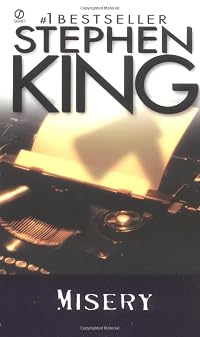
Misery
by Stephen King
On This Page
Description
Paul Sheldon. He's a bestselling novelist who has finally met his biggest fan. Her name is Annie Wilkes and she is more than a rabid reader—she is Paul's nurse, tending his shattered body after an automobile accident. But she is also his captor, keeping him prisoner in her isolated house.Now Annie wants Paul to write his greatest work—just for her. She has a lot of ways to spur him on. One is a needle. Another is an ax. And if they don't work, she can get really nasty.
.
Tags
Recommendations

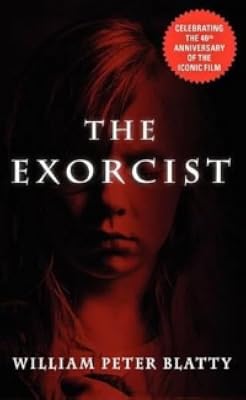
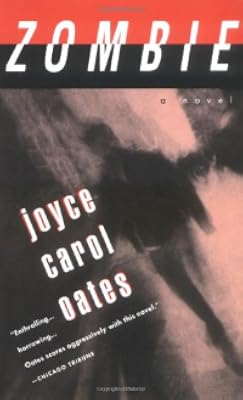
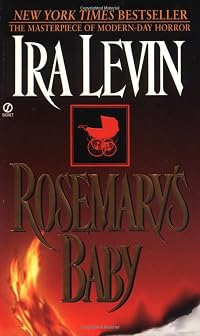
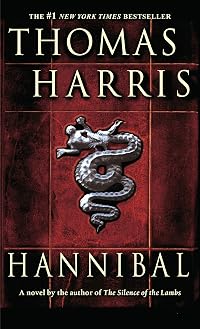
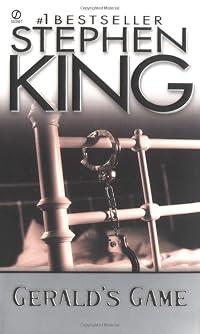
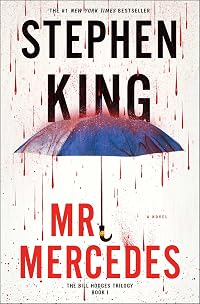
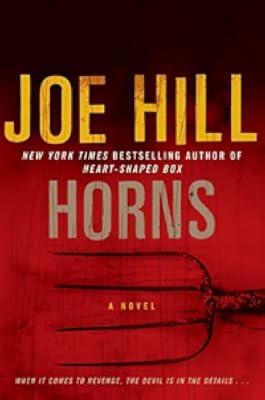

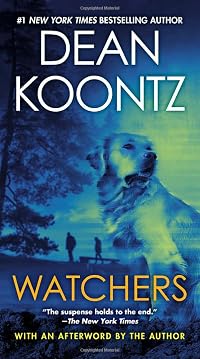


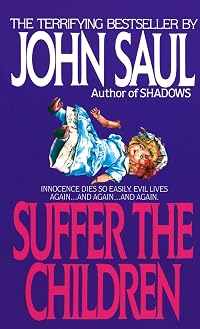
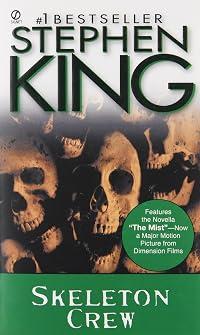
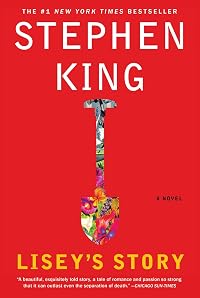
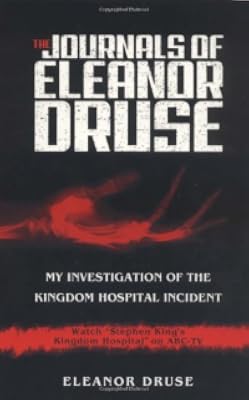


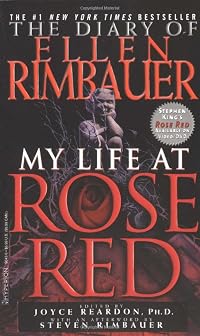

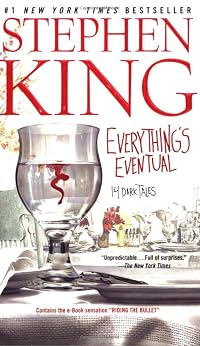
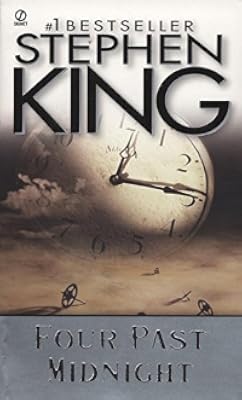
Member Recommendations
SomeGuyInVirginia Strange menace genre; isolation.
20
arielstjohn psychological captivity
arielstjohn confined survivor story
Member Reviews
This book is proof that horror is much more effectivewhen you do not have otherworldly monsters roaming around. What human mind can conceive can truly be horrendous.
We follow Paul Sheldon, successful novel writer, as he survives heavy accident in the snowy mountains only to be saved by Annie Wilkes, hermit nurse living in the wilderness. She is Paul's "greatest living fan" and she saves him ..... for a reason.
We follow Paul as he experiences terrifying torture at the hands of Annie as he tries to figure out what is going on. We follow him as he tries to wake from limbo like state, unable to determine what is real or not. His suffering is horrible - from excruciating pain, overdosing with the narcotics [and retrieval symptoms] to body show more mutilations inflicted by Annie for being bad, bad ... very bad. But all of these physical attacks are nothing compared to the mental breakdown Paul is going through.
We see how Annie systematically destroys his mind that he finally finds himself in the subservient role - forever target of Annie's irrational bursts of anger where she "teaches" Paul one of her depraved life lessons - one that enables him to find a niche to survive this nightmarish situation - writing a dedicated novel to Annie with hope (beyond hope) that he will survive. He gets so terrified of what Annie can do that he decides not to fight back at all, to stop even trying to escape because of that crucial, defeating "what if I fail". Being completely broken Paul will finally strike at Annie but only because he knows everything has come to an end so what actually is there to lose. But even his last act ends in the way it ends due to sheer luck.
And in this systematic breaking of ones spirit, forcing the person to live constantly in fear, never knowing what next day will bring out, under constant duress that forces one to forego will to live normal life lies the true horror of this story. Annie's destruction of Paul is complete, so complete that at the end he can do nothing else but continue writing, hiding in the hole-in-the-paper from where he can observe adventures of his characters. But always in the background Annie lurks, Annie with the punishment for the bad bad Paul.
Both characters are excellently portrayed. Entire book is based on interaction of torturer and her victim but story is constructed in such a great way that you don't get bored for a second.
This psychological violence cannot but bring the parallels with the current situation worldwide. Is it not that media acts as Annie, leaving us for the few days to live normally before screaming at us with horrifying statistics and news ("nothing will ever be normal again", 'people will die in troves", "latest news indicate that in a few years new event will happen, WORSE THAN NOW" etc etc) not unlike Annie wielding the axe and beating the Paul or mutilating him? We live in constant fear (even if not entire populace huge chunk of it unfortunately does) and constantly we are being told "this will not end .... . never will it end .... doomed, doomed, dooomed" in a way unlike Annie's ravings during her bad days. I just hope we as a society will have at least half of mental stamina possessed by Paul (which is actually .... funny and sad at the same time).
True horror novel. Lean and mean, not one excessive chapter in this book. Stephen King at his best. Unfortunately for people living in early 21st century I do not think it will be as shocking as for the readers when book was published (mid-1980's if I am not wrong) because we have Annies terrorizing us through the screens and radio and unfortunately we show no initiative to prevent this from going on but accept to live in constant fear and the dark world of humiliated and deprived humanity. show less
We follow Paul Sheldon, successful novel writer, as he survives heavy accident in the snowy mountains only to be saved by Annie Wilkes, hermit nurse living in the wilderness. She is Paul's "greatest living fan" and she saves him ..... for a reason.
We follow Paul as he experiences terrifying torture at the hands of Annie as he tries to figure out what is going on. We follow him as he tries to wake from limbo like state, unable to determine what is real or not. His suffering is horrible - from excruciating pain, overdosing with the narcotics [and retrieval symptoms] to body show more mutilations inflicted by Annie for being bad, bad ... very bad. But all of these physical attacks are nothing compared to the mental breakdown Paul is going through.
We see how Annie systematically destroys his mind that he finally finds himself in the subservient role - forever target of Annie's irrational bursts of anger where she "teaches" Paul one of her depraved life lessons - one that enables him to find a niche to survive this nightmarish situation - writing a dedicated novel to Annie with hope (beyond hope) that he will survive. He gets so terrified of what Annie can do that he decides not to fight back at all, to stop even trying to escape because of that crucial, defeating "what if I fail". Being completely broken Paul will finally strike at Annie but only because he knows everything has come to an end so what actually is there to lose. But even his last act ends in the way it ends due to sheer luck.
And in this systematic breaking of ones spirit, forcing the person to live constantly in fear, never knowing what next day will bring out, under constant duress that forces one to forego will to live normal life lies the true horror of this story. Annie's destruction of Paul is complete, so complete that at the end he can do nothing else but continue writing, hiding in the hole-in-the-paper from where he can observe adventures of his characters. But always in the background Annie lurks, Annie with the punishment for the bad bad Paul.
Both characters are excellently portrayed. Entire book is based on interaction of torturer and her victim but story is constructed in such a great way that you don't get bored for a second.
This psychological violence cannot but bring the parallels with the current situation worldwide. Is it not that media acts as Annie, leaving us for the few days to live normally before screaming at us with horrifying statistics and news ("nothing will ever be normal again", 'people will die in troves", "latest news indicate that in a few years new event will happen, WORSE THAN NOW" etc etc) not unlike Annie wielding the axe and beating the Paul or mutilating him? We live in constant fear (even if not entire populace huge chunk of it unfortunately does) and constantly we are being told "this will not end .... . never will it end .... doomed, doomed, dooomed" in a way unlike Annie's ravings during her bad days. I just hope we as a society will have at least half of mental stamina possessed by Paul (which is actually .... funny and sad at the same time).
True horror novel. Lean and mean, not one excessive chapter in this book. Stephen King at his best. Unfortunately for people living in early 21st century I do not think it will be as shocking as for the readers when book was published (mid-1980's if I am not wrong) because we have Annies terrorizing us through the screens and radio and unfortunately we show no initiative to prevent this from going on but accept to live in constant fear and the dark world of humiliated and deprived humanity. show less
Reading Misery was a rollercoaster of cringing and discomfort. It is an amazingly well-written book. The pace is slow, but that only adds to the tension. The writing is deliberate and careful. The blurb on the cover says this is King at his best, and I'm inclined to agree. There's no unnecessary detail and idle chatter - every object in this story, every word spoken is agonizingly deliberate. Everything adds to the possibilities. Everything adds to the tension. It's fantastic.
Paul Sheldon is kidnapped by his Number One Fan, Annie Wilkes, who both nurses him back to health and breaks him more. She forces him to resurrect her favorite book character and write her a sequel. The story is Paul's only escape and he walks a tightrope of trying show more to please her so she won't hurt him, and trying to plot an escape. Because of his imagination, Paul is a slightly unreliable narrator. He makes you doubt the horrifying realities and keep flipping pages, hoping that the unspeakable hadn't really happened.
This was a book I couldn't put down. I didn't enjoy it in usual sense - but I did enjoy it for the way it wrapped me up. It's an incredible psychological thriller, and should be read by any fan of King's work or the genre. show less
Paul Sheldon is kidnapped by his Number One Fan, Annie Wilkes, who both nurses him back to health and breaks him more. She forces him to resurrect her favorite book character and write her a sequel. The story is Paul's only escape and he walks a tightrope of trying show more to please her so she won't hurt him, and trying to plot an escape. Because of his imagination, Paul is a slightly unreliable narrator. He makes you doubt the horrifying realities and keep flipping pages, hoping that the unspeakable hadn't really happened.
This was a book I couldn't put down. I didn't enjoy it in usual sense - but I did enjoy it for the way it wrapped me up. It's an incredible psychological thriller, and should be read by any fan of King's work or the genre. show less
Misery is a book that I've read many times since I was a teenager. My paperback copy is so ragged that I'm afraid it's going to fall to pieces soon, so I ended up buying a kindle copy for this read.
I love so much of this book. How Paul's writing process is described, as a hole opening in the paper that he can see the story through. How Paul's pain is described, as pilings at the beach that are always there, but pain medication is the tide that can cover them for a time. How Paul's imagination and memories are interwoven with his present. Paul's dependence on and hatred for Annie, and Annie's changeable moods and her strange love/hate for Paul. It's really a great book, and this is one of those times when the movie based on it is show more amazing, too.
A warning though, Misery was written in the 1980's and, like many books from that time, it has a few unseemly and uncomfortable parts. show less
I love so much of this book. How Paul's writing process is described, as a hole opening in the paper that he can see the story through. How Paul's pain is described, as pilings at the beach that are always there, but pain medication is the tide that can cover them for a time. How Paul's imagination and memories are interwoven with his present. Paul's dependence on and hatred for Annie, and Annie's changeable moods and her strange love/hate for Paul. It's really a great book, and this is one of those times when the movie based on it is show more amazing, too.
A warning though, Misery was written in the 1980's and, like many books from that time, it has a few unseemly and uncomfortable parts. show less
"Good Christ." (pg. 358)
I've long grappled with the question of the worth of Stephen King, and those usual conflicts – is it story, or junk? Is a Big Mac meat? Does it have protein like they say? – returned in Misery. I should have enjoyed the book more, because my usual misgivings about King were not present. His usually gamey prose was sharper, he did not go into his usual random 'hey, buddy' digressions which a less successful writer would have cut by an editor, and he stayed away from the dorkier supernaturalisms that he often writes. Don't get me wrong, Misery still feels like Stephen King (the first line is 'umber whunnnn yerrrnnn umber whunnnn fayunnnn') but it's a sharper, focused King – the born storyteller, delivering a show more psychological thriller with two main characters who come alive. So why did I begin to feel unhappy, a bit queasy?
To those who have read the book, it might seem obvious why I would become 'queasy'. Without giving away any spoilers, the book takes a turn, at a crucial point, away from its compelling psychological suspense and into hyperviolence and the cheaper, pulpier vein of horror. I like to think I have a strong stomach for depravity in fiction, even if it's not my thing, so I was a bit surprised that I began to feel more negatively about the book at this point. The shift in events made sense for the story. It was all well-written (although I felt the ending was weak). There is, bracingly, never anywhere to hide when King's at the wheel. So why the unhappiness?
I think it's because the sour, sullen feeling gets to the root of why I have this immovable love-hate (or, more accurately, like-hate) relationship with King's books. Until this crucial moment in Misery, the bottle-episode, character-driven, slightly metatextual masterclass in suspense writing was almost rising above itself. It felt Hitchcockian, like Rear Window. It almost – as strange as it is to say for King – felt classy.
The book has, in Annie Wilkes, a truly vivid villain; one of the best I've read. "Not all her gear was stowed right; lots of it was rolling around in the holds" (pg. 33), and you can really feel the tension, the danger of her. Consequently, you focus on every eye twitch, every shift in tone as she speaks, just like her captive Paul does. Similarly, Paul, the writer imprisoned by his 'number one fan', is brought to life by King; it's obviously harder to do than the depraved Annie, but King captures not only the sadism of writing and writer's block (the typewriter "grinned resplendently at him with its missing tooth" (pg. 75)), but Paul's mental degeneration. Part of the reason the horrific turns in the story have their effect on the reader is because King has written them so well.
But part of it may also be something else. I know this may come across as a rather wanky thing to say, but there's something almost bourgeois about King's fetishization of violence, like there's a certain kind of audience who like such vivid and depraved incidences of violence because it's the only safe way to indulge. Bear-baiting and public hangings of the riff-raff are illegal nowadays. Circus freaks are unfashionable. You've already recorded that poverty porn on Channel 4, and wife-swapping is only on at Geoff's house on Thursday nights. So read your Stephen King to titillate you.
Misery changes – in retrospect, with a sense of inevitability – from a sharp psychological thriller into something of a video nasty. Many readers will like this plunge into shallow violence, but it's not for me, even if I find it silly to clutch pearls about it. It seems King, for all his talent, can't help but go low. The strange thing is that many will see it as heroism that he has gone there. There's a sort of sanitised image of King nowadays – borne of his phenomenal success and equally phenomenal work-rate – that seems a bit off-kilter with the content of his stories, which is often indulgent body horror, subverted Americana and teenage rape fantasies. I suppose my lingering dissatisfaction with King comes from bewilderment that people can knit all that together into a man of American letters, even taking into account King's impressive ability to draw you into a story.
Perhaps it's the case that only the writers who are capable of going high can go so low. Even so, it's not so much that you feel like King's wasting his gift. Some writers can go to places you don't want them to go and they bring back something of worth (Nabokov in Lolita, for example), and other writers seem to go there just to find somewhere quiet where they can pull the wings off flies. King seems like he's doing what he's born to do.
It's like a McDonald's has just opened up at the end of the street. You want to eat healthily, but the McDonald's is right there, and the smell of greasy chicken and chip fat is wafting in on the breeze. It's not that you want it to go away, or that you want more willpower. Rather, it's that you wished McDonald's, and fast food in general, had never existed. Because you know you'll always gorge on it much more readily than you ever would a more refined meal. And you hate yourself for that, not them. So it is with King. You read him with greater ease than you would a much better author. Misery becomes something equivalent to a hate-watch; it pulls you in, despite yourself. It makes you feel sick, makes you feel shabby compulsion and, yes, misery too. And I'm still not sure that's a good thing. show less
I've long grappled with the question of the worth of Stephen King, and those usual conflicts – is it story, or junk? Is a Big Mac meat? Does it have protein like they say? – returned in Misery. I should have enjoyed the book more, because my usual misgivings about King were not present. His usually gamey prose was sharper, he did not go into his usual random 'hey, buddy' digressions which a less successful writer would have cut by an editor, and he stayed away from the dorkier supernaturalisms that he often writes. Don't get me wrong, Misery still feels like Stephen King (the first line is 'umber whunnnn yerrrnnn umber whunnnn fayunnnn') but it's a sharper, focused King – the born storyteller, delivering a show more psychological thriller with two main characters who come alive. So why did I begin to feel unhappy, a bit queasy?
To those who have read the book, it might seem obvious why I would become 'queasy'. Without giving away any spoilers, the book takes a turn, at a crucial point, away from its compelling psychological suspense and into hyperviolence and the cheaper, pulpier vein of horror. I like to think I have a strong stomach for depravity in fiction, even if it's not my thing, so I was a bit surprised that I began to feel more negatively about the book at this point. The shift in events made sense for the story. It was all well-written (although I felt the ending was weak). There is, bracingly, never anywhere to hide when King's at the wheel. So why the unhappiness?
I think it's because the sour, sullen feeling gets to the root of why I have this immovable love-hate (or, more accurately, like-hate) relationship with King's books. Until this crucial moment in Misery, the bottle-episode, character-driven, slightly metatextual masterclass in suspense writing was almost rising above itself. It felt Hitchcockian, like Rear Window. It almost – as strange as it is to say for King – felt classy.
The book has, in Annie Wilkes, a truly vivid villain; one of the best I've read. "Not all her gear was stowed right; lots of it was rolling around in the holds" (pg. 33), and you can really feel the tension, the danger of her. Consequently, you focus on every eye twitch, every shift in tone as she speaks, just like her captive Paul does. Similarly, Paul, the writer imprisoned by his 'number one fan', is brought to life by King; it's obviously harder to do than the depraved Annie, but King captures not only the sadism of writing and writer's block (the typewriter "grinned resplendently at him with its missing tooth" (pg. 75)), but Paul's mental degeneration. Part of the reason the horrific turns in the story have their effect on the reader is because King has written them so well.
But part of it may also be something else. I know this may come across as a rather wanky thing to say, but there's something almost bourgeois about King's fetishization of violence, like there's a certain kind of audience who like such vivid and depraved incidences of violence because it's the only safe way to indulge. Bear-baiting and public hangings of the riff-raff are illegal nowadays. Circus freaks are unfashionable. You've already recorded that poverty porn on Channel 4, and wife-swapping is only on at Geoff's house on Thursday nights. So read your Stephen King to titillate you.
Misery changes – in retrospect, with a sense of inevitability – from a sharp psychological thriller into something of a video nasty. Many readers will like this plunge into shallow violence, but it's not for me, even if I find it silly to clutch pearls about it. It seems King, for all his talent, can't help but go low. The strange thing is that many will see it as heroism that he has gone there. There's a sort of sanitised image of King nowadays – borne of his phenomenal success and equally phenomenal work-rate – that seems a bit off-kilter with the content of his stories, which is often indulgent body horror, subverted Americana and teenage rape fantasies. I suppose my lingering dissatisfaction with King comes from bewilderment that people can knit all that together into a man of American letters, even taking into account King's impressive ability to draw you into a story.
Perhaps it's the case that only the writers who are capable of going high can go so low. Even so, it's not so much that you feel like King's wasting his gift. Some writers can go to places you don't want them to go and they bring back something of worth (Nabokov in Lolita, for example), and other writers seem to go there just to find somewhere quiet where they can pull the wings off flies. King seems like he's doing what he's born to do.
It's like a McDonald's has just opened up at the end of the street. You want to eat healthily, but the McDonald's is right there, and the smell of greasy chicken and chip fat is wafting in on the breeze. It's not that you want it to go away, or that you want more willpower. Rather, it's that you wished McDonald's, and fast food in general, had never existed. Because you know you'll always gorge on it much more readily than you ever would a more refined meal. And you hate yourself for that, not them. So it is with King. You read him with greater ease than you would a much better author. Misery becomes something equivalent to a hate-watch; it pulls you in, despite yourself. It makes you feel sick, makes you feel shabby compulsion and, yes, misery too. And I'm still not sure that's a good thing. show less
Este libro no trata sólo de la historia cruenta de un autor secuestrado por su fan. Este libro es una autobiografía del proceso creativo. Este libro demuestra que escritor se nace. Se nace escritor como nace un solo de saxo en el Bebop, como cuando nace una erección. La narrativa es un amor que puede ser alimentado para que se vuelva inevitable sobre todo si tenés la valentía de soportar el fuego de la creación, como si te enfrentases a un caso Combustión Humana Espontánea cada vez que te sentás a crear historias.
Este libro deja claro por qué para dedicarse al oficio de escribir no basta con poner en la información de facebook "trabaja en: escritor".
Este libro deja claro por qué para dedicarse al oficio de escribir no basta con poner en la información de facebook "trabaja en: escritor".
I've never read this before, despite being a long-time Stephen King fan. I'm glad I finally did, because it was one of his best, in my opinion.
Very well-crafted, complex, gruesome & clever psychological horror. It had me alternately cringing, laughing, and on the edge of my seat (it's true. Ask my boyfriend, who had to sit through much of this, and who didn't miss the chance to mock me for my frequent snorts of amusement.)
5/5. Even though I am, for all intents and purposes, a cockadoodie brat.
Very well-crafted, complex, gruesome & clever psychological horror. It had me alternately cringing, laughing, and on the edge of my seat (it's true. Ask my boyfriend, who had to sit through much of this, and who didn't miss the chance to mock me for my frequent snorts of amusement.)
5/5. Even though I am, for all intents and purposes, a cockadoodie brat.
My God, what a ride.
As usual, it's been thirty years since I last read this novel, and, in the intervening years, somehow the James Caan/Kathy Bates movie subplanted the novel in my psyche.
To the point where I forgot just how excruciating this novel is. It's painful, and Annie is surely one of King's greatest creations, and Paul one of his most tragic.
But once again, here's a novel that anyone can point to when the "Stephen King is a hack" arguments come up. His handling of these two characters, their interplay, their growing relationship...all of it is simply masterful.
How do I know? Because there's two points, both toward the end of the novel, that could both have been the weakest plot points. One is Annie realizing--and flat out show more stating--that she should kill Paul, but she wants to read the end of that novel he's writing for her. The other is Paul passing up a sure escape when the "David and Goliath" troopers show up because he has his own vengeance in mind by then.
In the hands of the majority of writers--and I don't care how good they are--neither scene could have been pulled off believably. Hell, there was a point where I actually thought, no, this is the part where I say this is stupid, but I couldn't, because it wasn't. He had so cleanly brought these two into a symbiotic relationship of pain and need, that it was the only way the plot could go.
That, my friends, is the joy of watching a master at work.
And once again, and to my mind, even more blatantly this time, we also see a tortured writer both ruminating on the particularly strange magic and art that goes into writing something that is not just good, but wonderful. And I'm not talking the Paul Sheldon character here, I'm talking the subconscious Stephen King character hiding just below the surface of this story.
It's the story of a man who's excesses and substance abuse issues landed him in a messy situation, and he finds himself both hooked on the hard stuff now and, later on, hobbled so he can't escape it. Yet, he still needs to get that next book out, under increasingly horrific conditions. This is a fairly transparent cry out from a brilliant author with a King Kong-sized monkey on his back.
The interesting thing is, King has stated that his original ending to this novel was for Annie to feed him to her pig, Misery, but through the course of the writing, Sheldon proved to be tougher to kill and more wily than King anticipated. Instead, King creates a scenario where Sheldon manages to use his typewriter as the key to his release. I think, to a point, King might have later surprised himself as well with his willingness to survive, and I think, aside from his family, it just may have been his typewriter that kept him going.
Once again, I approached a book that I knew was good, only to come out the other side completely awestruck at how great it was.
I think my top five list of Stephen King books in now numbering about nine. show less
As usual, it's been thirty years since I last read this novel, and, in the intervening years, somehow the James Caan/Kathy Bates movie subplanted the novel in my psyche.
To the point where I forgot just how excruciating this novel is. It's painful, and Annie is surely one of King's greatest creations, and Paul one of his most tragic.
But once again, here's a novel that anyone can point to when the "Stephen King is a hack" arguments come up. His handling of these two characters, their interplay, their growing relationship...all of it is simply masterful.
How do I know? Because there's two points, both toward the end of the novel, that could both have been the weakest plot points. One is Annie realizing--and flat out show more stating--that she should kill Paul, but she wants to read the end of that novel he's writing for her. The other is Paul passing up a sure escape when the "David and Goliath" troopers show up because he has his own vengeance in mind by then.
In the hands of the majority of writers--and I don't care how good they are--neither scene could have been pulled off believably. Hell, there was a point where I actually thought, no, this is the part where I say this is stupid, but I couldn't, because it wasn't. He had so cleanly brought these two into a symbiotic relationship of pain and need, that it was the only way the plot could go.
That, my friends, is the joy of watching a master at work.
And once again, and to my mind, even more blatantly this time, we also see a tortured writer both ruminating on the particularly strange magic and art that goes into writing something that is not just good, but wonderful. And I'm not talking the Paul Sheldon character here, I'm talking the subconscious Stephen King character hiding just below the surface of this story.
It's the story of a man who's excesses and substance abuse issues landed him in a messy situation, and he finds himself both hooked on the hard stuff now and, later on, hobbled so he can't escape it. Yet, he still needs to get that next book out, under increasingly horrific conditions. This is a fairly transparent cry out from a brilliant author with a King Kong-sized monkey on his back.
The interesting thing is, King has stated that his original ending to this novel was for Annie to feed him to her pig, Misery, but through the course of the writing, Sheldon proved to be tougher to kill and more wily than King anticipated. Instead, King creates a scenario where Sheldon manages to use his typewriter as the key to his release. I think, to a point, King might have later surprised himself as well with his willingness to survive, and I think, aside from his family, it just may have been his typewriter that kept him going.
Once again, I approached a book that I knew was good, only to come out the other side completely awestruck at how great it was.
I think my top five list of Stephen King books in now numbering about nine. show less
Members
- Recently Added By
Lists

The Guardian's 1000 Novels Everyone Must Read
1,005 works; 549 members

Best Horror Books
281 works; 85 members

1001 Books You Must Read Before You Die
1,448 works; 1,137 members

Read the book and saw the movie
1,170 works; 195 members

Scary Stories for the Season
160 works; 94 members
Top 5 Books by Stephen King
27 works; 18 members

Books That Will Keep You on the Edge of Your Seat
73 works; 20 members

100 Mysteries and Thrillers to Read in a Lifetime
99 works; 22 members
Stephen King Bibliography
77 works; 3 members

To Read - Horror
137 works; 14 members

Page Turners
185 works; 11 members

Jones and Newman's Horror: Another 100 Best Books
100 works; 7 members

Writers as Characters in Fiction
120 works; 19 members

Best Horror Mega-List
342 works; 6 members

Winter Books
127 works; 17 members
Books That Go Bump in the Night
42 works; 6 members

Bram Stoker Award
238 works; 5 members
Retrospective of Horror and Thrillers
21 works; 2 members

Stephen King books
81 works; 1 member

The Modern Library (The Two Hundred Best Novels....
202 works; 1 member

Jones & Newman: Best Horror Books Further Recommended Reading
577 works; 4 members

Horror: Page & Screen
27 works; 3 members
Kate & Cheyanne's Horror Extravaganza
144 works; 6 members
The Complete Rory Gilmore Reading List
506 works; 5 members
Book Recommendations Masterlist
28 works; 1 member

READ 2025
190 works; 1 member

Up Next
4 works; 1 member

General TBR
2 works; 1 member

Sinister AudioTales
65 works; 1 member

Books Read in 2024
4,727 works; 128 members

Eerie eTales
192 works; 3 members

Novels Published in 1987
81 works; 19 members

Novels/Poems/Short Stories/Anything Storytelling Related
112 works; 2 members
TML 200 Best Books 1950-1999
202 works; 10 members

Adaptations of Works by Stephen King
59 works; 1 member
Horror Read
10 works; 2 members

Books Tagged Abuse
152 works; 4 members
Literature which inspired Pop songs
85 works; 9 members

American Lit for Eng 11 Research Project
368 works; 6 members
Best Book and Movie Combos
70 works; 11 members
Best Books of the 20th Century
193 works; 5 members
Books to Reread Someday
53 works; 7 members

Story Within a Story
65 works; 17 members

1980s
356 works; 23 members
Best Contemporary Literary Fiction (Around the Last 30 Years)
400 works; 124 members
Favourite Books
1,820 works; 316 members

Unread books
1,063 works; 83 members
501 Must-Read Books
529 works; 72 members
Talk Discussions
Past Discussions
Misery Stephen King in Folio Society Devotees (September 2023)
Author Information

Stephen King was born in Portland, Maine, on September 21, 1947. After graduating with a Bachelor's degree in English from the University of Maine at Orono in 1970, he became a teacher. His spare time was spent writing short stories and novels. King's first novel would never have been published if not for his wife. She removed the first few show more chapters from the garbage after King had thrown them away in frustration. Three months later, he received a $2,500 advance from Doubleday Publishing for the book that went on to sell a modest 13,000 hardcover copies. That book, Carrie, was about a girl with telekinetic powers who is tormented by bullies at school. She uses her power, in turn, to torment and eventually destroy her mean-spirited classmates. When United Artists released the film version in 1976, it was a critical and commercial success. The paperback version of the book, released after the movie, went on to sell more than two-and-a-half million copies. Many of King's other horror novels have been adapted into movies, including The Shining, Firestarter, Pet Semetary, Cujo, Misery, The Stand, and The Tommyknockers. Under the pseudonym Richard Bachman, King has written the books The Running Man, The Regulators, Thinner, The Long Walk, Roadwork, Rage, and It. He is number 2 on the Hollywood Reporter's '25 Most Powerful Authors' 2016 list. King is one of the world's most successful writers, with more than 100 million copies of his works in print. Many of his books have been translated into foreign languages, and he writes new books at a rate of about one per year. In 2003, he received the National Book Foundation Medal for Distinguished Contribution to American Letters. In 2012 his title, The Wind Through the Keyhole made The New York Times Best Seller List. King's title's Mr. Mercedes and Revival made The New York Times Best Seller List in 2014. He won the Edgar Allan Poe Award in 2015 for Best Novel with Mr. Mercedes. King's title Finders Keepers made the New York Times bestseller list in 2015. Sleeping Beauties is his latest 2017 New York Times bestseller. (Bowker Author Biography) Stephen King is the author of more than thirty books, all of them worldwide bestsellers. Among his most recent are "Hearts in Atlantis", "The Girl Who Loved Tom Gordon", "Bag of Bones", & "The Green Mile". "On Writing" is his first book of nonfiction since "Danse Macabre", published in 1981. He served as a judge for Prize Stories: The Best of 1999, The O. Henry Awards. He lives in Bangor, Maine with his wife, novelist Tabitha King. King's book, The Bazaar of Bad Dreams: Stories, made the 2015 New York Times bestseller list. (Publisher Provided) show less
All Editions
Some Editions
Awards and Honors
Series
Belongs to Publisher Series
Work Relationships
Is contained in
Has the adaptation
Is abridged in
Common Knowledge
- Canonical title
- Misery
- Original title
- Misery
- Original publication date
- 1987-06-08
- People/Characters
- Annie Wilkes; Paul Sheldon; Misery Chastain; Glenna Roberts; Duane Kushner; Charlie Merrill
- Important places
- Sidewinder, Colorado, USA; New York, New York, USA; Boulder, Colorado, USA
- Related movies
- Misery (1990 | IMDb)
- Epigraph
- When you look into the abyss, the abyss also looks into you.
— Friedrich Nietzsche
Writing does not cause misery, it is born of misery.
— Montaigne
It's no good. I've been trying to sleep for the last half-hour, and I can't. Writing here is a sort of drug. It's the only thing I look forward to. This afternoon I read what I wrote. . . . And it seemed vivid. I know... (show all) it seems vivid because my imagination fills in all the bits another person wouldn't understand. I mean, it's vanity. But it seems a sort of magic. . . . And I just can't live in this resent. I would go mad if I did.
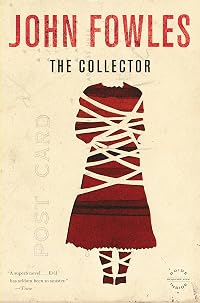
— John Fowles
The Collector
"You will be visited by a tall, dark stranger," the gipsy woman told Misery, and Misery, startled, realized two things at once: this was no gipsy, and the two of them were no longer alone in the tent. She could smell Gwen... (show all)dolyn Chastain's perfume in the moment before the madwoman's hands closed around her throat.
"In fact," the gipsy who was not a gipsy observed, "I think she is here now."
Misery tried to scream, but she could no longer even breathe.
— Misery's Child
"It always look data way, Boss Ian," Hezekia said, "No matter how you look at her, she seem like she be lookin' at you. I doan know if it be true, but the Bourkas, dey say even when you get behin' her, the godess, she see... (show all)m to be lookin' at you."
"But she is, after all, only a piece of stone, Ian remonstrated.
"Yes, Boss Ian," Hezekia agreed. "Dat what give her powah.
— Misery's Return - Dedication
- This is for Stephanie and Jim Leonard, who know why. Boy, do they.
- First words
- umber whunn
yerrnnn umber whunnnn
fayunnn
These sounds: even in the haze. - Quotations
- "I'm your number-one fan!"
Then he would look at the blank screen of his word processor for awhile. What fun. Paul Sheldon's fifteen-thousand-dollar paperweight. - Last words
- (Click to show. Warning: May contain spoilers.)Now my tale is told.
- Original language
- English
- Canonical DDC/MDS
- 813.087385; 813.54
- Canonical LCC
- PS3561.I483
Classifications
Statistics
- Members
- 18,295
- Popularity
- 346
- Reviews
- 242
- Rating
- (4.00)
- Languages
- 27 — Arabic, Chinese, Czech, Danish, Dutch, English, Estonian, Finnish, French, German, Greek, Hebrew, Hungarian, Italian, Japanese, Lithuanian, Norwegian (Bokmål), Polish, Portuguese, Romanian, Russian, Slovak, Spanish, Swedish, Turkish, Ukrainian, Vietnamese
- Media
- Paper, Audiobook, Ebook
- ISBNs
- 201
- UPCs
- 2
- ASINs
- 61