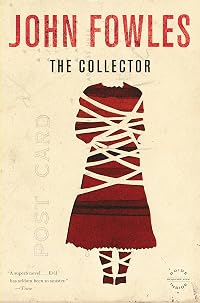
The Collector
by John Fowles
On This Page
Description
Withdrawn, uneducated and unloved, Frederick collects butterflies and takes photographs. He is obsessed with a beautiful stranger, the art student Miranda. When he wins a betting pool, he buys a remote Sussex house and calmly abducts Miranda, believing she will grow to love him in time. Alone and desperate, Miranda must struggle to overcome her own prejudices and contempt if she is understand her captor, and so gain her freedom.Tags
Recommendations

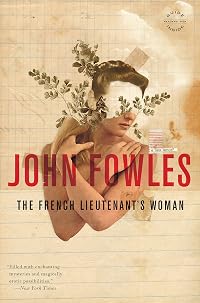

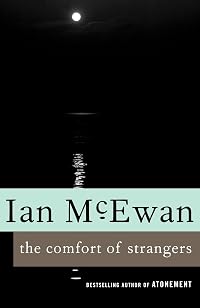
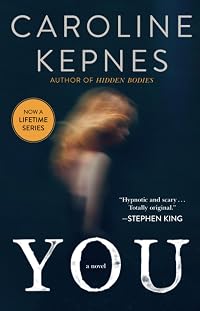
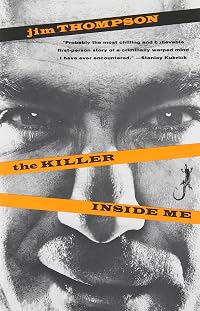

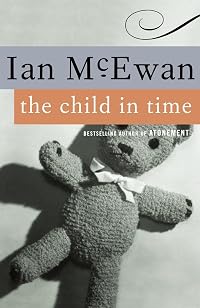
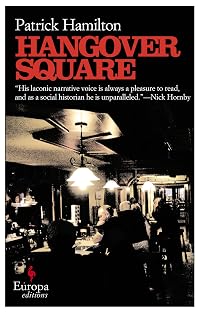
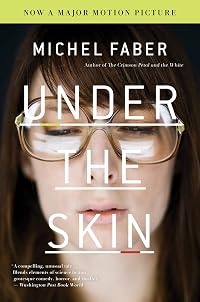

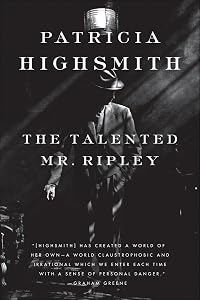
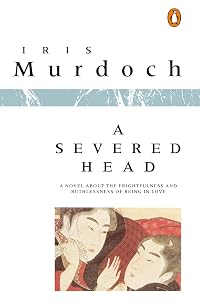

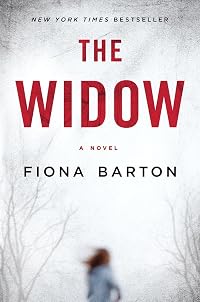
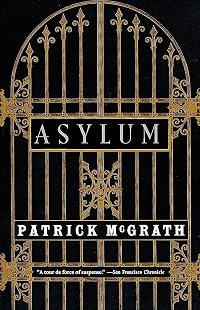
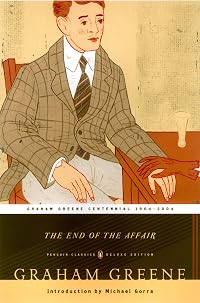
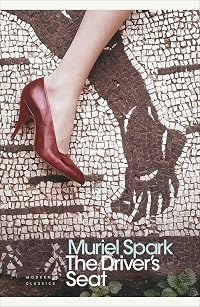

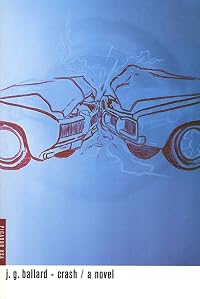

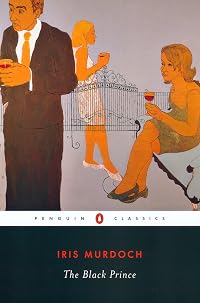

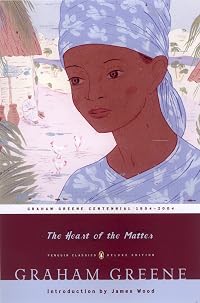
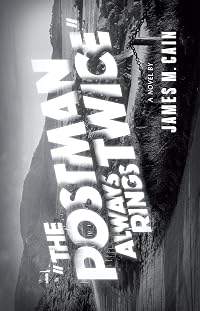
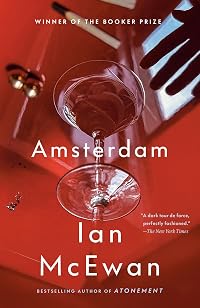
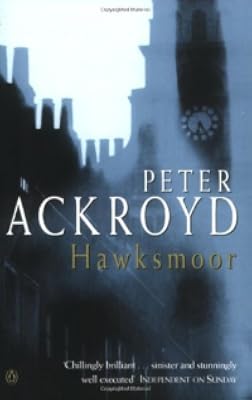
Member Recommendations




by bastah
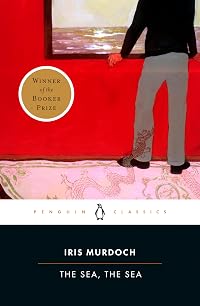
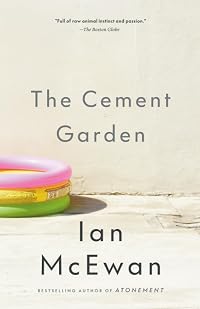
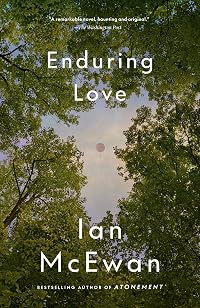
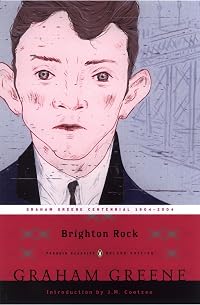
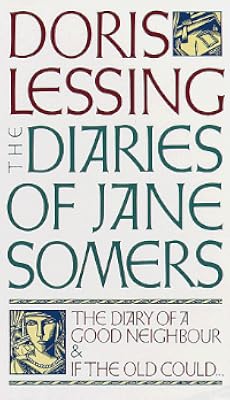
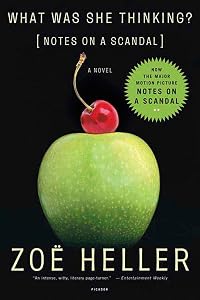
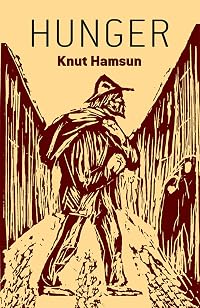
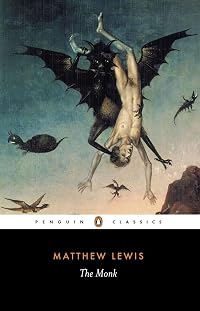
whimsicalkitten While only a very small portion of Dying to Please describes the relationship between the obsessed abductor and his victim, that part did remind me of The Collector, although much more heavy handed and less elegant than John Fowles' work
11

ljbwell 1st person narration and disturbing psychological studies.
MattMc3 Specifically, the novella "Right to Life" in the book "Old Flames"
Member Reviews
Another book that I’ve had for a while, but sort of dreaded reading. Lately fictional psychopaths, in all their evil forms, are less and less appealing. Knowing that part of The Collector is told in first person by the abductor is what put me off. But then the mood struck and I picked it up and pretty much read it in a day. It reminds me very much of Ruth Rendell’s early work; she got into the minds of her psychos, too. I wonder how much of an influence this book was on her, it’s that similar.
Frederick is the title character and he’s quite the sicko although he maintains an attitude of moral superiority and insists that inflicting his presence on a girl by force, she will somehow, magically begin to see his good side and fall show more hopelessly in love with him. He justifies his actions continually, knowing it’s wrong, but somehow insisting that the rules don’t apply to him and what he’s doing isn’t really that bad. She’s got heat, a bed, clothes, food, art books, everything she could want. There is no sex in the picture either which should make her grateful shouldn’t it? And eerily, Miranda’s own fantasies about her erstwhile “mentor” are nearly the same. They both dream of some platonic ideal with flowers, good meals, beautiful clothes and making friends and neighbors jealous with their perfection.
Contrasting his narrative is Miranda’s - his captive. While on the surface there isn’t much similarity, as the story progressed I picked some out. Both arrange themselves into us and them categories. He insists he’s better than the average person, smarter and with purer intentions, all the while resisting appearing too upper class and as he says ‘la di da’. It’s pretty hilarious actually, once you get beyond the horror of what he’s done to her. Miranda divides into the New People and The Few. The Few are the ones who effortlessly understand how to disconnect from all that is stifling and uncultured. They understand art and that it is the most important thing ever. She even tries to convince him about the rightness of nuclear disarmament and how no one should have the H bomb. It’s pretty hilarious, however I thought Miranda’s voice to be plausible. Twenty is a difficult age in most eras, but in the early 1960s the youth of that time had a tendency to get really above themselves, thinking they knew all about culture and freedom and love. It’s the time when we think we know everything and easily fall under the spell of anyone we hope to emulate; the crush, it hit her hard with G.P. Then there was the whole Catcher in the Rye thing; of course she’d sanction Holden while Frederick rolled his eyes.
In the end though, it’s all about mastered and master, prison and prisoner, but it’s not that clear cut. Frederick is imprisoned by his desires, mastered by them. Her imprisonment and illness becomes his prison and he takes the only way out he can justify to himself. The tone won’t allow for a happy ending and a reader shouldn’t expect one. What we’re left with is lingering evil residing in the shadows, the edges, waiting to abduct another girl, and another and another with no end in sight. It’s quite chilling to think that he’ll only stop when he’s caught. No woman will ever fulfill his fantasies. He will always horrify them or be horrified by them when they do something fully natural, but outside his idea of acceptable behavior (Miranda’s attempted seduction for example). Every new captive will keep him trapped in his ideas of superiority and right, fixed to the spot by his crimes. Oh and look now, here she comes. show less
Frederick is the title character and he’s quite the sicko although he maintains an attitude of moral superiority and insists that inflicting his presence on a girl by force, she will somehow, magically begin to see his good side and fall show more hopelessly in love with him. He justifies his actions continually, knowing it’s wrong, but somehow insisting that the rules don’t apply to him and what he’s doing isn’t really that bad. She’s got heat, a bed, clothes, food, art books, everything she could want. There is no sex in the picture either which should make her grateful shouldn’t it? And eerily, Miranda’s own fantasies about her erstwhile “mentor” are nearly the same. They both dream of some platonic ideal with flowers, good meals, beautiful clothes and making friends and neighbors jealous with their perfection.
Contrasting his narrative is Miranda’s - his captive. While on the surface there isn’t much similarity, as the story progressed I picked some out. Both arrange themselves into us and them categories. He insists he’s better than the average person, smarter and with purer intentions, all the while resisting appearing too upper class and as he says ‘la di da’. It’s pretty hilarious actually, once you get beyond the horror of what he’s done to her. Miranda divides into the New People and The Few. The Few are the ones who effortlessly understand how to disconnect from all that is stifling and uncultured. They understand art and that it is the most important thing ever. She even tries to convince him about the rightness of nuclear disarmament and how no one should have the H bomb. It’s pretty hilarious, however I thought Miranda’s voice to be plausible. Twenty is a difficult age in most eras, but in the early 1960s the youth of that time had a tendency to get really above themselves, thinking they knew all about culture and freedom and love. It’s the time when we think we know everything and easily fall under the spell of anyone we hope to emulate; the crush, it hit her hard with G.P. Then there was the whole Catcher in the Rye thing; of course she’d sanction Holden while Frederick rolled his eyes.
In the end though, it’s all about mastered and master, prison and prisoner, but it’s not that clear cut. Frederick is imprisoned by his desires, mastered by them. Her imprisonment and illness becomes his prison and he takes the only way out he can justify to himself. The tone won’t allow for a happy ending and a reader shouldn’t expect one. What we’re left with is lingering evil residing in the shadows, the edges, waiting to abduct another girl, and another and another with no end in sight. It’s quite chilling to think that he’ll only stop when he’s caught. No woman will ever fulfill his fantasies. He will always horrify them or be horrified by them when they do something fully natural, but outside his idea of acceptable behavior (Miranda’s attempted seduction for example). Every new captive will keep him trapped in his ideas of superiority and right, fixed to the spot by his crimes. Oh and look now, here she comes. show less
A claustrophobic nightmare, elegantly written and scarcely diminished at all in impact by the passage of 50 years between its publication and my first read-through. For as understated as much of the work is, it packs as much punch as the countless examples of torture porn and splatter punk that characterize the genre today.
This is quite short and utterly terrifying. With immense skill, Fowles build up an oppressively claustrophobic atmosphere and a constant underlying sense of impending evil. It’s the story of Frederick Clegg, a solitary, inarticulate, socially awkward, and inhibited lower-middle-class clerk. His only hobbies are photography and collecting butterflies - the rarer and more beautiful the better. He becomes obsessed with a beautiful young art student called Miranda Grey and begins to stalk her. Frederick convinces himself that he is in love with her, but knows there is no point attempting to approach her as she is educated and upper-middle class. He begins to fantasise about ‘capturing’ her, like one of his exotic butterflies. If only show more she could get to know him, he thinks, she would begin to see the value in him. When he wins a fortune on the football pools he has a chance to enact his fantasy. He buys an isolated house in the country, kidnaps Miranda, and imprisons her in his cellar. The novel is in four sections. The first is Clegg’s first-person narrative. We then see the same events from Miranda’s point of view in a diary she keeps in captivity, which also includes memories of her earlier life, including a close friendship with an older male artist. The story is concluded by Frederick.
The Collector is all the more disturbing for its avoidance of the cliches typical of this genre/scenario. Clegg isn’t a serial killer, torturer, or rapist. He is, in fact, entirely well-intentioned. As Miranda herself says, he is what people call a nice young man. He has no desire to harm her and wants nothing from her - sex or money, for instance. He simply wants her to stay with him forever and reciprocate his feelings for her. His total lack of insight into himself, and empathy with others, renders him incapable of seeing that he has ‘fallen in love’ with an idealised image of Miranda, rather than the actual living and evolving person. He gradually becomes dissatisfied as he realises she is not perfect. It never occurs to him that her ‘perfection’ always existed entirely in his own imagination. All he can really offer her is death-in-life. She becomes a ‘specimen’ to be admired by Clegg in secrecy, just like his exquisite but dead butterflies. He regards her as his ‘guest’, not his prisoner, buys her presents - art books, classical records - and is genuinely offended and puzzled by her apparent ingratitude and refusal to love him. He will give Miranda anything she asks for; except, of course, her freedom.
The power dynamics between Frederick and Miranda are portrayed with great subtlety. She is his prisoner, but in many ways Miranda is in control. Clegg is deferential towards her, constantly seeking her permission and approval. In some ways he is more frightened of her than she is of him, always expecting her to attack him or try to escape. The only control he can exert over her is a physical one, while Miranda uses her intellect and education as weapons against him.
The characterisation is also complex. Frederick is extremely sinister and potentially lethally dangerous, yet not entirely unsympathetic. In his awful and warped way he is genuinely trying to establish a relationship with another human being. He is the product - the prisoner, one might say - of social and environmental forces beyond his control. Similarly, Miranda is talented, clever, and full of promise - a promise that Clegg unwittingly threatens to destroy - but not entirely likeable. Regarding herself as left-wing and a rebel against bourgeois values, her diary reveals her as a dreadful snob, in many ways just as much a product and prisoner of her own social background as Clegg (though, unlike Clegg, with the potential to overcome her social conditioning). She unquestioningly sees herself as superior to Frederick and is contemptuous of everything about him, from the way he speaks to his taste in interior design. Frederick tells Miranda his name is Ferdinand. He is not making a reference to the shipwrecked sailor who falls in love with Miranda in The Tempest, of which he knows nothing, he just likes the name and thinks it sounds more sophisticated. Miranda, who views him as somewhat less than human, starts to call him Caliban (he has no idea why, of course, and not even the curiosity to ask).
I found my sympathy constantly shifting between the two, and then feeling guilty and troubled that I was sometimes critical of Miranda, and perhaps empathising just a bit too much with Clegg. This destabilising effect is, of course, entirely intended by Fowles. Frederick and Miranda are constantly trying to outmanoeuvre each other, and Fowles is also playing disorientating games with the reader. Frederick and Miranda never quite know where they are with each other - this is a story of mutual incomprehension - and the reader stands in the same relation to a novel which presents us with the same story told twice by two not entirely reliable narrators. It is, I think, an unusually humane work, but one which achieves its humanity by undermining easy certainties and assumptions to produce a more complex and nuanced picture. At various points, and in different ways, both characters are victim and aggressor.
Simply considered as a thriller The Collector is mesmerising: a penetrating exploration of an obsessive and deluded psychology, and the survival strategies of a young woman who is more intelligent and resourceful than her captor. The contrasting idioms of Frederick and Miranda are captured perfectly. Frederick’s narrative is full of secondhand phrases, while Miranda’s diary entries exude articulate self-confidence. This is an enigmatic novel and many interpretations are possible. It might be seen as an essay on the art collector mentality (Miranda is an art student, after all) - storing away works of extraordinary beauty without appreciating their true value, and denying enjoyment of them to others. Social class is a central theme, just as much as power and control. Fowles himself saw it as a parable about the conflict between what he called ‘the Few and the Many’; the struggle between Frederick and Miranda reflecting the destructive nature of unequal and divided class societies. It is extraordinarily powerful - the final sections are almost unbearably upsetting - and reverberates in the mind long after reading. show less
The Collector is all the more disturbing for its avoidance of the cliches typical of this genre/scenario. Clegg isn’t a serial killer, torturer, or rapist. He is, in fact, entirely well-intentioned. As Miranda herself says, he is what people call a nice young man. He has no desire to harm her and wants nothing from her - sex or money, for instance. He simply wants her to stay with him forever and reciprocate his feelings for her. His total lack of insight into himself, and empathy with others, renders him incapable of seeing that he has ‘fallen in love’ with an idealised image of Miranda, rather than the actual living and evolving person. He gradually becomes dissatisfied as he realises she is not perfect. It never occurs to him that her ‘perfection’ always existed entirely in his own imagination. All he can really offer her is death-in-life. She becomes a ‘specimen’ to be admired by Clegg in secrecy, just like his exquisite but dead butterflies. He regards her as his ‘guest’, not his prisoner, buys her presents - art books, classical records - and is genuinely offended and puzzled by her apparent ingratitude and refusal to love him. He will give Miranda anything she asks for; except, of course, her freedom.
The power dynamics between Frederick and Miranda are portrayed with great subtlety. She is his prisoner, but in many ways Miranda is in control. Clegg is deferential towards her, constantly seeking her permission and approval. In some ways he is more frightened of her than she is of him, always expecting her to attack him or try to escape. The only control he can exert over her is a physical one, while Miranda uses her intellect and education as weapons against him.
The characterisation is also complex. Frederick is extremely sinister and potentially lethally dangerous, yet not entirely unsympathetic. In his awful and warped way he is genuinely trying to establish a relationship with another human being. He is the product - the prisoner, one might say - of social and environmental forces beyond his control. Similarly, Miranda is talented, clever, and full of promise - a promise that Clegg unwittingly threatens to destroy - but not entirely likeable. Regarding herself as left-wing and a rebel against bourgeois values, her diary reveals her as a dreadful snob, in many ways just as much a product and prisoner of her own social background as Clegg (though, unlike Clegg, with the potential to overcome her social conditioning). She unquestioningly sees herself as superior to Frederick and is contemptuous of everything about him, from the way he speaks to his taste in interior design. Frederick tells Miranda his name is Ferdinand. He is not making a reference to the shipwrecked sailor who falls in love with Miranda in The Tempest, of which he knows nothing, he just likes the name and thinks it sounds more sophisticated. Miranda, who views him as somewhat less than human, starts to call him Caliban (he has no idea why, of course, and not even the curiosity to ask).
I found my sympathy constantly shifting between the two, and then feeling guilty and troubled that I was sometimes critical of Miranda, and perhaps empathising just a bit too much with Clegg. This destabilising effect is, of course, entirely intended by Fowles. Frederick and Miranda are constantly trying to outmanoeuvre each other, and Fowles is also playing disorientating games with the reader. Frederick and Miranda never quite know where they are with each other - this is a story of mutual incomprehension - and the reader stands in the same relation to a novel which presents us with the same story told twice by two not entirely reliable narrators. It is, I think, an unusually humane work, but one which achieves its humanity by undermining easy certainties and assumptions to produce a more complex and nuanced picture. At various points, and in different ways, both characters are victim and aggressor.
Simply considered as a thriller The Collector is mesmerising: a penetrating exploration of an obsessive and deluded psychology, and the survival strategies of a young woman who is more intelligent and resourceful than her captor. The contrasting idioms of Frederick and Miranda are captured perfectly. Frederick’s narrative is full of secondhand phrases, while Miranda’s diary entries exude articulate self-confidence. This is an enigmatic novel and many interpretations are possible. It might be seen as an essay on the art collector mentality (Miranda is an art student, after all) - storing away works of extraordinary beauty without appreciating their true value, and denying enjoyment of them to others. Social class is a central theme, just as much as power and control. Fowles himself saw it as a parable about the conflict between what he called ‘the Few and the Many’; the struggle between Frederick and Miranda reflecting the destructive nature of unequal and divided class societies. It is extraordinarily powerful - the final sections are almost unbearably upsetting - and reverberates in the mind long after reading. show less
Frederick Clegg, a young man who may or may not have some kind of personality or social anxiety disorder, has become obsessed with Miranda, the young woman whose family lives across the street from his office. When he wins the lottery, he quits his job, buys a house in an isolated area, constructs a hidden room in his basement, and kidnaps her. He doesn't want to hurt her or rape her, he just wants to have her with him. As Frederick is an avid collector of butterflies, Miranda becomes very much like one of the butterflies he traps in jars before killing and mounting them.
Frederick is the narrator in the first part of the book, and I got so into his perspective that it was a shock when Fowles switched gears and made Miranda the narrator show more in the second part. I did eventually get used to her point of view, but I still think the first part of the book was stronger. Frederick's many faults are obvious, and I read his sections with complete acceptance of that because he was the bad guy. Miranda is also far from perfect, but it takes longer for her faults to be revealed, and I had trouble liking her because I kept feeling like she should have been a better person because she was the victim in that situation. It's hard to keep in mind that she's too young to have had the time and experience necessary to mature fully, therefore she should exhibit the faults that so many young people have. For me, the book got less and less enjoyable as it went on, but Fowles did redeem himself with the ending which was quite good and mostly surprising. I would recommend this book to others. show less
Frederick is the narrator in the first part of the book, and I got so into his perspective that it was a shock when Fowles switched gears and made Miranda the narrator show more in the second part. I did eventually get used to her point of view, but I still think the first part of the book was stronger. Frederick's many faults are obvious, and I read his sections with complete acceptance of that because he was the bad guy. Miranda is also far from perfect, but it takes longer for her faults to be revealed, and I had trouble liking her because I kept feeling like she should have been a better person because she was the victim in that situation. It's hard to keep in mind that she's too young to have had the time and experience necessary to mature fully, therefore she should exhibit the faults that so many young people have. For me, the book got less and less enjoyable as it went on, but Fowles did redeem himself with the ending which was quite good and mostly surprising. I would recommend this book to others. show less
The most difficult prison to escape is the one with stones and steel mortared in self-loathing and fear. No matter the circumstances, the mind tends to sweep back to the basest doubts or the raw ambitions reflected back from those doubts.
John Fowles’ novel [The Collector] recounts the kidnapping and imprisonment of a young woman. Frederick Clegg lives without attracting anyone’s notice, especially that of the object of his fantasy, Miranda Grey, a beautiful young art student. When Frederick wins a football pool, the money gives him the means to abduct Miranda, collecting her like the butterflies he mounts for display.
On the surface, the story operates as a crime procedural, told first from Frederick’s perspective as he prepares show more a lonely country house to act as a prison for his prey and then follows through the days of her imprisonment. The second half of the novel tells the same story through Miranda’s journals, written while locked away in the basement. The authenticity Fowles brings to Frederick’s thoughts is chilling, indicating either deep research on the mind of the sociopath or the rare ability to give free reign to the darkest regions of the mind. It is not in the description of Frederick’s urges or bent thinking that Fowles demonstrates his understanding but in Frederick’s preparation of excuses for his behavior, in the way he rationalizes and justifies his actions. People like Frederick rarely deceive themselves into thinking that their behavior is normal. But they often believe that they can construct a tale that will explain what they’ve done, or that will at least engender sympathy and understanding.
Beneath the surface, Fowles picks at the nature of what imprisons Frederick and Miranda in their own minds. Both are plagued with thoughts of inferiority and the ambition to succeed and be accepted that those thoughts fuel. For Miranda, these thoughts are manifested in her need to please and the desperate search for approval, even from her captor. It is the weakness that allows Frederick to maintain his grip on her.
Four bones!!!! show less
John Fowles’ novel [The Collector] recounts the kidnapping and imprisonment of a young woman. Frederick Clegg lives without attracting anyone’s notice, especially that of the object of his fantasy, Miranda Grey, a beautiful young art student. When Frederick wins a football pool, the money gives him the means to abduct Miranda, collecting her like the butterflies he mounts for display.
On the surface, the story operates as a crime procedural, told first from Frederick’s perspective as he prepares show more a lonely country house to act as a prison for his prey and then follows through the days of her imprisonment. The second half of the novel tells the same story through Miranda’s journals, written while locked away in the basement. The authenticity Fowles brings to Frederick’s thoughts is chilling, indicating either deep research on the mind of the sociopath or the rare ability to give free reign to the darkest regions of the mind. It is not in the description of Frederick’s urges or bent thinking that Fowles demonstrates his understanding but in Frederick’s preparation of excuses for his behavior, in the way he rationalizes and justifies his actions. People like Frederick rarely deceive themselves into thinking that their behavior is normal. But they often believe that they can construct a tale that will explain what they’ve done, or that will at least engender sympathy and understanding.
Beneath the surface, Fowles picks at the nature of what imprisons Frederick and Miranda in their own minds. Both are plagued with thoughts of inferiority and the ambition to succeed and be accepted that those thoughts fuel. For Miranda, these thoughts are manifested in her need to please and the desperate search for approval, even from her captor. It is the weakness that allows Frederick to maintain his grip on her.
Four bones!!!! show less
The Collector by John Fowles is a twisted little book about a man who becomes obsessed with a woman he sees and decides that if he can only get her alone, he can make her love him. So he buys an isolated house, with a creepy even more isolated basement, and kidnaps her. As one does. He also collects rare butterflies -- the analogy is not subtle. The book is divided into three chunks. The first is his perspective, reflecting back on the events leading up to the woman coming to live with him (how he frames it) and the initial few weeks of her captivity. The second is her perspective, while captive; the third shifts back to his perspective in the final phase of her captivity.
This book had a very flat affect most of the time, reflecting show more the collector's perspective and his refusal to think of himself as bad guy. This, combined with the fact that it wasn't sensationalistic or gory, like a more modern take on this topic might have been, made it somehow creepier to read. The end, whichimplies that the narrator views the woman's death in his captivity as a sign that something was wrong with HER and he just needs to be more choosy next time is positively chilling. show less
This book had a very flat affect most of the time, reflecting show more the collector's perspective and his refusal to think of himself as bad guy. This, combined with the fact that it wasn't sensationalistic or gory, like a more modern take on this topic might have been, made it somehow creepier to read. The end, which
I started this book thinking that, even sixty years later, it still felt very timely and relevant. I could see something like this being written today with just as much effectiveness. Though, I think a lot of modern readers may have trouble with how utterly irredeemable both main characters are.
Then, two-thirds of the way through Part Two, I started to get burnt out on Miranda's diaries. I think her vanity and arrogance are both interesting, but she has this very grating sense of intolerance (for everyone and everything). And the endless pages of her mooning over her art professor had me thinking of that "He's not the love of your life, he's just a guy, hit him with your car!" video. I ended up having to skim the last thirty pages of show more Part Two (largely skipping anything that mentions G.P.) just to finish it. Parts Three and Four are just as good as the rest, though.
Maybe it's a coping mechanism, but I have to believe there's a point being made in Miranda's mentality. But, for the life of me, I can't figure out what it is.
To the book's credit (or, more accurately, to Fowles' credit), the prose is incredibly engaging and the literary tools he uses—the motifs he employs, the way he uses foreshadowing—are stunning. His craft, as a writer, is genuinely remarkable. The more I think about it, the more I find these subtle, precise, beautifully intentional little details and that, in the end, outweighed how annoyed I was with Miranda.
Would I recommend it? Maybe. If you can handle main characters who are unapologetically terrible people with zero sense of self-awareness, absolutely. But if that's a dealbreaker for you, you're going to want to skip it. show less
Then, two-thirds of the way through Part Two, I started to get burnt out on Miranda's diaries. I think her vanity and arrogance are both interesting, but she has this very grating sense of intolerance (for everyone and everything). And the endless pages of her mooning over her art professor had me thinking of that "He's not the love of your life, he's just a guy, hit him with your car!" video. I ended up having to skim the last thirty pages of show more Part Two (largely skipping anything that mentions G.P.) just to finish it. Parts Three and Four are just as good as the rest, though.
Maybe it's a coping mechanism, but I have to believe there's a point being made in Miranda's mentality. But, for the life of me, I can't figure out what it is.
To the book's credit (or, more accurately, to Fowles' credit), the prose is incredibly engaging and the literary tools he uses—the motifs he employs, the way he uses foreshadowing—are stunning. His craft, as a writer, is genuinely remarkable. The more I think about it, the more I find these subtle, precise, beautifully intentional little details and that, in the end, outweighed how annoyed I was with Miranda.
Would I recommend it? Maybe. If you can handle main characters who are unapologetically terrible people with zero sense of self-awareness, absolutely. But if that's a dealbreaker for you, you're going to want to skip it. show less
Members
- Recently Added By
Lists

1001 Books You Must Read Before You Die
1,448 works; 1,134 members

Read the book and saw the movie
1,170 works; 192 members

Top Five Books of 2013
1,562 works; 715 members

NPR Reader Poll: 100 Best Horror Novels and Stories
100 works; 20 members

Unreliable Narrators
170 works; 43 members

20th Century Literature
1,161 works; 54 members

1960s, Best books published therein
254 works; 22 members

Canon de la narrativa universal del siglo XX
254 works; 6 members

Top Five Books of 2015
811 works; 241 members

The Top 100 Crime Novels of All Time
100 works; 15 members

Blue Pyramid 1,276 Best Books of All Time
1,248 works; 32 members
Survey of Gothic and Horror Literature
18 works; 4 members
Page Turners
185 works; 11 members

Jones and Newman's Horror: Another 100 Best Books
100 works; 7 members

75 Books Challenge Halloween Read "Official" Selections
71 works; 7 members

Most Disturbing Books
124 works; 27 members

Best Psychological Suspense
33 works; 6 members

Vote - Bookmarque's Teetering TBR Tower
33 works; 8 members

Books Read in 2015
3,299 works; 129 members

Best Horror Mega-List
342 works; 6 members
Books That Go Bump in the Night
42 works; 6 members

Books Read in 2019
4,052 works; 108 members

The Phantom of the Opera: Sequels, Spin-Offs, and Reimaginings
41 works; 2 members
Read These Too
458 works; 9 members

Books Read in 2021
5,361 works; 114 members
Canon de la narrativa universal del s. XX (cicutadry)
499 works; 3 members
School Made Us Read It
380 works; 196 members
Book Recommendations Masterlist
28 works; 1 member

Philosophical Fiction
97 works; 27 members
Talk Discussions
Past Discussions
Group Read, November 2015: The Collector in 1001 Books to read before you die (November 2015)
Author Information

63+ Works 26,144 Members
John Fowles was born in Essex, England, in 1926. He attended the University of Edinburgh for a short time, left to serve in the Royal Marines, and then returned to school at Oxford University, where he received a B.A. in French in 1950. Fowles taught English in France and Greece, as well as at St. Godric's College in London. Although the main show more theme in all Fowles's fiction is freedom, there are few other similarities in his books. He has deliberately chosen to explore a different style or genre for each novel: The Collector, his first novel, is an intellectual thriller; The Magus is an adolescent learning novel, tracing the emotional development of the central character; Daniel Martin tries, in the modernist style, to depict psychological reality; Mantissa is a comedic allegory that takes place entirely inside the narrator's head; Maggot combines mystery, science fiction, and history; and The Ebony Tower is a collection of short stories. Fowles explored yet another genre, historical fiction, with his best-known novel, The French Lieutenant's Woman, which received the W. H. Smith Literary Award in 1970 and was made into a movie, starring Meryl Streep and Jeremy Irons, in 1981. An intriguing feature of this novel is that it has three different endings. Fowles's nonfiction includes Aristos: A Self Portrait in Ideas; Poems; and Wormholes: Essays and Other Occasional Writings. In addition, he has written the text for several books of photographs, including The Tree, for which Fowles received the Christopher Award in 1982. He died on November 5, 2005 at the age of 79. (Bowker Author Biography) show less
Some Editions
Awards and Honors
Awards
Distinctions
Notable Lists
Series
Belongs to Publisher Series
Work Relationships
Is contained in
Common Knowledge
- Canonical title
- The Collector
- Original title
- The Collector
- Original publication date
- 1963
- People/Characters
- Frederick Clegg; Miranda Grey; George Paston (GP); Aunt Annie; Uncle Dick; Mabel (show all 13); Old Tom; Crutchley; Caroline; Carmen Grey (Minny); Piers; Antoinette; Marian
- Important places
- Hampstead, London, England, UK; Fosters, East Sussex, England, UK; Lewes, East Sussex, England, UK; London, England, UK; England, UK
- Related movies
- The Collector (1965 | IMDb)
- Epigraph
- que fors aus ne le sot riens nee
- First words
- When she was home from her boarding-school I used to see her almost every day sometimes, because their house was right opposite the Town Hall Annexe.
- Quotations
- “They’re beautiful. But sad.... I’m thinking of all the living beauty you’ve ended.... I hate scientists,” she said. “I hate people who collect things, and classify things and give them names and then forget all a... (show all)bout them. That’s what people are always doing in art.”
“They’re dead.... Not these particularly. All photos. When you draw something it lives and when you photograph it it dies.”
I remember G.P. saying that collectors were the worst animals of all. He meant art collectors, of course.... he is right. They’re anti-life, anti-art, anti-everything.
He’s a collector. That’s the great dead thing about him. - Last words
- (Click to show. Warning: May contain spoilers.)I only put the stove down there today because the room needs drying out anyway.
- Blurbers
- Balliett, Whitney; Davenport, Guy; Bryce-Jones, Alan
- Original language
- English
Classifications
Statistics
- Members
- 5,580
- Popularity
- 2,380
- Reviews
- 137
- Rating
- (3.94)
- Languages
- 22 — Czech, Danish, Dutch, English, Estonian, Finnish, French, German, Greek, Hungarian, Italian, Latvian, Lithuanian, Norwegian (Bokmål), Polish, Portuguese, Romanian, Russian, Spanish, Swedish, Turkish, Ukrainian
- Media
- Paper, Audiobook, Ebook
- ISBNs
- 97
- UPCs
- 1
- ASINs
- 66