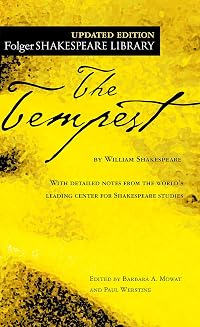
The Tempest
by William Shakespeare
On This Page
Description
The Tempest is thought by many to be Shakespeare's greatest and most perfect play. When the magician Prospero deliberately summons a storm to overcome his enemy King Alonso of Naples ship the passengers are washed ashore on a fantastical island. Prospero manipulates the king, his entourage, apparitions and fiends as he schemes revenge on the hapless Alonso. Prospero's daughter and the King's son Ferdinand fall in love and their fraught lover provides the catalyst for their fathers' show more reconciliation, contrition and clemency.. show less
Tags
Recommendations




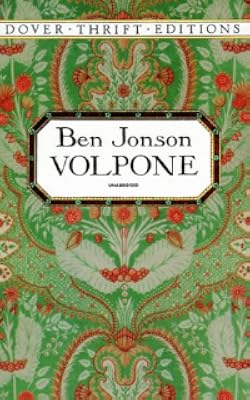
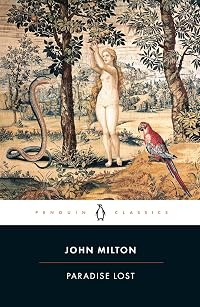

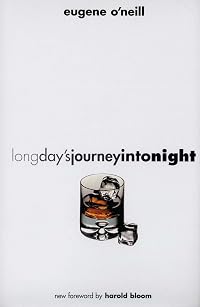

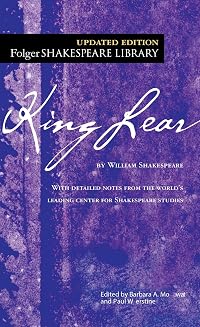
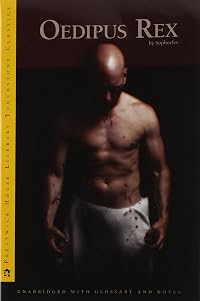
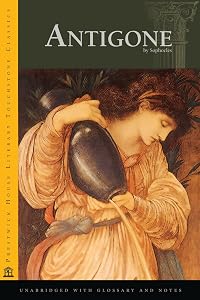

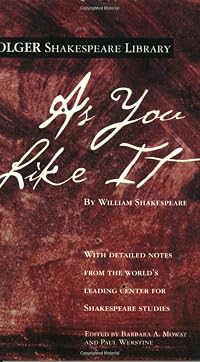
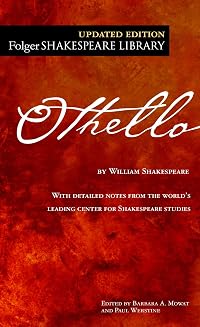






Member Recommendations


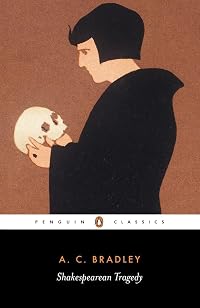
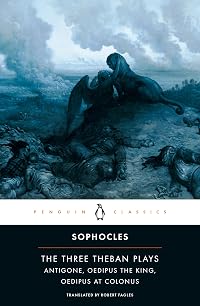
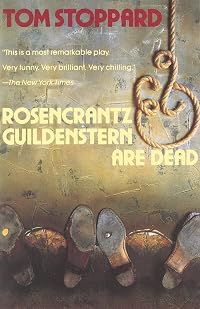
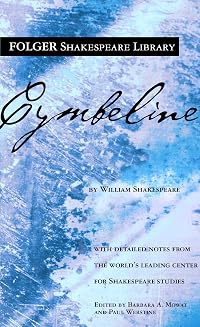
Sylak Caliban in The Tempest has many parallels with John the Savage in Brave New World.
31


JuliaMaria In der Einleitung zu "an unofficial rose" von Iris Murdoch schreibt Anthony D. Nuttal: "But this book is really much more Shakespearen than it is Dickensian, The Tempest, which will figure so prominently in The Sea, The Sea, is powerfully though less obtrusively operative in this earlier book."
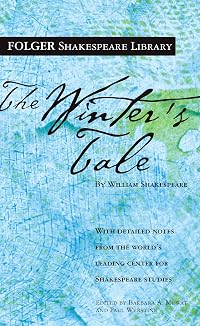
sturlington The Dream of Perpetual Motion is a steampunk retelling of The Tempest
anonymous user A musical spin-off worth reading/hearing. If you can, read the score. If you can't, check any of the available recordings (Abbado, Fistoulari, Pletnev, Jarvi, Litton, Stokowski, Toscanini).
anonymous user A literary spin-off that surpasses the original. A rare case indeed! What Will started 400 years ago, Wystan finished in the last century: he turned the cardboard stereotypes into real characters.
julia_jacks A postcolonial retelling of The Tempest, set in the Caribbean.
Member Reviews
On rereading the Tempest, I realize that despite the title there is very little action in the play and it demonstrates Shakespeare's emphasis on character over plot. But the characters are fascinating. Prospero at times seems a type for the author himself, and of course as such he is the wise master and hero. But at the same time or a moment later, his manipulations and his selfishness make it not too hard to empathize with the hatred he inspires in Caliban, despite Caliban's repugnance. Then in the Epilogue, Prospero, not just a character that walks off of the page, actually asks the audience for permission to walk off of the page before doing so. There is not time to discuss all of the characters, but Miranda's sudden transformation show more from wondering innocence to worldly cynicism is both startling and yet somehow believable. I remember the Tempest being described as Shakespeare's perfect play, because it so completely conforms to Aristotle's unities of time, place and action. Yet the play has to be considered experimental in its deliberate artificiality and the distance between the audience and the action because it is a play within a play within a play. It is in essence a play about the making of a play. Definitely worth repeated readings. show less
For the past year, the fates have been telling me I needed to read William Shakespeare's final work The Tempest. Alright fates, I did it! Now you can shove it!!!
Honestly, I was disappointed. There was so much potential in this one, but it was as though Shakespeare, “The Man,” was giving up. Great premise, great setting, great characters with witty dialogue, but why, Prospero? Why do you relent so easily? Ferdinand, what do you see in Miranda? What was the point of it all, Shakespeare? It wasn't clear. These characters just could not convince me of this world.
The ending was classic. C-L-A-S-S-I-C. It seems “The Man” knew he was retiring. Having the magician, Prospero—possibly a reflection of Shakespeare himself—address the show more audience was brilliant. He explains his mission was to entertain, begs pardon for all his wrongs, and asks to be set free. Loved it.
If only the rest of the play could have been so affecting and clever. Nonetheless, I thank The Man for his entertainment, forgive him his wrongs, and set him free. Run, Shakespeare run. show less
Honestly, I was disappointed. There was so much potential in this one, but it was as though Shakespeare, “The Man,” was giving up. Great premise, great setting, great characters with witty dialogue, but why, Prospero? Why do you relent so easily? Ferdinand, what do you see in Miranda? What was the point of it all, Shakespeare? It wasn't clear. These characters just could not convince me of this world.
The ending was classic. C-L-A-S-S-I-C. It seems “The Man” knew he was retiring. Having the magician, Prospero—possibly a reflection of Shakespeare himself—address the show more audience was brilliant. He explains his mission was to entertain, begs pardon for all his wrongs, and asks to be set free. Loved it.
If only the rest of the play could have been so affecting and clever. Nonetheless, I thank The Man for his entertainment, forgive him his wrongs, and set him free. Run, Shakespeare run. show less
Uno dei miei Shakespeare preferiti.
Ho volato. Mi sono librata in cielo, ho spiegato ali che non sapevo di avere, mi sono fatta guidare dai venti e ho volato, proprio come Ariele, lo spirito al servizio di Prospero.
E mi sono sentita Ariele, e Miranda, e Ferdinando e Prospero e sono stata su quella nave affondata nel mare in tempesta, mi sono sentita intrappolata in un sogno profondo, in un sonno dal quale non avevo intenzione di svegliarmi. E me la sono sentita, sentita dentro, la frase “L’inferno è vuoto, e tutti i diavoli sono qui”, urlata prima che mi buttassi da quella nave andata distrutta.
È stata una lettura sublime, celeste.
Una lettura che mi ha trascinata su un’isola lontana, che mi ha portata su una barca che va per show more mare in balia dei venti e delle acque, in balia di Ariele e del Fato, della magia di Prospero e della sua voglia di vendetta.
E ho amato l’amore di Ferdinando e Miranda e il quinto atto magnifico, la conclusione di tutto, la chiusura di un cerchio, la perfetta sintesi dell’essenza della vita, di ciò che veramente importa, di quanto conti l’esistenza umana in tutto il proprio valore e in tutta la propria potenza e bellezza. show less
Ho volato. Mi sono librata in cielo, ho spiegato ali che non sapevo di avere, mi sono fatta guidare dai venti e ho volato, proprio come Ariele, lo spirito al servizio di Prospero.
E mi sono sentita Ariele, e Miranda, e Ferdinando e Prospero e sono stata su quella nave affondata nel mare in tempesta, mi sono sentita intrappolata in un sogno profondo, in un sonno dal quale non avevo intenzione di svegliarmi. E me la sono sentita, sentita dentro, la frase “L’inferno è vuoto, e tutti i diavoli sono qui”, urlata prima che mi buttassi da quella nave andata distrutta.
È stata una lettura sublime, celeste.
Una lettura che mi ha trascinata su un’isola lontana, che mi ha portata su una barca che va per show more mare in balia dei venti e delle acque, in balia di Ariele e del Fato, della magia di Prospero e della sua voglia di vendetta.
E ho amato l’amore di Ferdinando e Miranda e il quinto atto magnifico, la conclusione di tutto, la chiusura di un cerchio, la perfetta sintesi dell’essenza della vita, di ciò che veramente importa, di quanto conti l’esistenza umana in tutto il proprio valore e in tutta la propria potenza e bellezza. show less
Perhaps the best of Shakespeare's comedies, The Tempest is a tale of fury, retribution, forgiveness and the laying down of power. Prospero, the legitimate Duke of Milan is stranded on an island with only his daughter and the original inhabitants, Caliban and the spirits. He is here because of the treachery of his brother, Antonio, who with the help of Alonzo, the King of Naples, has deprived him of his kingdom and his title. Who could blame Prospero for stirring up a tempest to entrap and confine his enemies, the King of Naples and Antonio when they come within his grasp?
Prospero has the power to destroy his enemies and take his revenge. It is what he does with that power that makes this play extraordinary and meaningful. A tale that show more begins as a tale of revenge becomes a tale of forgiveness. A tale that begins with a man of unparalleled power, ends with a man willing to lay that power aside, even in the presence of men who have already betrayed him once. Along the way, there is laughter and intrigue and a bit of a romance, which are all dealt with in Shakespeare's inimitably witty and poetic style.
graves at my command
Have waked their sleepers, oped, and let 'em forth
By my so potent art. But this rough magic
I here abjure, and, when I have required
Some heavenly music, which even now I do,
To work mine end upon their senses that
This airy charm is for, I'll break my staff,
Bury it certain fathoms in the earth,
And deeper than did ever plummet sound
I'll drown my book. [solemn music.]
Solemn music indeed to accompany this poetic dirge. How few men of power have we ever seen lay it aside? At the end, Ariel is set free for services well rendered, and Prospero seems the wisest of men who has used his power to build rather than to destroy.
So many others have already done a much finer job of reviewing this play, so I will make no further attempt to dissect or praise it. I can only say that there is a reason all the great writers of every century since his time have read Shakespeare, quoted him, lauded him and attempted to channel him; and that reason is infinitely clear when you read this play. show less
Prospero has the power to destroy his enemies and take his revenge. It is what he does with that power that makes this play extraordinary and meaningful. A tale that show more begins as a tale of revenge becomes a tale of forgiveness. A tale that begins with a man of unparalleled power, ends with a man willing to lay that power aside, even in the presence of men who have already betrayed him once. Along the way, there is laughter and intrigue and a bit of a romance, which are all dealt with in Shakespeare's inimitably witty and poetic style.
graves at my command
Have waked their sleepers, oped, and let 'em forth
By my so potent art. But this rough magic
I here abjure, and, when I have required
Some heavenly music, which even now I do,
To work mine end upon their senses that
This airy charm is for, I'll break my staff,
Bury it certain fathoms in the earth,
And deeper than did ever plummet sound
I'll drown my book. [solemn music.]
Solemn music indeed to accompany this poetic dirge. How few men of power have we ever seen lay it aside? At the end, Ariel is set free for services well rendered, and Prospero seems the wisest of men who has used his power to build rather than to destroy.
So many others have already done a much finer job of reviewing this play, so I will make no further attempt to dissect or praise it. I can only say that there is a reason all the great writers of every century since his time have read Shakespeare, quoted him, lauded him and attempted to channel him; and that reason is infinitely clear when you read this play. show less
One of Shakespeare's tautest, most focused plays allows for a great reading experience. In fact, The Tempest is so straightforward that it would serve as a great introduction to Shakespeare, even though it was one of his final plays. It is very evocative, both as we endure the tempest of the title and as we roam about this barren, storm-swept island, following various characters for a few hours. (Its central framing device – shipwrecked on a strange, fantastical island, brooding for vengeance – has also become a staple storytelling conceit, from H. G. Wells' The Island of Dr. Moreau to Stannis Baratheon in Game of Thrones, brooding on Dragonstone for his return to the mainland.)
Miranda's romance with Ferdinand was a bit too show more economical for me (though it would be hard for it to be believable considering the entire play's timeframe is just a few hours) and the ending is a bit anti-climactic – at least until you understand its context (it is Shakespeare saying farewell to the stage before his retirement). Regardless, it has all the elementary material that makes Shakespeare so rewarding; a great mix of drama, comedy and eloquence. show less
Miranda's romance with Ferdinand was a bit too show more economical for me (though it would be hard for it to be believable considering the entire play's timeframe is just a few hours) and the ending is a bit anti-climactic – at least until you understand its context (it is Shakespeare saying farewell to the stage before his retirement). Regardless, it has all the elementary material that makes Shakespeare so rewarding; a great mix of drama, comedy and eloquence. show less
Throughout my life, I keep swinging back to The Tempest. The story interests me more than Hamlet ever could. Hear Caliban's lesson on language. And if you can bear it, break your staff and bury your book, free yourself from the trap of power, and live among people, give your child a future. I could never watch Midsummer again and be happy, but I will listen to the Tempest through the curtain, whenever I can.
Even though I gave The Tempest five stars, it's still not quite up there with how much I loved Macbeth and Othello.
I would consider The Tempest the most romantic of Shakespeare's plays I have read so far. At least this one doesn't have people settling for those that they decide to make do with (Twelfth Night) or not realizing someone is not really dead so you kill yourself (Romeo and Juliet) or you use psychological warfare on another person to turn them into someone they are not (The Taming of the Shrew). There is also a really cool fantasy element in it that I liked.
The opening act of The Tempest shows a party (Alonso, Ferdinand, Sebastian, Antonio, Gonzalo, Stephano, and Trinculo) on a ship fearing for their lives during a storm show more that is about to blow their ship apart. That opening scene was so well written that I felt like I was on the ship about to be pitched into the sea. I would love to see this play in a theater sometime.
From there we go to Prospero and his daughter Miranda who live on an island and who have witnessed the shipwreck. Miranda wants to help those who were are injured, but then finds out that her father who is actually able to control the weather has caused the shipwreck to happen. We find out about Prospero's past and boy is it a doozy.
I have to say that I loved the character of Prospero. Prospero is always able to command a familiar named Ariel which seems to be a fatherly type relationship between the two of them as well. He was definitely a contradiction. He loves Miranda, but wants to avenge himself on the people that have betrayed him, though he still wants Miranda to be happy and does what is necessary in order for her to find happiness.
Miranda I felt for a little because part of me does wonder how much does she feel when she has insta-love with Ferdinand? He's the first eligible man she has seen ever, of course she falls in love with him.
Everything else that follows is Prospero doing what is necessary to ensure that Miranda actually gets married to Ferdinand.
People have commented that this is one of Shakespeare's most lyric plays and they are right. I could almost hear singing in my head as I was reading this play. The flow of the play were really good too. None of the acts felt too long or short. I was able to follow along with what was going on. Though having a Folger's version of this play always helps.
The ending was more interactive than Shakespeare's other plays, though I did wonder about Prospero doing an epilogue asking the audience to forgive him for what he did by clapping. It made me think of the stage plays of Peter Pan where Peter asked the audience to clap in order to save Tinkerbell. And I have to say, I am still puzzled at what wrong did Prospero do. His brother set him and his daughter off to die on a boat. I am all about forgiveness, but heck with that. show less
I would consider The Tempest the most romantic of Shakespeare's plays I have read so far. At least this one doesn't have people settling for those that they decide to make do with (Twelfth Night) or not realizing someone is not really dead so you kill yourself (Romeo and Juliet) or you use psychological warfare on another person to turn them into someone they are not (The Taming of the Shrew). There is also a really cool fantasy element in it that I liked.
The opening act of The Tempest shows a party (Alonso, Ferdinand, Sebastian, Antonio, Gonzalo, Stephano, and Trinculo) on a ship fearing for their lives during a storm show more that is about to blow their ship apart. That opening scene was so well written that I felt like I was on the ship about to be pitched into the sea. I would love to see this play in a theater sometime.
From there we go to Prospero and his daughter Miranda who live on an island and who have witnessed the shipwreck. Miranda wants to help those who were are injured, but then finds out that her father who is actually able to control the weather has caused the shipwreck to happen. We find out about Prospero's past and boy is it a doozy.
I have to say that I loved the character of Prospero. Prospero is always able to command a familiar named Ariel which seems to be a fatherly type relationship between the two of them as well. He was definitely a contradiction. He loves Miranda, but wants to avenge himself on the people that have betrayed him, though he still wants Miranda to be happy and does what is necessary in order for her to find happiness.
Miranda I felt for a little because part of me does wonder how much does she feel when she has insta-love with Ferdinand? He's the first eligible man she has seen ever, of course she falls in love with him.
Everything else that follows is Prospero doing what is necessary to ensure that Miranda actually gets married to Ferdinand.
People have commented that this is one of Shakespeare's most lyric plays and they are right. I could almost hear singing in my head as I was reading this play. The flow of the play were really good too. None of the acts felt too long or short. I was able to follow along with what was going on. Though having a Folger's version of this play always helps.
The ending was more interactive than Shakespeare's other plays, though I did wonder about Prospero doing an epilogue asking the audience to forgive him for what he did by clapping. It made me think of the stage plays of Peter Pan where Peter asked the audience to clap in order to save Tinkerbell. And I have to say, I am still puzzled at what wrong did Prospero do. His brother set him and his daughter off to die on a boat. I am all about forgiveness, but heck with that. show less
Members
- Recently Added By
Lists

100 Books to Read in a Lifetime (That Are Older Than 200 Years)
415 works; 176 members

Books I've Read More Than Once
602 works; 49 members

Favorite Shakespeare plays?
37 works; 45 members

Bibliography for Among Others
159 works; 15 members

Favourite Books
1,820 works; 316 members

Novels featuring siblings
133 works; 8 members

Recommend the 20 best books you've read in the last five years
2,168 works; 608 members
One Book, Many Authors
441 works; 40 members

Books Read in 2023
5,638 works; 147 members

Reading list inspired by The Librarians
5 works; 1 member
LibraryThingers' 1001 Books You Must Read Before You Die
442 works; 29 members

Best books read in 2011
200 works; 50 members

Books Read in 2022
5,226 works; 115 members

Greatest Books, allegedly
484 works; 9 members

1:28 p.m.'s 350 Stage Plays Challenge
94 works; 3 members

Books Read in 2005
185 works; 7 members
Books Mentioned in The Wedding Planner's Daughter series
107 works; 2 members

Book Titles Mentioned In Newberry Medal And Honor Books
884 works; 3 members
Stage Plays/Screenplays/Dialogues/Anything Dialogue-Storytelling Related
81 works; 2 members

Books I read in high school
52 works; 1 member

Books Read in 2021
5,361 works; 114 members

Books and authors mentioned by Le Clézio in his Nobel Prize speech
87 works; 3 members

Yet another list
69 works; 1 member

AP Lit
363 works; 6 members

Mustich's 1000 Books to Read Before You Die: A Life Changing List
1,001 works; 20 members
Essential/Recognized Stage Plays
115 works; 4 members
Literature which inspired Pop songs
85 works; 9 members

Western Canon
24 works; 1 member

readingList
38 works; 1 member

Works in the game of Authors
44 works; 2 members
'Books You Can't Live Without: The Top 100', The Guardian, 2007
156 works; 7 members

Recommended Reading : 600 Classics Reviewed, Editors of Salem Press, 2015
634 works; 6 members
My Play Collection
769 works; 3 members
Our Favorite Comfort Reads
334 works; 200 members

.
194 works; 2 members
School Made Us Read It
380 works; 197 members

.
396 works; 1 member

Books Read in College
80 works; 5 members

Authors from the United States
245 works; 3 members
The Great Courses: Shakespeare's Tragedies
35 works; 1 member

University literature
145 works; 5 members

Unread books
1,063 works; 83 members
Plays I Like
230 works; 31 members

Books You Read During High School (For School)
301 works; 52 members
Folio Society
831 works; 53 members

Books Set on Islands
190 works; 24 members

Merrill's English Texts
59 works; 2 members
The Top Ten: Writers Pick Their Favorite Books
240 works; 33 members

Tonikat reading completed on Librarything journals
329 works; 2 members
Readable Classics
110 works; 15 members

Northern Exposure's Chris in the Morning Reading List
31 works; 1 member
Accidents in Fiction
22 works; 5 members

Literary Works Read in College
316 works; 15 members
Five star books
1,767 works; 110 members

Ten+ Books About Being Stranded!
14 works; 5 members

100 World Classics
99 works; 15 members

Read
293 works; 4 members
Works Referenced in The League of Extraordinary Gentlemen
122 works; 6 members
Blue Pyramid 1,276 Best Books of All Time
1,248 works; 32 members
The League of Extraordinary Gentlemen
87 works; 4 members
Early Modern (Shakesperean)
64 works; 2 members

Western World's Greatest Books - Project Gutenberg
295 works; 15 members

Books Read in 2016
4,666 works; 199 members

Europe
205 works; 6 members

Tagged Storms
31 works; 3 members
Out of Copyright
244 works; 14 members

In Our Time books
4,934 works; 2 members
Talk Discussions
Past Discussions
July Shakespeare Cat: Justice in 2022 Category Challenge (July 2022)
BBC R4 In Our Time: The Tempest in The Globe: Shakespeare, his Contemporaries, and Context (November 2013)
Chat about... The Tempest by William Shakespeare in The SF&F Book Chat (September 2012)
Author Information

6,186+ Works 444,561 Members
William Shakespeare, 1564 - 1616 Although there are many myths and mysteries surrounding William Shakespeare, a great deal is actually known about his life. He was born in Stratford-Upon-Avon, son of John Shakespeare, a prosperous merchant and local politician and Mary Arden, who had the wealth to send their oldest son to Stratford Grammar School. show more At 18, Shakespeare married Anne Hathaway, the 27-year-old daughter of a local farmer, and they had their first daughter six months later. He probably developed an interest in theatre by watching plays performed by traveling players in Stratford while still in his youth. Some time before 1592, he left his family to take up residence in London, where he began acting and writing plays and poetry. By 1594 Shakespeare had become a member and part owner of an acting company called The Lord Chamberlain's Men, where he soon became the company's principal playwright. His plays enjoyed great popularity and high critical acclaim in the newly built Globe Theatre. It was through his popularity that the troupe gained the attention of the new king, James I, who appointed them the King's Players in 1603. Before retiring to Stratford in 1613, after the Globe burned down, he wrote more than three dozen plays (that we are sure of) and more than 150 sonnets. He was celebrated by Ben Jonson, one of the leading playwrights of the day, as a writer who would be "not for an age, but for all time," a prediction that has proved to be true. Today, Shakespeare towers over all other English writers and has few rivals in any language. His genius and creativity continue to astound scholars, and his plays continue to delight audiences. Many have served as the basis for operas, ballets, musical compositions, and films. While Jonson and other writers labored over their plays, Shakespeare seems to have had the ability to turn out work of exceptionally high caliber at an amazing speed. At the height of his career, he wrote an average of two plays a year as well as dozens of poems, songs, and possibly even verses for tombstones and heraldic shields, all while he continued to act in the plays performed by the Lord Chamberlain's Men. This staggering output is even more impressive when one considers its variety. Except for the English history plays, he never wrote the same kind of play twice. He seems to have had a good deal of fun in trying his hand at every kind of play. Shakespeare wrote 154 sonnets, all published on 1609, most of which were dedicated to his patron Henry Wriothsley, The Earl of Southhampton. He also wrote 13 comedies, 13 histories, 6 tragedies, and 4 tragecomedies. He died at Stratford-upon-Avon April 23, 1616, and was buried two days later on the grounds of Holy Trinity Church in Stratford. His cause of death was unknown, but it is surmised that he knew he was dying. (Bowker Author Biography) show less
Some Editions
Awards and Honors
Awards
Distinctions
Notable Lists
Series
Belongs to Publisher Series
白水Uブックス (36)
BUR: Lo Shakespeare della BUR [Rizzoli] (Commedie, 1)
William Shakespeare, Theatralische Werke in 21 Einzelbänden, übersetzt von Christoph Martin Wieland (5)
Penguin Shakespeare (B7)
New Penguin Shakespeare (NS13)
The Yale Shakespeare (38)
University Paperbacks (UP284)
Haagse Comedie (45)
Little Blue Books (240)
Work Relationships
Is contained in
4 Plays: As You Like It; A Midsummer Night's Dream; The Tempest; Twelfth Night by William Shakespeare
3 Plays: The Merry Wives of Windsor; The Tempest; The Two Gentlemen of Verona by William Shakespeare
4 Plays: A Midsummer Night's Dream; The Taming of the Shrew; The Tempest; Twelfth Night by William Shakespeare
The Annotated Shakespeare: The Comedies, Histories, Sonnets and Other Poems, Tragedies and Romances Complete by William Shakespeare (indirect)
El Mercader De Venecia La Tempestad (Clasicos Universales/ Universal Classics) (Spanish Edition) by William Shakespeare
Is retold in
Has the (non-series) sequel
Has the adaptation
Is parodied in
Is replied to in
Inspired
Tchaikovsky & Shakespeare: Hamlet / The Tempest / Romeo and Juliet [sound recording] by Piotr Ilyich Tchaikovsky
Shakespeare Overtures: The Tempest - Othello - Macbeth - Romeo and Juliet / Elegie for Orchestra, WoO 48 / Fest-Ouvertüre, Op. 117 [sound recording] by Joseph Joachim Raff
Has as a reference guide/companion
Has as a study
Has as a supplement
Has as a commentary on the text
Has as a student's study guide
Has as a teacher's guide
Common Knowledge
- Canonical title
- The Tempest
- Original title
- The Tempest
- Alternate titles*
- De storm : een spel van toverij
- Original publication date
- 1610; 1623 (Folio) (Folio)
- People/Characters
- Prospero; Miranda; Caliban; Ariel; Sebastian; Alonso (show all 16); Antonio; Ferdinand; Gonzalo; Adrian; Francisco; Trinculo; Stephano; Juno; Ceres; Iris
- Important places
- Prospero's Island
- Related movies
- The Tempest (1998 | IMDb); The Tempest (1980 | IMDb); Hallmark Hall of Fame: The Tempest (1960 | IMDb); Wishbone" Shakespaw (1995 | IMDb); The Tempest (2010/II | IMDb)
- First words
- Boatswain!
At the maindeck of a ship at sea, near an unknown island. - Quotations
- I would fain die a dry death.
Now would I give a thousand furlongs of sea for an acre of barren ground.
Full fathom five thy father lies;
Of his bones are coral made;
Those are pearls that were his eyes:
Nothing of him that doth fade
But doth suffer a sea-change
Into something rich and strange.
Knowing I lov'd my books, he furnish'd me
From mine own library with volumes that
I prize above my dukedom.
The fringed curtains of thine eye advance.
A very ancient and fish-like smell. (show all 7)
Hell is empty, and all the devils are here. - Last words
- (Click to show. Warning: May contain spoilers.)As you from crimes would pardon'd be,
Let your indulgence set me free. - Publisher's editor
- Harrison, G. B. (Penguin Popular Classics); Barton, Anne (New Penguin Shakespeare); Sutherland, J. R. (The New Clarendon Shakespeare)
- Original language
- English
- Canonical DDC/MDS
- 822.33
- Disambiguation notice
- This work is for the complete The Tempest only. Do not combine this work with abridgements, adaptations or simplifications (such as "Shakespeare Made Easy"), Cliffs Notes or similar study guides, or anything else that ... (show all)does not contain the full text. Do not include any video recordings. Additionally, do not combine this with other plays.
*Some information comes from Common Knowledge in other languages. Click "Edit" for more information.
Classifications
Statistics
- Members
- 15,806
- Popularity
- 440
- Reviews
- 191
- Rating
- (3.93)
- Languages
- 26 — Arabic, Catalan, Chinese, Czech, Danish, Dutch, English, Esperanto, Finnish, French, German, Greek, Hindi, Hungarian, Italian, Japanese, Norwegian (Nynorsk), Norwegian (Bokmål), Norwegian, Polish, Croatian, Slovak, Spanish, Swedish, Turkish, Portuguese (Portugal)
- Media
- Paper, Audiobook, Ebook
- ISBNs
- 666
- UPCs
- 10
- ASINs
- 262