
Grace Tiffany
Author of My Father Had a Daughter
About the Author
Grace Tiffany is a professor of Shakespeare and Renaissance Drama at Western Michigan University.
Works by Grace Tiffany
Associated Works
Tagged
Common Knowledge
- Canonical name
- Tiffany, Grace
- Birthdate
- 1958
- Gender
- female
- Education
- University of Notre Dame (Ph.D)
- Occupations
- professor (Shakespeare|Western Michigan University)
lecturer
teacher
writer
author - Short biography
- Grace Tiffany has been a professor of Shakespeare at Western Michigan University since 1995, and has spoken as an invited lecturer at a number of colleges and universities, including Wheaton College in Chicago and the University of Salamanca in Spain. Before moving to Michigan she taught for five years at the University of New Orleans and for one year at Fordham University in New York City. She holds a Ph.D. in English from Notre Dame. She and her family live in Kalamazoo, Michigan.
- Nationality
- USA
- Places of residence
- Kalamazoo, Michigan, USA
- Associated Place (for map)
- Michigan, USA
Members
Reviews
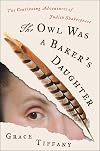
The Owl Was a Baker’s Daughter - Grace Tiffany
Audio performance by Mary Jane Wells (a 5 star performance)
5 stars
I was a less than enthusiastic reader of Hamnet. Although Maggie O’Farrell’s fictional tale of Shakespeare’s family was beautifully written, it left me feeling so sad and defeated. Grace Tiffany’s further adventures of Judith Shakespeare Quiney made me laugh and left me with a feeling of triumph.
Time divides a female into three selves, girl-child and prime woman and old show more mother. There’s naught to be gained by feigning to be something you once were, and are no longer. When you try, you stop being a person, and start being a ghost.
This book is not a comedy. It is in many ways deeply tragic. Judith is the ‘old mother’ of her own story, sixty one years old in a year of personal and political crisis. Her marriage is faltering following the death of two sons to plague. England continues to suffer the upheaval of its civil war. Religious fervor and turmoil reigns. Judith is a midwife, apothecary and surgeon. She and her newly hired female assistant are accused of witchcraft. She escapes Stratford and heads to London. Judith doesn’t ‘feign’ who she once was, but she is forced to confront her past.
The story is told in Judith’s voice. Mary Jane Welles captures that voice with its 17th century pronunciation in a way that perfectly enhances the telling. Judith is unconventional in many ways. She has a flaring temper that soon gives way to forgiveness. She’s sharp witted and snarky but also fair minded and sincere. She grieves deeply but has a wry ability to see humor in most situations. She is tirelessly compassionate. She’s a survivor.
I have difficulty remembering the details of Agnes Shakespeare’s character as O’ Farrell portrayed her. Judith Quiney will stay with me. She is still vibrantly alive. I’d like to sit down with her, two old crones, and share a cup of ‘tay’ or ‘java’. show less
Audio performance by Mary Jane Wells (a 5 star performance)
5 stars
I was a less than enthusiastic reader of Hamnet. Although Maggie O’Farrell’s fictional tale of Shakespeare’s family was beautifully written, it left me feeling so sad and defeated. Grace Tiffany’s further adventures of Judith Shakespeare Quiney made me laugh and left me with a feeling of triumph.
Time divides a female into three selves, girl-child and prime woman and old show more mother. There’s naught to be gained by feigning to be something you once were, and are no longer. When you try, you stop being a person, and start being a ghost.
This book is not a comedy. It is in many ways deeply tragic. Judith is the ‘old mother’ of her own story, sixty one years old in a year of personal and political crisis. Her marriage is faltering following the death of two sons to plague. England continues to suffer the upheaval of its civil war. Religious fervor and turmoil reigns. Judith is a midwife, apothecary and surgeon. She and her newly hired female assistant are accused of witchcraft. She escapes Stratford and heads to London. Judith doesn’t ‘feign’ who she once was, but she is forced to confront her past.
The story is told in Judith’s voice. Mary Jane Welles captures that voice with its 17th century pronunciation in a way that perfectly enhances the telling. Judith is unconventional in many ways. She has a flaring temper that soon gives way to forgiveness. She’s sharp witted and snarky but also fair minded and sincere. She grieves deeply but has a wry ability to see humor in most situations. She is tirelessly compassionate. She’s a survivor.
I have difficulty remembering the details of Agnes Shakespeare’s character as O’ Farrell portrayed her. Judith Quiney will stay with me. She is still vibrantly alive. I’d like to sit down with her, two old crones, and share a cup of ‘tay’ or ‘java’. show less
Judith Shakespeare, daughter of William Shakespeare, is now a long married woman with two dead sons, a distant husband, and working as a midwife. England is in the midst of strife between the Protestant (Presbyterian) Puritans lead by Oliver Cromwell and the Royalists serving King Charles and his Cavaliers.
Judith believes she has been labeled as a witch and leaves home along with a young serving woman and the woman's five year old niece. Jane is a staunch Protestant. They find themselves in show more London where Judith meets an old lover, Nathan, who was an actor in the Shakespeare plays.
The story is interesting in that I have read very little about this time period. The writing is good and believable. I would read more by this author. show less
Judith believes she has been labeled as a witch and leaves home along with a young serving woman and the woman's five year old niece. Jane is a staunch Protestant. They find themselves in show more London where Judith meets an old lover, Nathan, who was an actor in the Shakespeare plays.
The story is interesting in that I have read very little about this time period. The writing is good and believable. I would read more by this author. show less

Told through Judith Shakespeare's eyes, the novel opens in Stratford with the twins Judith and Hamnet yearning for their father to come home. They spend hours playing Titania and Oberon down by the riverside hoping to call him home with their magic spells.
But during one of these games tragedy strikes, and when Judith finds scraps of a new play that seems to mock her grief, she follows her father to London in outrage. Once there, however, she quickly becomes just as enamoured with the world show more of theater as her father. And slowly she begins to understand him.
The title of the novel comes from one of Viola's speeches in Twelfth Night, and Twelfth Night holds a great deal of meaning for Judith. She uses the play as a means to revenge, to express her sorrow, to an adventure.
Judith's strong spirit makes her restless in the limited life allotted her as a woman, but her periodic adventures and the way she savors them are very risky, impetuous and real. That said I found the part in London a little unoriginal. It seems I've read that same plot line often, and this added very little of import to those readings. I greatly preferred the scenes at home in Stratford.
As Judith grows older, her observations of the relationship between her parents grow more keen and insightful. This grants a fascinating look at what Shakespeare's home life in Stratford may have been like - something generally neglected by those writing about the Bard. show less
But during one of these games tragedy strikes, and when Judith finds scraps of a new play that seems to mock her grief, she follows her father to London in outrage. Once there, however, she quickly becomes just as enamoured with the world show more of theater as her father. And slowly she begins to understand him.
The title of the novel comes from one of Viola's speeches in Twelfth Night, and Twelfth Night holds a great deal of meaning for Judith. She uses the play as a means to revenge, to express her sorrow, to an adventure.
Judith's strong spirit makes her restless in the limited life allotted her as a woman, but her periodic adventures and the way she savors them are very risky, impetuous and real. That said I found the part in London a little unoriginal. It seems I've read that same plot line often, and this added very little of import to those readings. I greatly preferred the scenes at home in Stratford.
As Judith grows older, her observations of the relationship between her parents grow more keen and insightful. This grants a fascinating look at what Shakespeare's home life in Stratford may have been like - something generally neglected by those writing about the Bard. show less
The Owl Was a Baker's Daughter offers "the continuing adventures" of Judith Shakespeare, who was earlier the central character in Tiffany's My Father Had a Daughter—a novel I haven't read, so I can't say anything about Judith's prior adventures. The Owl Was a Baker's Daughter is set during the English Civil War, which features in the novel's second half.
The adventures begin because Judith, a midwife, is accused of witchcraft after a baby she delivered grows ill. This is the kind of show more accusation that might be life-threatening but also might blow over, so Judith leaves Stratford, along with Jane, a maid/friend who is also aunt of an illegitimate child who may have been sired by Judith's side of the family. That child, Pearl, accompanies the two women on their travels.
Jane is a fierce evangelist (I think that would be the word), who sees sin everywhere, can jump into sermonizing at a moment's notice, and has almost the entirety of the Bible memorized. She's convinced that the royalists are on the side of the devil, which makes her a dangerous traveling companion as fighting moves across the country and people are forced to choose sides. Pearl—lively, intelligent, quirky, and downright terrifying at times—is an equally problematic companion, prone to biting, cursing, and citing scriptures in a deep, sepalcure voice when it suits her.
In other words, Judith faces many possible disasters, not only because of her own actions, but also those of her companions. She also finds herself meeting characters from her past (when she snuck off to London and passed herself off as one of the boys in Shakespeare's company), which coplicates her time on the road.
The narrative here is a bit episodic, but the characters keep things united, even when the tale twists and turns. Judith leans toward the Jacobean side in the war in a lukewarm sort of way, but mostly tries to avoid sides to keep Jane and Pearl quiet. Judith is also lukewarm on the whole question of the existence of God—so there's another topic to avoid with Jane and Pearl.
This novel could almost become farce, except the characters in it are so completely and fully themselves that the reader (at least this one) isn't inclined to see them as humorous.
The Owl Was a Baker's Daughter is one of those reads one can sink into. It's not necessarily compelling, but it's a place to be and think and... be. When you're looking for a thoughtful read that will engage you while simultaneously inspiring your thoughts to wander, you might want to choose The Owl Was a Baker's Daughter.
I received a free electronic review copy of this title from the publisher via, Edelweiss; the opinions are my own. show less
The adventures begin because Judith, a midwife, is accused of witchcraft after a baby she delivered grows ill. This is the kind of show more accusation that might be life-threatening but also might blow over, so Judith leaves Stratford, along with Jane, a maid/friend who is also aunt of an illegitimate child who may have been sired by Judith's side of the family. That child, Pearl, accompanies the two women on their travels.
Jane is a fierce evangelist (I think that would be the word), who sees sin everywhere, can jump into sermonizing at a moment's notice, and has almost the entirety of the Bible memorized. She's convinced that the royalists are on the side of the devil, which makes her a dangerous traveling companion as fighting moves across the country and people are forced to choose sides. Pearl—lively, intelligent, quirky, and downright terrifying at times—is an equally problematic companion, prone to biting, cursing, and citing scriptures in a deep, sepalcure voice when it suits her.
In other words, Judith faces many possible disasters, not only because of her own actions, but also those of her companions. She also finds herself meeting characters from her past (when she snuck off to London and passed herself off as one of the boys in Shakespeare's company), which coplicates her time on the road.
The narrative here is a bit episodic, but the characters keep things united, even when the tale twists and turns. Judith leans toward the Jacobean side in the war in a lukewarm sort of way, but mostly tries to avoid sides to keep Jane and Pearl quiet. Judith is also lukewarm on the whole question of the existence of God—so there's another topic to avoid with Jane and Pearl.
This novel could almost become farce, except the characters in it are so completely and fully themselves that the reader (at least this one) isn't inclined to see them as humorous.
The Owl Was a Baker's Daughter is one of those reads one can sink into. It's not necessarily compelling, but it's a place to be and think and... be. When you're looking for a thoughtful read that will engage you while simultaneously inspiring your thoughts to wander, you might want to choose The Owl Was a Baker's Daughter.
I received a free electronic review copy of this title from the publisher via, Edelweiss; the opinions are my own. show less
Lists
Awards

You May Also Like


Associated Authors
Statistics
- Works
- 10
- Also by
- 2
- Members
- 543
- Popularity
- #45,915
- Rating
- 3.9
- Reviews
- 14
- ISBNs
- 19
- Languages
- 1