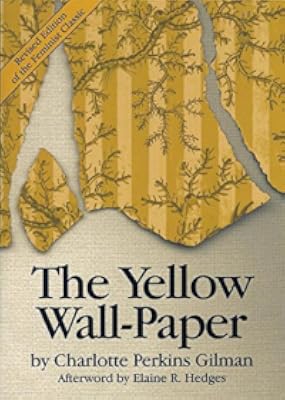
The Yellow Wallpaper [short story]
by Charlotte Perkins Gilman
On This Page
Description
Presented in the first person, the story is a collection of journal entries written by a woman whose physician husband (John) has rented an old mansion for the summer and the couple moves into the upstairs nursery. As a form of treatment, she is forbidden from working, but encouraged to eat well and get plenty of exercise and air, so she can recuperate from what he calls a temporary nervous depression - a slight hysterical tendency, a diagnosis common to women in that period. She hides her show more journal from her husband and his sister the housekeeper, fearful of being reproached for overworking herself. With nothing to stimulate her, she becomes obsessed by the pattern and color of the wallpaper, descending slowly into psychosis. show lessTags
Recommendations
















Member Recommendations
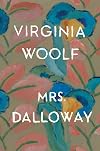
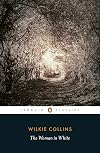
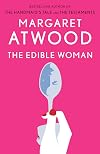
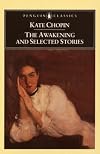
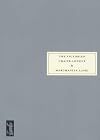
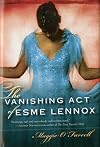
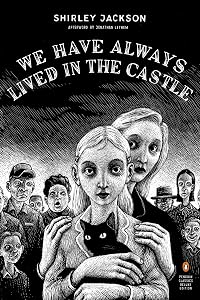
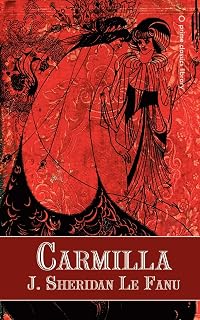
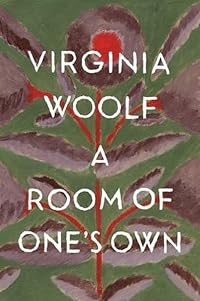
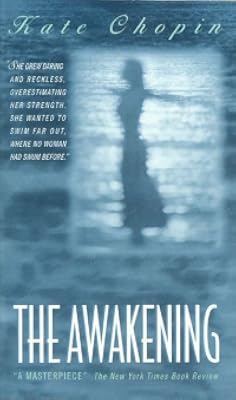
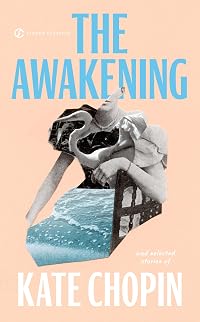
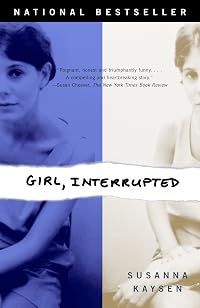
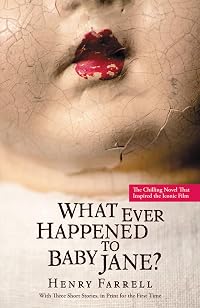
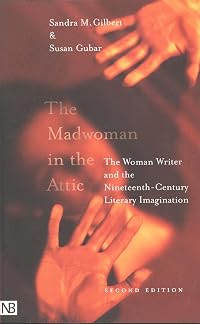
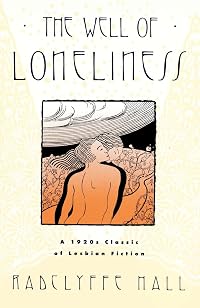
Nickelini Maggie O'Farrell says that The Yellow Wallpaper was a major influence in writng The Vanishing Act of Esme Lennox
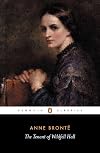
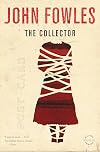

MissBrangwen Although they were written in different periods of time, both texts reminded me of each other because of their dealing with the female experience of confinement.

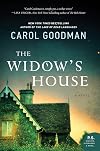
sturlington The Widow's House makes several allusions to "The Yellow Wallpaper."
Member Reviews
This is a brilliant portrait of a young women's slow and painful descent into madness, as she is being gently nudged along by her husband's suffocating condescension, masqueraded as "love". He was, after all, a physician, so he knew what best she needed to cure herself of the "melancholy" to which she succumbed after the birth of their son. Yes, he knew best.
Physician, heal thyself!
This classic story is available online all over the internet, and can also be found here
Physician, heal thyself!
This classic story is available online all over the internet, and can also be found here
The Yellow Wallpaper by Charlotte Perkins Gilman; (5*)
This little book is perfection. It is a stark & bare 36 pages & a beyond perfect 5 star read for me. It is the tale of a young woman, told from her POV, falling into the pit of madness. She is unknowingly helped along by her husband who is a doctor & others who should know better.
It begins as the husband takes an isolated house for them for the summer. He feels that his wife will get better if she doesn't have many distractions. His sister Jane comes along to help care for the woman.
She spends her days on the top floor of the house alone for the most part yearning to write but her husband doesn't think that writing is a good thing for her to be doing now. She needs to rest, not show more worry nor concern herself with anything and get well. He doesn't like her walking out for it may tire her and she needs to be resting.
The room upstairs is papered with ugly yellow wallpaper. Within the pattern of the wallpaper she sees changes occurring as the light changes. New shoots seem to grow within the pattern and forms appear to undulate in the paper. It changes day by day. The woman begins to see faces within the paper and as her madness deepens she thinks that the woman comes out and walks on the pathway outside the house.
Her husband thinks that she is getting better because as she gets deeper & deeper into the wallpaper she becomes happier, begins eating again. He doesn't know it is because she has found something with which to occupy her time and thoughts and that actually she is falling deeper & deeper into a world of madness.
This book is genius. I am so thankful that I picked it up. Charlotte Perkins Gilman is a brilliant author. I hope she has written a great many books for there is a hunger in the pit of my gut for more such as this. show less
This little book is perfection. It is a stark & bare 36 pages & a beyond perfect 5 star read for me. It is the tale of a young woman, told from her POV, falling into the pit of madness. She is unknowingly helped along by her husband who is a doctor & others who should know better.
It begins as the husband takes an isolated house for them for the summer. He feels that his wife will get better if she doesn't have many distractions. His sister Jane comes along to help care for the woman.
She spends her days on the top floor of the house alone for the most part yearning to write but her husband doesn't think that writing is a good thing for her to be doing now. She needs to rest, not show more worry nor concern herself with anything and get well. He doesn't like her walking out for it may tire her and she needs to be resting.
The room upstairs is papered with ugly yellow wallpaper. Within the pattern of the wallpaper she sees changes occurring as the light changes. New shoots seem to grow within the pattern and forms appear to undulate in the paper. It changes day by day. The woman begins to see faces within the paper and as her madness deepens she thinks that the woman comes out and walks on the pathway outside the house.
Her husband thinks that she is getting better because as she gets deeper & deeper into the wallpaper she becomes happier, begins eating again. He doesn't know it is because she has found something with which to occupy her time and thoughts and that actually she is falling deeper & deeper into a world of madness.
This book is genius. I am so thankful that I picked it up. Charlotte Perkins Gilman is a brilliant author. I hope she has written a great many books for there is a hunger in the pit of my gut for more such as this. show less
any real analysis of this would take longer than the short text itself. there is so much in here and it's all done so well. how she includes so much with so few words is a wonder.
this was written in the 1890s, so clearly women not being believed about their bodies, their selves, their minds, is an ongoing problem that we've been facing for a long, long time. the medical system still doesn't believe (or really even study) women when we say that things aren't right in our bodies. we aren't believed and we aren't trusted, and the main character in this short but powerful story faces that as well. at the same time, anyone who tries to live outside the proscribed "norms" will face a pushback that labels them sick or crazy or unwell, as we show more see so often today, too.
it's really fascinating to see her progression, as more and more of her autonomy is taken from her, into further madness. (or is it madness? it is release from shackles that were binding her?) i guess that's the really exciting question for me - do we see her, at the end, having gone raving mad, being driven that way because her doctor husband and her doctor brother weren't listening to her, weren't getting her what she needed, or do we see her having freed herself from the prison that society has created, and starting anew, having broken out? and, maybe, can it be both? show less
this was written in the 1890s, so clearly women not being believed about their bodies, their selves, their minds, is an ongoing problem that we've been facing for a long, long time. the medical system still doesn't believe (or really even study) women when we say that things aren't right in our bodies. we aren't believed and we aren't trusted, and the main character in this short but powerful story faces that as well. at the same time, anyone who tries to live outside the proscribed "norms" will face a pushback that labels them sick or crazy or unwell, as we show more see so often today, too.
it's really fascinating to see her progression, as more and more of her autonomy is taken from her, into further madness. (or is it madness? it is release from shackles that were binding her?) i guess that's the really exciting question for me - do we see her, at the end, having gone raving mad, being driven that way because her doctor husband and her doctor brother weren't listening to her, weren't getting her what she needed, or do we see her having freed herself from the prison that society has created, and starting anew, having broken out? and, maybe, can it be both? show less
RECENSIONE A CURA DEL BLOG "GLI OCCHI DEL LUPO"
“La carta da parati gialla” è un’opera che fa parte della letteratura femminista americana, che indaga l’atteggiamento della società del XIX secolo nei confronti delle donne, in particolar modo per quanto riguarda la salute fisica e mentale.
A quell’epoca, la libertà di una donna era molto limitata, soprattutto dopo che avevano avuto dei figli e venivano “invitate” dal proprio marito a dedicarsi esclusivamente alla casa e ai figli. In poche parole, queste donne venivano oppresse, un’oppressione mascherata da amore e premura, e se qualcuna di loro aveva il coraggio di mostrare insofferenza, veniva immediatamente accusata di avere una depressione a tendenza isterica, la cui show more colpa, quasi sempre, veniva attribuita all’aver avuto da poco un bambino.
Quest’opera è un grido sordo contro la natura opprimente dei ruoli di genere, e contro la guerra silenziosa tra ciò che viene imposto e ciò che si desidera.
“La carta da parati gialla” è quella che ricopre le pareti della camera da letto della nostra protagonista, la voce narrante che ci descrive le sue giornate, il suo stato d’animo, e soprattutto l’oppressione subita dal marito, John.
Lei non può uscire, non può vedere il suo bambino, deve solo pensare a nutrirsi e riposare. Per la maggior parte del tempo è sola, poiché il marito, che è un medico, è spesso via per curare chi ha bisogno. Dunque il suo tempo lo trascorre tutta sola in casa, dormendo di giorno e scrutando quelle pareti di notte, scrivendo un diario di nascosto dal marito, e più passano i giorni più le sembra che dietro quella carta da parati si nasconda qualcuno, una donna, che di notte si muove al di sotto di essa. Viene, dunque, da chiedersi: fin dove può arrivare la disperazione?
Questa breve opera è una chiara denuncia all’oppressione di genere. Agli inizi del ‘900 le donne venivano “comandate” dagli uomini (mariti, padri, fratelli, ecc.), non avevano libertà di azione e di espressione, e questo breve racconto nasce proprio per questo, perché scrivere, per una donna dell’epoca, era considerata un’azione di insubordinazione.
Gli uomini dell’epoca utilizzavano il proprio “potere” per sottomettere le donne, considerate fragili dal punto di vista emotivo, oltre che fisico.
Dal racconto della nostra protagonista traspare una forte disperazione, un dolore a cui il resto del mondo sembra essere sordo. Si percepisce la paura di far valere le proprie ragioni, la paura anche solo di esprimere il proprio stato d’animo al marito, e il bisogno di crearsi una via di fuga da tutto ciò.
La nostra protagonista è una donna relegata in una casa isolata, che passa quasi tutto il tempo nella camera da letto. Una donna a cui non è concesso di vedere il suo bambino poiché considerata non in grado di badare a lui. Una donna a cui viene vietato di vedere altre persone, perché considerata non in grado, mentalmente, di avere vita sociale. Una donna che vorrebbe soltanto essere libera di poter fare ciò che sente, e che invece viene intrappolata in una prigione, sia fisica che mentale, manipolata da una società patriarcale.
Un’opera femminista che fa riflettere molto, e che tutte le donne, ma soprattutto gli uomini, dovrebbero leggere, perché, per quanto viviamo in un’epoca “moderna”, alcuni preconcetti sono ancora duri a morire! show less
“La carta da parati gialla” è un’opera che fa parte della letteratura femminista americana, che indaga l’atteggiamento della società del XIX secolo nei confronti delle donne, in particolar modo per quanto riguarda la salute fisica e mentale.
A quell’epoca, la libertà di una donna era molto limitata, soprattutto dopo che avevano avuto dei figli e venivano “invitate” dal proprio marito a dedicarsi esclusivamente alla casa e ai figli. In poche parole, queste donne venivano oppresse, un’oppressione mascherata da amore e premura, e se qualcuna di loro aveva il coraggio di mostrare insofferenza, veniva immediatamente accusata di avere una depressione a tendenza isterica, la cui show more colpa, quasi sempre, veniva attribuita all’aver avuto da poco un bambino.
Quest’opera è un grido sordo contro la natura opprimente dei ruoli di genere, e contro la guerra silenziosa tra ciò che viene imposto e ciò che si desidera.
“La carta da parati gialla” è quella che ricopre le pareti della camera da letto della nostra protagonista, la voce narrante che ci descrive le sue giornate, il suo stato d’animo, e soprattutto l’oppressione subita dal marito, John.
Lei non può uscire, non può vedere il suo bambino, deve solo pensare a nutrirsi e riposare. Per la maggior parte del tempo è sola, poiché il marito, che è un medico, è spesso via per curare chi ha bisogno. Dunque il suo tempo lo trascorre tutta sola in casa, dormendo di giorno e scrutando quelle pareti di notte, scrivendo un diario di nascosto dal marito, e più passano i giorni più le sembra che dietro quella carta da parati si nasconda qualcuno, una donna, che di notte si muove al di sotto di essa. Viene, dunque, da chiedersi: fin dove può arrivare la disperazione?
Questa breve opera è una chiara denuncia all’oppressione di genere. Agli inizi del ‘900 le donne venivano “comandate” dagli uomini (mariti, padri, fratelli, ecc.), non avevano libertà di azione e di espressione, e questo breve racconto nasce proprio per questo, perché scrivere, per una donna dell’epoca, era considerata un’azione di insubordinazione.
Gli uomini dell’epoca utilizzavano il proprio “potere” per sottomettere le donne, considerate fragili dal punto di vista emotivo, oltre che fisico.
Dal racconto della nostra protagonista traspare una forte disperazione, un dolore a cui il resto del mondo sembra essere sordo. Si percepisce la paura di far valere le proprie ragioni, la paura anche solo di esprimere il proprio stato d’animo al marito, e il bisogno di crearsi una via di fuga da tutto ciò.
La nostra protagonista è una donna relegata in una casa isolata, che passa quasi tutto il tempo nella camera da letto. Una donna a cui non è concesso di vedere il suo bambino poiché considerata non in grado di badare a lui. Una donna a cui viene vietato di vedere altre persone, perché considerata non in grado, mentalmente, di avere vita sociale. Una donna che vorrebbe soltanto essere libera di poter fare ciò che sente, e che invece viene intrappolata in una prigione, sia fisica che mentale, manipolata da una società patriarcale.
Un’opera femminista che fa riflettere molto, e che tutte le donne, ma soprattutto gli uomini, dovrebbero leggere, perché, per quanto viviamo in un’epoca “moderna”, alcuni preconcetti sono ancora duri a morire! show less
The Yellow Wall Paper is a long short story - at about 60 pages (depending on edition) it's not quite a novella. However, it uses what it has extremely well. It's a riveting piece of feminist literature. Yet in the edition I had, I felt the afterword from Elaine Hedges might have missed the mark. With her description of the room, I thought she totally missed a possible hint of the true horror. The room is described as barred windows, no furniture except for a heavy bolted down bed and hideous yellow wallpaper worn at a certain height around the room. The room is mentioned as a former nursery, but there's other hints of a darkness to the house. I think it's possible that room was a prison for the former lady of the house and it lends show more itself to the conclusion quite well. show less
In a Nutshell: A short story much beyond its time. A quick read that won’t leave you quickly.
~~~~~~~~~~~~~~~~~~~~~~~~~~~~
Story Synopsis:
This classic short story won’t take you more than 30 minutes to read, but it encapsulates such brilliant themes that you will get far more to ponder upon. It incorporates intense topics such as feminism, post-partum depression, and women’s subservience to men without being pretentious in its approach. It also highlights the importance of open communication from both parties in marital relationships, and the dangers of hearing only the words without listening to what is said between the lines.
Keep in mind that this story was first published in 1892 in ‘The New England Magazine’. I am sure it would have been revolutionary at that time for a woman writer to explore such radical themes.
The story details the woman’s descent into madness, but doesn’t provide any direct explanation. As such, it lends itself wonderfully to a discussion. Was the woman merely suffering from post-partum depression? Was her psychosis a result of her being confined to her room? Did the room exacerbate her illness, or did her illness exaggerate the dreariness of the wallpaper? Was a subconscious part of her revolting at her feelings not being taken into consideration by her husband? The wallpaper of those days used to contain arsenic; did this factor also have a role to play in her mental degradation?
It’s easy to point fingers at her husband as the villain of her life, but again, his actual role is subject to interpretation. Was he ‘gaslighting’ his wife? Was he genuinely concerned for her and just following the typical medical advice of that era for hysteria – rest until recuperation? Did he love her, or was he trying to get rid of her? Is he an exception or a typical specimen of his times?
The plot itself comes to us only through the journal entries of a woman whose mind had spiralled into chaos. Can the journal be considered an accurate representation of the truth? Is the story just indicative of the social mores in 1892? How much of it is relevant even today? When a person gaslights someone without being aware of it, is he/she to be blamed, or the society?
So many questions; no easy answers.
The abrupt ending doesn’t help us gain any solutions. I was caught so unawares by that ending that I went back to the start and read the whole story again.
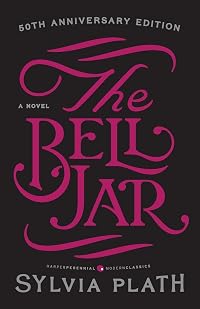
To a certain extent, this story reminded me of Sylvia Plath’s ‘The Bell Jar’. In both cases, we see the narrator going down a dangerous path of self-destruction but can’t do anything except read helplessly and in growing horror. Both stories end on a morbid note that intensifies their effect.
Another ironic coincidence is that both stories are based on their authors’ actual experiences and are thus semi-autobiographical. In 1884, at the age of 25, Gilman bore her only child. Soon after the birth, she suffered from a serious bout of what today would be diagnosed as post-partum depression. She opted for the “Rest Cure”, and after a month, was sent home with the prescription to live as domestically as possible, keep her child with her at all times, lie down for one hour after each meal, and to never touch a pen, brush, or pencil for the rest of her life. Her depression returned, and soon after coming home Gilman separated from her husband of four years—such separation being a rare event in the 19th century. As she later remarked, “It was not a choice between going and staying, but between going, sane, and staying, insane.” (Information courtesy https://connecticuthistory.org/charlotte-perkins-gilman/)
A much-recommended read to all classic short lovers. Simultaneously weird and wonderful.
4 stars.
As this story is in the public domain, you can read it free of cost on various sites online. I read it using the below link:
https://www.nlm.nih.gov/exhibition/theliteratureofprescription/exhibitionAssets/...
~~~~~~~~~~~~~~~~~~~~~~~~~~~~
Connect with me through:
My Blog | The StoryGraph | Instagram | Facebook | Twitter show less
~~~~~~~~~~~~~~~~~~~~~~~~~~~~
Story Synopsis:
The unnamed narrator is living in a new rental colonial house, along with her husband (a physician), her baby, and her sister-in-law. After her husband diagnoses her with a “temporary nervous depression—a slight hysterical tendency”, he asks her to be confined to her room and rest without doing any work. However, the chosen room is an old nursery, because of which it has barred windows and a bright yellow wallpaper. The narrator hates the wallpaper because of its shifting patterns that seem to hint at a woman creeping in the design. With nothing else to invest her time in, she grows more andshow more
more obsessed with the wallpaper, until her mania crosses a dangerous boundary.
Written in the first person of the narrator, the story comes to us through her journal entries.
This classic short story won’t take you more than 30 minutes to read, but it encapsulates such brilliant themes that you will get far more to ponder upon. It incorporates intense topics such as feminism, post-partum depression, and women’s subservience to men without being pretentious in its approach. It also highlights the importance of open communication from both parties in marital relationships, and the dangers of hearing only the words without listening to what is said between the lines.
Keep in mind that this story was first published in 1892 in ‘The New England Magazine’. I am sure it would have been revolutionary at that time for a woman writer to explore such radical themes.
The story details the woman’s descent into madness, but doesn’t provide any direct explanation. As such, it lends itself wonderfully to a discussion. Was the woman merely suffering from post-partum depression? Was her psychosis a result of her being confined to her room? Did the room exacerbate her illness, or did her illness exaggerate the dreariness of the wallpaper? Was a subconscious part of her revolting at her feelings not being taken into consideration by her husband? The wallpaper of those days used to contain arsenic; did this factor also have a role to play in her mental degradation?
It’s easy to point fingers at her husband as the villain of her life, but again, his actual role is subject to interpretation. Was he ‘gaslighting’ his wife? Was he genuinely concerned for her and just following the typical medical advice of that era for hysteria – rest until recuperation? Did he love her, or was he trying to get rid of her? Is he an exception or a typical specimen of his times?
The plot itself comes to us only through the journal entries of a woman whose mind had spiralled into chaos. Can the journal be considered an accurate representation of the truth? Is the story just indicative of the social mores in 1892? How much of it is relevant even today? When a person gaslights someone without being aware of it, is he/she to be blamed, or the society?
So many questions; no easy answers.
The abrupt ending doesn’t help us gain any solutions. I was caught so unawares by that ending that I went back to the start and read the whole story again.
To a certain extent, this story reminded me of Sylvia Plath’s ‘The Bell Jar’. In both cases, we see the narrator going down a dangerous path of self-destruction but can’t do anything except read helplessly and in growing horror. Both stories end on a morbid note that intensifies their effect.
Another ironic coincidence is that both stories are based on their authors’ actual experiences and are thus semi-autobiographical. In 1884, at the age of 25, Gilman bore her only child. Soon after the birth, she suffered from a serious bout of what today would be diagnosed as post-partum depression. She opted for the “Rest Cure”, and after a month, was sent home with the prescription to live as domestically as possible, keep her child with her at all times, lie down for one hour after each meal, and to never touch a pen, brush, or pencil for the rest of her life. Her depression returned, and soon after coming home Gilman separated from her husband of four years—such separation being a rare event in the 19th century. As she later remarked, “It was not a choice between going and staying, but between going, sane, and staying, insane.” (Information courtesy https://connecticuthistory.org/charlotte-perkins-gilman/)
A much-recommended read to all classic short lovers. Simultaneously weird and wonderful.
4 stars.
As this story is in the public domain, you can read it free of cost on various sites online. I read it using the below link:
https://www.nlm.nih.gov/exhibition/theliteratureofprescription/exhibitionAssets/...
~~~~~~~~~~~~~~~~~~~~~~~~~~~~
Connect with me through:
My Blog | The StoryGraph | Instagram | Facebook | Twitter show less
This short story is one that took me a short time to read, but inspired days of thought. It's a wonderfully written way to dive into the complex issues of the way society viewed/views mental illness, particularly the way the medical profession views mental illness, and the consequences. Also inspiring me to think about the subtle mistreatment of women in this era, it was really one of the most thought-provoking works I've read despite the short length.
Members
- Recently Added By
Lists

1001 Books You Must Read Before You Die
1,448 works; 1,134 members

Best Gothic Fiction
110 works; 31 members

Classics you know you should have read but probably haven't
421 works; 408 members

Best Horror Books
281 works; 85 members

Mental health fiction
55 works; 18 members
Best Feminist Literature
188 works; 26 members

Female Author
1,234 works; 67 members

Favourite 19th century fiction
257 works; 62 members

NPR Reader Poll: 100 Best Horror Novels and Stories
100 works; 20 members

Unreliable Narrators
170 works; 43 members

Favourite Books
1,819 works; 316 members

Best Psychological Fiction
81 works; 16 members
Female Protagonist
1,056 works; 57 members

Recommend the 20 best books you've read in the last five years
2,168 works; 602 members

19th Century
190 works; 16 members
500 Great Books by Women
507 works; 60 members

Favorite Short Fiction
228 works; 99 members

did I say that I didn't mean that (unreliable narrators)
34 works; 7 members

Houses and Buildings as Characters in Fiction
182 works; 29 members
Survey of Gothic and Horror Literature
18 works; 4 members

Top Five Books of 2018
802 works; 265 members
Literature About Women and Girls
394 works; 39 members

Blue Pyramid 1,276 Best Books of All Time
1,248 works; 32 members
Introduction to Fantasy and Science Fiction (Proposed Reading List)
28 works; 6 members

Best medical fiction
26 works; 17 members

Lovecraft's 'Supernatural Horror in Literature' Reading List
216 works; 8 members

Books Read in 2015
3,299 works; 126 members

1890s
49 works; 6 members
Victorian Period
113 works; 10 members

Best Horror Mega-List
342 works; 6 members
Overdue Podcast
806 works; 9 members

madness prompts and reason writes, says Gide
26 works; 3 members
Five star books
1,767 works; 110 members

Books with Colourful Titles
171 works; 8 members

Books on my Kindle
162 works; 3 members

Undiscovered Classics to Read
70 works; 15 members

Recommended Horror and Dark Fiction by Women
81 works; 13 members

Books I Own But Haven't Read
144 works; 2 members

Books Read in 2009
464 works; 11 members
DELETE
48 works; 2 members

Books Read in 2022
5,168 works; 114 members
Literary Witches
86 works; 4 members

100 Hemskaste
81 works; 1 member

2021 - List of books read
53 works; 1 member
American Lit for Eng 11 Research Project
368 works; 6 members

Books Read in 2024
4,623 works; 126 members
Books You Read For University
184 works; 3 members

Books Read in 2010
631 works; 11 members

Forbes: The 25 Greatest Short Stories of All Time
25 works; 4 members

Recommended Literary Books
111 works; 1 member

Books Read In 2009
43 works; 1 member
Reading LIst
648 works; 1 member

A Rainbow of Books: Colors in the Title
570 works; 24 members

Literary Works Read in College
316 works; 15 members

Books Read in 2011
684 works; 20 members
Books I read in high school
52 works; 1 member

Favourite Short Stories
22 works; 2 members

Favourite Short Stories
153 works; 9 members
Books available on Open Library
171 works; 4 members
Protagonists - Women
29 works; 2 members

Books Read in 2018
4,360 works; 110 members

Short Story and Novella Collections
47 works; 6 members

Tagged 19th Century
104 works; 7 members
Literature About Mental Illness
37 works; 5 members

el
1,139 works; 1 member

Unread books
1,063 works; 87 members
Talk Discussions
Past Discussions
Reading Group #10 ('The Yellow Wallpaper') in Gothic Literature (October 2018)
Author Information

142+ Works 14,834 Members
Charlotte Perkins Gilman was born in 1860 in Hartford, Conn. Her traumatic childhood led to depression and to her eventual suicide. Gilman's father abandoned the family when she was a child and her mother, who was not an affectionate woman, recruited relatives to help raise her children. Among these relatives was Harriet Beecher Stowe, the author show more of Uncle Tom's Cabin. Due to her family situation, Gilman learned independence, but also became alienated from her many female relatives. Gilman married in 1884 and was soon diagnosed with depression. She was prescribed bed rest, which only seemed to aggravate her condition and she eventually divorced her husband, fearing that marriage was partly responsible for her depressed state. After this, Gilman became involved in feminist activities and the writing that made her a major figure in the women's movement. Books such as Women and Economics, written in 1898, are proof of her importance as a feminist. Here she states that only when women learn to be economically independent can true equality be achieved. Her fiction works, particularly The Yellow Wallpaper, are also written with feminist ideals. A frequent lecturer, she also founded the feminist magazine Forerunner in 1909. Gilman, suffering from cancer, chose to end her own life and committed suicide on August 17, 1935. More information about this fascinating figure can be found in her book The Living of Charlotte Perkins Gilman: An Autobiography, published in 1935. (Bowker Author Biography) Charlotte Perkins Gilman was born in 1860 in Hartford, Conn. Her traumatic childhood led to depression and to her eventual suicide. Gilman's father abandoned the family when she was a child and her mother, who was not an affectionate woman, recruited relatives to help raise her children. Among these relatives was Harriet Beecher Stowe, the author of Uncle Tom's Cabin. Due to her family situation, Gilman learned independence, but also became alienated from her many female relatives. Gilman married in 1884 and was soon diagnosed with depression. She was prescribed bed rest, which only seemed to aggravate her condition and she eventually divorced her husband, fearing that marriage was partly responsible for her depressed state. After this, Gilman became involved in feminist activities and the writing that made her a major figure in the women's movement. Books such as Women and Economics, written in 1898, are proof of her importance as a feminist. Here she states that only when women learn to be economically independent can true equality be achieved. Her fiction works, particularly The Yellow Wallpaper, are also written with feminist ideals. A frequent lecturer, she also founded the feminist magazine Forerunner in 1909. Gilman, suffering from cancer, chose to end her own life and committed suicide on August 17, 1935. More information about this fascinating figure can be found in her book The Living of Charlotte Perkins Gilman: An Autobiography, published in 1935. (Bowker Author Biography) show less
Some Editions
Awards and Honors
Notable Lists
Series
Belongs to Publisher Series
Work Relationships
Is contained in
Ms. Mysteries: 19 Tales of Suspense Written By Women And Featuring Female Heroines by Arthur Liebman
H.P. Lovecraft's Book of the Supernatural: 19 Classics of the Macabre, Chosen by the Master of Horror Himself by H. P. Lovecraft
Backpack Literature: An Introduction to Fiction, Poetry, Drama, and Writing (4th Edition) by X. J. Kennedy
Panik. Gruselgeschichten aus England und Amerika von R. L. Stevenson bis Ernest Hemingway by Mary Hottinger (indirect)
The Edge of the Chair: A Superlative Collection, Some Fact, Some Fiction, All Suspense by Joan Kahn (indirect)
Charlotte Perkins Gilman's The Yellow Wall-Paper: A Sourcebook and Critical Edition by Catherine J. Golden
Charlotte Perkins Gilman's "The Yellow Wall-Paper" and the History of Its Publication and Reception: A Critical Edition and Documentary Casebook by Julie Bates Dock
W.S. Maugham - La moglie del Colonnello | Charlotte Perkins Gilman - La carta da parati gialla by W.S. Maugham
The Collected Works of Charlotte Perkins Gilman: The Yellow Wallpaper, Women and Economics, Herland, Suffrage Songs and Verses, and Why I Wrote 'The Yellow Wallpaper' by Charlotte Perkins Gilman (indirect)
Charlotte Perkins Gilman Collection Volume I (Illustrated): The Yellow Wallpaper, Herland and The Man-Made World by Charlotte Perkins Gilman
The Yellow Wallpaper and Other Stories: The Complete Gothic Collection {Ascent} by Charlotte Perkins Gilman
'The Yellow Wallpaper'; with 'Woman', Gilman's acclaimed feminist poetry (Aziloth Books) by Charlotte Perkins Gilman
Tales of Terror: The Monkey's Paw, The Pit and the Pendulum, The Cone, The Yellow Wallpaper by The Classic Collection
10 Classic Feminist Works You Should Read: Little Women, The Yellow Wallpaper, A Vindication Of The Rights Of Woman, Sultana's Dream... by Golden Deer
Charlotte Perkins Gilman Trilogy: The Yellow Wallpaper, Herland & What Diantha Did by Charlotte Perkins Gilman
Great Classic Horror Stories: Frankenstein, the Signalman Carmilla, Dr. Jekyll and Mr. Hyde the Yellow Wallpaper, Dracula by Alison Larkin
Has the adaptation
Is abridged in
Inspired
Has as a reference guide/companion
Has as a study
Has as a commentary on the text
Has as a student's study guide
Common Knowledge
- Canonical title
- The Yellow Wallpaper [short story]
- Original title
- The Yellow Wallpaper
- Alternate titles
- The Yellow Wall-paper. A Story
- Original publication date
- 1892
- People/Characters
- John; Jennie; Mary; Cousin Henry; Julia; Mother (show all 9); Nellie; Weir Mitchell; Jane
- Important places
- New England, USA; USA
- Important events
- Fourth of July
- Related movies
- The Yellow Wallpaper (1977 | IMDb); The Yellow Wallpaper (1989 | IMDb); Paper Walls (1992 | IMDb); Confinement (2009 | IMDb); The Yellow Wallpaper (2011 | IMDb); The Yellow Wallpaper (2011 | IMDb) (show all 18); The Yellow Wallpaper (2012 | IMDb); The Yellow Wallpaper (2013 | IMDb); The Yellow Wallpaper (2016 | IMDb); The Yellow Wallpaper (2017 | IMDb); The Yellow Wallpaper (2019 | IMDb); The Yellow Wallpaper (2020 | IMDb); The Yellow Wallpaper (2021 | IMDb); The Yellow Wallpaper (2021 | IMDb); The Yellow Wallpaper (2021 | IMDb); The Yellow Wallpaper (2022 | IMDb); The Paper Wall (2023 | IMDb); The Yellow Wallpaper (2025 | IMDb)
- Dedication
- to my mother, who encourages me [by Sara Barkat, illustrator of the unabridged graphic novel edition]
- First words
- It is very seldom that mere ordinary people like John and myself secure ancestral halls for the summer.
- Quotations
- There are things in that paper that nobody knows but me, or ever will.
It is the same woman, I know, for she is always creeping, and most women do not creep by daylight.
Personally, I believe that congenial work, with excitement and change, would do me good.
He is very careful and loving, and hardly lets me stir without special direction.
The color is repellent, almost revolting; a smouldering unclean yellow, strangely faded by the slow-turning sunlight.
John does not know how much I really suffer. He knows there is no reason to suffer, and that satisfies him. (show all 11)
And it is like a woman stooping down and creeping about behind that pattern.
The faint figure seemed to shake the pattern, just as if she wanted to get out.
At night in any kind of light, in twilight, candle light, lamplight, and worst of all by moonlight, it becomes bars! The outside pattern I mean, and the woman behind it is as plain as can be.
The front pattern does move--and no wonder! The woman behind shakes it!
"I've got out at last," said I, "in spite of you and Jane. And I've pulled off most of the paper, so you can't put me back!" - Last words
- (Click to show. Warning: May contain spoilers.)Now why should that man have fainted? But he did, and right across my path by the wall, so that I had to creep over him every time!
- Original language
- English
- Disambiguation notice
- This is the short story, including the Feminist Press Reprint No. 3 edition (1973) and Virago Modern Classic No. 50 (1981). Please do NOT combine with collections of Charlotte Perkins Gilman's works of similar titles or anth... (show all)ologies, but only with other editions confirmed as having the same contents. Thank you.
Classifications
Statistics
- Members
- 3,975
- Popularity
- 3,947
- Reviews
- 167
- Rating
- (4.05)
- Languages
- 13 — Catalan, Danish, Dutch, English, French, German, Italian, Japanese, Marathi, Portuguese, Spanish, Swedish, Turkish
- Media
- Paper, Audiobook, Ebook
- ISBNs
- 210
- ASINs
- 67