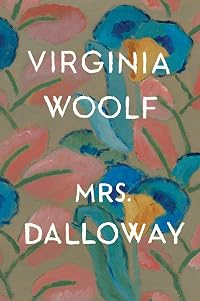
Mrs. Dalloway
by Virginia Woolf
On This Page
Description
Virginia Woolf's Mrs. Dalloway is back for a fresh release from Duke Classics. One thread follows Clarissa Dalloway as she spends a day planning to host a party in post-WWI England. Another follows the path of Septimus Smith, a struggling war veteran. Reflections on wartime, love, and the past are woven together before intersecting at the story's climax..
Tags
Recommendations

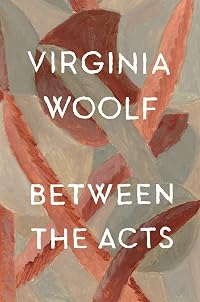
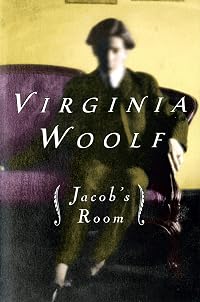
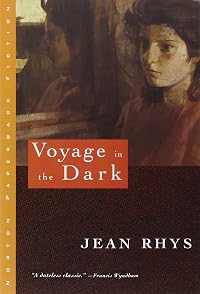
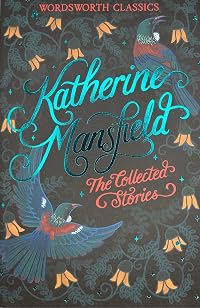


Member Recommendations
232


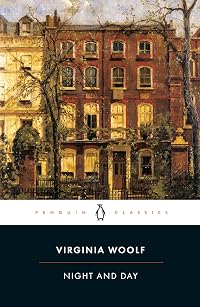
DanLovesAlice As much as Clarissa Dalloway is a product of a constrictive society, Sinclair's Harriet Frean is even worse. Severely psychologically affected in later life by her parent's rules, her individuality and freedom is ruined by always 'behaving beautifully'.



shaunie The subject matter is quite different but the writing style is similar, it's a shame One Fine Day is much less well known.
Member Reviews
What might be on the surface a three-line story cluttered by flighty streams of consciousness, is so layered, so complementary and interwoven and with hints of deeper psychology that the scattered thoughts of a group of people over the course of a day somehow captures a nuanced study of the human condition, as well as an inwardly-repressed-but-outwardly-jubilant-and-grateful attitude particular to post-WWI London.
The streams of consciousness prose is surprisingly and yet also unsurprisingly natural. If the novel had been edited to read more "straightforward", it would lose its gentle mellifluousness and make more jarring the often cinematic manner the streams leap from one point of view to another. It was a beautiful way of connecting show more people and time, the way, say, we see the skywriting plane from one character from one side of a park, zoom in to plane in the sky and zoom out into the thoughts of another character on the other side of the park, or the way we are lead through the thoughts of the people the car passes in the opening scene. In fact, the literary manner of this internal monologue segue can be employed much more obliquely than permitted on film through an extra dimension of a wordplay segue, the example from the novel I forgot to mark. The in-line, unparagraphed dialogues were also effectively employed to allow for an uninterrupted flow between internal and external speeches.
There is so much literary analysis and point of views to be excavated from the mere two hundred pages that it definitely bears a reread in the future, at the latest at the age of fifty-two with recommended first-time reading age of the -teen age. My copy of the book contains an insightful introduction from Elaine Showalter who brought my attention to, amongst other literary details, how easily the proportions of the book could have been thrown into disarray, and thus added to my appreciation of the complexity and cohesion of the novel. show less
The streams of consciousness prose is surprisingly and yet also unsurprisingly natural. If the novel had been edited to read more "straightforward", it would lose its gentle mellifluousness and make more jarring the often cinematic manner the streams leap from one point of view to another. It was a beautiful way of connecting show more people and time, the way, say, we see the skywriting plane from one character from one side of a park, zoom in to plane in the sky and zoom out into the thoughts of another character on the other side of the park, or the way we are lead through the thoughts of the people the car passes in the opening scene. In fact, the literary manner of this internal monologue segue can be employed much more obliquely than permitted on film through an extra dimension of a wordplay segue, the example from the novel I forgot to mark. The in-line, unparagraphed dialogues were also effectively employed to allow for an uninterrupted flow between internal and external speeches.
There is so much literary analysis and point of views to be excavated from the mere two hundred pages that it definitely bears a reread in the future, at the latest at the age of fifty-two with recommended first-time reading age of the -teen age. My copy of the book contains an insightful introduction from Elaine Showalter who brought my attention to, amongst other literary details, how easily the proportions of the book could have been thrown into disarray, and thus added to my appreciation of the complexity and cohesion of the novel. show less
“Mrs. Dalloway” is a classic, considered by some to be the finest modern novel. That sort of recommendation is enough to make me approach carefully; I’m not educated enough to fully appreciate the great works and I find reading them a chore. But I’m happy to say that, although I found the first bit tedious, it didn’t take me long to get sucked into the story.
It’s not that the plot is engaging; there is almost no plot. The book is merely a record of one day in the life of Clarissa Dalloway, and that of a few of her friends, and some people that she passes by. We are given access to their thoughts as they go about their day. Clarissa buys flowers, mends a dress, and gives a party. She hosts a visitor, just back from India. show more She thinks about a girl from her school days, with whom she had been in love. Septimus Smith, suffering from PTSD from WW I and the loss of a fellow soldier with whom he’d been in love, quietly sinks into a fatal madness. The stream of consciousness leads us seamlessly through the minds of these people; there are no chapters to provide breaking points. Wolff’s prose is simply beautiful; she describes the everyday moments that are usually forgotten or ignored as things of beauty. But the book is not just pretty prose; there is surprising depth to some of the characters. Clarissa and Septimus, in particular, although not directly connected, seem to be two sides of the questions of life and death. Five stars. show less
It’s not that the plot is engaging; there is almost no plot. The book is merely a record of one day in the life of Clarissa Dalloway, and that of a few of her friends, and some people that she passes by. We are given access to their thoughts as they go about their day. Clarissa buys flowers, mends a dress, and gives a party. She hosts a visitor, just back from India. show more She thinks about a girl from her school days, with whom she had been in love. Septimus Smith, suffering from PTSD from WW I and the loss of a fellow soldier with whom he’d been in love, quietly sinks into a fatal madness. The stream of consciousness leads us seamlessly through the minds of these people; there are no chapters to provide breaking points. Wolff’s prose is simply beautiful; she describes the everyday moments that are usually forgotten or ignored as things of beauty. But the book is not just pretty prose; there is surprising depth to some of the characters. Clarissa and Septimus, in particular, although not directly connected, seem to be two sides of the questions of life and death. Five stars. show less
I'm reading through Virginia Woolf's work and this book is both my first on the theme, and my first book of the year. It's a surprisingly difficult novel on a simple single day in the life of a of the wife of a not quite successful MP, who is throwing party in her Westminster home for friends and political connections. The Prime Minister will stop by. But the novel is anything but simple, and the reader can tell this right away from the famous opening line, "Mrs. Dalloway said she would buy the flowers herself.". The complexity is in every moment, in every sentence, and it's really glorious. The narrative doesn't stay with Clarissa Dalloway, but roams around various characters with various perspectives and issues. We see the same show more events, or the same times of the day, from different characters who know nothing about what our last character just experienced. The narrative has the reader making associations all over the place, between characters and perspectives, between times, between now and wherever their memories take them, and how the events and feelings in these memories fit into who these characters are right now. And all of this is just the bones, the structure into how Woolf brings about the affects she is trying to create.
I'm going to say here, I'm not her best reader. But I adored this book, and everything about it. I enjoyed hacking away at it, paragraph by paragraph. When I was sharp, it was a "quick" 3 minutes a page. When tired, impossible. When in between there was a lot of rereading. There was a lot of rereading anyway. And a lot of notes.
The story of Mrs. Dalloway is only partially about our central figure. First, it's a contrast. We see our a settled, pat, confused in life and herself, changing, menopausal, fading, wealthy, sheltered, shallow but also appealing Mrs. Dalloway in parallel with Septimus Smith, a WWI veteran and war hero who lost his ability to feel after the war, and eventually, by the time we get here on this one day, his mind. The entire novel takes place on June 23, 1923, in some dialogue with [Ulysses] which has a similar one-day in June take. The other reason it's not about Clarissa Dalloway, nee Parry, is because we spend so much time in the minds and views of so many other characters - Peter Walsh, her childhood love-interest, Rezia, the loving and worried Italian wife of Septimus, Lady Rosseter - nee Sally Seton - a savvy childhood friend, the well-educated Doris Kilman who lost her wealth and has become impoverished and religious, Elizabeth Dalloway - Clarissa's daughter, Richard Dalloway, her husband, political influencer Lady Mullicent Bruton who admires Richard, Ellie Henderson - Clarissa's discarded childhood friend, and many others.
A few impressions by paragraph:
We are deep in modernism. Now, this moment, this stream of consciousness, also means deep emotional dives into the past. And it means technology in life. Back-firing cars and noisy airplanes advertising with smoke, whaling ambulances. We walk the streets around Westminster and Regents Park. We ride the bus and feel the weather, which blows into windows. Private noises make their way onto the city streets, and the pedestrians' imaginations. We are rich in sensation and changing perspectives. (The introduction compares these changing perspectives to cinema and to Cubism.)
And we are deep in Woolf's elegance. Loneliness is conveyed by the "trouble and suspense of things conglomerated there in the darkness" at night. Peter, just off a boat from India, reflects "the earth, after the voyage, still seemed an island to him, the strangeness of standing alone, alive, unknown, at half-past eleven in Trafalgar square overcame him." An attractive woman disappears "as the light of a lamp goes wavering at night over the hedges in the darkness." Or Clarissa, momentarily, before it passes "cried, as a sleeper in the night, starts and stretches a hand in the darkness." And, near the end at the party, Clarissa steps in a quiet room, and "The party's splender fell to the floor..."
And we are in time. The long working title of this novel in draft form, for a couple years, was "The Hours". Time rings as Big Ben tolls through the day. Time effects everyone - the decades of their pasts, the biological clocks. Clarissa is 52, dealing with menopause. Walsh, the same age, is in an outright mid-life crisis. The book is peppered with women from all different stages of their lives, from childhood and elderly.
------
One of many interesting aspects of this book is the way it came about. Woolf's original plan was to write six loosely connected short stories. But she felt a need to connect them in the narrative. And she slowly reworked and developed her novel over several years, reworking the style until she felt comfortable, reworking the structure, adding major characters later in the process. What's cool is all this is documented because Woolf wrote everything out in longhand in her notebooks and we still have them. So every variation is preserved. See more here, including a notebook: https://www.britishlibrary.cn/en/articles/introduction-to-mrs-dalloway/
I'll conclude by noting, as I'm prone to, that as much as I try, I can't capture what this book is doing, or how it does it. How all within is mixed together in a stream of conscious, keeping the reader in string of associations within the book. And how it touches our own lives. The life trajectory is in here. Clarissa has lived, and now past her best years, she will be looking to preparing herself for death, even at only age 52. She is at the cusp, just over it, on the downward slide. And us, dear readers, washed over with the prose, the structure and experience, the cast of characters, and so many Shakespeare references, can't help but seeing our own lives end to end, as we read this, and orienting our present within our full lifeline. Perhaps the book is a little call to life.
2026
https://www.librarything.com/topic/377230#9085268 show less
I'm going to say here, I'm not her best reader. But I adored this book, and everything about it. I enjoyed hacking away at it, paragraph by paragraph. When I was sharp, it was a "quick" 3 minutes a page. When tired, impossible. When in between there was a lot of rereading. There was a lot of rereading anyway. And a lot of notes.
The story of Mrs. Dalloway is only partially about our central figure. First, it's a contrast. We see our a settled, pat, confused in life and herself, changing, menopausal, fading, wealthy, sheltered, shallow but also appealing Mrs. Dalloway in parallel with Septimus Smith, a WWI veteran and war hero who lost his ability to feel after the war, and eventually, by the time we get here on this one day, his mind. The entire novel takes place on June 23, 1923, in some dialogue with [Ulysses] which has a similar one-day in June take. The other reason it's not about Clarissa Dalloway, nee Parry, is because we spend so much time in the minds and views of so many other characters - Peter Walsh, her childhood love-interest, Rezia, the loving and worried Italian wife of Septimus, Lady Rosseter - nee Sally Seton - a savvy childhood friend, the well-educated Doris Kilman who lost her wealth and has become impoverished and religious, Elizabeth Dalloway - Clarissa's daughter, Richard Dalloway, her husband, political influencer Lady Mullicent Bruton who admires Richard, Ellie Henderson - Clarissa's discarded childhood friend, and many others.
A few impressions by paragraph:
We are deep in modernism. Now, this moment, this stream of consciousness, also means deep emotional dives into the past. And it means technology in life. Back-firing cars and noisy airplanes advertising with smoke, whaling ambulances. We walk the streets around Westminster and Regents Park. We ride the bus and feel the weather, which blows into windows. Private noises make their way onto the city streets, and the pedestrians' imaginations. We are rich in sensation and changing perspectives. (The introduction compares these changing perspectives to cinema and to Cubism.)
And we are deep in Woolf's elegance. Loneliness is conveyed by the "trouble and suspense of things conglomerated there in the darkness" at night. Peter, just off a boat from India, reflects "the earth, after the voyage, still seemed an island to him, the strangeness of standing alone, alive, unknown, at half-past eleven in Trafalgar square overcame him." An attractive woman disappears "as the light of a lamp goes wavering at night over the hedges in the darkness." Or Clarissa, momentarily, before it passes "cried, as a sleeper in the night, starts and stretches a hand in the darkness." And, near the end at the party, Clarissa steps in a quiet room, and "The party's splender fell to the floor..."
And we are in time. The long working title of this novel in draft form, for a couple years, was "The Hours". Time rings as Big Ben tolls through the day. Time effects everyone - the decades of their pasts, the biological clocks. Clarissa is 52, dealing with menopause. Walsh, the same age, is in an outright mid-life crisis. The book is peppered with women from all different stages of their lives, from childhood and elderly.
------
One of many interesting aspects of this book is the way it came about. Woolf's original plan was to write six loosely connected short stories. But she felt a need to connect them in the narrative. And she slowly reworked and developed her novel over several years, reworking the style until she felt comfortable, reworking the structure, adding major characters later in the process. What's cool is all this is documented because Woolf wrote everything out in longhand in her notebooks and we still have them. So every variation is preserved. See more here, including a notebook: https://www.britishlibrary.cn/en/articles/introduction-to-mrs-dalloway/
I'll conclude by noting, as I'm prone to, that as much as I try, I can't capture what this book is doing, or how it does it. How all within is mixed together in a stream of conscious, keeping the reader in string of associations within the book. And how it touches our own lives. The life trajectory is in here. Clarissa has lived, and now past her best years, she will be looking to preparing herself for death, even at only age 52. She is at the cusp, just over it, on the downward slide. And us, dear readers, washed over with the prose, the structure and experience, the cast of characters, and so many Shakespeare references, can't help but seeing our own lives end to end, as we read this, and orienting our present within our full lifeline. Perhaps the book is a little call to life.
2026
https://www.librarything.com/topic/377230#9085268 show less
Despite having read and loved A Room of One's Own, I had not yet read any of Woolf's fiction. Actually, I had attempted to read this once before, but my brain bounced right off of it, so I put it back on the shelves for another time.
THIS WAS THAT TIME.
Listen, I am fully aware that I missed a lot of this book. I know almost nothing of London, and it took me an embarrassingly long time to fully realize that this takes place right after WWI, not WWII. There were parts of this book that I strained to focus on. But when it sang for me it REALLy sang.
Mrs. Dalloway is a society wife preparing to throw a party that evening. She leaves the house to pick up some flowers, and the novel bounces from person to person as they encounter each other, show more always circling Mrs. Dalloway and her upcoming party — including her husband, various guests, an old suitor, the doctors of a man who came home from the war altered, women who resent Mrs. Dalloway, people who admire her, her daughter... along the way painting a portrait of a moment in time among a certain social class.
I am glad I finally manipulated myself into reading this one, and hope in the future I will be less "afraid of Virginia Woolf," as there are a number of her other novels on my shelves, long neglected. show less
THIS WAS THAT TIME.
Listen, I am fully aware that I missed a lot of this book. I know almost nothing of London, and it took me an embarrassingly long time to fully realize that this takes place right after WWI, not WWII. There were parts of this book that I strained to focus on. But when it sang for me it REALLy sang.
Mrs. Dalloway is a society wife preparing to throw a party that evening. She leaves the house to pick up some flowers, and the novel bounces from person to person as they encounter each other, show more always circling Mrs. Dalloway and her upcoming party — including her husband, various guests, an old suitor, the doctors of a man who came home from the war altered, women who resent Mrs. Dalloway, people who admire her, her daughter... along the way painting a portrait of a moment in time among a certain social class.
I am glad I finally manipulated myself into reading this one, and hope in the future I will be less "afraid of Virginia Woolf," as there are a number of her other novels on my shelves, long neglected. show less
This book is why I give three stars to many books I enjoyed reading. If I were to give every good book five stars, then I’d have to try to find a way to give this one ten.
I’ll admit, though, that I made a stab at it many years ago and didn’t get very far. Sometimes, there is the right time for a book. In this case, I picked it up again one hundred years after it was published, on a June day, much like the one on which Clarissa Dalloway sets out to buy flowers for the party she will give that evening.
The stream of consciousness and change from Clarissa’s perspective to that of other characters, particularly that of her polar opposite, Septimus Warren Smith, drew me in. Above all, I was taken with the appreciation of the miracle show more of life (in each precious moment) in the face of our awareness of death. This recurs in Clarissa’s thoughts but is also felt by others, for instance, Peter Walsh, an old suitor who returns from India that day: “By conviction an atheist perhaps, he is taken by surprise with moments of extraordinary exaltation.” show less
I’ll admit, though, that I made a stab at it many years ago and didn’t get very far. Sometimes, there is the right time for a book. In this case, I picked it up again one hundred years after it was published, on a June day, much like the one on which Clarissa Dalloway sets out to buy flowers for the party she will give that evening.
The stream of consciousness and change from Clarissa’s perspective to that of other characters, particularly that of her polar opposite, Septimus Warren Smith, drew me in. Above all, I was taken with the appreciation of the miracle show more of life (in each precious moment) in the face of our awareness of death. This recurs in Clarissa’s thoughts but is also felt by others, for instance, Peter Walsh, an old suitor who returns from India that day: “By conviction an atheist perhaps, he is taken by surprise with moments of extraordinary exaltation.” show less
I was quite leery of reading Mrs. Dalloway, my second Virginia Woolf as I wasn’t a fan of my first attempt, Jacob’s Room. Once again the dreaded words “stream of consciousness” arose and I approached the book with trepidation. I chose to listen to the book as read by Juliet Stevenson, and this was an excellence choice as she did a stellar job and made the book come alive.
Mrs. Dalloway is a day in the life of Clarissa Dalloway, a high society woman in post WW I England. Mrs. Dalloway’s main concerns revolve around relationships and connections. On this particular day she is preparing to host a party and as she goes through the day getting ready for the evening, she muses on her past relationships and how her life has turned show more out. One gets the sense that somewhere along the way, she has lost her inner self to the Mayfair hostess she shows to the outside world.
We don’t spend the whole book locked in Mrs. Dalloways’ head. There is another storyline that runs parallel to that of Clarissa’s. This one involves a war veteran, Septimus Smith and his wife Lucrezia. Septimus is suffering from post traumatic stress and although he and Clarissa do not meet on this day, his actions are to affect her. We also meet and are given an insight into her past with encounters with her past suitor, Peter Walsh and her childhood best friend Sally Seton.
Surprise, surprise! I loved this book. The author was able to place me inside this woman’s head and make me privy to her inner most thoughts. Although some would find her shallow and selfish, I found myself relating to her. I think most everyone thinks about their choices and wonder what life would be like if they had chosen a different path. This is a short book but is packed with unforgettable images and beautiful language and ultimately is a story about wasted potential. show less
Mrs. Dalloway is a day in the life of Clarissa Dalloway, a high society woman in post WW I England. Mrs. Dalloway’s main concerns revolve around relationships and connections. On this particular day she is preparing to host a party and as she goes through the day getting ready for the evening, she muses on her past relationships and how her life has turned show more out. One gets the sense that somewhere along the way, she has lost her inner self to the Mayfair hostess she shows to the outside world.
We don’t spend the whole book locked in Mrs. Dalloways’ head. There is another storyline that runs parallel to that of Clarissa’s. This one involves a war veteran, Septimus Smith and his wife Lucrezia. Septimus is suffering from post traumatic stress and although he and Clarissa do not meet on this day, his actions are to affect her. We also meet and are given an insight into her past with encounters with her past suitor, Peter Walsh and her childhood best friend Sally Seton.
Surprise, surprise! I loved this book. The author was able to place me inside this woman’s head and make me privy to her inner most thoughts. Although some would find her shallow and selfish, I found myself relating to her. I think most everyone thinks about their choices and wonder what life would be like if they had chosen a different path. This is a short book but is packed with unforgettable images and beautiful language and ultimately is a story about wasted potential. show less
Mrs. Dalloway - Woolf
Audio performance by Juliet Stevenson (4 star performance)
3 stars
I started with the audio. I found that my attention continually wandered away from the wandering narrative. I don’t usually have trouble attending to an audiobook, but if I followed my own stream of consciousness for even 30 seconds, I completely lost the thread of Virginia Woolf’s meandering prose.
I began again with the printed text. I headed out with Clarissa Dalloway to buy some flowers, ran into Hugh Whitbread … and I couldn’t keep my eyes open, just waiting for something to happen.
Eventually, I listened to Juliet Stevenson read, with her perfect inflections, while I had the text in front of my eyes. After a while, I was able to show more appreciate the flow of the language and the cinematic change of viewpoints. This is an incredible, perfectly crafted piece of writing. I could almost feel Woolf agonizing over the precise wording and exact placement of each word and punctuation mark.
It felt artificial. Was that deliberate? She was, in fact, portraying the artificial lives of people who exist isolated inside their personal facades. I can admire the final product, this iconic piece literature. I just didn’t like it. It took a great deal of effort to read. At the end, I didn’t care enough about any of the characters to feel that if was worth the effort. show less
Audio performance by Juliet Stevenson (4 star performance)
3 stars
I started with the audio. I found that my attention continually wandered away from the wandering narrative. I don’t usually have trouble attending to an audiobook, but if I followed my own stream of consciousness for even 30 seconds, I completely lost the thread of Virginia Woolf’s meandering prose.
I began again with the printed text. I headed out with Clarissa Dalloway to buy some flowers, ran into Hugh Whitbread … and I couldn’t keep my eyes open, just waiting for something to happen.
Eventually, I listened to Juliet Stevenson read, with her perfect inflections, while I had the text in front of my eyes. After a while, I was able to show more appreciate the flow of the language and the cinematic change of viewpoints. This is an incredible, perfectly crafted piece of writing. I could almost feel Woolf agonizing over the precise wording and exact placement of each word and punctuation mark.
It felt artificial. Was that deliberate? She was, in fact, portraying the artificial lives of people who exist isolated inside their personal facades. I can admire the final product, this iconic piece literature. I just didn’t like it. It took a great deal of effort to read. At the end, I didn’t care enough about any of the characters to feel that if was worth the effort. show less
Members
- Recently Added By
Published Reviews
"Mrs. Dalloway" é um romance escrito por Virginia Woolf e publicado em 1925. A história se passa em Londres, em um único dia de junho, e acompanha a personagem Clarissa Dalloway, uma mulher de classe alta que se prepara para uma festa que dará à noite. A narrativa alterna entre os pensamentos e experiências de Clarissa e os de outros personagens ligados a ela.
Enquanto Clarissa passa o show more dia se preparando para a festa, ela reflete sobre seu passado, suas escolhas e seus relacionamentos. O romance se aprofunda em suas memórias, capturando o fluxo de consciência dos personagens e revelando o funcionamento interno de suas mentes. Os pensamentos de Clarissa são justapostos aos de Septimus Warren Smith, um veterano da Primeira Guerra Mundial em estado de choque, que está lutando contra sua própria saúde mental.
O romance explora temas como tempo, memória, classe social e o impacto da guerra sobre os indivíduos. Por meio do estilo narrativo inovador de Woolf, os leitores têm uma visão da vida interior e das emoções dos personagens. O foco central em um único dia permite uma exploração profunda dos pensamentos e sentimentos dos personagens, destacando as intrincadas conexões entre os indivíduos em uma sociedade que passa por mudanças sociais e culturais significativas.
"Mrs. Dalloway" é celebrado por suas técnicas narrativas modernistas, incluindo o uso de fluxo de consciência, monólogo interior e uma estrutura não linear. O romance é considerado uma obra de referência na exploração literária da psique humana e das complexidades das relações sociais. O estilo de prosa de Woolf e sua capacidade de captar as nuances da vida cotidiana contribuem para a importância duradoura de "Mrs. Dalloway" no cânone da literatura modernista. show less
Enquanto Clarissa passa o show more dia se preparando para a festa, ela reflete sobre seu passado, suas escolhas e seus relacionamentos. O romance se aprofunda em suas memórias, capturando o fluxo de consciência dos personagens e revelando o funcionamento interno de suas mentes. Os pensamentos de Clarissa são justapostos aos de Septimus Warren Smith, um veterano da Primeira Guerra Mundial em estado de choque, que está lutando contra sua própria saúde mental.
O romance explora temas como tempo, memória, classe social e o impacto da guerra sobre os indivíduos. Por meio do estilo narrativo inovador de Woolf, os leitores têm uma visão da vida interior e das emoções dos personagens. O foco central em um único dia permite uma exploração profunda dos pensamentos e sentimentos dos personagens, destacando as intrincadas conexões entre os indivíduos em uma sociedade que passa por mudanças sociais e culturais significativas.
"Mrs. Dalloway" é celebrado por suas técnicas narrativas modernistas, incluindo o uso de fluxo de consciência, monólogo interior e uma estrutura não linear. O romance é considerado uma obra de referência na exploração literária da psique humana e das complexidades das relações sociais. O estilo de prosa de Woolf e sua capacidade de captar as nuances da vida cotidiana contribuem para a importância duradoura de "Mrs. Dalloway" no cânone da literatura modernista. show less
added by Peter_MacTroy
Lists

The Guardian's 1000 Novels Everyone Must Read
1,005 works; 548 members

1001 Books You Must Read Before You Die
1,448 works; 1,134 members

Radcliffe's 100 Best Novel of the 20th Century
100 works; 32 members

The Top Ten: Writers Pick Their Favorite Books
240 works; 31 members
20th Century Literature
1,161 works; 55 members
Best of British Literature
226 works; 41 members
The 100 Best Books of All Time by Norwegian Book Club (World Library)
104 works; 23 members

Female Author
1,234 works; 67 members

Newsweek's Top 100 Books: The Meta-List
100 works; 18 members
Female Protagonist
1,056 works; 57 members

Best Books Set in London
157 works; 42 members

Best Psychological Fiction
81 works; 16 members
In and About the 1920s
181 works; 31 members

Best Feminist Literature
188 works; 26 members
Literature About Social Class
134 works; 19 members

Pre-1969 LGBTQ Literature
182 works; 69 members
Stream of Consciousness
87 works; 8 members

Unread books
1,063 works; 87 members

Women's Stories
88 works; 13 members

The Guardian's 100 greatest novels of all time
100 works; 16 members
Time Magazine's "All-Time 100"
113 works; 15 members
Canon de la narrativa universal del siglo XX
254 works; 6 members
Favourite Books
1,820 works; 316 members

Recommend the 20 best books you've read in the last five years
2,168 works; 606 members

Books Featured on Gilmore Girls
307 works; 21 members
Harold Bloom - The Western Canon: D. The Chaotic Age
833 works; 24 members
Folio Society
831 works; 53 members

Experimental Literature
141 works; 19 members

Western World's Greatest Books - Project Gutenberg
295 works; 15 members

Top Five Books of 2020
982 works; 350 members
Most difficult novels
68 works; 27 members

Best Lesbian Fiction (And Narrative Non-Fiction)
155 works; 36 members
Women's reading list
50 works; 7 members

Books I've Read More Than Once
602 works; 49 members

The Well-Educated Mind Reading Challenge
75 works; 7 members
Blue Pyramid 1,276 Best Books of All Time
1,248 works; 32 members

Global Reads: Books Set in the United Kingdom and Ireland
109 works; 5 members
Time's All-Time 100 Novels
100 works; 27 members

Best Beach Reads
99 works; 61 members

Novels set over the course of a single day (or less)
72 works; 8 members
1,001 BYMRBYD Concensus
723 works; 27 members

A Novel Cure
742 works; 23 members

One Book, Many Authors
441 works; 40 members

Top Five Books of 2019
387 works; 111 members
Literature About Women and Girls
394 works; 39 members
Best First Lines
133 works; 8 members
College Reads (Lit Edition)
75 works; 5 members
1920s
141 works; 6 members

Woolf ranked
9 works; 3 members
The Greatest Books
99 works; 5 members

Top 100 to Read before you Die
109 works; 7 members

Publishing Triangle 100 Best Lesbian and Gay Novels
97 works; 6 members

The Guardian's 100 Best Novels Written in English
105 works; 13 members

Rory Gilmore Book Club
193 works; 5 members

Modernism
140 works; 8 members
Elegant Prose
80 works; 4 members
Ten Books That Have Stayed With Me
160 works; 30 members

Top 50 Favourite Books
50 works; 2 members

Well-Educated Mind
150 works; 3 members

Books Read in 2022
5,226 works; 115 members
United Kingdom
82 works; 5 members

Most Depressing Books
69 works; 16 members
Best Domestic Fiction
77 works; 6 members

Existentialism
90 works; 11 members
Overdue Podcast
808 works; 9 members

99 Bücher, die man gelesen haben muss
37 works; 1 member

Books I've read
87 works; 2 members

Emily's Reviews
14 works; 1 member

Favorite Books from the 1920s
33 works; 3 members
Books Read in 2016
4,666 works; 197 members
E's Reader
30 works; 1 member

Blackwell's Five Foot Bookshelf
72 works; 4 members

For Further Reading: A List of 160 Novels from 15 Literatures
160 works; 4 members

Books Read in 2020
4,379 works; 124 members

Plan to Read Books
75 works; 1 member
http://thegreatestbooks.org's Greatest Fiction Books
59 works; 1 member

Literary Witches
86 works; 4 members
2021 - List of books read
53 works; 1 member

Top Five Books of 2024
795 works; 264 members
The 150 Greatest Novels of All Time
150 works; 6 members

Classics Reading List
16 works; 1 member
Canon de la narrativa universal del s. XX (cicutadry)
499 works; 3 members

Recommended Reading : 600 Classics Reviewed, Editors of Salem Press, 2015
634 works; 6 members
The Well-Educated Mind, Susan Wise Bauer, 2016
179 works; 3 members

DigitalDreamDoor top 300
300 works; 4 members
Books available on Open Library
171 works; 4 members

Books That Changed Our Perspective
423 works; 168 members
The Complete Rory Gilmore Reading List
506 works; 5 members

Books We Couldn't Put Down
443 works; 197 members
School Made Us Read It
380 works; 196 members

Totally Biased List of Tookie’s Favorite Books: Short Perfect Novels
13 works; 1 member
Reading LIst
648 works; 1 member

One Day
27 works; 2 members
.
396 works; 1 member
In Our Time books
4,934 works; 2 members
Library List - Pulitzer Adjacent
40 works; 1 member

Random Internet Recommendations
18 works; 1 member

Greatest Books, allegedly
484 works; 9 members
Great Short Books: A Year of Reading-Briefly
59 works; 4 members
Books You Read For University
184 works; 3 members

Books Read in 2018
4,360 works; 110 members
Read
28 works; 1 member

Art of Reading
188 works; 5 members

Books Read in 2011
684 works; 19 members

Literary Works Read in College
316 works; 15 members
Books referenced in A Very Great Profession: The Woman's Novel 1914-39
199 works; 6 members
Literature About Suicide
24 works; 4 members
Read These Too
458 works; 9 members
Goalhanger Book Club
21 works; 1 member

Literature About Mental Illness
37 works; 5 members

Best books I read in 2013
152 works; 3 members

Books Read in 2019
4,052 works; 110 members
AP Lit
363 works; 6 members

Books Read in 2013
1,630 works; 51 members
Books With Our Favorite First Lines
168 works; 104 members
Totally Biased List of Tookie’s Favorite Books
10 works; 1 member
New Lifetime Reading Plan by Fadiman and Major
225 works; 5 members
Five star books
1,767 works; 110 members

You Couldn't Pay Me to Read That (Take 2)
203 works; 86 members
Best of World Literature
436 works; 52 members
Talk Discussions
Past Discussions
Virginia Woolf: Mrs. Dalloway in Author Theme Reads (February 2009)
Author Information

657+ Works 119,346 Members
Virginia Woolf was born in London, England on January 25, 1882. She was the daughter of the prominent literary critic Leslie Stephen. Her early education was obtained at home through her parents and governesses. After death of her father in 1904, her family moved to Bloomsbury, where they formed the nucleus of the Bloomsbury Group, a circle of show more philosophers, writers, and artists. During her lifetime, she wrote both fiction and non-fiction works. Her novels included Jacob's Room, Mrs. Dalloway, To the Lighthouse, Orlando, and Between the Acts. Her non-fiction books included The Common Reader, A Room of One's Own, Three Guineas, The Captain's Death Bed and Other Essays, and The Death of the Moth and Other Essays. Having had periods of depression throughout her life and fearing a final mental breakdown from which she might not recover, Woolf drowned herself on March 28, 1941 at the age of 59. Her husband published part of her farewell letter to deny that she had taken her life because she could not face the terrible times of war. (Bowker Author Biography) show less
Some Editions
Awards and Honors
Awards
Distinctions
Notable Lists
Series
Belongs to Publisher Series
De Bezige Bij 70 ([12])
Perpetua reeks (60)
Penguin Clothbound Classics (2020)
Les ales esteses (335)
A tot vent (150)
Penguin English Library, 2012 series (2018-06)
Fischer Taschenbuch (1982)
Gallimard, Folio (2643)
Work Relationships
Is contained in
Has the adaptation
Is abridged in
Is expanded in
Inspired
Has as a reference guide/companion
Has as a study
Has as a commentary on the text
Has as a student's study guide
Common Knowledge
- Canonical title*
- Mevrouw Dalloway
- Original title
- Mrs Dalloway
- Alternate titles*
- Mrs Dalloway
- Original publication date
- 1925-05-14
- People/Characters
- Clarissa Dalloway; Septimus Warren Smith; Peter Walsh; Doris Kilman; Elizabeth Dalloway; Lady Bruton (show all 8); Sally Seton; Sir William Bradshaw
- Important places
- London, England, UK; England, UK
- Important events
- World War I
- Related movies
- Mrs. Dalloway (1997 | Marleen Gorris | IMDb); The Hours (2002 | IMDb); Clarissa (2026 | IMDb)
- First words
- Mrs. Dalloway said she would buy the flowers herself.
For Lucy had her work cut out for her. The doors would be taken off their hinges; Rumpelmayer's men were coming. And then, thought Clarissa Dalloway, what a morning... (show all)—fresh as if issued to children on a beach. - Quotations
- ... the dwindling of life; how year by year her share was sliced; how little the margin that remained was capable of stretching... (p. 44)
The strange thing, on looking back, was the purity, the integrity of her feeling for Sally. It was not like one's feeling for a man. It was completely disinterested, and besides, it had a quality which could only exist betwee... (show all)n women, between women just grown up. (p. 50)
But proportion has a sister... Conversion is her name and she feasts on the wills of the weakly, loving to impress, to impose, adoring her won features stamped on the face of the populace, (p. 151) - Last words
- (Click to show. Warning: May contain spoilers.)“I will come,” said Peter, but he sat on for a moment. What is this terror? what is this ecstasy? he thought to himself. What is it that fills me with extraordinary excitement?
It is Clarissa, he said.
For there she was. - Blurbers
- Cunningham, Michael
- Original language
- English
- Disambiguation notice
- "Mrs. Dalloway," "Mrs. Dalloway's Party," "The Mrs. Dalloway Reader," and "Mrs. Dalloway" in combination with other titles (e.g., "The Waves" or "To the Lighthouse") are each distinct works or combinations of works. Please p... (show all)reserve these distinctions, and don't combine any of the other works with this one. Thank you.
*Some information comes from Common Knowledge in other languages. Click "Edit" for more information.
Classifications
Statistics
- Members
- 23,344
- Popularity
- 216
- Reviews
- 378
- Rating
- (3.85)
- Languages
- 30 — Catalan, Chinese, Czech, Danish, Dutch, English, Estonian, Finnish, French, German, Galician, Greek, Hungarian, Italian, Japanese, Korean, Lithuanian, Norwegian (Bokmål), Panjabi, Farsi/Persian, Polish, Romanian, Russian, Croatian, Slovenian, Spanish, Swedish, Turkish, Ukrainian, Portuguese (Portugal)
- Media
- Paper, Audiobook, Ebook
- ISBNs
- 524
- UPCs
- 3
- ASINs
- 200