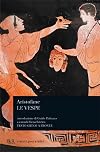
The Wasps [translations]
by Aristophanes
On This Page
Description
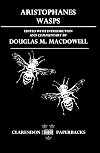
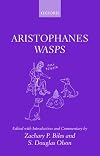
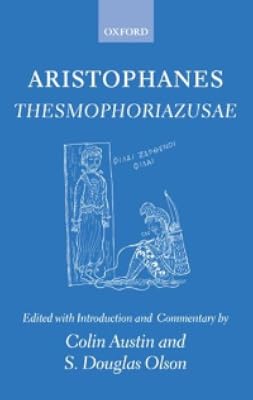
Aristophanes' Wasps was produced in Athens in 422 BCE. Like other Aristophanic comedies, it is a satire on Athenian society and democratic institutions, in this case focusing on the legal system and its supposed manipulation for personal ends by corrupt democratic leaders.This critical edition of the play includes the full Greek text, detailed commentary notes, and an extensive introduction. It represents a thorough re-evaluation of the play, providing a wealth of insights and advances in show more our understanding of the work and related topics since the last full scholarlycommentary by Douglas M. MacDowell in 1971. The text depends on a complete, independent collation of the manuscripts and contains numerous new choices of readings and emendations. The introduction guides readers around fundamental information; not just on Aristophanes' life, but on poetic andpolitical interpretations of the play, matters of staging, and the manuscript tradition. The extensive commentary aims to equip readers of all levels with the information they will need to appreciate the play in its original performance context, and to evaluate it as both an historical document andan artistic creation.This new critical edition will be a starting point for all further research on Wasps, and will serve readers and scholars for decades to come. show lessTags
Recommendations





















Member Recommendations

Artymedon In 425 before Christ, Aristophanes makes a play, The Wasps, about popular justice which inspires Jean Racine to write the Suitors in 1668.
Member Reviews
Most of the play was in rhyming verse, which I don't care for, especially in a translation where the author is forced to sacrifice accuracy for something that will work with the meter and rhyme. The story and references, like most Greek drama, are probably much better appreciated by the contemporaries of its author, but this play had its moments. It was a criticism of law, courts, and people's infatuation with sueing.
Las avispas es una comedia escrita por el comediógrafo griego Aristófanes. Es la cuarta en orden cronológico de las once comedias aristofánicas que han sobrevivido. Fue presentada durante el concurso de las fiestas Leneas en el 422 a. C., donde obtuvo el primer premio, por delante de Proagón, de Filónides y Embajadores, de Leucón. Debe su nombre a la identificación del coro, formado por miembros de los tribunales atenienses, con avispas armadas de aguijón. La obra es un ataque contra Cleón y el funcionamiento de los tribunales populares de la Heliea.
Ratings
Members
- Recently Added By
Lists

My Play Collection
769 works; 3 members

Next Plays / 2025
352 works; 1 member
Author Information

535 Works 20,742 Members
Aristophanes, 448 b.c. - 385 b.c. Aristophanes is considered to be one of the greatest comedic writers ever to have taken to the stage. He was born in Athens, Greece, in the town of Cydathenaeum. Aristophanes is believed to have been well educated, which would explain his propensity towards words. It is also believed that he owned land on the show more island of Aegina. Aristophanes was first a satirist, he was well known for attacking anything from politics to poets, mainly the war between Sparta and Athens and the poet Euripides. He wrote more than 40, eleven of which are still being acted today. "The Acharnians" was his first play, written in 425, B.C.. This was the first of his plays in reaction to the war, as well as the play "Peace." But perhaps Aristophanes most famous play, Lysistrata, made his true feelings of the war known. In this play, the women seek peace by claiming celibacy until the fighting is stopped. It is the play that he is most famous for, for capturing the feeling of the people in a way that was both lighthearted and poignant. Aristophanes died three years after the war ended, in 385, B.C.,but left behind a legacy that has lasted to the present day. (Bowker Author Biography) show less
Some Editions
Awards and Honors
Notable Lists
Series
Belongs to Publisher Series
Work Relationships
Is contained in
Inspired
Has as a student's study guide
Common Knowledge
Classifications
- Genre
- Fiction and Literature
- DDC/MDS
- 882.01 — Literature & rhetoric Classical & modern Greek literatures Classical Greek dramatic poetry and drama standard subdivisions; collections; history, description, critical appraisal; Specific periods Ancient period to ca. 499
- LCC
- PA3875 .V5 — Language and Literature Greek language and literature. Latin language and literature Greek literature Individual authors
- BISAC
Statistics
- Members
- 181
- Popularity
- 180,523
- Reviews
- 3
- Rating
- (3.29)
- Languages
- 12 — Catalan, Danish, English, French, German, Greek (Ancient), Greek, Italian, Polish, Portuguese, Russian, Spanish
- Media
- Paper, Ebook
- ISBNs
- 35
- ASINs
- 9