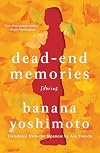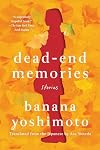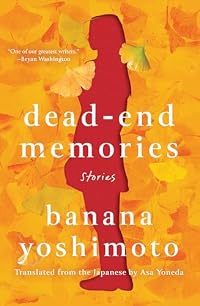
Dead-End Memories: Stories
by Banana Yoshimoto
On This Page
Description
Japan's internationally celebrated master storyteller returns with five stories of women on their way to healing that vividly portrays the blissful moments and the sorrows that surround us in everyday life First published in Japan in 2003, Dead-End Memories collects the stories of five women who, following sudden and painful events, quietly discover their ways back to recovery. Among the women we meet in Dead-End Memories is one betrayed by her fiance who finds a perfect refuge in an show more apartment above her uncle's bar while seeking the real meaning of happiness. In "House of Ghosts," the daughter of a yoshoku restaurant owner encounters the ghosts of a sweet elderly couple who haven't yet realized that they've been dead for years. In "Tomo-chan's Happiness," an office worker who is a victim of sexual assault finally catches sight of the hope of romance. Yoshimoto's gentle, effortless prose reminds us that one true miracle can be as simple as having someone to share a meal with, and that happiness is always within us if only we take a moment to pause and reflect. Discover this collection of what Yoshimoto herself calls the "most precious work of my writing career.". show lessTags
Recommendations












Member Recommendations
Member Reviews
Carpe Diem
🎧
“That time had been a gift from fortune, like a blanket gently laid over me by the heavens. It had been suffused with a rare joy, like if you made a curry and thrown in some leftover yogurt and spices apples, and maybe some extra onion on a whim and ended up in a one in a million chance with a dish that was immeasurably delicious but which you had no chance of creating. It had been an interlude that had shone so brightly because I hadn’t expected anything from anyone; I hadn’t needed to accomplish anything. Realizing this only deepened my sadness and gratitude.”
- From the title story of Dead-end Memories.
The six stories of optimism born of sorrow together with the gentle writings of Banana Yoshimoto make for a show more soothing read in troubled times.
They are very Japanese, very Zen, very gentle. The stories are based on every-day life events where there’s an interruption that leads to an overcoming. Darling buds of May inevitably trounce sorrow, and life goes on in any case.
Daily life centers upon life at work, eating in company restaurants, dating, marriage breakups, childhood - usual life experiences in a Japanese cultural context. But in each story there are disruptions that are overcome and individuals’ inner harmony is strengthened.
In one story there’s a rape and the young woman is able to overcome the trauma, and through her recovery becoming stronger. In another, a woman is poisoned by a disgruntled copy-editor who wanted the writer of the book he was editing, to include him as a co-author. The victim is seriously ill for months but is able to expunge the poison from her body, using the experience to purge herself of inner poison thus making her a better human being.
An adorable child who Budha-like sees beauty in people’s souls is kidnapped by his biological unmarried mother. She had sold him to a wealthy family where he was accepted as the son of the wealthy married man who had seduced her. Regretting her action the mother forcibly takes the boy back, bundling him into a car and speeding away, resulting in a crash where both are killed. But though he left behind sorrow, the child’s absence also left memories of his goodness.
Life goes on, and while reading I couldn’t help but thinking of MontyPython’s song, Always Look on the Bright Side of Life. But there’s more to the book than that. Even I, a cynic was tempted by the optimism of the writer’s characters. Though optimism isn’t quite the word I’m looking for. It’s not that the characters take disruptions and attacks in their stride, nor is it submission, nor the British stiff-upper lip. It’s more about taking what life gives you and finding the goodness that may emerge from bad outcomes. It’s about one’s inner-life rather than external disruptions. It’s about an attitude to living that allows joy to enter one’s life and how happy memories sustain it. show less
🎧
“That time had been a gift from fortune, like a blanket gently laid over me by the heavens. It had been suffused with a rare joy, like if you made a curry and thrown in some leftover yogurt and spices apples, and maybe some extra onion on a whim and ended up in a one in a million chance with a dish that was immeasurably delicious but which you had no chance of creating. It had been an interlude that had shone so brightly because I hadn’t expected anything from anyone; I hadn’t needed to accomplish anything. Realizing this only deepened my sadness and gratitude.”
- From the title story of Dead-end Memories.
The six stories of optimism born of sorrow together with the gentle writings of Banana Yoshimoto make for a show more soothing read in troubled times.
They are very Japanese, very Zen, very gentle. The stories are based on every-day life events where there’s an interruption that leads to an overcoming. Darling buds of May inevitably trounce sorrow, and life goes on in any case.
Daily life centers upon life at work, eating in company restaurants, dating, marriage breakups, childhood - usual life experiences in a Japanese cultural context. But in each story there are disruptions that are overcome and individuals’ inner harmony is strengthened.
In one story there’s a rape and the young woman is able to overcome the trauma, and through her recovery becoming stronger. In another, a woman is poisoned by a disgruntled copy-editor who wanted the writer of the book he was editing, to include him as a co-author. The victim is seriously ill for months but is able to expunge the poison from her body, using the experience to purge herself of inner poison thus making her a better human being.
An adorable child who Budha-like sees beauty in people’s souls is kidnapped by his biological unmarried mother. She had sold him to a wealthy family where he was accepted as the son of the wealthy married man who had seduced her. Regretting her action the mother forcibly takes the boy back, bundling him into a car and speeding away, resulting in a crash where both are killed. But though he left behind sorrow, the child’s absence also left memories of his goodness.
Life goes on, and while reading I couldn’t help but thinking of MontyPython’s song, Always Look on the Bright Side of Life. But there’s more to the book than that. Even I, a cynic was tempted by the optimism of the writer’s characters. Though optimism isn’t quite the word I’m looking for. It’s not that the characters take disruptions and attacks in their stride, nor is it submission, nor the British stiff-upper lip. It’s more about taking what life gives you and finding the goodness that may emerge from bad outcomes. It’s about one’s inner-life rather than external disruptions. It’s about an attitude to living that allows joy to enter one’s life and how happy memories sustain it. show less
Banana Yoshimoto’s Kitchen was wonderful, so I was very happy to find this short story collection. I found five beautiful slice of life stories, told in lovely, simple, and lyrical prose.
House of Ghosts
My favourite story! It’s about finding your way in life and becoming the person you need to be.
There are so many details here that make your heart beat faster. What can a family restaurant or a bakery do for its regular customers? It’s never “just a restaurant” or just a bakery, right? It’s heartwarming.
“Being a cook meant any meal I made could end up being someone’s last.”
We meet a couple of ghosts and end up in the nicest and most touching ghost story I’ve ever read. There’s romance too, of the quirky (all this show more talk about “holes”, come on :D), cozy, shining kind.
“My soul spoke, and what it said was: We’ve been lonely for so long, and this was why. We were so lonely we couldn’t even know it.”
Mama!
Old and new traumas come together in harrowing way, yet the main character survives this. A small act of kindness can save you.
Not Warm at All
A tapestry of thinking deeply about things, childhood memories and family tragedies.
Tomo-chan’s Happiness
You’ve been through so much, Tomo-chan. And yet…
“...Tomo-chan was safely held. By the velvety glow of the night, the touch of the wind as it drifts softly past, the blinking of stars, the voices of insects and things like that.
Somewhere deep down, Tomo-chan knew this all along. And so she was never really alone.
Dead-End Memories
A young woman lives through betrayal and heartbreak. There is a beautiful friendship, understanding what one wants out of life, and the healing that comes from spending time away from familiar things.
“That time had been a gift from fortune, like a blanket gently laid over me by the heavens.”
The ending is gorgeous.
It would have been a pleasure to savour this book slowly. It was a pleasure to read it in one day. show less
House of Ghosts
My favourite story! It’s about finding your way in life and becoming the person you need to be.
There are so many details here that make your heart beat faster. What can a family restaurant or a bakery do for its regular customers? It’s never “just a restaurant” or just a bakery, right? It’s heartwarming.
“Being a cook meant any meal I made could end up being someone’s last.”
We meet a couple of ghosts and end up in the nicest and most touching ghost story I’ve ever read. There’s romance too, of the quirky (all this show more talk about “holes”, come on :D), cozy, shining kind.
“My soul spoke, and what it said was: We’ve been lonely for so long, and this was why. We were so lonely we couldn’t even know it.”
Mama!
Old and new traumas come together in harrowing way, yet the main character survives this. A small act of kindness can save you.
Not Warm at All
A tapestry of thinking deeply about things, childhood memories and family tragedies.
Tomo-chan’s Happiness
You’ve been through so much, Tomo-chan. And yet…
“...Tomo-chan was safely held. By the velvety glow of the night, the touch of the wind as it drifts softly past, the blinking of stars, the voices of insects and things like that.
Somewhere deep down, Tomo-chan knew this all along. And so she was never really alone.
Dead-End Memories
A young woman lives through betrayal and heartbreak. There is a beautiful friendship, understanding what one wants out of life, and the healing that comes from spending time away from familiar things.
“That time had been a gift from fortune, like a blanket gently laid over me by the heavens.”
The ending is gorgeous.
It would have been a pleasure to savour this book slowly. It was a pleasure to read it in one day. show less
“The words I read in books seemed to strike me more deeply, and with my senses sharpened by grief, I noticed the glittering transition of the seasons as clearly as if I held the grief in the palm of my hand. It had been a long while since I’d experienced a fall so clear and crisp.”
― Banana Yoshimoto, Dead-End Memories: Stories
Dead-End Memories by Banana Yoshimoto is the first novel I’ve ever read by a Japanese woman author – and it’s a book containing short stories about women in contemporary Japanese culture. Like other Japanese writers I’ve enjoyed, Yoshimoto’s storytelling style can feel austere to the western reader. The language is simple, straightforward, lacking the rhetorical flourishes and gratuitous show more descriptions I’ve grown up relishing in novels.
After reading for a while, though, the Japanese style begins to feel natural. There are plenty of beautiful observations and meaningful dialogue, but these happen without the need to smack the reader across the face with them. I found myself becoming emotionally involved very quickly with these characters, likely because I wasn’t required to wade through a whole bunch of unnecessary verbiage to get to them.
Each of the stories in this book tell a story of a woman from her own perspective, navigating relationships, abuses, and loss – and yet – the book felt undeniably safe. I wasn’t afraid that I would be emotionally jarred at any point while I read it. The narratives are gentle, even when tragic. The characters self-aware and deeply human. Reading it felt like listening to a friend confide in you. Despite the difficulties each of these main characters experience, the stories end with a what I can only describe as “hopeful resignation.”
I was enchanted by Dead-End Memories, and I can’t wait to read another novel by Banana Yoshimoto. show less
― Banana Yoshimoto, Dead-End Memories: Stories
Dead-End Memories by Banana Yoshimoto is the first novel I’ve ever read by a Japanese woman author – and it’s a book containing short stories about women in contemporary Japanese culture. Like other Japanese writers I’ve enjoyed, Yoshimoto’s storytelling style can feel austere to the western reader. The language is simple, straightforward, lacking the rhetorical flourishes and gratuitous show more descriptions I’ve grown up relishing in novels.
After reading for a while, though, the Japanese style begins to feel natural. There are plenty of beautiful observations and meaningful dialogue, but these happen without the need to smack the reader across the face with them. I found myself becoming emotionally involved very quickly with these characters, likely because I wasn’t required to wade through a whole bunch of unnecessary verbiage to get to them.
Each of the stories in this book tell a story of a woman from her own perspective, navigating relationships, abuses, and loss – and yet – the book felt undeniably safe. I wasn’t afraid that I would be emotionally jarred at any point while I read it. The narratives are gentle, even when tragic. The characters self-aware and deeply human. Reading it felt like listening to a friend confide in you. Despite the difficulties each of these main characters experience, the stories end with a what I can only describe as “hopeful resignation.”
I was enchanted by Dead-End Memories, and I can’t wait to read another novel by Banana Yoshimoto. show less
La prosa de Banana Yoshimoto es diáfana y sencilla. Tanto lo que nos cuenta como la forma en que lo cuenta es transparente, sin artificios añadidos, y esto resulta refrescante para el lector. Pero sencillez no es sinónimo de superficial, porque los personajes de esta novela poseen todos ellos sentimientos profundos.
La temática principal de 'Recuerdos de un callejón sin salida' es el desamor, con lo que ello conlleva, tristeza y soledad, visto a través de los ojos de sus jóvenes protagonistas, que si bien se ven inmersas en unas circunstancias dolorosas, en sus historias también se entreve cierta esperanza. Pero todo ésto no implica escenas de desesperación truculentas, ya que Yoshimoto es capaz de narrar lo triste con un gran show more lirismo.
Estos son los cinco relatos incluidos en 'Recuerdos de un callejón sin salida':
- La casa de los fantasmas, en el que Secchan e Iwakura, compañeros de universidad, mantienen una relación de amistad en la que se entreve algo más.
- ¡Mamáaa!, en el que la protagonista, que trabaja en una editorial, sufrirá un percance que la llevará a reflexionar sobre su infancia.
- La luz que hay dentro de las personas, en el que una joven rememora la amistad que mantuvo con Makoto, un niño de buena familia con el que pasaba el tiempo.
- La felicidad de Tomo-chan, en el que la protagonista, una joven sosegada e ingenua, intenta buscar la felicidad pese al trauma que sufrió.
- Recuerdos de un callejón sin salida, en el que Mimi, deprimida por culpa de su novio, busca tiempo para pensar, trasladándose para ello cerca del bar de su tío, en el que trabaja Nishiyama, que le abrirá los ojos a una nueva vida. show less
La temática principal de 'Recuerdos de un callejón sin salida' es el desamor, con lo que ello conlleva, tristeza y soledad, visto a través de los ojos de sus jóvenes protagonistas, que si bien se ven inmersas en unas circunstancias dolorosas, en sus historias también se entreve cierta esperanza. Pero todo ésto no implica escenas de desesperación truculentas, ya que Yoshimoto es capaz de narrar lo triste con un gran show more lirismo.
La sensación de no ver el final del túnel todavía no se había disipado. En esos días, yo tenía que contentarme con el presente, porque temía que, si apartaba la mirada de él, la pena me embargaría, y, sin embargo, precisamente eso contribuiría a ese extraño estado de felicidad. Me había dado cuenta de que todo lo que veía me entristecía, pero el mundo visto a través de aquella tristeza aguda me parecía nítido.
Estos son los cinco relatos incluidos en 'Recuerdos de un callejón sin salida':
- La casa de los fantasmas, en el que Secchan e Iwakura, compañeros de universidad, mantienen una relación de amistad en la que se entreve algo más.
- ¡Mamáaa!, en el que la protagonista, que trabaja en una editorial, sufrirá un percance que la llevará a reflexionar sobre su infancia.
- La luz que hay dentro de las personas, en el que una joven rememora la amistad que mantuvo con Makoto, un niño de buena familia con el que pasaba el tiempo.
- La felicidad de Tomo-chan, en el que la protagonista, una joven sosegada e ingenua, intenta buscar la felicidad pese al trauma que sufrió.
- Recuerdos de un callejón sin salida, en el que Mimi, deprimida por culpa de su novio, busca tiempo para pensar, trasladándose para ello cerca del bar de su tío, en el que trabaja Nishiyama, que le abrirá los ojos a una nueva vida. show less
Took me a while to get through this one--I like the idea of short stories but because I need time between finishing one and starting the next it takes me forever to finish a collection of them. I still love my Banana Yoshimoto but I do prefer her novels and I think in some ways she was a gateway into Japanese literature for me who has since been ever so slightly surpassed by works from other authors I have read since and connected to a little bit more. Don't get me wrong; there were some beautiful moments here. I think the last story ("Dead-End Memories") may have been my favorite.
"[…] Ah, ecco cosa significa durare nel tempo, pensai.
Non è solo qualcosa di solido e sicuro.
E come un fiume che è sempre lì, che inghiotte tutto, e che continua a scorrere come se niente fosse mai accaduto […]"Premesso che amo molto Banana Yoshimoto per la capacità che ha di rendere visivamente persone e paesaggi, questo suo libro l’ho apprezzato particolarmente anche perché, nel suo continuo scandagliare le sofferenze emotive delle persone, l'autrice è riuscita a rendere sfumature nuove e inedite.
Non è solo qualcosa di solido e sicuro.
E come un fiume che è sempre lì, che inghiotte tutto, e che continua a scorrere come se niente fosse mai accaduto […]"Premesso che amo molto Banana Yoshimoto per la capacità che ha di rendere visivamente persone e paesaggi, questo suo libro l’ho apprezzato particolarmente anche perché, nel suo continuo scandagliare le sofferenze emotive delle persone, l'autrice è riuscita a rendere sfumature nuove e inedite.
Published in 2022, Dead-End Memories is a collection of five stories by Banana Yoshimoto. Each one features a young Japanese woman dealing with a major life disruption. The causes vary, from ghost sightings, infidelity, poisoning, and betrayal. Describing the incurring melancholy, each traces the character’s journey to recovered happiness.
Rather than dwelling on the negative shadows threatening their lives, Yoshimoto highlights how kindness from others provides a rescuing lifeline. For those who need drama and bolts of lightning to propel stories forward, Dead-End Memories will disappoint. Instead, the author presents the baby steps that are needed to arrive at an epiphany. Each story is a quiet exploration of how human connection show more provides the salve for these five character’s damaged psyches. This book is a celebration of the unexpected opportunities that result. show less
Rather than dwelling on the negative shadows threatening their lives, Yoshimoto highlights how kindness from others provides a rescuing lifeline. For those who need drama and bolts of lightning to propel stories forward, Dead-End Memories will disappoint. Instead, the author presents the baby steps that are needed to arrive at an epiphany. Each story is a quiet exploration of how human connection show more provides the salve for these five character’s damaged psyches. This book is a celebration of the unexpected opportunities that result. show less
Members
- Recently Added By
Author Information

97+ Works 15,922 Members
Banana Yoshimoto, 1964 - Novelist Banana Yoshimoto was born Mahoko Yoshimoto on July 24, 1964 in Tokyo, Japan. She is the daughter of poet and commentator Yoshimoto Ryumei, who had an impact on the radical student movement of the late 1960's. She attended Tokyo's Nihon University, where she studied creative writing and won a faculty award for her show more 1987 graduation novel "Moonlight Shadow." While working as a waitress, she took moments out of her day to write a novel and, at the age of 24, the result was "Kitchen" (1988), which is the story of a lonely woman who moves her bed into the kitchen, finding comfort in the humming of the refrigerator. She also wrote "Pineapple Pudding" and "Fruit Basket," which were both bestsellers. Her novel "Lizard" was dedicated to the memory of the late rocker Kurt Cobain and the novel "Long Night of Marika/Bali Dream Diary" (1996) was considered a flop. (Bowker Author Biography) show less
Some Editions
Awards and Honors
Awards
Distinctions
Notable Lists
Series
Belongs to Publisher Series
L'Ull de Vidre (40)
Common Knowledge
- Original title
- デッドエンドの思い出, Dedoendo no omoide
- Original publication date
- 2003
Classifications
- Genres
- Fiction and Literature, General Fiction
- DDC/MDS
- 895.63 — Literature & rhetoric Literatures of other languages Literatures of East and Southeast Asia Japanese Japanese fiction
- LCC
- PL865 .O7138 .D4313 — Language and Literature Languages and literatures of Eastern Asia, Africa, Oceania Languages of Eastern Asia, Africa, Oceania Japanese language and literature Japanese literature Individual authors and works
- BISAC
Statistics
- Members
- 339
- Popularity
- 92,938
- Reviews
- 13
- Rating
- (3.57)
- Languages
- 6 — Catalan, English, German, Italian, Japanese, Spanish
- Media
- Paper, Audiobook, Ebook
- ISBNs
- 20
- ASINs
- 6