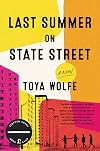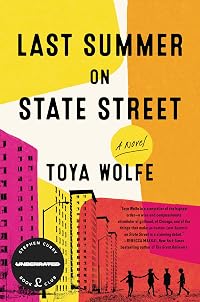
Last Summer on State Street
by Toya Wolfe
On This Page
Description
For fans of Jacqueline Woodson and Brit Bennett, a striking coming-of-age debut about friendship, community, and resilience, set in the housing projects of Chicago during one life-changing summer. Even when we lose it all, we find the strength to rebuild. Felicia "Fe Fe" Stevens is living with her vigilantly loving mother and older teenaged brother, whom she adores, in building 4950 of Chicago's Robert Taylor Homes. It's the summer of 1999, and her high-rise is next in line to be torn down show more by the Chicago Housing Authority. She, with the devout Precious Brown and Stacia Buchanan, daughter of a Gangster Disciple Queen-Pin, form a tentative trio and, for a brief moment, carve out for themselves a simple life of Double Dutch and innocence. But when Fe Fe welcomes a mysterious new friend, Tonya, into their fold, the dynamics shift, upending the lives of all four girls. As their beloved neighborhood falls down around them, so too do their friendships and the structures of the four girls' families. Fe Fe must make the painful decision of whom she can trust and whom she must let go. Decades later, as she remembers that fateful summer-just before her home was demolished, her life uprooted, and community forever changed-Fe Fe tries to make sense of the grief and fraught bonds that still haunt her and attempts to reclaim the love that never left. Profound, reverent, and uplifting, Landmarks explores the risk of connection against the backdrop of racist institutions, the restorative power of knowing and claiming one's own past, and those defining relationships which form the heartbeat of our lives. Interweaving moments of reckoning and sustaining grace, debut author, Toya Wolfe, has crafted an era-defining story of finding a home - both in one's history and in one's self. show lessTags
Recommendations
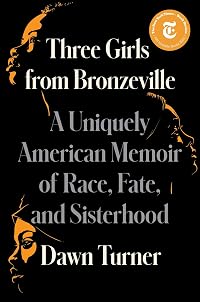
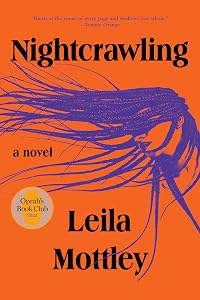

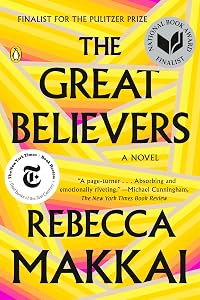
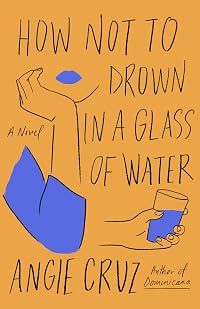

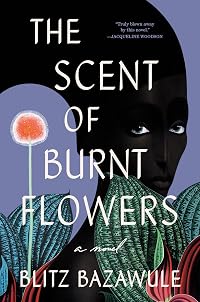
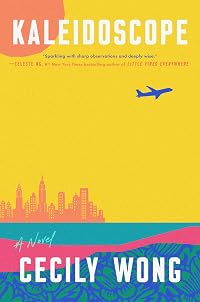
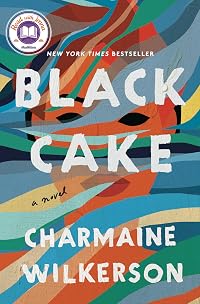
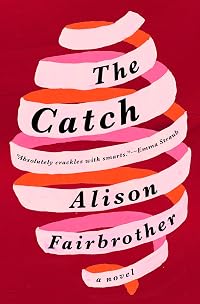
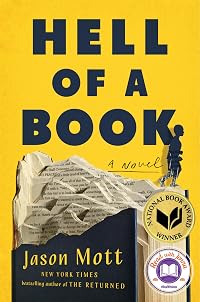
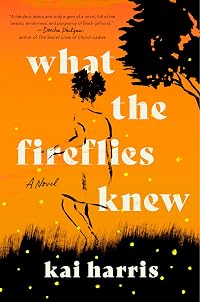
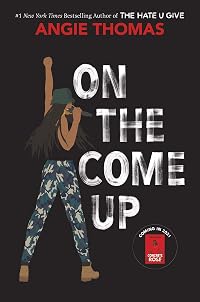
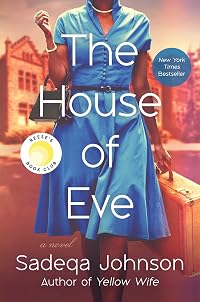

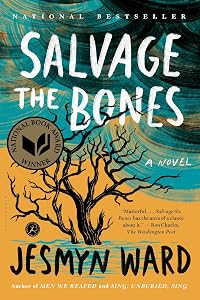

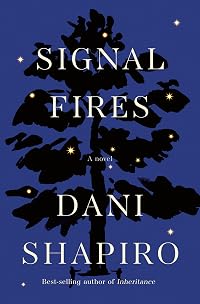
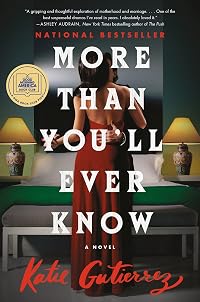
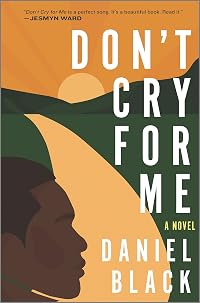
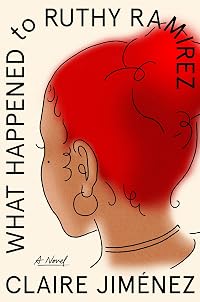
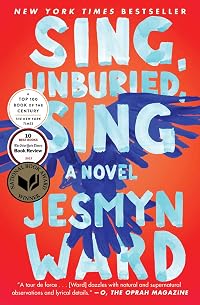
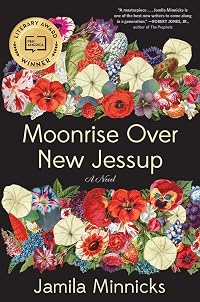
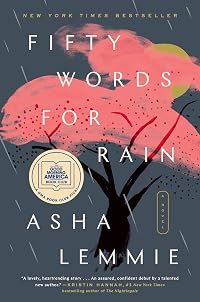
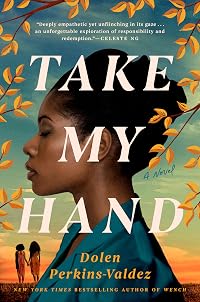
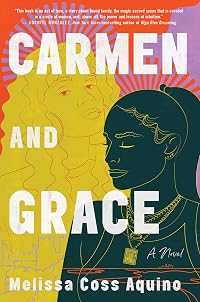
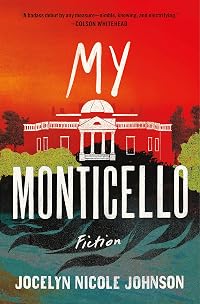
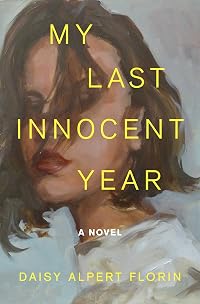



Member Recommendations

Member Reviews
3.5? Loved the Chicago connection and view of the city - happening in my adult lifetime - why was I not more tuned in? Felicia (FeFe Stevens) gives us her 12-year-old perspective of her life in one of the towers of the Robert Taylor housing project, soon to be knocked down. Recounted from her adulthood, relying on memory, FeFe shares the story of her family (single mother, teenage brother) and her three best friends, Stacia, Precious, and Tonya '...names that sound like heartbeats" (1) "The four of us represented a gorgeous spectrum of tones." (10) Because it is memory, it has the quality of the timeline making sense to the narrator, but as a reader, I found it a little hard to fit together some of the pieces and isolated events into show more the larger whole. The friendship component transcends all time and space - what group of girls at age 12 doesn't have drama and challenges and re-formed allegiances at dizzying speed? FeFe is clearly the glue, kind and caring and friendly - she wants everyone to get along and have fun together, and appreciates each of the girls as individuals, but recognizes the differences that keep them from liking each other. Stacia is tough and hardened and her family has a reputation as gang leaders - they definitely have control in the building. Precious is the daughter of a minister and devout minister's wife, so she is constantly sheltered, and Tonya is new - shy and scared and scarcely a shadow -victim (in horrible ways) of her mother's drug addiction. They jump rope and chase boys and try to stay out of trouble and the line of fire, literally. All are on the cusp of teenage life and seem to know that this summer is the last childhood moment before everything changes. Not only are they facing the changes of puberty, but their futures are uncertain as their families must find new housing before the demolition. Being 'lease-compliant' is a big thing that FeFe doesn't fully understand and her mother doesn't want to face. Precious' parents are actively seeking other housing options and Stacia and Tonya's mothers don't care for completely different reasons. It puts a lot of grown up pressure on the girls. FeFe has the added stress of tension between her mother and her brother Meechie (Demetrius). She is determined to keep him safe from gang recruitment and activity, but it seems in that environment it is a losing battle. There is one glorious summer moment where the four girls go with FeFe's mother into the Loop/Lakefront for the 4th of July fireworks (3rd of July, by Chicago tradition) but they are as joyful and carefree as the colors in the sky. Otherwise, life is a lot more weighty, but still resonates with the idea of 'home' being among people you love, feel comfortable and safe with, and who know you in return. That transcends any physical structure. That and poignant observations and memories from FeFe are the heart of the book. "At a pretty young age, I learned that people used names to tear one another down....Somehow that summer, I stumbled upon an important fact about naming: it also has the power to build people up." (75) "They had wrapped that yellow caution tape around it [the building], trying to tell people that it was dangerous to play by the mess of bricks, and I though about how silly that was. That was the most dangerous part of the block? The demolished building? There wasn't enough caution tape in the world for our neighborhood." "That summer when I am twelve and Meechie is sixteen, we will lose so many things, so many people. Among the loss will be the high-rises that our family called home for three generations, but the high-rises aren't the most important thing we'll lose, that summer we will lose ourselves." (206) show less
“We didn’t know then that the practice of burying emotions created adults who’d struggle to build meaningful relationships; some of us would eventually completely forget how to access true feelings.”
In the summer of 1999, our twelve-year protagonist Felicia "FeFe" Stevens spends her days jumping rope with her three friends Precious, Shania and Tonya whom she has recently befriended, attending summer school (though she does not really have to) and keeping out of trouble under the watchful eye of her mother, who is protective of her children, FeFe and her older brother Meechie. The friends live in the Robert Taylor Homes, the housing projects in the Bronzeville area of Chicago’s South Side. FeFe is sweet and kind to others show more around her, befriending those who she knows has a rough time at home. The environment in the projects is volatile with rampant incidents of gang violence and shootings, substance abuse and exploitation. The projects are in the process of being demolished and one by one the buildings are being evacuated and residents are uprooted or relocated, depending upon the terms of Lease Compliancy and criminal background or lack thereof.
“That day is cemented in my memory. We watched them knock down what we thought was indestructible. I’d learn that so many things that I thought were solid and structured in my life could be broken down, bit by bit, just like those buildings.”
The author paints a heartbreaking portrait of a community plagued by hate crimes and gang violence, poverty, addiction and abuse through the eyes of a twelve-year-old who sees her life as she knew it and her friendships disintegrating in front of her own eyes. What saves her from a fate that would seem inevitable is the fierce protection of her mother and the positive influence of Mama Pearl and her teacher, Mrs. Pierce at school, a place she dubs “a refuge in a season of life when we needed to take cover”. Decades later, she is still haunted by the violence and loss she had witnessed as a child. As the narrative progresses, we, along with FeFe learn of the fate of her friends in the aftermath of their last summer on State State. As we follow FeFe’s life through the decades it is obvious that the events of the summer of 1999 have played a large role in the choices she has made, choosing a career that would emulate the positive influences she had in her formative years.
“We will meet people; they will transform us. We will see things that will age us.”
In short, Toya Wolfe’s Last Summer on State Street is a stunning debut. Toya Wolfe writes with heart and insight. This is a profoundly moving story of family, friendship, resilience and survival. Part coming of age, part family drama and social commentary of the times, this is a book that pulls you in and stays with you. show less
In the summer of 1999, our twelve-year protagonist Felicia "FeFe" Stevens spends her days jumping rope with her three friends Precious, Shania and Tonya whom she has recently befriended, attending summer school (though she does not really have to) and keeping out of trouble under the watchful eye of her mother, who is protective of her children, FeFe and her older brother Meechie. The friends live in the Robert Taylor Homes, the housing projects in the Bronzeville area of Chicago’s South Side. FeFe is sweet and kind to others show more around her, befriending those who she knows has a rough time at home. The environment in the projects is volatile with rampant incidents of gang violence and shootings, substance abuse and exploitation. The projects are in the process of being demolished and one by one the buildings are being evacuated and residents are uprooted or relocated, depending upon the terms of Lease Compliancy and criminal background or lack thereof.
“That day is cemented in my memory. We watched them knock down what we thought was indestructible. I’d learn that so many things that I thought were solid and structured in my life could be broken down, bit by bit, just like those buildings.”
The author paints a heartbreaking portrait of a community plagued by hate crimes and gang violence, poverty, addiction and abuse through the eyes of a twelve-year-old who sees her life as she knew it and her friendships disintegrating in front of her own eyes. What saves her from a fate that would seem inevitable is the fierce protection of her mother and the positive influence of Mama Pearl and her teacher, Mrs. Pierce at school, a place she dubs “a refuge in a season of life when we needed to take cover”. Decades later, she is still haunted by the violence and loss she had witnessed as a child. As the narrative progresses, we, along with FeFe learn of the fate of her friends in the aftermath of their last summer on State State. As we follow FeFe’s life through the decades it is obvious that the events of the summer of 1999 have played a large role in the choices she has made, choosing a career that would emulate the positive influences she had in her formative years.
“We will meet people; they will transform us. We will see things that will age us.”
In short, Toya Wolfe’s Last Summer on State Street is a stunning debut. Toya Wolfe writes with heart and insight. This is a profoundly moving story of family, friendship, resilience and survival. Part coming of age, part family drama and social commentary of the times, this is a book that pulls you in and stays with you. show less
CW: violence and sexual abuse, mostly "off screen," but significant
Toya Wolfe's Last Summer on State Street is a heart-breaking story told in a remarkable voice. Our narrator Fe Fe (short for Felicia) is watching the dismantling of her community over the summer of 1999. The Chicago housing project she lives in is being razed one building at a time to make room for a new development aimed at middle- and upper-class whites who work in Chicago and would like a shorter commute. Fe Fe's efforts to understand what's happening, in both personal and systematic, ways make her a particularly honest narrator—one whose questions aren't easily answered.
The project Fe Fe lives in (for now, at least) has been home to three generations of primarily show more southern Blacks come north and their offspring and is a world of intense—and dangerous—contradictions. The families residing there range from those whose lives are built around religion to single mothers doing their best to raise children who will avoid the worst the project has to offer to families affiliated with the gang that controls this particular building to those living in the chaos that accompanies addiction. There are church services, games of double dutch, assaults, and regular time spent crouching in the hallway when gunfire erupts.
Fe Fe is part of a group of four friends who came together playing double dutch, but whose bonds are being torqued by the expectations set by their different families. The girls are friends, but also on guard against one another because even friendship isn't a safe space in this community.
Most of the novel covers the summer of 1999, but the latter part also offers the viewpoint of an adult Fe Fe still trying to come to terms with that volatile summer.
If you're haunted by dark novels, this may be a title you'll want to approach carefully—but Fe Fe's voice and her refusal to give in to despair make the journey bearable and even hopeful. I'm still turning the events and characters of Last Summer on State Street over in my mind. I'm certain I'll be doing this for quite a while, and I'm finding that activity challenging, but very, very much worthwhile.
While this book is labeled as young adult, and that audience will find it remarkable, it's also an adult novel—not the kind of young adult/adult novel that offers older readers a bit of nostalgia, but one that offers as rich an experience for adult readers as any novel I've read in recent years.
I received a free electronic review copy of this title from the publisher via EdelweissPlus; the opinions are my own. show less
Toya Wolfe's Last Summer on State Street is a heart-breaking story told in a remarkable voice. Our narrator Fe Fe (short for Felicia) is watching the dismantling of her community over the summer of 1999. The Chicago housing project she lives in is being razed one building at a time to make room for a new development aimed at middle- and upper-class whites who work in Chicago and would like a shorter commute. Fe Fe's efforts to understand what's happening, in both personal and systematic, ways make her a particularly honest narrator—one whose questions aren't easily answered.
The project Fe Fe lives in (for now, at least) has been home to three generations of primarily show more southern Blacks come north and their offspring and is a world of intense—and dangerous—contradictions. The families residing there range from those whose lives are built around religion to single mothers doing their best to raise children who will avoid the worst the project has to offer to families affiliated with the gang that controls this particular building to those living in the chaos that accompanies addiction. There are church services, games of double dutch, assaults, and regular time spent crouching in the hallway when gunfire erupts.
Fe Fe is part of a group of four friends who came together playing double dutch, but whose bonds are being torqued by the expectations set by their different families. The girls are friends, but also on guard against one another because even friendship isn't a safe space in this community.
Most of the novel covers the summer of 1999, but the latter part also offers the viewpoint of an adult Fe Fe still trying to come to terms with that volatile summer.
If you're haunted by dark novels, this may be a title you'll want to approach carefully—but Fe Fe's voice and her refusal to give in to despair make the journey bearable and even hopeful. I'm still turning the events and characters of Last Summer on State Street over in my mind. I'm certain I'll be doing this for quite a while, and I'm finding that activity challenging, but very, very much worthwhile.
While this book is labeled as young adult, and that audience will find it remarkable, it's also an adult novel—not the kind of young adult/adult novel that offers older readers a bit of nostalgia, but one that offers as rich an experience for adult readers as any novel I've read in recent years.
I received a free electronic review copy of this title from the publisher via EdelweissPlus; the opinions are my own. show less
LAST SUMMER ON STATE STREET by Toya Wolfe
I live in Chicago and for several years drove past the Robert Taylor Homes every day on my way to work and back to my home on the North Side. Those Homes were a source of fear, and yet also hope for both the people who lived there and the people who just drove by. Wolfe gathers those fears and hope and writes a story of hope, desperation, resilience, fear and joy.
FeFe is a girl on the cusp of womanhood with a protective mother and a brother who loves her and their mother, but is caught up in the gangs, drugs, violence and sex that is rampant in the Taylor homes. FeFe’s friends include girls who will “make it out” and some who will be caught by the violence and despair. FeFe is fortunate to show more have a teacher willing to extend herself for her students, a mother who teaches her self-respect and respect and concern for others.
You NEED to read this book. When you do, you may feel the guilt of privilege. Remember that every child deserves the privilege of hope, respect and love.
5 of 5 stars show less
I live in Chicago and for several years drove past the Robert Taylor Homes every day on my way to work and back to my home on the North Side. Those Homes were a source of fear, and yet also hope for both the people who lived there and the people who just drove by. Wolfe gathers those fears and hope and writes a story of hope, desperation, resilience, fear and joy.
FeFe is a girl on the cusp of womanhood with a protective mother and a brother who loves her and their mother, but is caught up in the gangs, drugs, violence and sex that is rampant in the Taylor homes. FeFe’s friends include girls who will “make it out” and some who will be caught by the violence and despair. FeFe is fortunate to show more have a teacher willing to extend herself for her students, a mother who teaches her self-respect and respect and concern for others.
You NEED to read this book. When you do, you may feel the guilt of privilege. Remember that every child deserves the privilege of hope, respect and love.
5 of 5 stars show less
In 1999, Felicia "Fe Fe" Stevens and her friends are pre-teens living in the projects in Chicago. Their building is going to be torn down. Her friends, Precious Brown and Stacia Buchanan jump rope together. When a new friend, Tonya, is invited to their group, Stacia isn't happy.
The book traces their lives over the summer. Fe Fe's mother wants her to avoid some of these girls due to their family environment. As Fe Fe remembers the summer, she remembers her mother and her gang member brother, her devout friend Precious, the hardness of Stacia, and the loneliness of Tonya. When Tonya disappears from the group, Fe Fe tries to reach out to her, but Tonya's mother doesn't help. It isn't until years later that Fe Fe discovers what happened show more that summer.
A sad coming-of-age story. show less
The book traces their lives over the summer. Fe Fe's mother wants her to avoid some of these girls due to their family environment. As Fe Fe remembers the summer, she remembers her mother and her gang member brother, her devout friend Precious, the hardness of Stacia, and the loneliness of Tonya. When Tonya disappears from the group, Fe Fe tries to reach out to her, but Tonya's mother doesn't help. It isn't until years later that Fe Fe discovers what happened show more that summer.
A sad coming-of-age story. show less
The Last Summer on State Street was a debut work of fiction by Tonya Ward, which tells the story of four girls living in the projects in downtown Chicago in 1999. The projects and the setting, were as important to the story as any character. They were the Robert Taylor housing project built by Mayor Daly, which consisted of 28 sixteen-story buildings that housed roughly 27,000 people at their peak. It was the largest housing project the US. However the money for the maintenance of the buildings was not maintained and they became a haven of poverty, which of course brought crime and serious drug dealing. The CHA estimated that about $45,000 worth of drug transactions occurred daily within the development.
The story depicted the lives of show more these four girls, narrated by one of them named Felicia or Fe Fe. Her best friend was named Precious and then they got to know Stacia, who is from a gangbanger, drug dealing family,and Tonya, whose mother is a crackhead, never paying any mind or attention to her many children. So it’s more of an interesting sociological tale of a world that I’m certainly not familiar with, but was fascinated by. It is also the year that Felicia and her brother lost their childhood. Most interesting was how difficult it is for a young 15-year-old boy to not be part of the drug culture of this period. “That night, he went to jail because he was Black and a boy, and to the police, that fit the description of a criminal. I’d learn that Black kids didn’t get the luxury of appearing childlike and innocent, that from the moment we are born, some people start a clock on how long it’ll take the boys to commit a crime, the girls to seduce. “
The narrative begins just when these buildings are starting to be torn down - as one character informs us :one Mayor Daly built them the other Mayor Daly tore them down. The girls bond over their love of jumping rope and playing games. They are fortunate to have a wonderful teacher at their local school, but as they start to reach puberty, their lives will be more impacted by their surroundings. As Felicia tells her story of the friends she makes and loses and the goals she develops for herself, she also writes about the less fortunate who had no parental guidance to help them escape this life. This is a work of fiction, but certainly fairly autobiographical as the author also lived in this project and ministered at a Seventh-day Adventist church in Southern California. I’m glad I picked up this insightful novel.
Recommend
Lines:
I couldn’t tell her grade, mostly because she had a body all curved and rounded out like a grown woman. I bet, that summer, she had developed fast, because she seemed to be bursting out of what was probably a free D.A.R.E. T-shirt she’d gotten at school.
We didn’t know then that the practice of burying emotions created adults who’d struggle to build meaningful relationships; some of us would eventually completely forget how to access true feelings.
If you had a criminal record or didn’t pay your rent consistently, you wouldn’t be Lease Compliant, and you’d get shuffled around the projects until they were all gone.
In the nineties, dudes got shot all the time if someone threw up a gang sign and it didn’t get returned, proving that they were in the same gang.
I’d learn that so many things that I thought were solid and structured in my life could be broken down, bit by bit, just like those buildings.
That night, he went to jail because he was Black and a boy, and to the police, that fit the description of a criminal. I’d learn that Black kids didn’t get the luxury of appearing childlike and innocent, that from the moment we are born, some people start a clock on how long it’ll take the boys to commit a crime, the girls to seduce.
Maybe the worst part about growing up in public housing is that people think your body is public too. That even before you are born, your Black body already belongs to the owners of the land. That night, Meechie spent about two hours in jail, and that’s all it took to cement his identity.
As we drove, the buildings kept changing color every few blocks: red, then white, then red, then white, then red. Our version of the flag, these buildings, like crumbs we scraped up from the plate of somebody else’s American Dream.
Later in college, I’d study history and discover that one of the first acts of a colonizer is to take away a captured person’s name and give them a new one.
It all excited him: the guns, how the dudes in the playground stood like men, shoulders back, face stern, puffing on a cigarette or weed. They were cowboys, and our block, a cowboy camp.
“Child, Bible say, no new thing under the sun. This here migrating, it’s all we been doing: them ships from Africa, them trains from the South, then this here moving from neighborhood to neighborhood. It’s sheeping. Folks gathering up coloreds and sheeping them this way and that. They done sheeped your brother into prison. Trying to sheep us on further into the South Side.
“The essence of optimism is that it takes no account of the present but it is a source of inspiration, of vitality and hope where others have resigned. It enables a man to hold his head high, to claim the future for himself and not to abandon it to his enemy.” show less
The story depicted the lives of show more these four girls, narrated by one of them named Felicia or Fe Fe. Her best friend was named Precious and then they got to know Stacia, who is from a gangbanger, drug dealing family,and Tonya, whose mother is a crackhead, never paying any mind or attention to her many children. So it’s more of an interesting sociological tale of a world that I’m certainly not familiar with, but was fascinated by. It is also the year that Felicia and her brother lost their childhood. Most interesting was how difficult it is for a young 15-year-old boy to not be part of the drug culture of this period. “That night, he went to jail because he was Black and a boy, and to the police, that fit the description of a criminal. I’d learn that Black kids didn’t get the luxury of appearing childlike and innocent, that from the moment we are born, some people start a clock on how long it’ll take the boys to commit a crime, the girls to seduce. “
The narrative begins just when these buildings are starting to be torn down - as one character informs us :one Mayor Daly built them the other Mayor Daly tore them down. The girls bond over their love of jumping rope and playing games. They are fortunate to have a wonderful teacher at their local school, but as they start to reach puberty, their lives will be more impacted by their surroundings. As Felicia tells her story of the friends she makes and loses and the goals she develops for herself, she also writes about the less fortunate who had no parental guidance to help them escape this life. This is a work of fiction, but certainly fairly autobiographical as the author also lived in this project and ministered at a Seventh-day Adventist church in Southern California. I’m glad I picked up this insightful novel.
Recommend
Lines:
I couldn’t tell her grade, mostly because she had a body all curved and rounded out like a grown woman. I bet, that summer, she had developed fast, because she seemed to be bursting out of what was probably a free D.A.R.E. T-shirt she’d gotten at school.
We didn’t know then that the practice of burying emotions created adults who’d struggle to build meaningful relationships; some of us would eventually completely forget how to access true feelings.
If you had a criminal record or didn’t pay your rent consistently, you wouldn’t be Lease Compliant, and you’d get shuffled around the projects until they were all gone.
In the nineties, dudes got shot all the time if someone threw up a gang sign and it didn’t get returned, proving that they were in the same gang.
I’d learn that so many things that I thought were solid and structured in my life could be broken down, bit by bit, just like those buildings.
That night, he went to jail because he was Black and a boy, and to the police, that fit the description of a criminal. I’d learn that Black kids didn’t get the luxury of appearing childlike and innocent, that from the moment we are born, some people start a clock on how long it’ll take the boys to commit a crime, the girls to seduce.
Maybe the worst part about growing up in public housing is that people think your body is public too. That even before you are born, your Black body already belongs to the owners of the land. That night, Meechie spent about two hours in jail, and that’s all it took to cement his identity.
As we drove, the buildings kept changing color every few blocks: red, then white, then red, then white, then red. Our version of the flag, these buildings, like crumbs we scraped up from the plate of somebody else’s American Dream.
Later in college, I’d study history and discover that one of the first acts of a colonizer is to take away a captured person’s name and give them a new one.
It all excited him: the guns, how the dudes in the playground stood like men, shoulders back, face stern, puffing on a cigarette or weed. They were cowboys, and our block, a cowboy camp.
“Child, Bible say, no new thing under the sun. This here migrating, it’s all we been doing: them ships from Africa, them trains from the South, then this here moving from neighborhood to neighborhood. It’s sheeping. Folks gathering up coloreds and sheeping them this way and that. They done sheeped your brother into prison. Trying to sheep us on further into the South Side.
“The essence of optimism is that it takes no account of the present but it is a source of inspiration, of vitality and hope where others have resigned. It enables a man to hold his head high, to claim the future for himself and not to abandon it to his enemy.” show less
Read this book. Especially if you read High-Risers: Cabrini-Green and the Fate of American Public Housing & There are No Children Here: The Story of Two Boys Growing Up in the Other America
Toya Wolfe takes it to another level by bringing in the humanity of surviving through Chicago's public housing in the late 1990s from the perspective of an 11 year old girl . This coming of age story is about the harsh realities of the public housing system, found family, survival, and the shared history of a displaced community.
Toya Wolfe takes it to another level by bringing in the humanity of surviving through Chicago's public housing in the late 1990s from the perspective of an 11 year old girl . This coming of age story is about the harsh realities of the public housing system, found family, survival, and the shared history of a displaced community.
Members
- Recently Added By
Lists

Women's History Month picks
11 works; 1 member
Author Information

1 Work 202 Members
Awards and Honors
Awards
Distinctions
Notable Lists
RUSA CODES Listen List (Listen-Alike – Listen-Alike to “Stories from the Tenants Downstairs” by Sidik Fofana – 2023)
Common Knowledge
- Canonical title
- Last Summer on State Street
Classifications
Statistics
- Members
- 202
- Popularity
- 162,380
- Reviews
- 12
- Rating
- (4.22)
- Languages
- English
- Media
- Paper, Audiobook, Ebook
- ISBNs
- 12
- ASINs
- 2