On This Page
Description
In Ireland in 1826 millions knew only famine, oppression and degradation. The landlords ground down the tenant famers; tithe wars and injustice were rife.But Dualta Duane battles against tyranny, struggling to survive the evils of hunger, poverty and disease. Courageous and fortified by an enduring love, Duane's unconquerable spirit personifies the love of freedom that raged in the soul of Ireland.Tags
Recommendations























Member Reviews
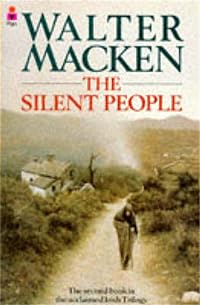
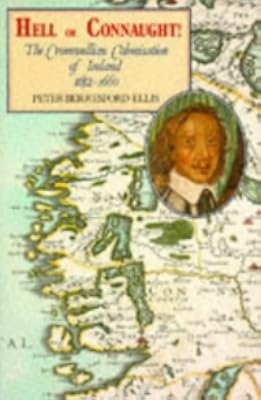
God that cover.
Irony of being a middle-aged middle-class Irishman living in the 21st century and trying to lose a bit of weight while reading about people starving in the 19th century. It's not even the Great Hunger, it's one of the earlier famines of 1826. Oh good lord. This is my history, our legacy. We cry into our whiskey and curse the sassenach and the treachery of our fellow Irishmen and lament the great suffering and the appalling injustice, which were a byword for backward and repressive agrarian policies.
Before we get to the famine, though, there's the life of Dualta Duane, who flees Galway after knocking a landlord's son off his horse. Fired by anger at the general awfulness of landlordism, he dabbles in rural agitation, but show more finds at the end he has no stomach for wanton destruction and murder even in a good cause. He settles in a Clare valley, but tithes and rents and gale days and cronyism and corruption squeezing the poor unmercifully, trouble is never very far away, despite the best efforts of the great Liberator, Daniel O'Connell, who strides the land like a behemoth, driving the country towards Emancipation and Repeal.
Dualta is an engaging and likable hero, his decency and good nature sorely tested by his times. will he survive? Will his family? Will anyone? The last few chapters are a guided tour of hell, but Macken is sure-footed and clear-eyed and guides us through the grief and horror to the point where there can be a future again, however frail. show less
Irony of being a middle-aged middle-class Irishman living in the 21st century and trying to lose a bit of weight while reading about people starving in the 19th century. It's not even the Great Hunger, it's one of the earlier famines of 1826. Oh good lord. This is my history, our legacy. We cry into our whiskey and curse the sassenach and the treachery of our fellow Irishmen and lament the great suffering and the appalling injustice, which were a byword for backward and repressive agrarian policies.
Before we get to the famine, though, there's the life of Dualta Duane, who flees Galway after knocking a landlord's son off his horse. Fired by anger at the general awfulness of landlordism, he dabbles in rural agitation, but show more finds at the end he has no stomach for wanton destruction and murder even in a good cause. He settles in a Clare valley, but tithes and rents and gale days and cronyism and corruption squeezing the poor unmercifully, trouble is never very far away, despite the best efforts of the great Liberator, Daniel O'Connell, who strides the land like a behemoth, driving the country towards Emancipation and Repeal.
Dualta is an engaging and likable hero, his decency and good nature sorely tested by his times. will he survive? Will his family? Will anyone? The last few chapters are a guided tour of hell, but Macken is sure-footed and clear-eyed and guides us through the grief and horror to the point where there can be a future again, however frail. show less
Review to follow
Ratings
Members
- Recently Added By
Lists

Stories set in The British Isles
51 works; 1 member
Author Information
31+ Works 1,180 Members
Series

Common Knowledge
- Important places
- Ireland
- Important events
- Irish Potato Famine
Classifications
Statistics
- Members
- 167
- Popularity
- 196,163
- Reviews
- 2
- Rating
- (3.80)
- Languages
- English, German
- Media
- Paper, Ebook
- ISBNs
- 9
- ASINs
- 3