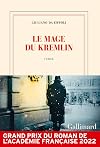
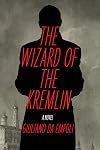
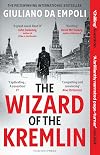
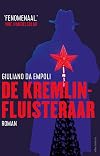
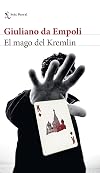
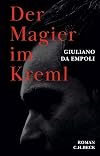
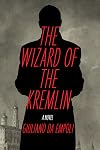
The Wizard of the Kremlin
by Giuliano da Empoli
On This Page
Description
Filled with real political insight and intrigue, this thrilling novel explores the nature of power through the inner workings of Putin's regime. Known as the "Wizard of the Kremlin," the enigmatic Vadim Baranov was a TV producer before becoming a political advisor to Putin, aka "The Tsar." After his resignation from this position, legends about him multiply, with no one able to distinguish truth from fiction. Until one night, when he tells his story to the narrator of this He immerses us in show more the heart of the Russian state, where sycophants and oligarchs have been engaging in open warfare, and where Vadim, now the regime's main spin doctor, turns an entire country into an avant-garde political stage. Yet Vadim is not as ambitious as the others. Entangled in the increasingly dark secrets of the regime he has helped create, he will do anything to get out, guided by the memory of his grandfather, an eccentric aristocrat who survived the Revolution, and the mesmerizing, merciless Ksenia, whom he has fallen in love with. Giuliano da Empoli, once a senior advisor to Italian prime minister Matteo Renzi, draws on his experience behind the scenes to create an authentic, compelling portrait of power and how it corrupts. show lessTags
Recommendations






Member Reviews
This is more 3.5 stars but rounding to 3.
Author claims that this is just a little bit dramatized true story. If it is then all parties involved are very pathetic, artistic creatures. Taking this into consideration I think this is much more drama than true story. Those true parts are I think parts more related to the political decisions, everything else is angst of young Werther, present in both the journalist and the so called Mage of Kremlin.
Point of view and story telling style is very reminiscent of the Hippie culture - you remember, peace and love and sex to everyone, until they grew up and gave birth to our current generation of leaders who have proven to be very materialistic and ..... what is the word ... disruptive. Because why show more learn how to govern when you can aim for the head and rule the entire country without any preparation (I think this was Macron's comment to his mentor Alain Minc). It is age of anti-statesman, people who ride on populist wave and to whom image is everything. Actual governing? Heh, not so much. So when someone appears that has means and will to rule for betterment of his country... then issues start to happen.
We have two people that are the backbone of this story.
One is journalist/writer who lives in Moscow, sees it as a dark place and is fascinated with the dystopian novel We (Zamyatin). Zamyatin, same as Solzhenitzyn is known for criticizing the authoritarian governments without providing the alternative, because eternal opposition is the best place to be, always right but never actually making the change. Although politicians that came in power in Russia post fall of USSR were the great hope, apparently, for the change. But change that culminated in the period that will only rise the blood pressure from every citizen of Russia today, period of Yeltsin who - I guess inspired by the western democracy system - opened fire and bombarded his country's parliament and during whose rule everything was for sale.
Second charcter in this story is one political advisor to modern Tsar (Putin, if anybody needs explanation). Now this character is descendant of the old tsarist family (his grandfather being member of the court, who miraculously survived the "horrendous" years of Soviet rule, while pissing on them from behind and making fun of them - yeah, right....). His childhood is marked by memories of those beautiful times (unlike times his father and himself lived in, under oppression where his father was member of Academia and he managed to get the university education) - although I am not sure who would call those times beautiful except Tsar and his court, majority of people were serfs and for all means and purposes slaves. But, never mind, those are minor details right? Important thing is, poetry was alive and French philosophy iluminated everything.
So our advisor spends youth surrounded by books, reads a lot (apparently fascinating amounts of French literature with profound effect on him - thankfully author is not biased) and finds himself living life full of inner anxiousness (apparently rather angry why he was born where he was born). He is surrounded by new generation of market entrepreneurs, his generation, modern day robber barons, but he is not an ambitious man so he does not take part in the state level firesale. He is poet (as I said, all characters are extremely pathetic) who decides to do something that clearly marks his entire generation - reality shows. And this brings him to attention of forces who want to replace Yeltsin with new power - future Tsar. Unfortunately for these forces, they wanted to use him as a puppet and this backfired .... spectacularly. Our advisor is offered advisor position and voila story of his adventures begins.
In this part of the novel author puts out the events that shaped Russian history - from Chechen wars onward, through the humiliation and constant ignoring coming from the West until suddenly things changed. All things author mentions are not any special revelation - for anyone interested in history all of these are known facts (except for the western news media of course and people that read only 2 or (God forbid) 5 minute reading-long articles). So for this, book was a let down (considering the hype).
Every controversial aspect of the novel - from Moscow bombings to current situation in Ukraine and dealing with oligarchs supporting the opposition - sheds no new light, not even a hint of something that might provide additional information (and let us remember, this was advertised as a true Russian story).
Our advisor is that, so much philosophically venerated, useless type of man - masochist of sorts that finds ways to even utterly destroy his love life by marrying a woman no sane man would ever touch let alone marry. But I guess this is not how intelligentsia acts - they need to suffer (hahahahahaha, I mean, hey, those soap operas have more reasoning than this book on this matter). Because again, suffering is art.
If you manage to get through this sludge of existential angst book delivers a very interesting view of politics, especially on high power levels. Constant beautification of old Tsarist Russia and ever present French influence (as nauseating as cases of UK or USA influence in other novels) aside, Tsar is shown as a man who aims to bring his country up from the knees and uses everything at his disposal to achieve this goal. All of the high power figures who were exiled from Russia and lived in their opulence in the West, working against their home country with all means available out of revenge are nothing but vultures who were identified and prevented from robbing the resources in a wanton manner of the 1990's. They wanted to control the power in the country but failed to see it is not possible. In this power play there are no second places - both internal and external players learn this fast.
Ending is again nothing original. Our advisor, who is again trying to sit on two or three chairs is no longer allowed to travel to US and (oh, horror) to Europe. And this is where he decides to leave the politics and devote rest of his life to his family. Tsar remains and continues to lead the country.
In all of this mish-mash author manages to put some critique of the West (mostly through the prism of Zamyatin but also by commenting how Tsar managed to imprison oligarchs and billionaires, which is something that cannot take place in the West) but this feels like an afterthought. Impact of automation and role of machines in separating rulers from their people, making rule absolute and out of reach - direct and indirect - of the very citizens is also mentioned. Author talks about all of this but in rather dimmed way (as is in general case with the entire novel, because how can you say anything good about country you consider an enemy).
While very well written, book is standard philosophical novel, unable to figure out if past is good or future is good. Unfortunately time period taken as a period to cherish is period during which (French influence aside, which is something that seems to be very important to the author) no progress took place except suffering [that triggered revolution to begin with]. Future on the other hand looks bleak but with proper national level politics we can go back to times of actual statesmen, people who love their country and try to build it.
One of the comments that I saw mentioned something about how novel shows willingness of Russians to live in authoritarian state instead democracy. I dont think this is mentioned anywhere in the novel. What is mentioned (in one of those critiques of the Western society) is that Russians want to live in state controlled by state not by various private parties and billionaires. They lived through that in 1990's and decided it is not for them. West is just now entering that phase in a public way, and I think that they will discover very soon how true power is not in the state's but in private hands (those NDAs between countries and pharmaceutical companies in last few years are just proof of that). Reason is very simple - there are no statesmen any more, just political janitors enabling the actual powers to be. Everything happening in the East was just a rehearsal.
Interesting novel, but unfortunately novel that would go completely unnoticed if it weren't for the time period in question.
If possible, do read it but to actually learn about the events read the actual history. show less
Author claims that this is just a little bit dramatized true story. If it is then all parties involved are very pathetic, artistic creatures. Taking this into consideration I think this is much more drama than true story. Those true parts are I think parts more related to the political decisions, everything else is angst of young Werther, present in both the journalist and the so called Mage of Kremlin.
Point of view and story telling style is very reminiscent of the Hippie culture - you remember, peace and love and sex to everyone, until they grew up and gave birth to our current generation of leaders who have proven to be very materialistic and ..... what is the word ... disruptive. Because why show more learn how to govern when you can aim for the head and rule the entire country without any preparation (I think this was Macron's comment to his mentor Alain Minc). It is age of anti-statesman, people who ride on populist wave and to whom image is everything. Actual governing? Heh, not so much. So when someone appears that has means and will to rule for betterment of his country... then issues start to happen.
We have two people that are the backbone of this story.
One is journalist/writer who lives in Moscow, sees it as a dark place and is fascinated with the dystopian novel We (Zamyatin). Zamyatin, same as Solzhenitzyn is known for criticizing the authoritarian governments without providing the alternative, because eternal opposition is the best place to be, always right but never actually making the change. Although politicians that came in power in Russia post fall of USSR were the great hope, apparently, for the change. But change that culminated in the period that will only rise the blood pressure from every citizen of Russia today, period of Yeltsin who - I guess inspired by the western democracy system - opened fire and bombarded his country's parliament and during whose rule everything was for sale.
Second charcter in this story is one political advisor to modern Tsar (Putin, if anybody needs explanation). Now this character is descendant of the old tsarist family (his grandfather being member of the court, who miraculously survived the "horrendous" years of Soviet rule, while pissing on them from behind and making fun of them - yeah, right....). His childhood is marked by memories of those beautiful times (unlike times his father and himself lived in, under oppression where his father was member of Academia and he managed to get the university education) - although I am not sure who would call those times beautiful except Tsar and his court, majority of people were serfs and for all means and purposes slaves. But, never mind, those are minor details right? Important thing is, poetry was alive and French philosophy iluminated everything.
So our advisor spends youth surrounded by books, reads a lot (apparently fascinating amounts of French literature with profound effect on him - thankfully author is not biased) and finds himself living life full of inner anxiousness (apparently rather angry why he was born where he was born). He is surrounded by new generation of market entrepreneurs, his generation, modern day robber barons, but he is not an ambitious man so he does not take part in the state level firesale. He is poet (as I said, all characters are extremely pathetic) who decides to do something that clearly marks his entire generation - reality shows. And this brings him to attention of forces who want to replace Yeltsin with new power - future Tsar. Unfortunately for these forces, they wanted to use him as a puppet and this backfired .... spectacularly. Our advisor is offered advisor position and voila story of his adventures begins.
In this part of the novel author puts out the events that shaped Russian history - from Chechen wars onward, through the humiliation and constant ignoring coming from the West until suddenly things changed. All things author mentions are not any special revelation - for anyone interested in history all of these are known facts (except for the western news media of course and people that read only 2 or (God forbid) 5 minute reading-long articles). So for this, book was a let down (considering the hype).
Every controversial aspect of the novel - from Moscow bombings to current situation in Ukraine and dealing with oligarchs supporting the opposition - sheds no new light, not even a hint of something that might provide additional information (and let us remember, this was advertised as a true Russian story).
Our advisor is that, so much philosophically venerated, useless type of man - masochist of sorts that finds ways to even utterly destroy his love life by marrying a woman no sane man would ever touch let alone marry. But I guess this is not how intelligentsia acts - they need to suffer (hahahahahaha, I mean, hey, those soap operas have more reasoning than this book on this matter). Because again, suffering is art.
If you manage to get through this sludge of existential angst book delivers a very interesting view of politics, especially on high power levels. Constant beautification of old Tsarist Russia and ever present French influence (as nauseating as cases of UK or USA influence in other novels) aside, Tsar is shown as a man who aims to bring his country up from the knees and uses everything at his disposal to achieve this goal. All of the high power figures who were exiled from Russia and lived in their opulence in the West, working against their home country with all means available out of revenge are nothing but vultures who were identified and prevented from robbing the resources in a wanton manner of the 1990's. They wanted to control the power in the country but failed to see it is not possible. In this power play there are no second places - both internal and external players learn this fast.
Ending is again nothing original. Our advisor, who is again trying to sit on two or three chairs is no longer allowed to travel to US and (oh, horror) to Europe. And this is where he decides to leave the politics and devote rest of his life to his family. Tsar remains and continues to lead the country.
In all of this mish-mash author manages to put some critique of the West (mostly through the prism of Zamyatin but also by commenting how Tsar managed to imprison oligarchs and billionaires, which is something that cannot take place in the West) but this feels like an afterthought. Impact of automation and role of machines in separating rulers from their people, making rule absolute and out of reach - direct and indirect - of the very citizens is also mentioned. Author talks about all of this but in rather dimmed way (as is in general case with the entire novel, because how can you say anything good about country you consider an enemy).
While very well written, book is standard philosophical novel, unable to figure out if past is good or future is good. Unfortunately time period taken as a period to cherish is period during which (French influence aside, which is something that seems to be very important to the author) no progress took place except suffering [that triggered revolution to begin with]. Future on the other hand looks bleak but with proper national level politics we can go back to times of actual statesmen, people who love their country and try to build it.
One of the comments that I saw mentioned something about how novel shows willingness of Russians to live in authoritarian state instead democracy. I dont think this is mentioned anywhere in the novel. What is mentioned (in one of those critiques of the Western society) is that Russians want to live in state controlled by state not by various private parties and billionaires. They lived through that in 1990's and decided it is not for them. West is just now entering that phase in a public way, and I think that they will discover very soon how true power is not in the state's but in private hands (those NDAs between countries and pharmaceutical companies in last few years are just proof of that). Reason is very simple - there are no statesmen any more, just political janitors enabling the actual powers to be. Everything happening in the East was just a rehearsal.
Interesting novel, but unfortunately novel that would go completely unnoticed if it weren't for the time period in question.
If possible, do read it but to actually learn about the events read the actual history. show less
Thoroughly enjoyed this. Excellently translated putting many other works to shame, such that I didn't realise it hadn't originally been written in english. The style is a biographical recollection, but in fact the whole book is fiction, it's a powerful technique and very believable, again hard to know that it wasn't actually true.
We follow a lucky journalist who manages to capture the passing interest of an advisor to Putin. They'd been the organiser of his rise, the power behind the throne and the terror of this enemies, until they stepped back, and this is his story. There is no known person who fitted this role, but there could have been. Great insights into russian culture and the modern history of europe up until the Ukrainian show more invasion. The view given of this is probably slightly too russian to be entirely comfortable reading for many, but it does give a little balance whilst not absolving Putin.
I'm not sure it would work with other situations, but I'd certainly read other works similarly translated. show less
We follow a lucky journalist who manages to capture the passing interest of an advisor to Putin. They'd been the organiser of his rise, the power behind the throne and the terror of this enemies, until they stepped back, and this is his story. There is no known person who fitted this role, but there could have been. Great insights into russian culture and the modern history of europe up until the Ukrainian show more invasion. The view given of this is probably slightly too russian to be entirely comfortable reading for many, but it does give a little balance whilst not absolving Putin.
I'm not sure it would work with other situations, but I'd certainly read other works similarly translated. show less
At first, the narrative here seems a little strange. Where is the author taking us? But then the narrator shifts and it becomes an explication from Putinology and Kremlinogy from the inside--or so it feels, quite brilliantly. By the time the story gets to the last 25%, close to but not quite caught up with the present, there is the reality--the horrifying reality--of how closely this work of fiction can be mapped to the events of the world we have lived through.
De Kremlinfluisteraar bestaat vrijwel geheel uit een monoloog van een (fictieve) spindoctor van Vladimir Poetin, die vertelt hoe Poetin, alias 'de tsaar' zijn macht heeft gevestigd en uitgebouwd. Leugens, chaos, angst; dat zijn zo wat steekwoorden. Het is een wat wonderlijk boek, omdat de fictieve hoofdpersoon gebaseerd is op Vladislav Soerkov, die écht spindoctor was van Poetin en met wie Da Empoli (volgens de achterflap) 'uitvoerige gesprekken' heeft gevoerd. Het is dus fictie over echt bestaande personen en ook echt gebeurde situaties, waarbij voor mij als lezer niet helemaal duidelijk was waar de fictie begon en de werkelijkheid ophield. Enerzijds past die verwarring bij het centrale thema in dit boek - twijfel zaaien-, anderzijds show more had ik misschien toch liever een non-fictieboek gelezen over dit thema, met bronvermelding enzo. Het las trouwens wel heel fijn. show less
This modern historical fiction purports to somehow explain the rise and motivation of Vladimir Putin. It is quite readable, and I'm sure there are statements regarding various characters (many are non-fictional) that have some "truth" to them. Still, it seems both psychologically shallow and literarily inadequate since there is no real character development. Linking motivation from a desire for chaos and Russianness is as silly as comments that we hear about how Italians or Americans are all this way or that way because of their nationality. I still occasionally hear criticisms from Europeans about Americans being prudes with a reference to the Puritans!
Using an interview with a ficitonal Kremlin insider worked well. It left me reflecting on the misuse of AI and disinformation, the cooptation of groups by the government. It is going to be a long century.
An extraordinary novel...You feel you're inside Putin's head. A story you must read if you want to understand what from here, seems incomprehensible.
Members
- Recently Added By
Lists

Books Read in 2023
5,547 works; 145 members
Author Information

15 Works 868 Members
Some Editions
Awards and Honors
Awards
Series
Belongs to Publisher Series
Gallimard, Folio (7306)
Common Knowledge
- Canonical title
- The Wizard of the Kremlin
- Original title
- Le mage du Kremlin
- Original publication date
- 2022
- People/Characters
- Vadim Baranov
- Important places
- Mosca, Russia
- Epigraph*
- Het leven is een komedie die in alle ernst dient te worden opgevoerd.
Alexandre Kojève - Dedication
- Per Alma
- First words
- Su di lui giravano da tempo le voci più disparate.
- Last words
- (Click to show. Warning: May contain spoilers.)Fuori la neve scendeva piano.
- Original language
- French
*Some information comes from Common Knowledge in other languages. Click "Edit" for more information.
Classifications
Statistics
- Members
- 483
- Popularity
- 62,603
- Reviews
- 23
- Rating
- (3.87)
- Languages
- 11 — Catalan, Danish, Dutch, English, French, German, Italian, Norwegian, Portuguese, Spanish, Swedish
- Media
- Paper, Audiobook, Ebook
- ISBNs
- 33
- ASINs
- 11