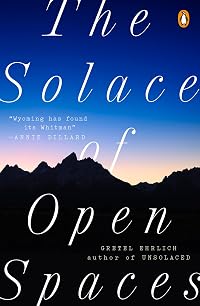
The Solace of Open Spaces
by Gretel Ehrlich
On This Page
Description
Poet and filmmaker Gretel Ehrlich went to Wyoming in 1975 to make the first in a series of documentaries when her partner died. Ehrlich stayed on and found she couldn't leave. The Solace of Open Spaces is a chronicle of her first years on "the planet of Wyoming," a personal journey into a place, a feeling, and a way of life. Ehrlich captures both the otherworldly beauty and cruelty of the natural forces-the harsh wind, bitter cold, and swiftly changing seasons-in the remote reaches of the show more American West. She brings depth, tenderness, and humor to her portraits of the peculiar souls who also call it home: hermits and ranchers, rodeo cowboys and schoolteachers, dreamers and realists. Together, these essays form an evocative and vibrant tribute to the life Ehrlich chose and the geography she loves. show lessTags
Recommendations



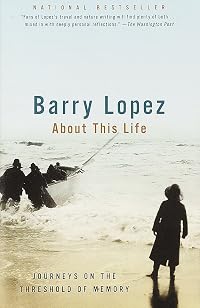
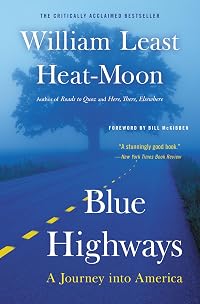
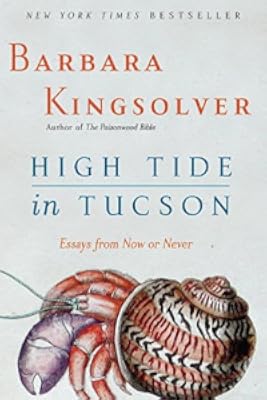
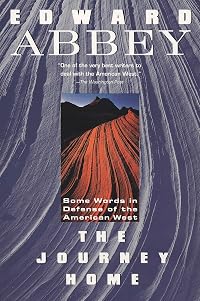
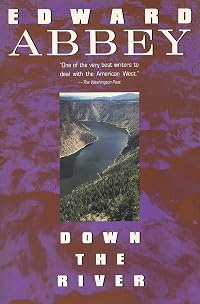
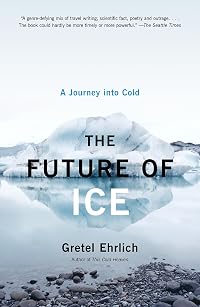
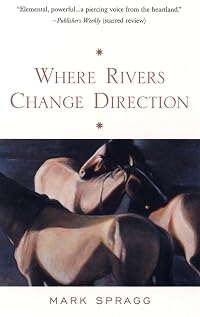
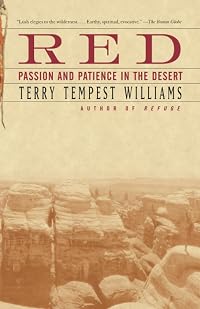


Member Recommendations

Member Reviews
“In the Great Plains, the vistas look like music, like Kyries of grass, but Wyoming seems to be the doing
of a mad architect- tumbled and twisted, ribboned with faded, deathbed colors, thrust up and pulled down as if the place had been startled out of a deep sleep and thrown into pure light.”
“Everything in nature invites us constantly to be what we are. We are often like rivers: careless and forceful, timid and dangerous, lucid and muddied, eddying, gleaming, still.”
“Ranchers are midwives, hunters, nurturers, providers, and conservationists all at once. What we’ve interpreted as toughness—weathered skin, calloused hands, a squint in the eye and a growl in the voice—only masks the tenderness inside.”
In the late 1970s, show more Gretel Ehrlich traveled to Wyoming on a work assignment. She was also grieving over the death of her beloved partner. She became entranced by this wild and unruly place and decided to stay. These essays describe the wonder and the beauty that she discovered during her time there and she ended up purchasing an old, ramshackle ranch, that she fell in love with. Ehrlich is no city slicker or shrinking violet. She became a sheepherder and a cowboy, living in incredibly harsh conditions. One, tough scrappy woman. She even survives a lightning strike. She is also a very gifted writer. Fans of Terry Tempest Williams will love this excellent collection. This author is completely new to me but I think she deserves much more attention. show less
of a mad architect- tumbled and twisted, ribboned with faded, deathbed colors, thrust up and pulled down as if the place had been startled out of a deep sleep and thrown into pure light.”
“Everything in nature invites us constantly to be what we are. We are often like rivers: careless and forceful, timid and dangerous, lucid and muddied, eddying, gleaming, still.”
“Ranchers are midwives, hunters, nurturers, providers, and conservationists all at once. What we’ve interpreted as toughness—weathered skin, calloused hands, a squint in the eye and a growl in the voice—only masks the tenderness inside.”
In the late 1970s, show more Gretel Ehrlich traveled to Wyoming on a work assignment. She was also grieving over the death of her beloved partner. She became entranced by this wild and unruly place and decided to stay. These essays describe the wonder and the beauty that she discovered during her time there and she ended up purchasing an old, ramshackle ranch, that she fell in love with. Ehrlich is no city slicker or shrinking violet. She became a sheepherder and a cowboy, living in incredibly harsh conditions. One, tough scrappy woman. She even survives a lightning strike. She is also a very gifted writer. Fans of Terry Tempest Williams will love this excellent collection. This author is completely new to me but I think she deserves much more attention. show less
I read the title essay in a library in Madison WI over a year ago, and since, Ehrlich’s name has come up enough to make this reading seem overdue. Of course it’s good, and of course it romanticizes ranching in Wyoming but manages to make it seem realistically sparse, uncomfortable, and exhausting at the same time. Less than a month ago, I had a job offer from an editor in a reasonably small city in Wyoming, an offer to learn the shape of the state from a newspaper office, and declining it felt like closing a door. Nothing will tell me the stories that accepting it would have. I won’t know these places by heart and by hand like the ranchers and farmers Ehrlich describes, or even in the more remote acquaintance of a city slicker. show more The vividness of these stories, then, and their poetry, I’ve taken as a consolation gift. The state has a limited amount of history due to a limited population, but a somehow unlimited amount of environment.
The tone of the book is of the same tenor as Berry’s Unsettling of America, written in an urgent cultural moment where Americans had information about place clarified through simple language in poetic books just as they felt the nature of those places, as they had known them, slipping away. Ehrlich does not defend Wyoming the way Berry defends Kentucky, however, which may be an advantage of moving to a loved homeland later in life. It may also be a result of geography: where Berry is loving and fiercely protective and feels Kentucky, with its Midwest vitality and southern locale and abundant flow of water, can provide, Ehrlich is prepared to tally up the contributions and lacks of Wyoming and tell you the numbers straight. A state with eight total inches of rainfall, a state where the number of grazing animals and the amount of pasture available is precariously balanced, a state where relations with those around you is a matter of survival rather than a matter of keeping in good stead with the neighbors, this is the picture Ehrlich paints.
It’s a book of essays which dips into Ehrlich’s personal life, but her writing makes that palatable. She tells the history of the state with the same tone she uses for explaining the rodeo, the Sun Dance, and the way she married her husband. She gives the same poetry to the changes of the seasons that she does to grieving a dead lover. It’s believable not despite the vividness of the language, like with some sickeningly verdant nonfiction authors, but because of it. The beauty she sees in her life is the same kind of thing you see when your dog’s eyes catch the sun or when the flowers finally come up out back of the house in the spring. You get a sense, constantly, that she’s not making this up.
“Now I can only think of mud as being sweet.” (128) show less
The tone of the book is of the same tenor as Berry’s Unsettling of America, written in an urgent cultural moment where Americans had information about place clarified through simple language in poetic books just as they felt the nature of those places, as they had known them, slipping away. Ehrlich does not defend Wyoming the way Berry defends Kentucky, however, which may be an advantage of moving to a loved homeland later in life. It may also be a result of geography: where Berry is loving and fiercely protective and feels Kentucky, with its Midwest vitality and southern locale and abundant flow of water, can provide, Ehrlich is prepared to tally up the contributions and lacks of Wyoming and tell you the numbers straight. A state with eight total inches of rainfall, a state where the number of grazing animals and the amount of pasture available is precariously balanced, a state where relations with those around you is a matter of survival rather than a matter of keeping in good stead with the neighbors, this is the picture Ehrlich paints.
It’s a book of essays which dips into Ehrlich’s personal life, but her writing makes that palatable. She tells the history of the state with the same tone she uses for explaining the rodeo, the Sun Dance, and the way she married her husband. She gives the same poetry to the changes of the seasons that she does to grieving a dead lover. It’s believable not despite the vividness of the language, like with some sickeningly verdant nonfiction authors, but because of it. The beauty she sees in her life is the same kind of thing you see when your dog’s eyes catch the sun or when the flowers finally come up out back of the house in the spring. You get a sense, constantly, that she’s not making this up.
“Now I can only think of mud as being sweet.” (128) show less
A small book of essays about her life in Wyoming. She went from NYC to Wyoming to make a film on sheepherders. The man she loved was part of the film team as well, but unable to come as he had received a terminal illness diagnosis and died fairly soon thereafter. In her grief, Wyoming and ranching became her home. The essays are about the real and the nitty-gritty of Wyoming life.
“Not unlike emotional transitions—the loss of a friend or the beginning of new work—the passage of seasons is often so belabored and quixotic as to deserve separate names so the year might be divided eight ways instead of four.” (p71)
After writing of the Sun Dance and how the community supports the dancers through separation, initiation, and return, show more the author makes this observation:
“Sunday. Two American flags were raised over the Lodge today—both had been owned by war veterans. The dance apron of a man near me had U.S. Navy insignias sewn into the corners. Here was a war hero, but he’d earned his medal far from home. Now the ritual of separation, initiation, and return performed in Vietnam, outside the context of community, changes into separation, benumbment, and exile.” (p114)
“Leaves are verbs that conjugate the seasons.” (p130) show less
“Not unlike emotional transitions—the loss of a friend or the beginning of new work—the passage of seasons is often so belabored and quixotic as to deserve separate names so the year might be divided eight ways instead of four.” (p71)
After writing of the Sun Dance and how the community supports the dancers through separation, initiation, and return, show more the author makes this observation:
“Sunday. Two American flags were raised over the Lodge today—both had been owned by war veterans. The dance apron of a man near me had U.S. Navy insignias sewn into the corners. Here was a war hero, but he’d earned his medal far from home. Now the ritual of separation, initiation, and return performed in Vietnam, outside the context of community, changes into separation, benumbment, and exile.” (p114)
“Leaves are verbs that conjugate the seasons.” (p130) show less
The Solace of Open Spaces by Gretel Ehrlich is a set of descriptive essays about the American West, in particular Wyoming, and the ranching way of life. My husband and I spent many of our holidays on driving trips throughout the west, and Wyoming, was one of our favorite destinations so I loved reading about the natural beauty and isolation of this magnificent state. Ehrlich was grieving the death of her partner when she came to Wyoming and found this a perfect place to recover. As a poet and a filmmaker she has both the eye and the words to paint a vivid picture of the place and the way of life that she found there.
There are twelve essays that comprise the book, each one dealing with a different aspect or adventure that she show more experienced. Sheep herding, attending rodeo, or Indigenous events all come to life under her pen. Personally my favorite essays were the ones that found her describing the scenery, nature and unexpected weather conditions. From the Wind River to the Big Horn Mountains, this is a special place and she captures the uniqueness of both the land and the people who live there with depth and humor.
Both meditative and descriptive, The Solace of Open Spaces explores a region of breathtaking mountains and colorful high plains. The author knows Wyoming and we, the readers, are invited to visit and soak up these open spaces for a short while. show less
There are twelve essays that comprise the book, each one dealing with a different aspect or adventure that she show more experienced. Sheep herding, attending rodeo, or Indigenous events all come to life under her pen. Personally my favorite essays were the ones that found her describing the scenery, nature and unexpected weather conditions. From the Wind River to the Big Horn Mountains, this is a special place and she captures the uniqueness of both the land and the people who live there with depth and humor.
Both meditative and descriptive, The Solace of Open Spaces explores a region of breathtaking mountains and colorful high plains. The author knows Wyoming and we, the readers, are invited to visit and soak up these open spaces for a short while. show less
I loved this collection of essays Ehrlich wrote when she moved to Wyoming and sporadically worked as a hand on local ranches. The essays felt very intimate but were also universal. Ehrlich has a knack for discerning details about people and places that are essential to them. The respect for the land and people is palpable in this book.
The title is a bit misleading as Ehrlich talks mostly about people and meaningful connections she made. I especially liked how she dismantled the stereotypical romanticized image of a "Marlboro man" by describing real cowboys and women among them.
The language is beautiful. I underlined many memorable sentences and passages. There were a lot of descriptions I didn't care for much, esp. related to animal show more husbandry, taking care of sheep, cattle, and horses, but I didn't mind. show less
The title is a bit misleading as Ehrlich talks mostly about people and meaningful connections she made. I especially liked how she dismantled the stereotypical romanticized image of a "Marlboro man" by describing real cowboys and women among them.
The language is beautiful. I underlined many memorable sentences and passages. There were a lot of descriptions I didn't care for much, esp. related to animal show more husbandry, taking care of sheep, cattle, and horses, but I didn't mind. show less
An elegant memoir of a hard life. I bought this on vacation in a lonely, wild place because the title seemed to fit what I was feeling. It held up, even after I returned to the city where I live. This book feels like a gift. I wish it had been longer.
I took this book on vacation simply because it was compact and didn't take up a lot of space. After reading it, I wonder how it could be so small when the writing and language was so large.
"Everything in nature invites us constantly to be what we are. We are often like rivers: careless and forceful, timid and dangerous, lucid and muddied, eddying, gleaming, still." Whether she's reflecting on nature's teachings, divulging her experiences as a cowpuncher, or painting vivid word portraits of the people she lives and works with, Gretel Ehrlich's observations are lyrical and funny, wise and authentic. After moving from the city to a vast new state, she writes of adjusting to cowboy life, boundless open spaces, and the almost show more incomprehensible harshness of a Wyoming winter"
Ehrlich moved to Wyoming permanently after her boyfriend passed away and became a helper on a ranch. This book, in incredibly flowing language, describes the Wyoming landscape, the ranches and all that goes on in that entirely alien world.
While I found myself skipping through some of the more descriptive passages, I did enjoy this book and wondered how I missed all this about Wyoming on my travels through that state. Anyone who chooses ranching is obviously made of tougher stuff than I am, since some of the descriptions of the work, such as sheepherding, made my skin crawl. I'm really not an outdoors girl. show less
"Everything in nature invites us constantly to be what we are. We are often like rivers: careless and forceful, timid and dangerous, lucid and muddied, eddying, gleaming, still." Whether she's reflecting on nature's teachings, divulging her experiences as a cowpuncher, or painting vivid word portraits of the people she lives and works with, Gretel Ehrlich's observations are lyrical and funny, wise and authentic. After moving from the city to a vast new state, she writes of adjusting to cowboy life, boundless open spaces, and the almost show more incomprehensible harshness of a Wyoming winter"
Ehrlich moved to Wyoming permanently after her boyfriend passed away and became a helper on a ranch. This book, in incredibly flowing language, describes the Wyoming landscape, the ranches and all that goes on in that entirely alien world.
While I found myself skipping through some of the more descriptive passages, I did enjoy this book and wondered how I missed all this about Wyoming on my travels through that state. Anyone who chooses ranching is obviously made of tougher stuff than I am, since some of the descriptions of the work, such as sheepherding, made my skin crawl. I'm really not an outdoors girl. show less
Members
- Recently Added By
Lists

Recommended Nature Writing
346 works; 180 members

500 Great Books by Women
507 works; 60 members

Deathreads
78 works; 2 members

Books Mentioned in the A+ Autostraddle Pop Up Discords Nov 2022 & Dec 2022
223 works; 3 members

The Pilgrim's Book Club
9 works; 1 member
Author Information

35+ Works 2,810 Members
Gretel Ehrlich is the author of "A Match to the Heart" among other works of nonfiction, fiction & poetry. She divides her time between California & Wyoming. (Bowker Author Biography)
Awards and Honors
Series
Belongs to Publisher Series
Work Relationships
Is contained in
Common Knowledge
- Canonical title
- The Solace of Open Spaces
- Original publication date
- 1985
- Important places
- Wyoming, USA
- Dedication
- For my parents, and for Press, with love
- First words
- It's May and I've just awakened from a nap, curled against sagebrush the way my dog taught me to sleep - sheltered from the wind.
- Last words
- (Click to show. Warning: May contain spoilers.)With them the light of these autumn days, bathed in what Tennyson called "a mockery of sunshine," will go completely out.
Classifications
Statistics
- Members
- 1,000
- Popularity
- 26,095
- Reviews
- 23
- Rating
- (4.05)
- Languages
- English, French, Japanese
- Media
- Paper, Audiobook, Ebook
- ISBNs
- 11
- ASINs
- 6