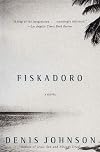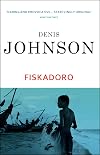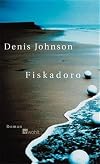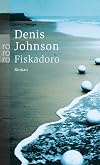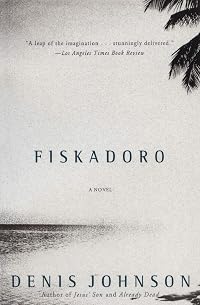
Fiskadoro
by Denis Johnson
On This Page
Description
The sweeping and heartbreaking tale of the survivors of a devastating nuclear war and their attempts to salvage remnants of the old world and rebuild their culture.Tags
Recommendations

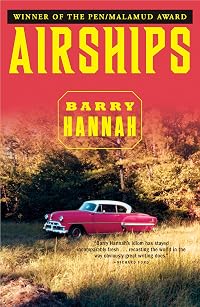
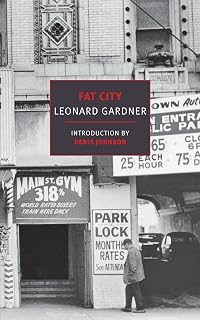
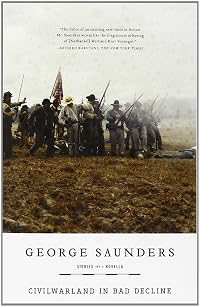
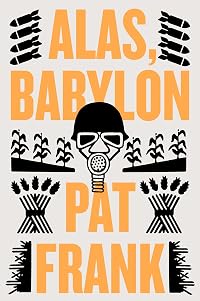


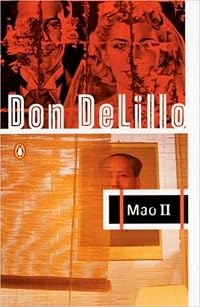
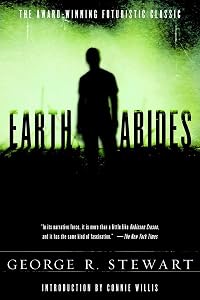
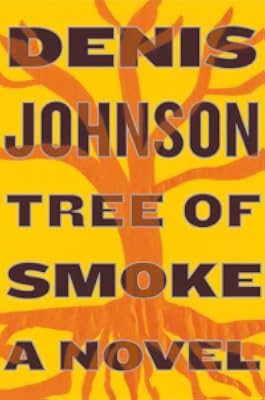
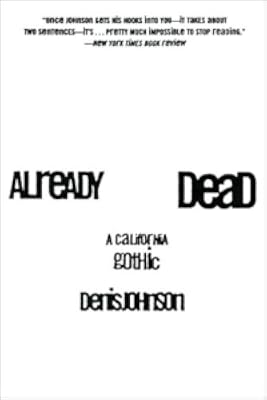
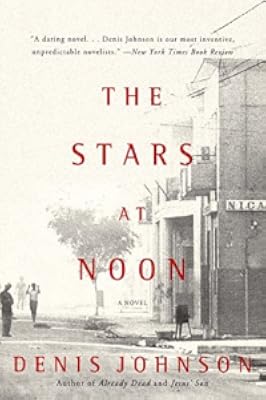
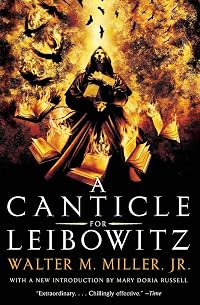

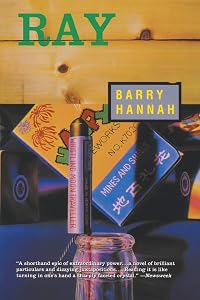
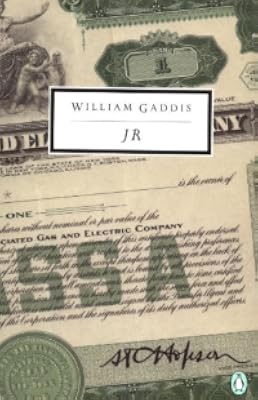
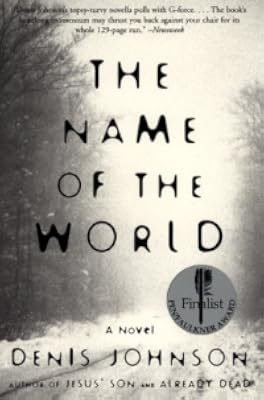
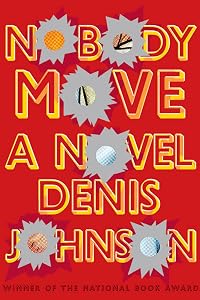
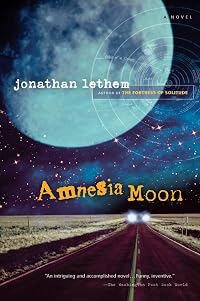
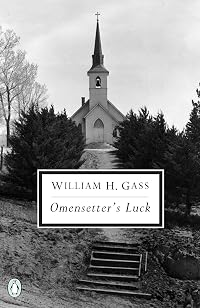

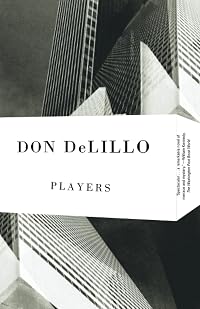

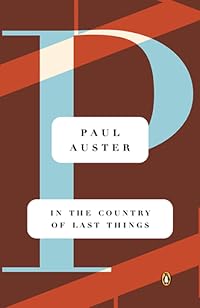
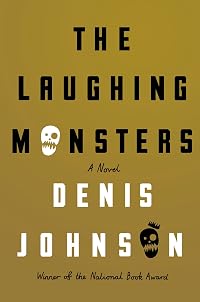

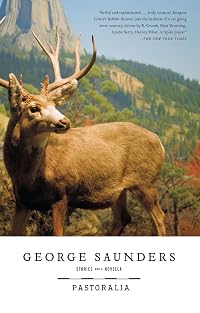

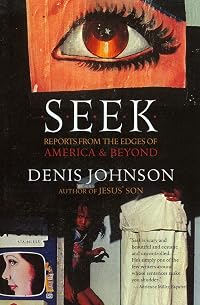

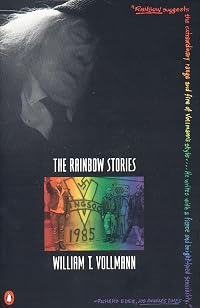


Member Recommendations

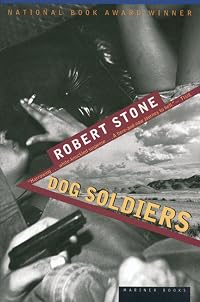
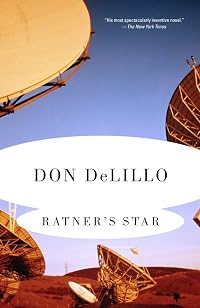
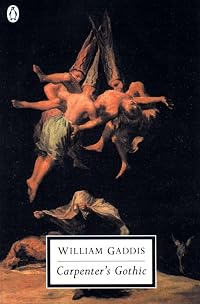
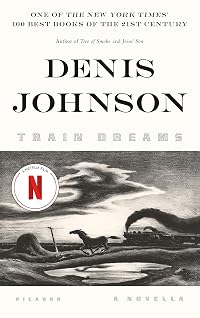
bertilak Both books show language simplified and less expressive after a global catastrophe.
Member Reviews
This is a strange, rich dish.
Having read the whole thing afraid that I wouldn't come away with any meaningful idea of what it was about, I was pleased to find I wasn't left totally in the dark. But this is obviously a book for which re-reading or active study would prove beneficial.
Denis Johnson, no stranger to impressiveness, impresses here. Imagine a story involving life after a great apocalypse, pseudo-islander-Spanglish patois, genital self-mutilation, the phrase "You hanging you tits out now.", clarinet lessons, cancer, fishing, a sort of utilitarian neo-Islam, mud helmets, Bob Marley, marijuana, the Vietnam War, drowning, fire, eating of live two-headed snakes, potato brandy and characters called Cassius Clay Sugar Ray, Harvard show more Sanchez, Flying Man, A.T. Cheung, and Mrs. Castanette (who named herself, because she plays the castenets.) Now imagine somehow compressing all of that into a clear, tight narrative style. Mr. Johnson succeeds in that where no one else, I imagine, would even try.
One can't help but to suspect heavy drug use being involved in the conception of this book. But however outlandish the ideas, characters, and images, Denis Johnson, as soberly and beautifully as ever, constructs a few hundred pages of eye-widening,tightly coiled prose that stand up in every way to the standards of the rest of his work.
I don't care what you say. show less
Having read the whole thing afraid that I wouldn't come away with any meaningful idea of what it was about, I was pleased to find I wasn't left totally in the dark. But this is obviously a book for which re-reading or active study would prove beneficial.
Denis Johnson, no stranger to impressiveness, impresses here. Imagine a story involving life after a great apocalypse, pseudo-islander-Spanglish patois, genital self-mutilation, the phrase "You hanging you tits out now.", clarinet lessons, cancer, fishing, a sort of utilitarian neo-Islam, mud helmets, Bob Marley, marijuana, the Vietnam War, drowning, fire, eating of live two-headed snakes, potato brandy and characters called Cassius Clay Sugar Ray, Harvard show more Sanchez, Flying Man, A.T. Cheung, and Mrs. Castanette (who named herself, because she plays the castenets.) Now imagine somehow compressing all of that into a clear, tight narrative style. Mr. Johnson succeeds in that where no one else, I imagine, would even try.
One can't help but to suspect heavy drug use being involved in the conception of this book. But however outlandish the ideas, characters, and images, Denis Johnson, as soberly and beautifully as ever, constructs a few hundred pages of eye-widening,tightly coiled prose that stand up in every way to the standards of the rest of his work.
I don't care what you say. show less
Sixty years after nuclear war has decimated the world the only pockets of civilization appear to be in the Florida Keys and Cuba.
Key West is now called Twicetown because it was saved from bombing twice. A dud bomb sits on the outskirts of town and has become a type of shrine. Residents speak a form of Spanglish – their sole contact with the outside consists of bilingual broadcasts from Cubaradio. Living conditions are primitive. People live in shacks and wrecked Quonset huts and use old car seats for furniture.
The three main characters represent the stages of civilization. Fiskadoro, the future, is a teenage boy trying to learn Clarinet from Mr. Cheung, who is basically the last depository of knowledge from before the world ended. show more Mr. Cheung’s grandmother – Grandmother Wright – remembers back to when she escaped the fall of Saigon, but it’s all locked in her ancient head now. After Fiskadoro's memory is ritualistically cleansed, Mr. Cheung, recognizing that he is free from the burdens of the past, predicts that Fiskadoro will become a great leader.
Published in 1985, Fiskadoro is a highly original post-apocalyptic story that tries to imagine how the world would carry on if the unthinkable happened. show less
Key West is now called Twicetown because it was saved from bombing twice. A dud bomb sits on the outskirts of town and has become a type of shrine. Residents speak a form of Spanglish – their sole contact with the outside consists of bilingual broadcasts from Cubaradio. Living conditions are primitive. People live in shacks and wrecked Quonset huts and use old car seats for furniture.
The three main characters represent the stages of civilization. Fiskadoro, the future, is a teenage boy trying to learn Clarinet from Mr. Cheung, who is basically the last depository of knowledge from before the world ended. show more Mr. Cheung’s grandmother – Grandmother Wright – remembers back to when she escaped the fall of Saigon, but it’s all locked in her ancient head now. After Fiskadoro's memory is ritualistically cleansed, Mr. Cheung, recognizing that he is free from the burdens of the past, predicts that Fiskadoro will become a great leader.
Published in 1985, Fiskadoro is a highly original post-apocalyptic story that tries to imagine how the world would carry on if the unthinkable happened. show less
So much seems to be going on in this book that perhaps it's crammed too tightly in just over 200 pages. Every memorable and vivid character is their own "stranger in a strange land" as identity, history and memory seem tossed into a wonderous flux, and yet...
Fiskadoro by Denis Johnson is a jumbled, frustrating post-apocalyptic novel. Don’t expect a paint-by-numbers approach to revealing how things went wrong, nor what happened between that fateful day and the present. There is no omniscient character to provide the necessary background. There is no guide. Instead Johnson’s characters inhabit the world as it is, without the explanation that might bring clarity to the reader.
I admire what Denis Johnson is trying to do in Fiskadoro. He immerses the reader in what it might really be like to be a survivor. History is lost or, worse, is a warped collection of things heard or imagined. The connection to the past is limited, receding away until it vanishes like a sunset never to return. What show more remains isn’t well understood or is taken for granted as part of daily life.
Admiration and enjoyment don’t always go hand in hand.
Read my entire review on the Used Books Blog:
http://usedbooksblog.com/blog/fiskadoro-by-denis-johnson/ show less
I admire what Denis Johnson is trying to do in Fiskadoro. He immerses the reader in what it might really be like to be a survivor. History is lost or, worse, is a warped collection of things heard or imagined. The connection to the past is limited, receding away until it vanishes like a sunset never to return. What show more remains isn’t well understood or is taken for granted as part of daily life.
Admiration and enjoyment don’t always go hand in hand.
Read my entire review on the Used Books Blog:
http://usedbooksblog.com/blog/fiskadoro-by-denis-johnson/ show less
I'm so far behind on my reviews. This is what happens when you move and you don't have internet for a couple of weeks. Gonna be a bunch of reviews all dated for today.
Anyway, let's start with this. Sorry, I gave up about 20% of the way in, because, from what I could tell, absolutely nothing but music lessons were happening, and I didn't care about any of the characters.
Left a sour note for me.
Anyway, let's start with this. Sorry, I gave up about 20% of the way in, because, from what I could tell, absolutely nothing but music lessons were happening, and I didn't care about any of the characters.
Left a sour note for me.
A story about post-nuclear war inhabitants of the Florida Keys. The author explores certain aspects of current culture as they might be remixed in such an event. In particular: the human drive for knowledge and art, religion, race, and family.
Surprsingly good story of post-apocolyptic future.
Members
- Recently Added By
Lists

Read These Too
458 works; 9 members

Harold Bloom - The Western Canon: D. The Chaotic Age
833 works; 24 members

Post-Apocalyptic Fiction
57 works; 3 members
Author Information

36+ Works 14,368 Members
Denis Johnson was born in Munich, Germany on July 1, 1949. He received a bachelor's degree and a master's degree from the University of Iowa. He published his first book of poetry, The Man Among the Seals, at the age of 19. However, addictions to alcohol and drugs derailed him and he was in a psychiatric ward at the age of 21. He was sober by the show more early 1980s. Along with writing several volumes of poetry, Johnson wrote short stories for The New Yorker, Atlantic Monthly, Esquire, Paris Review, and Best American Short Stories. His novels included Angels, Jesus' Son, Resuscitation of a Hanged Man, Already Dead, Nobody Move, Train Dreams, and The Laughing Monsters. He won the National Book Award in 2007 for Tree of Smoke. He also received the Award for Literature from the American Academy of Arts, the Robert Frost Award, and the Library of Congress Prize for American Fiction. He died of liver cancer on May 24, 2017 at the age of 67. (Bowker Author Biography) show less
Some Editions
Awards and Honors
Common Knowledge
- Canonical title*
- Fiskadoro
- Original publication date
- 1985
- Important places*
- Florida, USA; Stati Uniti d'America
- Original language*
- Inglese
*Some information comes from Common Knowledge in other languages. Click "Edit" for more information.
Classifications
Statistics
- Members
- 626
- Popularity
- 46,640
- Reviews
- 7
- Rating
- (3.36)
- Languages
- 9 — English, French, German, Italian, Norwegian (Bokmål), Norwegian, Spanish, Swedish, Turkish
- Media
- Paper, Ebook
- ISBNs
- 19
- ASINs
- 2