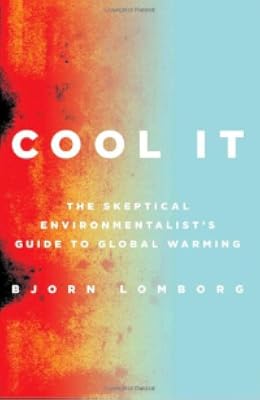
Cool It: The Skeptical Environmentalist's Guide to Global Warming
by Bjørn Lomborg
On This Page
Description
Argues that many of the elaborate actions being considered to stop global warming are too costly and will have little impact, and suggests that society's focus should be on such immediate concerns as fighting HIV/AIDS and maintaining a fresh water supply.Tags
Recommendations







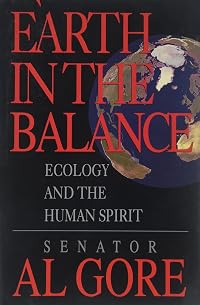
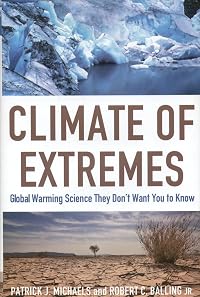
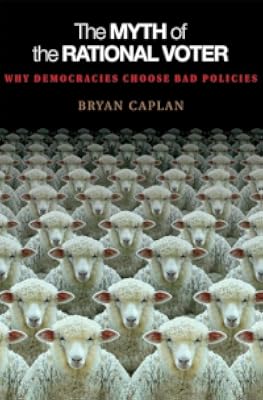
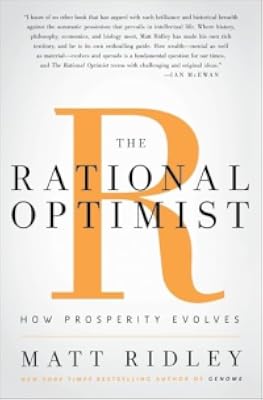

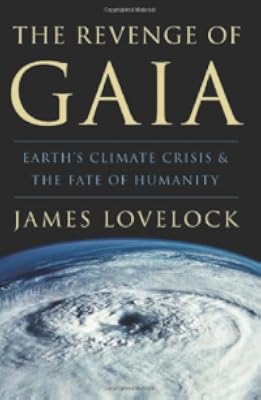
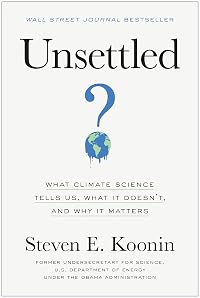
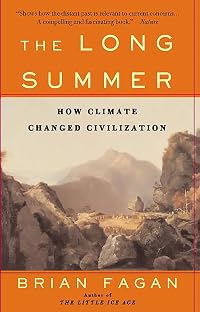
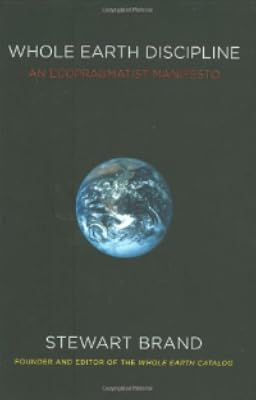
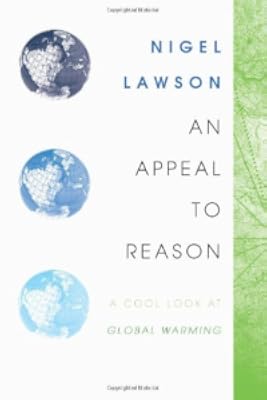
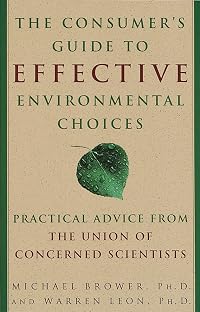
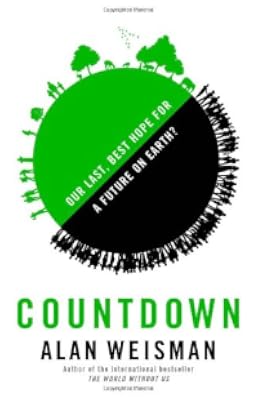
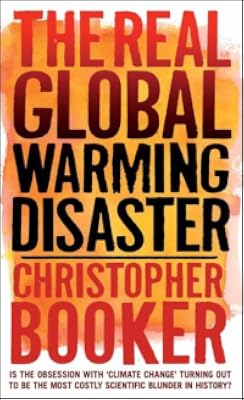


Member Recommendations
Member Reviews
Lomborg alaposan megadatolt, mégis rövidke vitairatában szembeszáll a „zöld alarmizmussal” – vagyis azzal, hogy a globális felmelegedés kapcsán folyton csak a katasztrofikus forgatókönyveket vesszük számba, de kizárjuk az értelmes vita lehetőségét. Sorra cáfolja meg az olyan toposzokat, mint a jegesmedvék kihalásának veszélye, az új jégkorszak, vagy a Kilimandzsáró hósipkájának eltűnése. Közben azért nem szabad elfelejtenünk, hogy Lomborg nem a globális felmelegedést vitatja, egyszerűen elfogadhatatlannak tartja, hogy a pánikgombot nyomogatjuk ahelyett, hogy racionális megoldási alternatívákat keresnénk. Végső soron felhánytorgatja az olvasónak, hogy „ösztönösen úgy érezte, show more hogy meg kell kérdőjeleznie azt az állítást, hogy a globális felmelegedés pozitív hatással is járhat. Ugyanez az ösztön valamiért nem működik, amikor a negatív hatásokról hallunk.” Amely sajátosság amúgy nem csak környezetvédelmi kérdésekben jellemző, hiszen minden évtizednek megvan a maga apokalipszise: az ötvenes-hatvanas éveknek az atom, az ezredfordulónak az üvegházhatás, korunknak pedig az új népvándorlás. Aminél mi sem természetesebb, hisz az ember valószínűleg evolucionálisan van pesszimizmusra kódolva – gondolom, az óvatos ősembernek nagyobbak voltak a túlélési esélyei, mint az optimistának, aki így szólt a barlang előtt: Á, biztos már nincs itt az a benga nagy barnamedve, akit a múltkor láttam. Viszont az utóbbi évszázadokban ragadhatott volna ránk annyi, hogy legalább a sorsfordító kérdéseket alaposabban körüljárjuk, és objektív adatokra épülő döntést hozunk.
Egyetlen bajom a könyvvel, hogy túlságosan az Al Gore & tsai által feldobott állításokra koncentrál – bár szó se róla, azokkal eredményesen kel birokra. Nyilván tudatos szerzői cél ez, Lomborg ezt érzi prioritásnak: a tévhitek felszámolását. Viszont ezzel feladja annak lehetőségét, hogy koherens, jól felépített tanulmányt írjon az „igazi” globális felmelegedésről. Elmondja ugyan, hogy mi nem igaz, de arról kevesebbet beszél, hogy mi igen. Másrészről azzal, hogy ilyen mértékben hozzáláncolja magát ellenfele érveihez, paradox helyzetet hoz létre: azokra a problémákra javasol megoldási alternatívákat, amiknek a létét amúgy megkérdőjelezi. Sajátos helyzet. Ettől függetlenül ez egy tárgyilagos és fontos könyv, amit mindenképpen javasolt átfutni azoknak, akik a téma iránt érdeklődnek. És nem árt, ha közben mindenki tisztában van azzal: Lomborg csak jót akar. És egy termékeny dialógus megnyitására kiválóan alkalmas ez a kis pamflet. show less
Egyetlen bajom a könyvvel, hogy túlságosan az Al Gore & tsai által feldobott állításokra koncentrál – bár szó se róla, azokkal eredményesen kel birokra. Nyilván tudatos szerzői cél ez, Lomborg ezt érzi prioritásnak: a tévhitek felszámolását. Viszont ezzel feladja annak lehetőségét, hogy koherens, jól felépített tanulmányt írjon az „igazi” globális felmelegedésről. Elmondja ugyan, hogy mi nem igaz, de arról kevesebbet beszél, hogy mi igen. Másrészről azzal, hogy ilyen mértékben hozzáláncolja magát ellenfele érveihez, paradox helyzetet hoz létre: azokra a problémákra javasol megoldási alternatívákat, amiknek a létét amúgy megkérdőjelezi. Sajátos helyzet. Ettől függetlenül ez egy tárgyilagos és fontos könyv, amit mindenképpen javasolt átfutni azoknak, akik a téma iránt érdeklődnek. És nem árt, ha közben mindenki tisztában van azzal: Lomborg csak jót akar. És egy termékeny dialógus megnyitására kiválóan alkalmas ez a kis pamflet. show less
Lomborg looks at global warming and the proposed solutions with the unflinching eye of an economist, and discovers that most of the hype and hysteria is unjustifiable, and that most of the political solutions offered will make things worse for future generations.
Lomborg is not a "climate change denier" - he fully accepts the IPCC consensus that global warming exists and is significantly caused by human activity. But that's where he parts company from most people who discuss global warming in public. Early in the book, he shows that warming is not always bad - warming in big cities has noticeably reduced death rates, for example, and polar bear populations are increasing in those areas of the Arctic which are warming. He then recounts show more what the actual consensus science of the impacts of warming, which excludes most of the apocalyptic visions peddled by the fearmongers. After establishing the actual effects of global warming, he starts to examine the costs and benefits of proposed solutions, and finds most of them, particularly Kyoto, wanting.
This is probably the most important book written regarding the political debate over coping with global warming. show less
Lomborg is not a "climate change denier" - he fully accepts the IPCC consensus that global warming exists and is significantly caused by human activity. But that's where he parts company from most people who discuss global warming in public. Early in the book, he shows that warming is not always bad - warming in big cities has noticeably reduced death rates, for example, and polar bear populations are increasing in those areas of the Arctic which are warming. He then recounts show more what the actual consensus science of the impacts of warming, which excludes most of the apocalyptic visions peddled by the fearmongers. After establishing the actual effects of global warming, he starts to examine the costs and benefits of proposed solutions, and finds most of them, particularly Kyoto, wanting.
This is probably the most important book written regarding the political debate over coping with global warming. show less
An important book with a lot of common sense. I first started covering global warming in the early 1990s, so I've been able to tell when some hyperbole had gone amok. But here is a careful economist's dissection of so much more.
If we start from the consequences of global warming--the very worst scenarios--well, for far less money we can have far greater impact on malaria, flooding, even the polar bears (have Canadians stop shooting 48 of them per year. Or even half that many.)
He doesn't deny that global warming is occurring, but there are better ways (than Kyoto, which has had little effect) to encourage the development of alternative fuels. Although I knew that most of Europe had made little progress despite commitments, who knew that show more US emissions have remained about level since 1990 while UK's and Denmark's have gone up?
But why does this Lomborg's work seem to have made to little impression on Al Gore or Paul Krugman? show less
If we start from the consequences of global warming--the very worst scenarios--well, for far less money we can have far greater impact on malaria, flooding, even the polar bears (have Canadians stop shooting 48 of them per year. Or even half that many.)
He doesn't deny that global warming is occurring, but there are better ways (than Kyoto, which has had little effect) to encourage the development of alternative fuels. Although I knew that most of Europe had made little progress despite commitments, who knew that show more US emissions have remained about level since 1990 while UK's and Denmark's have gone up?
But why does this Lomborg's work seem to have made to little impression on Al Gore or Paul Krugman? show less
Lomborg examines what we should do about global warming rather than whether it is happening. He concedes that global warming is happening and it is largely caused by humans. He then takes the models of others and looks at how we should cooly react. He uses examples such as the famed polar bear. According to the models, global warming is killing 1 polar bear a year while hunting kills 800. So, if we want to save polar bears it would be far more cost effective to ban hunting. Another example is deaths due to warming. He shows that actually there are more deaths due to cold weather, so warming may actually save lives. I am skeptical of much of what he says, but the idea of approaching the problem of global warming logically rather than in show more a panic is dead on. Read the book if you want your preconceived ideas to be challenged. show less
Lomborg continues with his level-headed environmental commentary and policy recommendations rather than the usual apocalyptic hysteria that we're used to hearing from mainstream enviro-nuts.
Lomborg's book bills itself as a critique of the present climate change hysteria and aims to provide balance in the argument about climate change. Unfortunately, this seems to be all that occurs in the book - critiquing the hysteria. The book is listed at 272 pages but 108 of those are references and notes. Those remaining 164 pages are dedicated to providing facts and examples that counter opinions such as Al gore while acknowledging that there is indeed a problem. Lomborg frequently mentions how much better off people in developing countries will be in 50 years and implies that they will be better prepared to deal with the results of climate change. The focus on economic benefits is a welcome relief from the usual rhetoric and Lomborg show more can provide much stronger examples based on economic fact and theory. Many of the points are interesting, but the lack of citations in the text makes turning to the back of the book a real pain. At only 164 pages and barely bigger than a pocket-sized paperback, this simple book is quite quick to read and will hopefully shed more light on this situation to the general public. show less
Lomborg continues the path he's traveled with "Skeptical Environmentalist" and "Global Crises, Global Solutions", using economic analysis of alternative ills and cures which must be chosen between. In "Cool It", Lomborg shows that the canonical cure for climate change (CO2 reduction) has a terrible cost/benefit ratio and more, only promises to benefit (a little) in the far future, condemning the people of the near future to not only pay the money costs but pay real life and death costs of the radical reordering of the world's economy.
Members
- Recently Added By
Author Information

40+ Works 2,221 Members
Awards and Honors
Notable Lists
Common Knowledge
- Canonical title*
- Cool it!
- Original publication date
- 2007
- Related movies
- Cool It! (2010 | IMDb)
- Dedication*
- Para as Gerações Futuras
- First words
- Global warming has been portrayed recently as the greatest crisis in the history of civilization.
- Last words
- (Click to show. Warning: May contain spoilers.)We didn't just do something that made us feel good; we did something that actually did good.
*Some information comes from Common Knowledge in other languages. Click "Edit" for more information.
Classifications
- Genres
- Science & Nature, Economics, Nonfiction, General Nonfiction
- DDC/MDS
- 363.73874 — Society, government, & culture Social problems and social services Public Safety - Police, Crime Investigation Environmental Issues - Pollution, Recycling, Global Warming Pollution Pollutants by source Fumes, gases, smoke Greenhouse gases
- LCC
- QC981.8 .G56 .L657 — Science Physics Physics Meteorology. Climatology Climatology and weather
- BISAC
Statistics
- Members
- 515
- Popularity
- 58,192
- Reviews
- 16
- Rating
- (3.83)
- Languages
- 10 — Danish, Dutch, English, German, Hungarian, Italian, Japanese, Portuguese (Portugal), Spanish, Swedish
- Media
- Paper, Audiobook, Ebook
- ISBNs
- 20
- ASINs
- 4