On This Page
Description
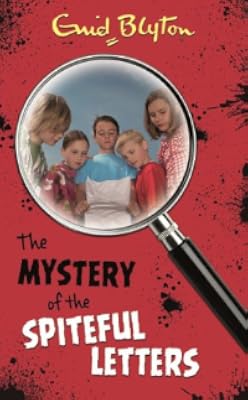
A brilliant mystery series from bestselling author Enid Blyton, perfect for fans of The Secret Seven. Someone is sending spiteful letters to the people of Peterswood - but who? Fatty, Larry, Pip, Daisy, Bets and Buster the Dog have to find the culprit who is making the villagers so unhappy. But Mr Goon is right on their heels to solve the mystery first! First published in 1946, this edition contains the original text and is unillustrated.Tags
Recommendations

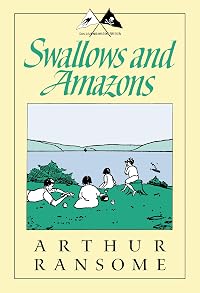
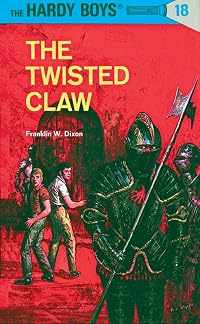
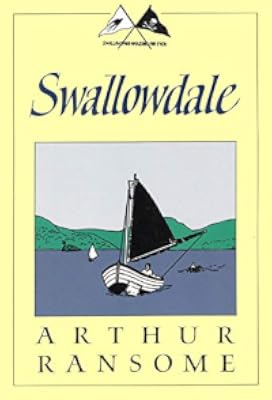
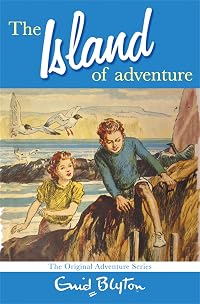










Member Recommendations
Member Reviews
The fourth title in Enid Blyton's fifteen-book Five Find-Outers and Dog series, sometimes also styled the Mystery series, The Mystery of the Spiteful Letters sees the Find-Outers back in their home village of Peterswood for the Easter holidays. Fatty, Larry, Daisy, Pip, and Bets (together with Buster the dog), are on the look-out for another mystery, and they soon find themselves involved in a puzzling case involving a series of nasty anonymous letters. But will the children find the culprit before their nemesis - pompous police bobby Mr. Goon?
Read as part of an ongoing project to familiarize myself with the work of Enid Blyton, who, despite being the sixth most popular author in the world, is virtually unknown in the United States, show more this series has thus far left me with the impression of formulaic plots and fairly generic prose. Oddly enough, despite these readily apparent flaws, it is also starting to grow on me. Perhaps I've simply become fond of the characters after reading four of their adventures, or perhaps I'm regressing (wouldn't Harold Bloom feel vindicated?), but I found myself giggling with childish glee in a number of places while reading The Mystery of the Spiteful Letters.
I enjoyed seeing the further development of Fatty's character in particular, with his clever disguises (how many non-existent red-haired boys can one village hold?), and "innocent" baiting of slow Mr. Goon. Many of the scenes in which the children outwit the irritable policeman are simply hilarious! Bets also continues to entertain, although I am beginning to sense that Blyton's development of these two seems to have utterly eclipsed Larry, Daisy and Pip. However that may be, I am finding these books entertaining enough to continue with my project. show less
Read as part of an ongoing project to familiarize myself with the work of Enid Blyton, who, despite being the sixth most popular author in the world, is virtually unknown in the United States, show more this series has thus far left me with the impression of formulaic plots and fairly generic prose. Oddly enough, despite these readily apparent flaws, it is also starting to grow on me. Perhaps I've simply become fond of the characters after reading four of their adventures, or perhaps I'm regressing (wouldn't Harold Bloom feel vindicated?), but I found myself giggling with childish glee in a number of places while reading The Mystery of the Spiteful Letters.
I enjoyed seeing the further development of Fatty's character in particular, with his clever disguises (how many non-existent red-haired boys can one village hold?), and "innocent" baiting of slow Mr. Goon. Many of the scenes in which the children outwit the irritable policeman are simply hilarious! Bets also continues to entertain, although I am beginning to sense that Blyton's development of these two seems to have utterly eclipsed Larry, Daisy and Pip. However that may be, I am finding these books entertaining enough to continue with my project. show less
The fourth book in the series is another nice mystery, in the Golden Age of Detection tradition, only investigated by a group of kids. Being a series for children, the crime investigated is never murder, but theft or something like that. In this case, we have a campaign of spiteful letters harassing different people in the village, and threatening to expose their secrets.
Mr. Goon, the unsympathetic but hapless policeman, is on the case, and so are the Find-Outers. Mr. Goon is actually not dumb. He conducts a more or less reasonable investigation, but the children, led by Fatty, are always a step ahead.
One think I like is how properly clued these stories are. Once you get Fatty's explanation you realize how everything fits. One problem show more in this particular story, however, is that we do not get the most important clues until we are very close to the end, and the find-outers obtain those final clues not through their own investigation, but from Goon. Also, the motivation of the guilty person was flimsier than usual.
Again, I guessed the culprit early, but that's because I'm an adult reader with experience reading Golden Age mysteries. For the intended target audience, this won't be a problem.
From the point of view of a kid, the find-outers teasing and outsmarting Mr. Goon is hilarious. As an adult reader, I found it quite funny how Fatty makes Mr. Goon crazy with his costumes and disguises, but overall I felt a bit sorry for the policeman. Yes, he's not a likable person, but he is not evil either, and he is always getting mocked and humiliated by the children, with the approval of Inspector Jenks.
Unlike the Famous Five books, I did not read this series as a kid. I think I prefer Blyton's adventure stories, because I really enjoy the settings and the sense of freedom of the children allowed to go go on vacations on their own, but these mysteries for children are done well and are fun to read. show less
Mr. Goon, the unsympathetic but hapless policeman, is on the case, and so are the Find-Outers. Mr. Goon is actually not dumb. He conducts a more or less reasonable investigation, but the children, led by Fatty, are always a step ahead.
One think I like is how properly clued these stories are. Once you get Fatty's explanation you realize how everything fits. One problem show more in this particular story, however, is that we do not get the most important clues until we are very close to the end, and the find-outers obtain those final clues not through their own investigation, but from Goon. Also, the motivation of the guilty person was flimsier than usual.
Again, I guessed the culprit early, but that's because I'm an adult reader with experience reading Golden Age mysteries. For the intended target audience, this won't be a problem.
From the point of view of a kid, the find-outers teasing and outsmarting Mr. Goon is hilarious. As an adult reader, I found it quite funny how Fatty makes Mr. Goon crazy with his costumes and disguises, but overall I felt a bit sorry for the policeman. Yes, he's not a likable person, but he is not evil either, and he is always getting mocked and humiliated by the children, with the approval of Inspector Jenks.
Unlike the Famous Five books, I did not read this series as a kid. I think I prefer Blyton's adventure stories, because I really enjoy the settings and the sense of freedom of the children allowed to go go on vacations on their own, but these mysteries for children are done well and are fun to read. show less
This book is one of a series of 15, about the Five Find-Outers and Buster the dog. The story revolves around some nasty anonymous letters that have been sent to various people in the village. Mr Goon the policeman is trying to investigate without the children interfering, but naturally they find out what the problem is.
It's quite a good story, although I remembered easily 'whodunnit', despite not having read this book for probably twenty years or more. It's not particularly well-written, but it appealed to me and my friends in the 1960s, and probably still appeals to children today despite being rather old-fashioned now.
I don't much like the way poor Mr Goon is treated - he's not exactly a kind person, but the children are very show more unpleasant to him and often get away with teasing him, and otherwise being pretty nasy. But I don't really think that gives children a poor idea of the police force; there are other policemen in the books who are fair and generally nice people. There's even a moral lesson about the nastiness of anonymous letters in general. show less
It's quite a good story, although I remembered easily 'whodunnit', despite not having read this book for probably twenty years or more. It's not particularly well-written, but it appealed to me and my friends in the 1960s, and probably still appeals to children today despite being rather old-fashioned now.
I don't much like the way poor Mr Goon is treated - he's not exactly a kind person, but the children are very show more unpleasant to him and often get away with teasing him, and otherwise being pretty nasy. But I don't really think that gives children a poor idea of the police force; there are other policemen in the books who are fair and generally nice people. There's even a moral lesson about the nastiness of anonymous letters in general. show less
This is my third favourite of the series. See also my reviews about "Geheimnis um eine Efeuvilla" and "Geheimnis um einen unsichtbaren Dieb".
Novels/novelettes
9788423998821
Members
- Recently Added By
Lists

Children's Chapter Books from 1940s, ...
77 works; 4 members
Author Information

2,547+ Works 112,019 Members
Enid Blyton, 1897 - November 28, 1968 Enid Blyton was born in London in 1897. She was educated in a private school and thought that she would become a musician until she realized that writing was her passion. She attended Ipswich High School where she trained to become a kindergarten teacher and eventually opened her own school for infants. show more Blyton's first poem was published in 1917, entitled "Have You-" which appeared in Nash's Magazine. In 1922, her first book of verses was published, entitled "Child Whispers." In 1926 she accepted a position editing the children's magazine "Sunny Stories" as well as writing the column "Teachers World." Blyton's first full length children's book was published din 1938 and was titled "The Secret Island." After working on the column for years, Blyton quit "Teachers World" in 1945 and also ended her stint as editor of "Sunny Stories" seven years later. In 1953 she started her own children's magazine called "The Edith Blyton Magazine" which featured stories about her characters and news on the clubs formed around them. Her most famous stories were those of the "Famous Five" The Magazine closed in 1959. In the 50's and 60's Blyton was criticized for the language in her book, for being to simple, but some 300 are still in print today. Blyton has published over 600 books in the course of her career. Enid Blyton died in her sleep on November 28, 1968. She was 71 years old. show less
Some Editions
Series

Belongs to Publisher Series
Pop-serien (304)
Work Relationships
Is contained in
Common Knowledge
- Canonical title*
- Geheimnis um eine giftige Feder
- Original title
- The Mystery of the Spiteful Letters
- Original publication date
- 1946
- People/Characters
- Frederick Algernon Troteville; Lawrence Daykin (Larry); Margarete Daykin (Daisy); Philip Hilton (Pip); Elizabeth Hilton (Bets); Buster (show all 10); Inspector Jenks; Theopilus Goon (Mr. Goon); Gladys; Mrs. Moon
- First words
- Bets and Pip were waiting impatiently for Larry, Daisy and Fatty to come.
- Last words
- (Click to show. Warning: May contain spoilers.)"GAH!"
- Original language
- English
*Some information comes from Common Knowledge in other languages. Click "Edit" for more information.
Classifications
Statistics
- Members
- 550
- Popularity
- 54,272
- Reviews
- 8
- Rating
- (3.93)
- Languages
- 11 — Danish, Dutch, English, Finnish, French, German, Greek, Norwegian (Bokmål), Portuguese, Spanish, Swedish
- Media
- Paper, Audiobook, Ebook
- ISBNs
- 43
- ASINs
- 21