Angelica
by Arthur Phillips 
On This Page
Description
“A masterpiece . . . seamlessly mixes psychological disintegration, the dissolution of a marriage and . . . a classic ghost story.”—USA TodayNOW A MAJOR MOTION PICTURE • NATIONAL BESTSELLER
“Angelica impresses first as a clever send-up of the late Victorian novel, and then becomes its own very original thing. It is engrossing, deeply moving, and—precisely because it is moving—very frightening.”—Stephen King
London, the 1880s. In the dark of night, a chilling show more spectre is making its way through the Barton household, hovering over the sleeping daughter and terrorizing her fragile mother. Are these visions real, or is there something more sinister, and more human, to fear? As the family’s story is told several times from different perspectives, events are recast, sym- pathies shift, and nothing is as it seems.
Set at the dawn of psychoanalysis and the peak of spiritualism’s acceptance, Angelica is a spellbinding Victorian ghost story, an intriguing literary and psychological puzzle, and a thoroughly modern exploration of identity, reality, and love.
Praise for Angelica
“Starts as a ghost story . . . turns into a spectacular, ever-proliferating tale of mingled motives, psychological menace, and delicately told crises of appetite and loneliness.”—The New Yorker
“Spellbinding . . . cements this young novelist’s reputation as one of the best writers in America.”—The Washington Post Book World
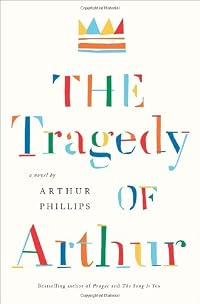
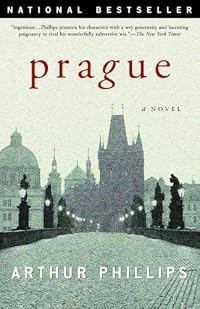
BONUS: This edition contains excerpts from Arthur Phillips's The Tragedy of Arthur, The Song Is You, Prague, and The Egyptologist.. show less
Tags
Recommendations
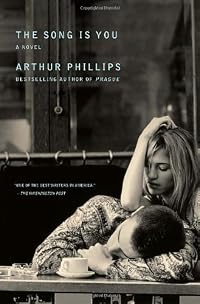
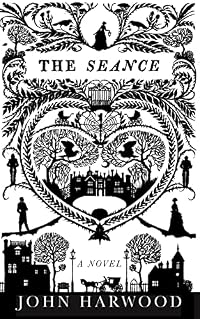
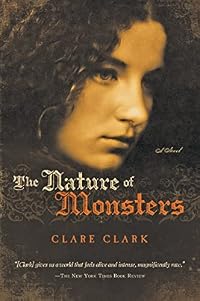
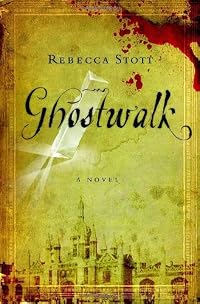
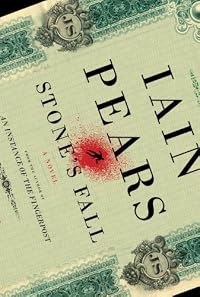
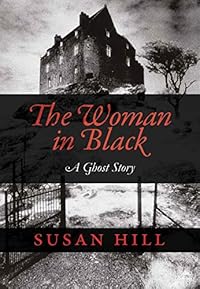
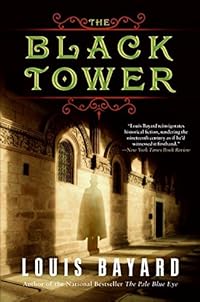
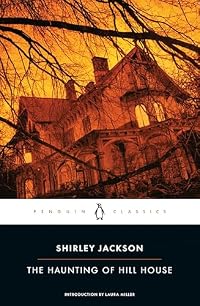




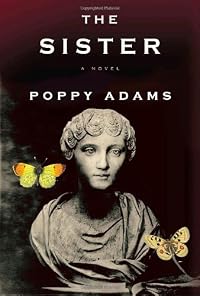
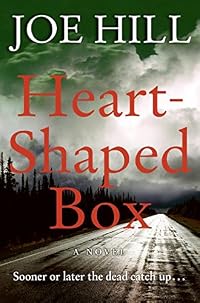
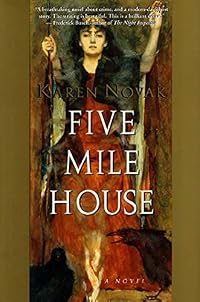
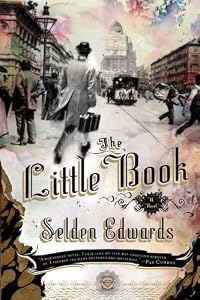
Member Recommendations
Member Reviews
I expected to like this book, but I could barely read it. The disintegration of the characters' lives was painful to watch. Constance, the mother and first narrator of the story, infuriated me. It was sad to see her husband trying so hard to hold on to their lives together, while she suspected the worst of him at every turn. Though, to be fair, she did the same of her daughter's nanny, Nora - and THAT turns out to be the fatal flaw that leads to this family's undoing. Othello is quoted a few times in this book. Like Othello, the book leaves you - just sad, the thought that misunderstanding can lead to so much tragedy for people who seemed to have such happiness before the story's beginning.
"Women's moods are madness in microcosm. " so says one a doctor in this bizarre and absorbing tale from the always surprising Arthur Philips. The novel effectively recasts the same story through various different POVs; the troubled and possibly half-mad Constance, the sternly dour but affection seeking Joseph, and the part charlatan spiritualist/part amateur therapist Anne who offers credence to the possibility of either something supernatural or something more human and sinister. Each page draws the reader into a mystery that refuses easy answers. Tensions are built upon the lack of effective communication across the gender line as well as a shockingly naive understanding of the minds of men and women. The book is a nightmare based off show more of the divides between the sexes that makes it into a sometimes dark Victorian spin on Men are From Mars and Women are From Venus. The paranoiac notions that men and women hold about each other (women cannot control their emotions, men are slave to logic such that they are blind to certain truths in life) form the book's central thematic thrust. The book expertly pits the Victorian gender paranoia across two characters; via Anne the spiritualist who preaches to Constance on how women share a special knowledge of the world that men's violent nature cannot begin to understand and later Dr. Miles' declaration that science is close to proving that in fact all women are quite mad. The shifts in narrators serves to shift a focus on what horror lies at the heart of the story; with Constance one fears a supernatural specter, with Anne we then begin to believe in a story of domestic abuse, and with Joseph we get a picture of the original narrator falling into madness.
Although a page turner, even for fans of the unreliable narrator the novel is rather stubborn in producing what is really happening. Not helping matters is the occasional appearance of a Angelica herself from a future time seemingly interviewing those who might have an insight into what happened and thus serving to muddy the narrative voice a bit. Certain spots in the book stray a bit for no rhyme or reason, in particular those with Dr. Miles. His story of another strange tale of Victoriana involving murder,sex, and Russian soldiers does nothing but explain where he gained his chef and later his long description of a most surreal dinner patterned after human understanding of the universe is so bizarre it belongs in another type of book (perhaps the Egyptologist). Likewise Joseph's encounter with Lem is a bit of a red herring that seems to act as either an appearance by Third to gather some intel or an ultimately isolated example of some darkness residing within the sad Joseph.
The final section belonging to Angelica serves as a coda where the reader can make up their own mind as all the different versions of the story come together at last with a final twist rooted in Constance's story. As in the Egyptologist, Philips revels in the sway of conflicting narrative points of view adding a Rashomon effect to the sad story. I can't say its an easy read, but a worthwhile one that slowly wraps its clutches around you. show less
Although a page turner, even for fans of the unreliable narrator the novel is rather stubborn in producing what is really happening. Not helping matters is the occasional appearance of a Angelica herself from a future time seemingly interviewing those who might have an insight into what happened and thus serving to muddy the narrative voice a bit. Certain spots in the book stray a bit for no rhyme or reason, in particular those with Dr. Miles. His story of another strange tale of Victoriana involving murder,sex, and Russian soldiers does nothing but explain where he gained his chef and later his long description of a most surreal dinner patterned after human understanding of the universe is so bizarre it belongs in another type of book (perhaps the Egyptologist). Likewise Joseph's encounter with Lem is a bit of a red herring that seems to act as either an appearance by Third to gather some intel or an ultimately isolated example of some darkness residing within the sad Joseph.
The final section belonging to Angelica serves as a coda where the reader can make up their own mind as all the different versions of the story come together at last with a final twist rooted in Constance's story. As in the Egyptologist, Philips revels in the sway of conflicting narrative points of view adding a Rashomon effect to the sad story. I can't say its an easy read, but a worthwhile one that slowly wraps its clutches around you. show less
Angelica, Phillips' 3rd book is chilling and disturbing. A novel in four parts, each part refracts events that occurred in the Barton household in London of the 1890s.
The initial tone is high gothic, shifting as the perspective moves to each member of the household. From wife to dutiful husband to precocious child, the reader is led down corridors of false perceptions and the claustrophobic, hypocritical mores of Victorian society; the contradictions inherent in the rise of Spiritualism at the height of the industrial age; the difficulties and misunderstandings and fears that plague parents.
Phillips finds the bridge between supernatural horrors of the late 19th century and the psycho-existential horrors that affict us today. It's show more intense, atmospheric, and as with his previous works peppered with wit.
Angelica is a ghost story; a historical thriller; a treatise on the crumbling psyche of the Victorian Age; a tragic tale of romance and of terrors not easily defeated, where the deepest shadows are often the ones cast by the mind. show less
The initial tone is high gothic, shifting as the perspective moves to each member of the household. From wife to dutiful husband to precocious child, the reader is led down corridors of false perceptions and the claustrophobic, hypocritical mores of Victorian society; the contradictions inherent in the rise of Spiritualism at the height of the industrial age; the difficulties and misunderstandings and fears that plague parents.
Phillips finds the bridge between supernatural horrors of the late 19th century and the psycho-existential horrors that affict us today. It's show more intense, atmospheric, and as with his previous works peppered with wit.
Angelica is a ghost story; a historical thriller; a treatise on the crumbling psyche of the Victorian Age; a tragic tale of romance and of terrors not easily defeated, where the deepest shadows are often the ones cast by the mind. show less
Here is a book to set you thinking. Angelica is a highly complex novel, not the least because it presents the reader with four different points of view. Arthur Phillips unveils the story through the eyes of the four main characters, each of whom has a different slant on the same series of events.
Angelica is the story of a victorian marriage in 1880's London. Said marriage of several years is beginning to unravel when the book opens. What begins as a ghost story slowly reveals itself to be something darker. Clues are left very subtly and while I relished the idea of a true ghost story, it slowly became obvious that this was not it. The underlying tale is much sadder and all too understandable in light of the period it is set in. (That show more the same things happen still on a daily basis does not dilute the astonishing pain caused by the ignorance of the older period.) The bulk of the tale is told by the wife and mother, Constance, through the voice of an unknown narrator. The spiritualist called in to exorcise the suspected haunt picks up the tale and we are vouchsafed a slightly different interpretation. From here the story is retold by Joseph, the husband, and the narrator reveals their identity.
The final section is told by the four year old daughter of Constance and Joseph in the form of a written exercise imposed by her psychiatrist (whom I believe is intended to be Freud himself). Aside from the rich complexity of the historical detail and psychological nuances of each character, the book will continue to haunt the reader in its lack of a clearly delineated denouement. Like really good films that leave you guessing, one could have a conversation about this book for a long time. I expect future readings to leave me with different impressions and I look forward to discovering them. For your sake I am leaving out a lot of information. You will enjoy the book all the more for making your own interpretations.
Arthur Phillips, a five time Jeopardy champion, has written two previous books which sit temptingly on my TBR stack. I gladly await his next offering. show less
Angelica is the story of a victorian marriage in 1880's London. Said marriage of several years is beginning to unravel when the book opens. What begins as a ghost story slowly reveals itself to be something darker. Clues are left very subtly and while I relished the idea of a true ghost story, it slowly became obvious that this was not it. The underlying tale is much sadder and all too understandable in light of the period it is set in. (That show more the same things happen still on a daily basis does not dilute the astonishing pain caused by the ignorance of the older period.) The bulk of the tale is told by the wife and mother, Constance, through the voice of an unknown narrator. The spiritualist called in to exorcise the suspected haunt picks up the tale and we are vouchsafed a slightly different interpretation. From here the story is retold by Joseph, the husband, and the narrator reveals their identity.
The final section is told by the four year old daughter of Constance and Joseph in the form of a written exercise imposed by her psychiatrist (whom I believe is intended to be Freud himself). Aside from the rich complexity of the historical detail and psychological nuances of each character, the book will continue to haunt the reader in its lack of a clearly delineated denouement. Like really good films that leave you guessing, one could have a conversation about this book for a long time. I expect future readings to leave me with different impressions and I look forward to discovering them. For your sake I am leaving out a lot of information. You will enjoy the book all the more for making your own interpretations.
Arthur Phillips, a five time Jeopardy champion, has written two previous books which sit temptingly on my TBR stack. I gladly await his next offering. show less
I finished Angelica by Arthur Phillips and found it very good - unsettling and haunting. It is an unusual Victorian ghost/supernatural story told from 4 viewpoints..the effect, of which, presents a sort of intriguing puzzle as to what really happened. But it's much more than a ghost story as it touches on various topics with regard to the 1880's like: gender roles, madness, science & the medical profession, the attraction of spiritualism and fledgling psychoanalysis. I was drawn to this book from Elizabeth Hand's review in The Washington Post; here are her last lines from the review:
...Phillips is not just trotting out the familiar, gibbering spectacle of "the madwoman in the attic." Instead, his profoundly unsettling achievement is to show more demonstrate the terrible hold that childhood traumas have not just on their victims but on those who seek to help them: the slippery and dangerous nature of memory, and the futility of believing that we can ever exorcise a demon when the demon's story is our own. show less
...Phillips is not just trotting out the familiar, gibbering spectacle of "the madwoman in the attic." Instead, his profoundly unsettling achievement is to show more demonstrate the terrible hold that childhood traumas have not just on their victims but on those who seek to help them: the slippery and dangerous nature of memory, and the futility of believing that we can ever exorcise a demon when the demon's story is our own. show less
Phillips' stiff and evasive Victorian prose is an unusual but effective vehicle for his narrative which intertwines the diverging viewpoints of four characters on a tragic murder. Or was it a murder? And who was murdered? Phillips' story, while a compelling character study and a practiced look at the impact of strict gender and class roles of the late 1800s, and even a fascinating work of suspense, falls short only in its failure to sufficiently answer the many questions it provokes. This novel should be read for its stark portrayal of how different events can appear when seen through the eyes of several different people. The seemingly paranoid Constance sees ghosts, the spiritualist Anne Montague sees something far more sinister, while show more Joseph, the husband, only sees a wife who is slowly going mad and a household that has escaped his control. This penetrating look into the unraveling of one damaged family in Victorian London is certainly a worthwhile read. show less
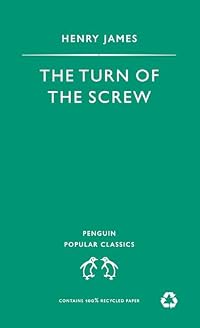
With echoes of "Turn of the Screw" and "Fingersmith," this is an enthralling novel. It is beautifully written, playing with the reader's desire for a clear understanding by offering only brief glimpses at possible truths. Is the girl Angelica molested by spirits, drawn there by her parents' marriage difficulties? Is her father horribly abusing her whilst hiding this fact even from himself? Is her mother falling into madness as the memories of her own abuse bubble up from where she repressed them?
The key passage, I think, comes as Joseph listens to a twisting story by the pompous Dr. Miles: "The tale did not stop here, but turned upon itself at least three more times before Joseph lost all track of who had been guilty, mad, or worthy of show more his sympathies...the meanings of both the murder and the marriage shifted, guilt fluttered from one shoulder to the next...."
But in the end, we find that these shifting points of view are all Angelica's attempt to please her psychotherapist by speculating on her childhood tragedy, and she herself refuses to pin things down, because these stories do not point to the truth but only to other points of view: "a machine of four jagged wheels, their interlocking teeth made only for each other." show less
The key passage, I think, comes as Joseph listens to a twisting story by the pompous Dr. Miles: "The tale did not stop here, but turned upon itself at least three more times before Joseph lost all track of who had been guilty, mad, or worthy of show more his sympathies...the meanings of both the murder and the marriage shifted, guilt fluttered from one shoulder to the next...."
But in the end, we find that these shifting points of view are all Angelica's attempt to please her psychotherapist by speculating on her childhood tragedy, and she herself refuses to pin things down, because these stories do not point to the truth but only to other points of view: "a machine of four jagged wheels, their interlocking teeth made only for each other." show less
Members
- Recently Added By
Author Information

6+ Works 5,244 Members
Arthur Phillips was born in Minneapolis and educated at Harvard. He has been a child actor, a jazz musician, a speechwriter, a failed entrepreneur and a five-time Jeopardy champion. He lived in Budapest from 1990 to 1992 and now lives in Paris with his wife and son. (Publisher Fact Sheets)
Arthur Phillips is a LibraryThing Author, an author who lists their personal library on LibraryThing.
Common Knowledge
- Canonical title
- Angelica
- Original publication date
- 2007
- People/Characters
- Constance Barton; Joseph Barton; Angelica Barton; Anne Montague
- Important places
- London, England, UK
- Epigraph
- Scientific examination of the spiritual or "occulist" experience demonstrates that haunting can emerge from the forgotten depths of our own past, and assume physical and externalized form, now independent of the memories that... (show all) spawned it, as Athena sprang from the head of Zeus, of him but at once free of him. Memories and ghost are not so easily distinguished as previous generations have assumed. -Sir Everett D'Oyly, 1889
- Dedication
- For Jan, of course
- First words
- I suppose my prescribed busywork should begin as a ghost story, since that was surely Constance's experience of these events.
- Last words
- (Click to show. Warning: May contain spoilers.)Your promises unfulfillable, my fascination fading, you ache to summon from your waiting room-with your seductive scientific mien-the next pretty hysteric.
- Blurbers
- King, Stephen
Classifications
Statistics
- Members
- 494
- Popularity
- 60,744
- Reviews
- 36
- Rating
- (3.21)
- Languages
- 6 — Dutch, English, French, German, Italian, Spanish
- Media
- Paper, Audiobook, Ebook
- ISBNs
- 22
- ASINs
- 4