On This Page
Description
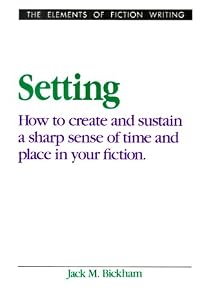
Even if you have great characters, outstanding dialogue and a gripping plot, your story isn't complete without the appropriate setting. Setting is the unifying element in most fiction, working in concert with plot, characterization and point of view. Here you'll explore how to use setting as the basis for creating dramatic, engaging stories. Focusing on detail, language and observation, Jack Bickham's invaluable instruction will not only improve your ability to create a strong setting, but show more also enhance your writing skills as a whole. You'll learn:- the function of setting within the fiction writing process- how setting works with plot, characterization and point of view- the effect of setting on unity- ways to generate story ideas through setting- techniques for creating setting- how to use setting as a thematic device- methods for using setting to stimulate your reader's senses- how to incorporate factual information for texture and authenticity- exercises for improving your powers of observation- tips for recording ideas, events and descriptions using notebook entriesOver the course of his esteemed career, Jack Bickham published more than 80 novels and instructional books, including Writing Novels That Sell and the 38 Most Common Fiction Writing Mistakes (and How to Avoid Them). A former creative writing professor, he instructed thousands of writers through his classes, seminars and Writer's Digest magazine articles. show lessTags
Recommendations




Member Reviews
This was alright, some very useful topics on integrating setting with character emotion and theme to ground a piece of work and keep it moving at the same time. A little outdated on the research guidelines, but it was written in 1994. I tend to do most of my research online using things like Google Earth, JSTOR and local online newspapers. If I need to learn something such as the basics of dressage (not that I would!), I'd hit Google, a few related sites and then look for magazines or blogs/forums where I could interact with people. If it was something academic, I'd get an overview from basic sites from Google then I'd hit JSTOR to drill down for specifics, maybe visit a forum and speak to a few people more knowledgeable than me.
I'd show more recommend this book for a general overview of setting and how it relates to your writing, but for the research side, go with updated methods, they are faster and a lot cheaper than travelling to a town to see how it smells or to check out what colour the roof of the town hall is. show less
I'd show more recommend this book for a general overview of setting and how it relates to your writing, but for the research side, go with updated methods, they are faster and a lot cheaper than travelling to a town to see how it smells or to check out what colour the roof of the town hall is. show less
I have both this version and also the newer Elements of Fiction Writing book on setting (Description and Setting by Rozelle being the other version). Of the two, I found this one to be slightly more helpful in fleshing out the setting-as-a-character in my epic fantasy work. This is the older of the two, so it refers to other ways of absorbing-and-disseminating setting than the internet-research heavy newer version by Rozelle. When it comes to setting, there is nothing like being there and speaking to people who have been there to get a 'feel' for a place, I have discovered, and this book bears that bias (though once again both are useful).
Ratings
Members
- Recently Added By
Author Information

91+ Works 2,033 Members
Series

Common Knowledge
- Canonical title
- Setting
- Original publication date
- 1994
Classifications
Statistics
- Members
- 234
- Popularity
- 137,779
- Reviews
- 2
- Rating
- (3.85)
- Languages
- English
- Media
- Paper
- ISBNs
- 2
- UPCs
- 1
- ASINs
- 2