Primavera
by Mary Jane Beaufrand
On This Page
Description
Growing up in Renaissance Italy, Flora sees her family's fortunes ebb, but encounters with the artist Botticelli and the guidance of her nurse teach her to look past the material world to the beauty already in her life.Tags
Recommendations












Member Recommendations
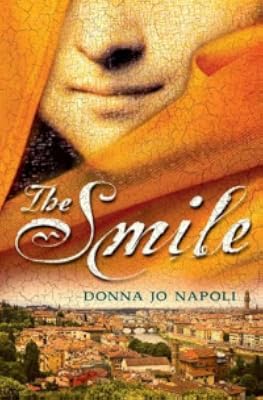
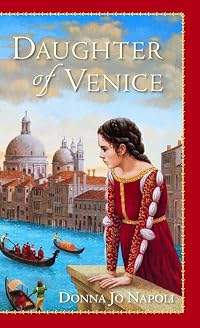
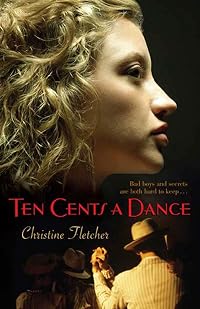
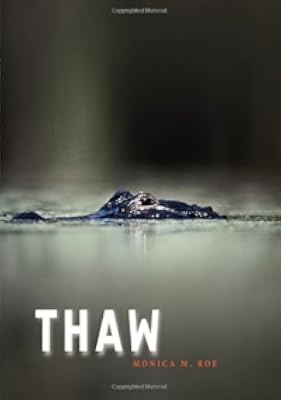
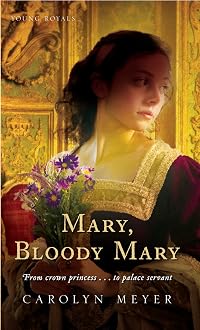
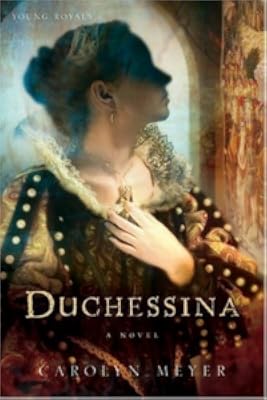
Caramellunacy Both are YA stories about the young women who (may have) served as inspiration for a famous painting (Botticelli's eponymous Primavera and Leonardo da Vinci's Mona Lisa, respectively) set during times of great turmoil in Renaissance Florence (the Pazzi rebellion in Primavera and Savonarola in The Smile).
Also recommended by rebecca191
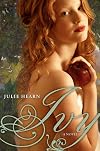
Ivy by Julie Hearn
by foggidawn
Member Reviews
Lorenza, called Flora, is the youngest of the powerful Pazzi family. Ignored by a spiteful mother, Flora spends most of her time tending the garden and working with her grandmother in the kitchens. This is how Flora ends up meeting both soon-to-be-famous artist Sandro Botticelli and the young messenger Emilio who becomes her playmate and protector. For times are dangerous for rivals of the Medici - and none are greater rivals than the Pazzi.
(Side Note: Pazzi translated from Italian means 'the crazy ones' - a note to a foolhardy ancestor in the Crusades, but not inapplicable here either...)
Primavera is an intriguing look into the life of an aristocratic family with a tenuous hold on their power. Alliances and betrayals abound. Flora's show more unique position within the household as an aristocratic daughter, but the one nobody pays attention to, grants her a broader perspective. She sees the machinations of the aristocracy, the importance of accounting and banking, but also the poor who come to the door for doctoring, the guards. But despite having greater exposure to poverty than a typical aristocratic young lady, Flora is still realistically sheltered.
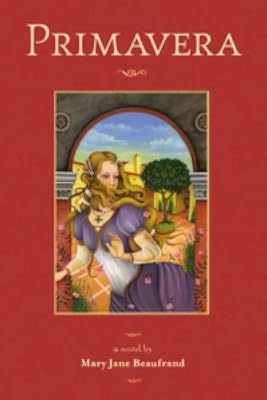
Sheltered that is until the Pazzi Rebellion shatters her world in a few short minutes and plunges her into adventure. This book has a smidgen of everything necessary to make a great story. There is fascinating historical detail, adventure, tragedy, art and even a smidgen of romance. I would caution, however, that I wouldn't recommend this for younger children (despite the cover that appears to market to them). The descriptions of torture and violence in Renaissance society are quite graphic - though the author never dwells on them gruesomely.
I had a few accuracy snags (cyanide smells of almonds, not arsenic; it's spelled Siena not Sienna), but despite these minor difficulties, I highly recommend this novel. show less
(Side Note: Pazzi translated from Italian means 'the crazy ones' - a note to a foolhardy ancestor in the Crusades, but not inapplicable here either...)
Primavera is an intriguing look into the life of an aristocratic family with a tenuous hold on their power. Alliances and betrayals abound. Flora's show more unique position within the household as an aristocratic daughter, but the one nobody pays attention to, grants her a broader perspective. She sees the machinations of the aristocracy, the importance of accounting and banking, but also the poor who come to the door for doctoring, the guards. But despite having greater exposure to poverty than a typical aristocratic young lady, Flora is still realistically sheltered.
Sheltered that is until the Pazzi Rebellion shatters her world in a few short minutes and plunges her into adventure. This book has a smidgen of everything necessary to make a great story. There is fascinating historical detail, adventure, tragedy, art and even a smidgen of romance. I would caution, however, that I wouldn't recommend this for younger children (despite the cover that appears to market to them). The descriptions of torture and violence in Renaissance society are quite graphic - though the author never dwells on them gruesomely.
I had a few accuracy snags (cyanide smells of almonds, not arsenic; it's spelled Siena not Sienna), but despite these minor difficulties, I highly recommend this novel. show less
I have to admit that I didn't pick up this ARC the first time I saw it. I read the book description, and thought it looked moderately interesting, but because I was taking so many others home with me (that, by the way, is the real reason I'm always ready to clean up the ARCs in the back room), I figured I'd leave it for someone else to take a look at.
And then I saw the title pop up on one of my favorite bloggers' lists of anticipated reads. And I brought it home, figuring it would be a quick read. Quick, yes, but mostly because I couldn't put it down.
Lorenza, called Flora, is the younger daughter of the Pazzi, one of the lesser noble families in Medici-controlled 15th-century Florence. She's largely ignored by her status-conscious show more parents, who want to secure their position by marrying the beautiful daughter, Domenica, to Giuliano de Medici.
And when that fails, they launch the Pazzi conspiracy, an assassination attempt against Giuliano and his brother Lorenzo. Flora, naturally, ends up in the middle of the action, although she's not part of her family's conspiracy.
She's accompanied by Emilio, a poor boy from the country who moves from junior guardsman to confidante to something more. After the attack, Emilio goes in search of the army that was expected to support the coup d'etat, while Flora goes to defend the Pazzi compound.
What Flora does for the Medici brothers is enough to make the Medici guards deliberately overlook her as they round up everyone associated with the Pazzi family. She remains free to watch her father drawn and quartered (I wonder if Beaufrand has been able to get that image out of her head after describing it so vividly), her brothers' bodies displayed to the public, and people with only tenuous connections to the Pazzi punished for her family's crime.
The book's title comes from Botticelli's painting by the same name, which makes an appearance in the final pages. Botticelli is a minor figure early in the book - he visits the Pazzi house to paint Domenica's portrait, and has time to make conversation with Flora.
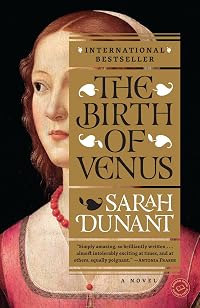
Thanks to Primavera, I think it's time to reread The Birth of Venus. It's set about fifteen years later, with many of the same historical figures. show less
And then I saw the title pop up on one of my favorite bloggers' lists of anticipated reads. And I brought it home, figuring it would be a quick read. Quick, yes, but mostly because I couldn't put it down.
Lorenza, called Flora, is the younger daughter of the Pazzi, one of the lesser noble families in Medici-controlled 15th-century Florence. She's largely ignored by her status-conscious show more parents, who want to secure their position by marrying the beautiful daughter, Domenica, to Giuliano de Medici.
And when that fails, they launch the Pazzi conspiracy, an assassination attempt against Giuliano and his brother Lorenzo. Flora, naturally, ends up in the middle of the action, although she's not part of her family's conspiracy.
She's accompanied by Emilio, a poor boy from the country who moves from junior guardsman to confidante to something more. After the attack, Emilio goes in search of the army that was expected to support the coup d'etat, while Flora goes to defend the Pazzi compound.
What Flora does for the Medici brothers is enough to make the Medici guards deliberately overlook her as they round up everyone associated with the Pazzi family. She remains free to watch her father drawn and quartered (I wonder if Beaufrand has been able to get that image out of her head after describing it so vividly), her brothers' bodies displayed to the public, and people with only tenuous connections to the Pazzi punished for her family's crime.
The book's title comes from Botticelli's painting by the same name, which makes an appearance in the final pages. Botticelli is a minor figure early in the book - he visits the Pazzi house to paint Domenica's portrait, and has time to make conversation with Flora.
Thanks to Primavera, I think it's time to reread The Birth of Venus. It's set about fifteen years later, with many of the same historical figures. show less
Flora is the youngest daughter of the Pazzi family and she'll be sent to the convent one day. She's not beautiful like her older sister and she prefers digging in her garden to attending noble dinner parties. When the war between the Pazzi family and the Medici family gets out of control, Flora will have to save her family... and herself... if she can.
I loved the spunky main character of this book. Flora is brave and honest and kind of sarcastic. Beaufrand paints a gorgeously detailed picture of Renaissance Italy and she includes all the gory bits. I had a bit of trouble keeping all the characters straight and figuring out who was on what side of the conflict.
I loved the spunky main character of this book. Flora is brave and honest and kind of sarcastic. Beaufrand paints a gorgeously detailed picture of Renaissance Italy and she includes all the gory bits. I had a bit of trouble keeping all the characters straight and figuring out who was on what side of the conflict.
This book was about the youngest girl in a family of noble/merchant status in alignment with the pope and competing with another family - the Medici's for trade. Flora is a girl forgotten by her family and when she stops the assassination of the head of the Medici family, her family is torn apart and she is forced into a new life, one that may not be so bad after all. Overall, the book held a sweet romance, the adventures of a young girl, and some gorey violence that churned my stomach. The balance of it all made for a great YA novel.
I had a bit of trouble with the names and what side they were on, but that did not take away from the book. Great "ugly duckling" story.
Teen Historical Fiction set in Italy a girl must live with the choices she has made.
Reviewed by Cana Rensberger for TeensReadToo.com
The Italian Renaissance brings to mind beautiful images, paintings and sculptures, glorious and expensive brocades, string quartets in the garden; a rich texture of life indeed. But it was also a time of great strife and cruelty the likes of which we could never imagine in this day and age. Sprinkled throughout with Italian words and phrases, PRIMAVERA dips the reader into the Renaissance period.
Flora, the youngest daughter of the Pazzi, strives to find beauty and normalcy in a life that is anything but. Scorned by her own mother, she lives as little more than a servant while her older sister, Domenicia, is primped, plucked, painted by the famed Botticelli, and otherwise prepared for the show more wedding that will join the Pazzi to the Medici.
As Flora contemplates her mother's plan for her future, life in a convent, a member of her father's guard arrives with a missive from the Pope himself. The guard, Emilio, hangs around and becomes the friend and companion that Flora has never had. When Emilio and Nonna, the grandmother who's raised and protected her, convince her to train with the guard, Flora finds strength that carries her through the difficult months to come.
PRIMAVERA is a captivating read. I found myself rooting for Flora and Emilio. Ms. Beaufrand painted her characters so realistically that I felt their pain, their fear, their guilt, and yes, even their joy. True to great historical fiction, the author did not flinch when she described some of the tragedies that befell her characters. Be warned that some of the scenes are quite graphic and not for the faint of heart. Yet I hesitate to limit this book to those only in 9th-grade and up.
If you know nothing about this time period, yet enjoy historical fiction, you will love this well-written novel. If you are a fan of the Renaissance you will revel in all of the historical details Ms. Beaufrand has so expertly shown. show less
The Italian Renaissance brings to mind beautiful images, paintings and sculptures, glorious and expensive brocades, string quartets in the garden; a rich texture of life indeed. But it was also a time of great strife and cruelty the likes of which we could never imagine in this day and age. Sprinkled throughout with Italian words and phrases, PRIMAVERA dips the reader into the Renaissance period.
Flora, the youngest daughter of the Pazzi, strives to find beauty and normalcy in a life that is anything but. Scorned by her own mother, she lives as little more than a servant while her older sister, Domenicia, is primped, plucked, painted by the famed Botticelli, and otherwise prepared for the show more wedding that will join the Pazzi to the Medici.
As Flora contemplates her mother's plan for her future, life in a convent, a member of her father's guard arrives with a missive from the Pope himself. The guard, Emilio, hangs around and becomes the friend and companion that Flora has never had. When Emilio and Nonna, the grandmother who's raised and protected her, convince her to train with the guard, Flora finds strength that carries her through the difficult months to come.
PRIMAVERA is a captivating read. I found myself rooting for Flora and Emilio. Ms. Beaufrand painted her characters so realistically that I felt their pain, their fear, their guilt, and yes, even their joy. True to great historical fiction, the author did not flinch when she described some of the tragedies that befell her characters. Be warned that some of the scenes are quite graphic and not for the faint of heart. Yet I hesitate to limit this book to those only in 9th-grade and up.
If you know nothing about this time period, yet enjoy historical fiction, you will love this well-written novel. If you are a fan of the Renaissance you will revel in all of the historical details Ms. Beaufrand has so expertly shown. show less
Members
- Recently Added By
Lists

A High School Trip to Italy
55 works; 7 members
Author Information
3 Works 223 Members
Common Knowledge
- People/Characters
- Lorenza "Flora" Pazzi; Emilio; Sandro Botticelli; Andrea Pazzi; Giuliano de' Medici
- Important places
- Florence, Tuscany, Italy
- Important events
- Pazzi Rebellion (1479)
- First words
- I am forging a ring one spring morning when Signor Botticelli comes into our shop.
Classifications
Statistics
- Members
- 119
- Popularity
- 273,690
- Reviews
- 7
- Rating
- (3.71)
- Languages
- English
- Media
- Paper, Ebook
- ISBNs
- 6
- ASINs
- 3