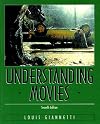
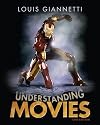
Understanding Movies
by Louis Giannetti
On This Page
Description
Helps readers understand how the many languages of film work together to create meaning. Louis Giannetti organizesUnderstanding Movies around the key elements of filmmaking, including cintematography, Mise en Scène, movement, editing, sound, acting, drama, casting, story, screenwriting, ideology, and theory. He synthesizes every element through a complete case study:Citizen Kane . This book's ideas are illuminated with hundreds of high-quality still photos, more than 70 in full color, taken show more from movies such asThe Matrix, Almost Famous, jackass the movie, Chicago, Lord of the Rings, Mystic River, and Traffic . New in this edition: a full section on contemporary special effects and computer generated imagery (CGI); up-to-the-minute information on new developments in film technology; more coverage of recent films and filmmakers; more ethnic diversity (including new material on the Islamic cinema); and more lavish use of color and high-quality paper. An updated Companion Website contains animations, video clips from interviews with movie professionals, and Research Navigator access toNew York Times film reviews. For everyone who wants to understand the artistry and meaning of the movies. show lessTags
Recommendations





Member Reviews
This was the first textbook I ever had for a film class. Intro to Film, I believe. And, since it's been a while, I decided to go back and read it from start to finish (instead of piecemeal like you normally do with college textbooks). It was a nice overall view of the art of movie making.
The book is divided into sections, each one building on the last and focusing on one specific feature of movies. The sections are Photography, Mise en Scene, Movement, Editing, Sound, Acting, Drama, Story, Writing, Ideology, and Theory. Each chapter is loaded with screen shots of movies that provide examples of what the author is talking about. There are also some storyboards from specific film scenes used to give the reader a better understanding of show more how films are made.
The final chapter, Synthesis, is an in-depth analysis of Citizen Kane from the perspective of each of the above sections. Since I was planning to watch Kane again for another movie list, I decided to time my viewing with the reading of this last chapter so it was fresh in my mind.
This book is definitely a good introductory read on the style and substance of film. Examples of both good and bad movies are used with explanations as to why some things work in a film, yet others don't. show less
The book is divided into sections, each one building on the last and focusing on one specific feature of movies. The sections are Photography, Mise en Scene, Movement, Editing, Sound, Acting, Drama, Story, Writing, Ideology, and Theory. Each chapter is loaded with screen shots of movies that provide examples of what the author is talking about. There are also some storyboards from specific film scenes used to give the reader a better understanding of show more how films are made.
The final chapter, Synthesis, is an in-depth analysis of Citizen Kane from the perspective of each of the above sections. Since I was planning to watch Kane again for another movie list, I decided to time my viewing with the reading of this last chapter so it was fresh in my mind.
This book is definitely a good introductory read on the style and substance of film. Examples of both good and bad movies are used with explanations as to why some things work in a film, yet others don't. show less
I really loved this textbook. It's organized so well and I'm not sure if my teacher built our film class around this book, but it wasn't difficult to read, and was actually interesting.
This is an excellent introduction to the technical and artistic aspects of the medium of motion pictures. It's richly illustrated with examples from movies from all eras of motion picture history. A great introduction and reference text for anyone interested in understanding why movies turn out the way they do and what kinds of thought and effort go into making one.
I guess that I really should have learned more from this book, because I disagreed with a lot of the points that the author makes. Maybe that says more about me than the book itself! We had to buy this book for a film class I took, but the teacher never really used it. Maybe that says more about the book than my review!
good overview of how movies are designed to elicit all kinds of emotions from the obvious to the unconcious
Online Quizzes (11e)
Instructor Test Bank
Instructor Test Bank
Ratings
Members
- Recently Added By
Author Information

4 Works 877 Members
Louis Giannetti is a Professor Emeritus of English and Film at Case Western Reserve University in Cleveland
Common Knowledge
- Original publication date
- 2005
- First words
- Even before the turn of the last century, movies began to develop in two major directions: the realistic and the formalistic.
- Last words
- (Click to show. Warning: May contain spoilers.)The filmmaker who consistently receives the most votes as the greatest director in the history of the cinema: Orson Welles.
Classifications
- Genres
- Nonfiction, General Nonfiction
- DDC/MDS
- 791.43 — Arts & recreation Recreation, sports, and performing arts Public performances Motion pictures, radio, television, podcasting Motion pictures
- LCC
- PN1994 .G47 — Language and Literature Literature (General) Literature (General) Drama Motion pictures
- BISAC
Statistics
- Members
- 760
- Popularity
- 37,015
- Reviews
- 6
- Rating
- (3.77)
- Languages
- Chinese, English, Slovenian
- Media
- Paper, Ebook
- ISBNs
- 37
- ASINs
- 7