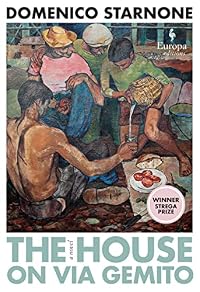
Via Gemito
by Domenico Starnone
On This Page
Description
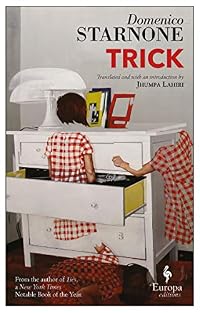
This extraordinary Strega Prize-winning novel confirms Domenico Starnone's reputation as one of Italy's greatest living writers. Told against the backdrop of Naples in the 1960s, a city that itself becomes a vivid character in this lush, atmospheric novel, The House on Via Gemito is a masterpiece of Italian fiction, one that is steeped in Neapolitan lore. A modest apartment in Via Gemito smelling of paint and turpentine. Its furniture pushed up against the wall to create a make-shift studio. show more Drying canvases moved from bed to floor each night. Federí, the father, a railway clerk, is convinced that he possesses great artistic promise. If it weren't for the family he must feed and the jealousy of his fellow Neapolitan artists, nothing would stop him from becoming a world-famous painter. Ambitious and frustrated, genuinely talented but also arrogant and resentful, Federí is scarred by constant disappointment. He is a larger-than-life character, a liar, a fabulist, and his fantasies shape the lives of those around him, especially his young son, Mimi, short for Domenico, who will spend a lifetime trying to get out from under his father's shadow. Starnone, a finalist for the National Book Award with Trick, author of New York Times notable book of the year, Ties, and the critically acclaimed Trust, takes readers beyond the slim, novella-length works for which he is known by American readers to create a vast fresco of family, fatherhood, and modern Naples. show lessTags
Recommendations


















Member Reviews
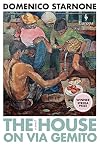
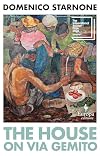
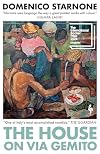
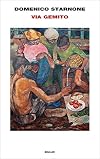
This book is called a novel, but really it falls somewhere in the realm of autofiction and memoir. This is Starnone's memories of his overbearing, arrogant, and selfish artist father (the painter of the cover image--which is magnificent). He narrates his childhood memories of paintings, moving, his father's need to be in control and feel important, his father's hatred of his wife's relatives, his downplaying of illness to avoid spending money on doctors, while he happily spent money on his art.
I found the first 150-200 pages to be quite interesting. The next 250 pages were repetitive and just tiring.
There are 3 sections and no chapters--so no breaks. This is 450 pages of words.
I found the first 150-200 pages to be quite interesting. The next 250 pages were repetitive and just tiring.
There are 3 sections and no chapters--so no breaks. This is 450 pages of words.
The book plops us down in the middle of a domestic violence scene, and gives us no reason to stick around.
Met dit boek won Starnone in 2001 de Premio Strega. De verteller, Mimì genoemd, brengt in drie breed uitgewerkte delen het verhaal van zijn vader, spoorwegbeambte maar vooral gefrustreerd en zelfingenomen schilder in het Napels van de eerste helft van de twintigste eeuw. Het boek is opgevat als een doorgedreven poging van Mimì om zijn jeugd te reconstrueren aan de hand van eigen herinneringen. Maar zijn eigen gedachten worden nog steeds volledig gedomineerd door de stoere verhalen van zijn vader waarin de grens tussen waarheid en leugen vaak vertroebeld is. "Ik probeerde een duidelijke voorstelling van hen te krijgen, ik bakende een ruimte af waarbinnen zij konden zeggen wat ze deden, wat ze voelden. Maar dat lukte niet, mijn vader show more dook weer op, dominant zoals altijd. Misschien stond hij al, misschien schreeuwde hij tegen mijn moeder: 'Luister je wel naar me? Of praat ik en laat jij me maar lullen?!' Daarom leek het me beter om alles te laten vallen, ook mijzelf, staande op de drempel van de slaapkamer, getroffen door de frisse, nachtelijke wind, en mijn hoofd te laten rusten op het blad van mijn bureau, als bij een plotselinge daling van de suikerspiegel, om me over te geven aan zijn stem." (p. 83). Het is wat wennen aan de vrij associatieve schrijfstijl en aan de overheersende aanwezigheid van de vaderfiguur van wie de verteller zich nooit helemaal heeft kunnen losmaken. show less
Apr 29, 2012Dutch
Il titolo del libro si riferisce alla strada del Vomero (strada che collega via Cilea e piazza Quattro Giornate) in cui ha vissuto la famiglia del narratore.
Federì, il protagonista del romanzo, è un artista, ma è costretto a fare il ferroviere per sopravvivere. Egli sfoga la sua frustrazione su tutti coloro che lo circondano, in particolare sulla moglie e sui figli. La voce narrante è quella del suo primogenito, che ricostruisce la vita del padre, segnata dal rancore e dalla violenza.
Federì, il protagonista del romanzo, è un artista, ma è costretto a fare il ferroviere per sopravvivere. Egli sfoga la sua frustrazione su tutti coloro che lo circondano, in particolare sulla moglie e sui figli. La voce narrante è quella del suo primogenito, che ricostruisce la vita del padre, segnata dal rancore e dalla violenza.
Jan 31, 2020Italian
il più bel libro mai letto...... il figlio più cercava di annientare il ricordo del padre e più non ci riesce più cerca di denigrarlo e èpiu non ci riesce.... alla fine capisce di amrlo a modo suo....
bellissimo punto e basta.
bellissimo punto e basta.
Feb 9, 2012Italian
Premio Strega 2001
Apr 10, 2019Italian
Members
- Recently Added By
Lists

Italian Literature
556 works; 41 members

Which house?
423 works; 16 members
Author Information

44+ Works 1,541 Members
Some Editions
Awards and Honors
Awards
Series
Belongs to Publisher Series
Classifications
- Genres
- General Fiction, Fiction and Literature
- DDC/MDS
- 853.92 — Literature & rhetoric Italian, Romanian & related literatures Italian fiction 1900- 21st Century
- LCC
- PQ4879 .T345 .V53 — Language and Literature French, Italian, Spanish and Portuguese literatures Italian literature Individual authors, 1961-2000
- BISAC
Statistics
- Members
- 225
- Popularity
- 142,747
- Reviews
- 7
- Rating
- (3.04)
- Languages
- 6 — Dutch, English, French, German, Italian, Spanish
- Media
- Paper, Ebook
- ISBNs
- 16
- ASINs
- 5