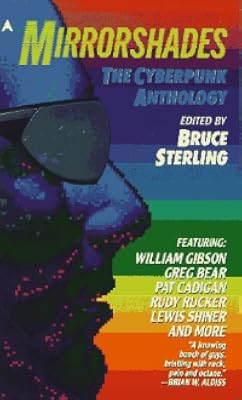
Mirrorshades: The Cyberpunk Anthology
by Bruce Sterling (Editor)
On This Page
Description
Short stories labeled "Mirroshade," "Neuromanatic," "Cyberpunk," etc. by such authors as Greg Bear, Pat Cadigan, William Gibson, Rudy Rucker, Lewis Shiner, John Shirley and others.Tags
Recommendations






Member Reviews
http://nhw.livejournal.com/1008604.html
Lived up to its reputation. I'm not a wild-eyed enthusiast for cyberpunk (and William Gibson's story here, "The Gernsback Continuum", which rather lacks an ending, reminded me why not) but I'm always ready to be convinced by a good story, and there are loads of them in here. I think the only one I'd read before was Sterling and Gibson's "Red Star, Winter Orbit" which is actually rather moving and nostalgic, qualities one doesn't really associate with cyberpunk (though perhaps it qualifies because of the note of libertarian triumphalism on which it ends). I was particularly gripped by James Patrick Kelly's "Solstice", which mixes Stonehenge with sex, drugs, rock'n'roll, and father-daughter cloning. show more But apart from my doubts about the first story, there isn't a dud in the book. show less
Lived up to its reputation. I'm not a wild-eyed enthusiast for cyberpunk (and William Gibson's story here, "The Gernsback Continuum", which rather lacks an ending, reminded me why not) but I'm always ready to be convinced by a good story, and there are loads of them in here. I think the only one I'd read before was Sterling and Gibson's "Red Star, Winter Orbit" which is actually rather moving and nostalgic, qualities one doesn't really associate with cyberpunk (though perhaps it qualifies because of the note of libertarian triumphalism on which it ends). I was particularly gripped by James Patrick Kelly's "Solstice", which mixes Stonehenge with sex, drugs, rock'n'roll, and father-daughter cloning. show more But apart from my doubts about the first story, there isn't a dud in the book. show less
"Mirrorshades: the cyberpunk anthology" is often considered to be one of the most influential science fiction anthologies. Alas, it is difficult to find. I only found my copy when I tracked it down in the used book market. It is overdue for a reprint.
Like all good anthologies, the book begins with a helpful introduction that explains the rise of cyberpunk. It puts it into the context of previous trends in science fiction writing, especially the New Wave of the 1960s. The introduction is invaluable in setting the scene for the book.
If I had to define cyberpunk, I'd go for the classic definition of "high tech and low life." The high tech side includes the rise of digital computers, implants, advanced drugs and more. The low life side show more includes struggling artists, gangsters and rogues. I found that many of the stories had a dystopian outlook about the future, which was a bit depressing.
As a multi author anthology, I think it is important to go into the reading experience with the right experience. I don't expect to like every story and that was the case here. There were several stories that I particularly enjoyed.
Solstice • (1985) • novelette by James Patrick Kelly.
Themes of advanced drugs and musings about Stonehenge.
Freezone • novella by John Shirley.
Fantastic. An exploration of gated communities and lawless regions where freedom means good things for the rich and tough times for the rest.
Stone Lives • (1985) • novelette by Paul Di Filippo.
This one references tariffs and trade wars which made it feel like it was written about the 2020s. This was probably my favorite of the book.
Red Star, Winter Orbit • (1983) • short story by William Gibson and Bruce Sterling.
What if the Soviet Union continued in the 21st century? That's one question explored in this book. I wonder if this story also inspired the Apple TV+ series "For All Mankind."
Mozart in Mirrorshades • (1985) • short story by Lewis Shiner and Bruce Sterling.
A zany time travel adventure! This story goes all out on the fun side. The story logic and SF concepts are quite light. These time travelers to the late 18th century are almost gleefully excited to meddle with history. show less
Like all good anthologies, the book begins with a helpful introduction that explains the rise of cyberpunk. It puts it into the context of previous trends in science fiction writing, especially the New Wave of the 1960s. The introduction is invaluable in setting the scene for the book.
If I had to define cyberpunk, I'd go for the classic definition of "high tech and low life." The high tech side includes the rise of digital computers, implants, advanced drugs and more. The low life side show more includes struggling artists, gangsters and rogues. I found that many of the stories had a dystopian outlook about the future, which was a bit depressing.
As a multi author anthology, I think it is important to go into the reading experience with the right experience. I don't expect to like every story and that was the case here. There were several stories that I particularly enjoyed.
Solstice • (1985) • novelette by James Patrick Kelly.
Themes of advanced drugs and musings about Stonehenge.
Freezone • novella by John Shirley.
Fantastic. An exploration of gated communities and lawless regions where freedom means good things for the rich and tough times for the rest.
Stone Lives • (1985) • novelette by Paul Di Filippo.
This one references tariffs and trade wars which made it feel like it was written about the 2020s. This was probably my favorite of the book.
Red Star, Winter Orbit • (1983) • short story by William Gibson and Bruce Sterling.
What if the Soviet Union continued in the 21st century? That's one question explored in this book. I wonder if this story also inspired the Apple TV+ series "For All Mankind."
Mozart in Mirrorshades • (1985) • short story by Lewis Shiner and Bruce Sterling.
A zany time travel adventure! This story goes all out on the fun side. The story logic and SF concepts are quite light. These time travelers to the late 18th century are almost gleefully excited to meddle with history. show less
So I enjoy cyberpunk and I also find it, as a genre, a bit ridiculous. That said, doesn’t mean I don’t kinda want to wear all black leather and reflective sunglasses and get a bunch of piercings and UV visible tattoos for about 5 minutes after I put the book down. Individual stories however I enjoy quite a lot. Cyberpunk’s downfall in my mind is, secondarily, that much of it is from 1980-1995 so some tech ideas now seem silly, but primarily because the first cyberpunk thing I read was a Shadowrun core rulebook. Anyway, it’s a solid anthology and my fav story was Solstice by James Patrick Kelly.
Moral: don’t first expose yourself to a sub-genre by reading a sub-sub-genre that includes Elf Street Shaman Deckers.
Moral: don’t first expose yourself to a sub-genre by reading a sub-sub-genre that includes Elf Street Shaman Deckers.
"Certain central themes spring up repeatedly in cyberpunk. The theme of body invasion: prosthetic limbs, implanted circuitry, cosmetic surgery, genetic alteration. The even more powerful theme of mind invasion: brain-computer interfaces, artificial intelligence, neurochemistry - techniques radically redefining the nature of humanity, the nature of self."
Although some of the information in Sterling's introduction went over my head, I do happen to agree with him regarding the genre's focus on the human condition. I think that's what I like so much about it. I still remember my first cyberpunk story, Think Like a Dinosaur by James Patrick Kelly, and how it hooked me from that very first page. I was drawn to this collection because Kelly show more has a story in it but there are several other well-knowns like William Gibson and Greg Bear too.
I enjoyed the wide variety of stories captured here - each was completely different from the others and yet still tonally similar. There are augmented soldiers, techno rockers, time-traveling historians and space-bound cosmonauts but I was particularly impressed to find surprises like gargoyles and merfolk in the mix.
If you like sci-fi, particularly cyberpunk, don't miss Mirrorshades! show less
Although some of the information in Sterling's introduction went over my head, I do happen to agree with him regarding the genre's focus on the human condition. I think that's what I like so much about it. I still remember my first cyberpunk story, Think Like a Dinosaur by James Patrick Kelly, and how it hooked me from that very first page. I was drawn to this collection because Kelly show more has a story in it but there are several other well-knowns like William Gibson and Greg Bear too.
I enjoyed the wide variety of stories captured here - each was completely different from the others and yet still tonally similar. There are augmented soldiers, techno rockers, time-traveling historians and space-bound cosmonauts but I was particularly impressed to find surprises like gargoyles and merfolk in the mix.
If you like sci-fi, particularly cyberpunk, don't miss Mirrorshades! show less
‘Mirrorshades: Una antología cyberpunk’ (Mirrorshades: The Cyberpunk Anthology, 1986), es una recopilación de relatos a cargo de Bruce Sterling, que intenta ser una representación de este subgénero de la ciencia ficción (pequeña definición de cyberpunk: normalmente transcurre en un futuro cercano, distópico, dominado por megacorporaciones, donde se aúnan personajes marginales con alta tecnología, en una ambiente próximo al género negro, todo ello bajo una estética que recuerda a la película ‘Blade Runner’).
De entre los relatos recogidos en la antología, me quedo únicamente con tres. El resto me han parecido bastante flojos.
-El continuo de Gernsback, de William Gibson. El protagonista es un fotógrafo al que se le show more encarga un trabajo, hacer fotos de edificios y arquitecturas retrofuturistas, inspiradas en las obras de la ciencia ficción de los años 30 y 40. Hasta aquí todo normal, pero un buen día la realidad de las fotografías empieza a filtrarse en su propia realidad. Gran relato.
-Ojos de serpiente, de Tom Maddox
-Rock On, de Pat Cadigan
-Cuentos de Houdini, de Rudy Rucker
-Los chicos de la calle 400, de Marc Laidlaw
-Solsticio, de James Patrick Kelly
-Petra, de Greg Bear. En un futuro post apocalíptico, cercano a la Edad Media, una catedral gótica esconde a humanos y a seres de carne y piedra. Me ha parecido muy bueno, aunque está más cercano a la fantasía que al cyberpunk.
-Hasta que nos despierten voces humanas, de Lewis Shiner
-Zona libre, de John Shirley
-Stone vive, de Paul di Filippo
-Estrella roja, órbita invernal, de Bruce Sterling y William Gibson. En un futuro donde la Unión Soviética tiene la primacía en el espacio, la estación Kosmogrado pasa por problemas, ya que se ha tomado la decisión de desmantelarla, y sus habitantes deben abandonarla. Pero no todos están dispuesta a dejarla. Muy buen relato.
-Mozart con gafas de espejo, de Bruce Sterling y Lewis Shiner show less
De entre los relatos recogidos en la antología, me quedo únicamente con tres. El resto me han parecido bastante flojos.
-El continuo de Gernsback, de William Gibson. El protagonista es un fotógrafo al que se le show more encarga un trabajo, hacer fotos de edificios y arquitecturas retrofuturistas, inspiradas en las obras de la ciencia ficción de los años 30 y 40. Hasta aquí todo normal, pero un buen día la realidad de las fotografías empieza a filtrarse en su propia realidad. Gran relato.
-Ojos de serpiente, de Tom Maddox
-Rock On, de Pat Cadigan
-Cuentos de Houdini, de Rudy Rucker
-Los chicos de la calle 400, de Marc Laidlaw
-Solsticio, de James Patrick Kelly
-Petra, de Greg Bear. En un futuro post apocalíptico, cercano a la Edad Media, una catedral gótica esconde a humanos y a seres de carne y piedra. Me ha parecido muy bueno, aunque está más cercano a la fantasía que al cyberpunk.
-Hasta que nos despierten voces humanas, de Lewis Shiner
-Zona libre, de John Shirley
-Stone vive, de Paul di Filippo
-Estrella roja, órbita invernal, de Bruce Sterling y William Gibson. En un futuro donde la Unión Soviética tiene la primacía en el espacio, la estación Kosmogrado pasa por problemas, ya que se ha tomado la decisión de desmantelarla, y sus habitantes deben abandonarla. Pero no todos están dispuesta a dejarla. Muy buen relato.
-Mozart con gafas de espejo, de Bruce Sterling y Lewis Shiner show less
Read this when it first came out, and knew it was for me. I'd already read Gibson and Sterling a bit -- an early Sterling-head as I found his first novel at a garage sale in Sterling, Colorado when I was a teen in the early 80's -- and read Journal Wired just after finding this. Journal Wired, I have to say, had a slightly rawer selection of stories than Mirrorshades, but is probably impossible to find today. Grab this, and keep it in print. Look for Journal Wired here and you'll find it... 3 issues, trade paperback.
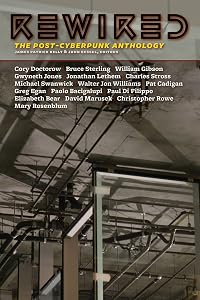
I dove as deeply as I could into these seminal authors and was not disappointed. Even in the early 90's though many of their works were out of print (or locally unavailable) so I am still picking up their works, and show more discovering the "post-cyberpunk" movement authors who succeeded them. They're all worth reading. show less
I dove as deeply as I could into these seminal authors and was not disappointed. Even in the early 90's though many of their works were out of print (or locally unavailable) so I am still picking up their works, and show more discovering the "post-cyberpunk" movement authors who succeeded them. They're all worth reading. show less
Unmemorable and dated, unfortunately. I promptly bookcrossed & released it.
Members
- Recently Added By
Lists

Best Cyberpunk
41 works; 7 members
Author Information

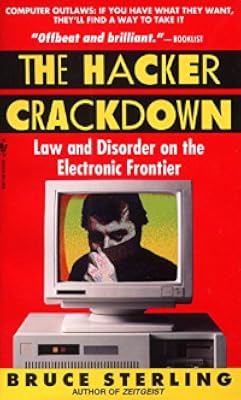
Bruce Sterling is a recent winner of the Nebula Award and the author of the nonfiction book "The Hacker Crackdown" as well as novels and short story collections. He co-authored, with William Gibson, the critically acclaimed novel "The Difference Engine." He lives in Austin, Texas, with his wife and daughter. (Publisher Provided)
All Editions
Some Editions
Awards and Honors
Series
Belongs to Publisher Series
Jalavan SciFi (18)
Work Relationships
Is contained in
Contains
Common Knowledge
- Original publication date
- 1986-12
- Blurbers
- Aldiss, Brian W.; Zelazny, Roger
- Canonical DDC/MDS
- 813.087608
Classifications
- Genres
- Science Fiction, Fiction and Literature
- DDC/MDS
- 813.087608 — Literature & rhetoric American literature in English American fiction in English By type Genre fiction Adventure fiction Speculative fiction Collections
- LCC
- PS648 .S3 .M57 — Language and Literature American literature American literature Collections of American literature Prose (General)
- BISAC
Statistics
- Members
- 1,736
- Popularity
- 12,735
- Reviews
- 11
- Rating
- (3.76)
- Languages
- 10 — Czech, Dutch, English, Finnish, French, German, Italian, Japanese, Portuguese, Spanish
- Media
- Paper
- ISBNs
- 14
- ASINs
- 3