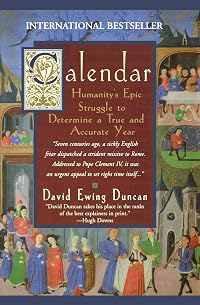
Calendar: Humanity's Epic Struggle to Determine a True and Accurate Year
by David Ewing Duncan
On This Page
Description
Measuring the daily and yearly cycle of the cosmos has never been entirely straightforward. The year 2000 is alternatively the year 2544 (Buddhist), 6236 (Ancient Egyptian), 5761 (Jewish) or simply the Year of the Dragon (Chinese). The story of the creation of the Western calendar, which is related in this book, is a story of emperors and popes, mathematicians and monks, and the growth of scientific calculation to the point where, bizarrely, our measurement of time by atomic pulses is now show more more accurate than time itself: the Earth is an elderly lady and slightly eccentric - she loses half a second a century. Days have been invented (Julius Caesar needed an extra 80 days in 46BC), lost (Pope Gregory XIII ditched ten days in 1582) and moved (because Julius Caesar had 31 in his month, Augustus determined that he should have the same, so he pinched one from February). show lessTags
Recommendations









Member Reviews
Surprised at the cool reviews of this book. I found it fascinating to follow how the concepts of time were shaped by the theological politics of post Roman world. It was a long case history of the damage that types of Monotheistic practices has to done to attempts of understanding of the world. These are still current with strands of Islam and Christianity.
It is also a lesson to see how the baton of progress passes from one culture to another as they rise and decay. A timely check to those in the west especially America that think they will always be the leaders of the moment.
And chilling to see how much we lost at the fall of the Roman Empire. If the Germanic tribes and Byzantium empire had not fatally weaken themselves then perhaps show more it would have been less of rupture and the rise of an autocratic church delayed but this would have reduced the impact of Islam and its rich contributions to world culture.
It also asks us to questions what we assume today to be true that tomorrow will be seen as so wrong as to blind us to the obvious. show less
It is also a lesson to see how the baton of progress passes from one culture to another as they rise and decay. A timely check to those in the west especially America that think they will always be the leaders of the moment.
And chilling to see how much we lost at the fall of the Roman Empire. If the Germanic tribes and Byzantium empire had not fatally weaken themselves then perhaps show more it would have been less of rupture and the rise of an autocratic church delayed but this would have reduced the impact of Islam and its rich contributions to world culture.
It also asks us to questions what we assume today to be true that tomorrow will be seen as so wrong as to blind us to the obvious. show less
ერთ-ერთ ინტერნეტ მიმში, ძველ საბერძნეთში, ერთი ფილოსოფოსი ეკითხება მეორეს: - "რომელი წელია ახლა?" მეორე პასუხობს: "ქრისტესშობამდე 380 (არ მახსოვს) " "ქრისტე ვინღა ჯანდაბაა?" უკვირს პირველს. "წარმოდგენა არ მაქვს" პასუხობს მეორე.
სკოლაში ისტორიის სწავლა რომ დავიწყე და პირველად გავიგე რომ show more ძველი წელთაღრიცხვა უკუთვლით მიდიოდა, ძალიან გამიკვირდა და არაბუნებრივად ჩავთვალე. არავის აუხსნია რატომ იყო ასე. რატომ ითვლიდნენ ასე უკუღმა, ვინმემ იცოდა რომ ქრისტე დაიბადებოდა? ისტორიის მასწავლებელმა თქვა რომ ეს უბრალოდ ასეა. ახალი წელთაღრიცხვის გაჩენა ასე თუ ისე გასაგები იყო, მაგრამ ძველი? მისთვის თარიღები ძალიან მნიშვნელოვანი იყო, თუმცა არა ის თუ საიდან გაჩნდა ეს თარიღები. კალენდრისადმი და ქრონოლოგიისადმი ჩემი ინტერესიც ალბათ ამ გაურკვევლობიდან დაიბადა.
რათქმაუნდა მერე გავაცნობიერე და გავიგე რომ ეს ძველი წელთაღიცხვა მოგვიანებით განჩდა, მაგრამ მაინც საინტერესო დარჩა თემა: კონკრეტულად როგორ დაიბადა ეს ქრონოლოგია, როგორ განჩდა კალენდარი? როგორ ითვლიდნენ ძველად დროს? როდის გაჩნდა Anno Domini? რატომ არის თებერვალი 28-29 დღე, მაშინ როცა ყველა დანარჩენი 30-31, საიდან გაჩნდა თვეების ეს დასახელებები? ვიცოდი რომ ივლისი და აგვისტო, იულიუსის და ავგუსტუსის საპატივცემულოდ ერქვა, მაგრამ სხვა თვეები? ან საიდან გაჩნდა კვირის დღეები და მათი სახელები?
თუ თქვენც გაინტერესებთ ეს ყველაფერი, ეს წიგნი მოგიყვებათ საკმაოდ დეტალურ ისტორიას, თუ საიდან გაჩნდა ჩვენი კედლის კალენდარი, თუ რატომ ვითვლით დროს ისე როგორც ვითვლით, რამდენად ზუსტი იყო ან არის ეს სისტემა და რა სიძნელეები გამოიარეს ადამიანებმა ვინც ის შექმნა.
show less
სკოლაში ისტორიის სწავლა რომ დავიწყე და პირველად გავიგე რომ show more ძველი წელთაღრიცხვა უკუთვლით მიდიოდა, ძალიან გამიკვირდა და არაბუნებრივად ჩავთვალე. არავის აუხსნია რატომ იყო ასე. რატომ ითვლიდნენ ასე უკუღმა, ვინმემ იცოდა რომ ქრისტე დაიბადებოდა? ისტორიის მასწავლებელმა თქვა რომ ეს უბრალოდ ასეა. ახალი წელთაღრიცხვის გაჩენა ასე თუ ისე გასაგები იყო, მაგრამ ძველი? მისთვის თარიღები ძალიან მნიშვნელოვანი იყო, თუმცა არა ის თუ საიდან გაჩნდა ეს თარიღები. კალენდრისადმი და ქრონოლოგიისადმი ჩემი ინტერესიც ალბათ ამ გაურკვევლობიდან დაიბადა.
რათქმაუნდა მერე გავაცნობიერე და გავიგე რომ ეს ძველი წელთაღიცხვა მოგვიანებით განჩდა, მაგრამ მაინც საინტერესო დარჩა თემა: კონკრეტულად როგორ დაიბადა ეს ქრონოლოგია, როგორ განჩდა კალენდარი? როგორ ითვლიდნენ ძველად დროს? როდის გაჩნდა Anno Domini? რატომ არის თებერვალი 28-29 დღე, მაშინ როცა ყველა დანარჩენი 30-31, საიდან გაჩნდა თვეების ეს დასახელებები? ვიცოდი რომ ივლისი და აგვისტო, იულიუსის და ავგუსტუსის საპატივცემულოდ ერქვა, მაგრამ სხვა თვეები? ან საიდან გაჩნდა კვირის დღეები და მათი სახელები?
თუ თქვენც გაინტერესებთ ეს ყველაფერი, ეს წიგნი მოგიყვებათ საკმაოდ დეტალურ ისტორიას, თუ საიდან გაჩნდა ჩვენი კედლის კალენდარი, თუ რატომ ვითვლით დროს ისე როგორც ვითვლით, რამდენად ზუსტი იყო ან არის ეს სისტემა და რა სიძნელეები გამოიარეს ადამიანებმა ვინც ის შექმნა.
show less
Day to day, our time is marked by weeks, months and years. We take it for granted that no matter where you are on earth, you always know where you are in time. The calendar is such a routine concept that it takes excellent and most engaging book by David Ewing Duncan to make you stop and think.
This book traces the origins, offshoots and upsets of the epic tale of the calendar. In doing so, Duncan finds a thread through all peoples over all time.
Which is really the genius of David Duncan's work. He is a great explainer, and in telling the story of the calendar, he tells the story of much of human civilization. And where other "histories of the world" struggle to find a narrative thread across time and place, the story of the calendar show more provides Duncan with a perfect backdrop. The result is the most enjoyable, understandable and effective history lesson I have ever had.
.. more on http://pratalife.blogspot.com/2008/05/calendar.html show less
This book traces the origins, offshoots and upsets of the epic tale of the calendar. In doing so, Duncan finds a thread through all peoples over all time.
Which is really the genius of David Duncan's work. He is a great explainer, and in telling the story of the calendar, he tells the story of much of human civilization. And where other "histories of the world" struggle to find a narrative thread across time and place, the story of the calendar show more provides Duncan with a perfect backdrop. The result is the most enjoyable, understandable and effective history lesson I have ever had.
.. more on http://pratalife.blogspot.com/2008/05/calendar.html show less
This book focuses mainly on the calendar of that the Western world uses, and how it came into being. It does touch on various other calendars (Hebrew, Mayan, etc.) but does not explore these in depth. There is a good amount of math, which I found myself either going over several times to try and understand or skimming over in order to maintain focused on the story. Don't let this stop you though, because the book is really very interesting and quite well written.
A popular history of humanity's attempts to document the passage of time using a calendar system. Not much in the way of scholarly citation, and Duncan really tries to pack it all in here, but I was intrigued and engaged throughout, and thought the book ended up being quite good.
Day to day, our time is marked by weeks, months and years. We take it for granted that no matter where you are on earth, you always know where you are in time. The calendar is such a routine concept that it takes excellent and most engaging book by David Ewing Duncan to make you stop and think.
This book traces the origins, offshoots and upsets of the epic tale of the calendar. In doing so, Duncan finds a thread through all peoples over all time.
Which is really the genius of David Duncan's work. He is a great explainer, and in telling the story of the calendar, he tells the story of much of human civilization. And where other "histories of the world" struggle to find a narrative thread across time and place, the story of the calendar show more provides Duncan with a perfect backdrop. The result is the most enjoyable, understandable and effective history lesson I have ever had.
.. more on http://pratalife.blogspot.com/2008/05/calendar.html show less
This book traces the origins, offshoots and upsets of the epic tale of the calendar. In doing so, Duncan finds a thread through all peoples over all time.
Which is really the genius of David Duncan's work. He is a great explainer, and in telling the story of the calendar, he tells the story of much of human civilization. And where other "histories of the world" struggle to find a narrative thread across time and place, the story of the calendar show more provides Duncan with a perfect backdrop. The result is the most enjoyable, understandable and effective history lesson I have ever had.
.. more on http://pratalife.blogspot.com/2008/05/calendar.html show less
A great read. This book covers so many levels of history. The story starts in what is now India and ends with changes to the calendar we use today still changing in some parts of Europe in the 1900's. Fascinating information about the inter-relatedness of astronomy and religion. I had no idea what a problem it is for religions when the major holidays can't be pinned down.
I also didn't understand the nothing is absolute yet. The leap year is not a full solution.
Good book.
I also didn't understand the nothing is absolute yet. The leap year is not a full solution.
Good book.
Members
- Recently Added By
Author Information

14+ Works 1,682 Members
Some Editions
Common Knowledge
- Original title
- The Calender : the 5000 year struggle to align the clock and the heavens and what happened to the missing 10 days
- Original publication date
- 1998
- People/Characters*
- Julius Caesar
- Epigraph
- Time is the greatest innovator
--Francis Bacon, 1625 - Dedication
- To Sander, Danielle, and Alexander
and thanks to Stephen - First words
- Not long ago I met a well-known surgeon dying in a hospital in Richmond, Virginia.
- Last words
- (Click to show. Warning: May contain spoilers.)And now I have to go, because I am out of time.
- Blurbers
- Gould, Stephen Jay; Guillen, Michael; Aventi, Anthony
- Canonical DDC/MDS
- 529.3
*Some information comes from Common Knowledge in other languages. Click "Edit" for more information.
Classifications
Statistics
- Members
- 1,333
- Popularity
- 18,105
- Reviews
- 21
- Rating
- (3.68)
- Languages
- 11 — Dutch, English, Finnish, French, German, Italian, Polish, Slovenian, Spanish, Swedish, Portuguese (Portugal)
- Media
- Paper, Audiobook
- ISBNs
- 24
- UPCs
- 1
- ASINs
- 8