On This Page
Description
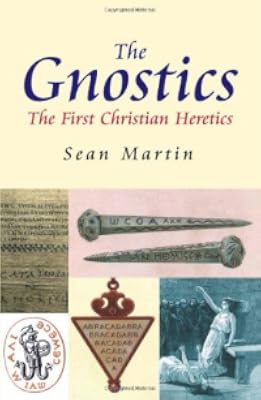
Gnosticism is the name given to various religious schools that proliferated in the first centuries after Christ, nearly becoming the dominant form of Christianity, but was eventually branded as heretical by the emerging Christian church. The long and diverse history of Gnosticism is recounted here, as well as reasons for its continued relevance today. Although some Gnostic beliefs are close to mainstream Christianity, others examined here include that the world is imperfect because it was show more created by an evil god who was constantly at war with the true, show lessTags
Recommendations
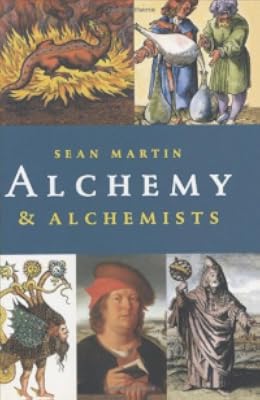
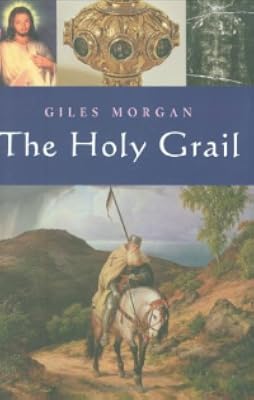
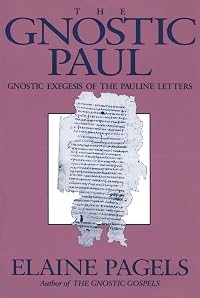

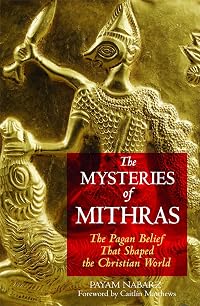
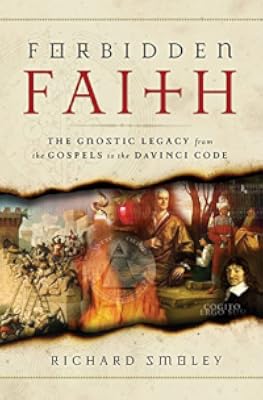




Member Recommendations
Philogos These two books complement each other. The Gnostics is less speculative but they both turn on the development of orthodoxy and the suppression of dissenting views.
Member Reviews
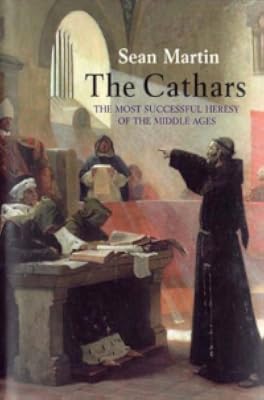
The author says that the Christian patriarchs had an ax to grind and maybe so. I give Martin credit for the research he has done into the Gnostics and their various beliefs, but I think that maybe he also has an ax to grind concerning Christianity.
This gives an excellent basic account of gnosticism in the context of early christianity and the various heresies that share some of its ideas.
It deals with the historical background, gives a brief explanation of gnostic beliefs and the various religious movement that held them, together with some of their main teachers.
One of the most interesting chapters is the summary of the various gnostic texts with selected quotations that give a feeling for what they are about.
The final chapter covers later developments incu=luding links to the Cathars, William Blake and Jung, with a stop off at Philip K Dick andThe Matrix.
An excellent introduction to the topic and a must read if you're studying Blake.
It deals with the historical background, gives a brief explanation of gnostic beliefs and the various religious movement that held them, together with some of their main teachers.
One of the most interesting chapters is the summary of the various gnostic texts with selected quotations that give a feeling for what they are about.
The final chapter covers later developments incu=luding links to the Cathars, William Blake and Jung, with a stop off at Philip K Dick andThe Matrix.
An excellent introduction to the topic and a must read if you're studying Blake.
Ratings
Members
- Recently Added By
Author Information

9 Works 996 Members
Sean Martin is a filmmaker, poet and writer. His poems have appeared in numerous magazines, and he has just directed his second feature film, The Notebooks of Cornelius Crow
Series

Classifications
- Genres
- Nonfiction, Religion & Spirituality, History, General Nonfiction
- DDC/MDS
- 273.1 — Religion History of Christianity Doctrinal controversies and heresies in general church history Gnostic (First 3 centuries)
- LCC
- BT1390 .M37 — Philosophy, Psychology and Religion Doctrinal Theology Doctrinal Theology History of specific doctrines and movements.
- BISAC
Statistics
- Members
- 110
- Popularity
- 295,124
- Reviews
- 2
- Rating
- (3.93)
- Languages
- English, Spanish
- Media
- Paper, Ebook
- ISBNs
- 7
- ASINs
- 1