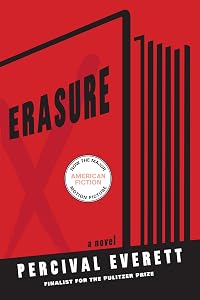
Erasure
by Percival Everett
On This Page
Description
Fiction. African American Fiction. Literature. Percival Everett's blistering satire about race and writing Thelonious "Monk" Ellison's writing career has bottomed out: his latest manuscript has been rejected by seventeen publishers, which stings all the more because his previous novels have been "critically acclaimed." He seethes on the sidelines of the literary establishment as he watches the meteoric success of We's Lives in Da Ghetto, a first novel by a woman who once visited "some show more relatives in Harlem for a couple of days." Meanwhile, Monk struggles with real family tragedies-his aged mother is fast succumbing to Alzheimer's, and he still grapples with the reverberations of his father's suicide seven years before. In his rage and despair, Monk dashes off a novel meant to be an indictment of Juanita Mae Jenkins's bestseller. He doesn't intend for My Pafology to be published, let alone taken seriously, but it is-under the pseudonym Stagg R. Leigh-and soon it becomes the Next Big Thing. How Monk deals with the personal and professional fallout galvanizes this audacious, hysterical, and quietly devastating novel. show lessTags
Recommendations

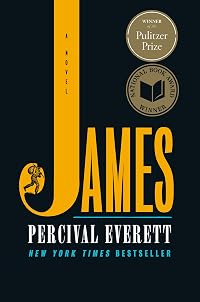
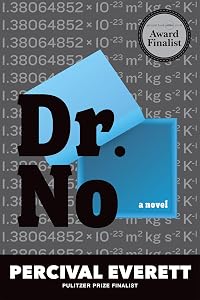
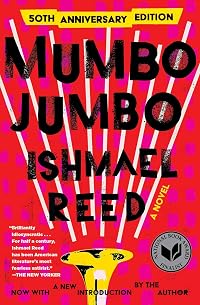
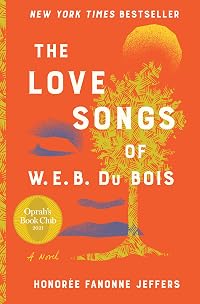









Member Recommendations
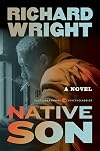
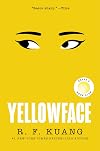
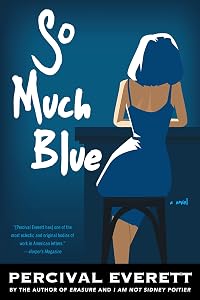
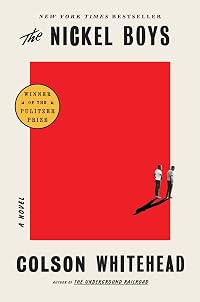
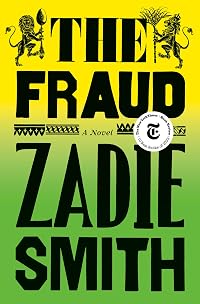
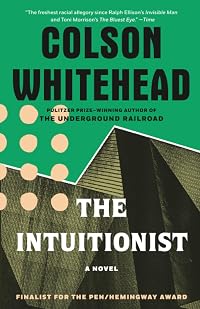
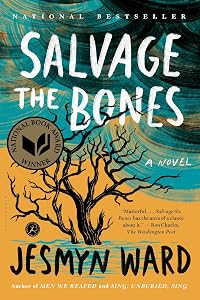
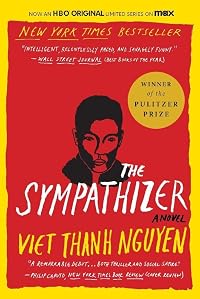
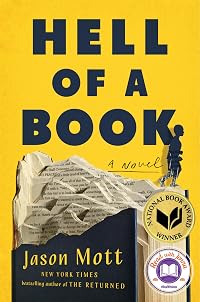
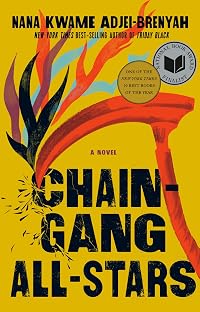
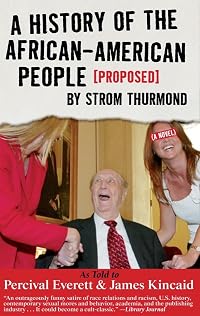
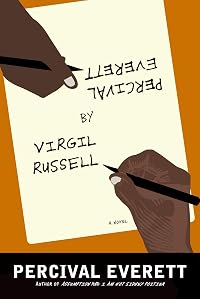
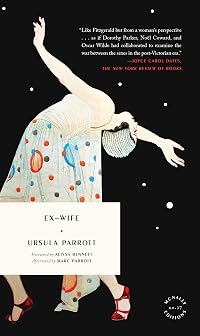
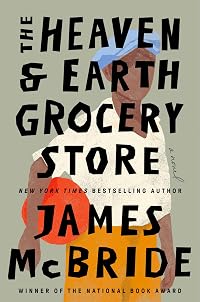
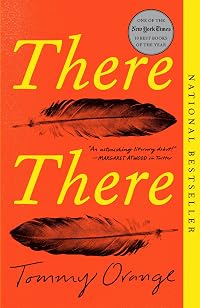
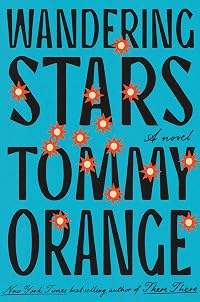
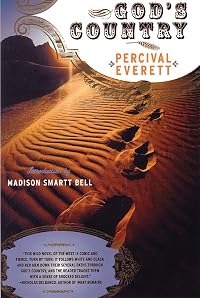
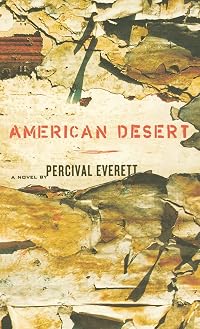
nessreader Both about race, appropriation, writing, and publishing
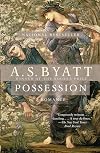
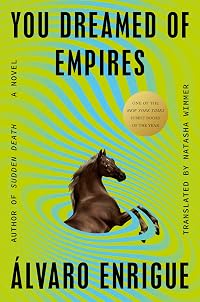
aprille Many resonances including the ventriloquism of presenting texts authored by different characters, an archive discovered after death that reveals family secrets, the humorous critique of academia while sincerely embracing literature and art, the focus on the power and money that popular attention brings, and an exploration of gaps, silences and erasures in a story.
Member Reviews
Raise your hand if you've heard of Percival Everett.
I imagine a few hands raise. Only a few. By no means is Everett a well-known or widely-read author. Why is this? We'll get to that shortly.
If you're one of the many not yet familiar with Everett, let me introduce you: Percival Everett is the award-winning author of more than thirty books. His first was published in 1983—his most recent 2017. Throughout his career, he's received dozens of honors for his work. What does Everett write about? Whatever he feels like—whatever has captured his attention. He's covered mythology and westerns on several occasions, with stops to explore poetry, baseball, and even philosophy as told by a four year old. The Washington Post labeled him as “one show more of the most adventurously experimental of modern American novelists.”
So that's Percival Everett. Also, it's important to note for the sake of discussing Erasure that Everett is black.
Now let me introduce you to this phenomenal work of literature. The protagonist, Thelonious Ellison, is a brilliant and acclaimed author who is having trouble selling his most recent novel. There have been complaints from the publishers that Ellison's writing is not “black enough.” Ellison writes about a wide range of topics—one of his favorite subjects is mythology. Frustrated with the remarkable success of a novel titled We's Lives In Da Ghetto, Ellison scribbles an angry response, a parody that is thoroughly embraced by the literary world.
So why is Everett largely unknown? I think Erasure addresses that question. As a reader, I cannot say how much of this novel is truly biographical, but I don't think I'm completely off by drawing a comparison here. As an author of tremendous talent, Everett's frustration after twenty years of relative obscurity surely must parallel that of Thelonious Ellison. If only these authors would write something about what it means to be black, they'd find success.
In this one novel, Everett tackles the duplicity of the publishing industry. Though more authors of color are being published in recent years, there still exists some degree of expectation that these authors “stick to what they know,” even if it's not actually indicative of their experience. Erasure addresses this hypocrisy in a way that is both comical and heartbreaking in equal measures. It is a brilliant exploration of identity, a multi-layered look at what makes a person. Joining Ellison on this journey—a mother suffering from Alzheimer's, a brother discovering his sexuality, and a sister firmly committed to her pro-choice convictions.
Whatever the subject, Everett is an intelligent author with astounding insight and a knack for language. His work may not have achieved the status it deserves, but I believe that day will come. I know that I will be revisiting his work sooner than later. show less
I imagine a few hands raise. Only a few. By no means is Everett a well-known or widely-read author. Why is this? We'll get to that shortly.
If you're one of the many not yet familiar with Everett, let me introduce you: Percival Everett is the award-winning author of more than thirty books. His first was published in 1983—his most recent 2017. Throughout his career, he's received dozens of honors for his work. What does Everett write about? Whatever he feels like—whatever has captured his attention. He's covered mythology and westerns on several occasions, with stops to explore poetry, baseball, and even philosophy as told by a four year old. The Washington Post labeled him as “one show more of the most adventurously experimental of modern American novelists.”
So that's Percival Everett. Also, it's important to note for the sake of discussing Erasure that Everett is black.
Now let me introduce you to this phenomenal work of literature. The protagonist, Thelonious Ellison, is a brilliant and acclaimed author who is having trouble selling his most recent novel. There have been complaints from the publishers that Ellison's writing is not “black enough.” Ellison writes about a wide range of topics—one of his favorite subjects is mythology. Frustrated with the remarkable success of a novel titled We's Lives In Da Ghetto, Ellison scribbles an angry response, a parody that is thoroughly embraced by the literary world.
So why is Everett largely unknown? I think Erasure addresses that question. As a reader, I cannot say how much of this novel is truly biographical, but I don't think I'm completely off by drawing a comparison here. As an author of tremendous talent, Everett's frustration after twenty years of relative obscurity surely must parallel that of Thelonious Ellison. If only these authors would write something about what it means to be black, they'd find success.
In this one novel, Everett tackles the duplicity of the publishing industry. Though more authors of color are being published in recent years, there still exists some degree of expectation that these authors “stick to what they know,” even if it's not actually indicative of their experience. Erasure addresses this hypocrisy in a way that is both comical and heartbreaking in equal measures. It is a brilliant exploration of identity, a multi-layered look at what makes a person. Joining Ellison on this journey—a mother suffering from Alzheimer's, a brother discovering his sexuality, and a sister firmly committed to her pro-choice convictions.
Whatever the subject, Everett is an intelligent author with astounding insight and a knack for language. His work may not have achieved the status it deserves, but I believe that day will come. I know that I will be revisiting his work sooner than later. show less
Thelonious "Monk" Ellison is an author of literary fiction whose works are often considered not "black" enough. When family circumstances bring him unexpectedly caring for his aging mother, he decides to pen an urban fiction title and ultimately publishes "My Pafology" under a pseudonym. But things begin to spin out of control when the novel - meant as a joke and a parody, and not something Monk is proud of in the least - becomes a best seller.
Erasure is a satire with a unique format, written as Monk's journal, in which he includes story ideas and the ten-chapter "My Pafology" as a whole. It skewers publishing for both dictating what stories authors of a particular genre can write, and which ones get celebrated and by whom. Monk is show more struggling to be a good son and brother as his mother's cognitive decline becomes worse and worse, and he ponders his own identity and feeling different than the person he was expected by society to be. show less
Erasure is a satire with a unique format, written as Monk's journal, in which he includes story ideas and the ten-chapter "My Pafology" as a whole. It skewers publishing for both dictating what stories authors of a particular genre can write, and which ones get celebrated and by whom. Monk is show more struggling to be a good son and brother as his mother's cognitive decline becomes worse and worse, and he ponders his own identity and feeling different than the person he was expected by society to be. show less
I came to Everett through my desire to read a book by a person of color that wasn’t all about how hard it is to be brown. Alas there are very few because, as Everett so pointedly illustrates in this book, publishing only wants books about how hard it is to be brown from people who are. They cannot write what they want, the stories they have to tell, in the way they want to tell them; no, they must illustrate their “otherness” no matter how little it might exist or interest them. It’s another form of racism and prejudice that publishing still puts people through and then calls it “diversity”.
The trouble is, it isn’t diverse. Here we have a lit prof who, like a multitude of others, has a hard time finding an audience for his show more erudite and somewhat impenetrable books. A thing that probably stems from Everett’s own experience. So through one thing and another the man finds himself in need of money to care for his ageing mother. Despite self-loathing and the worst kind of racial pandering, he writes a dirty little novel about a dirty little punk leading a dirty little life. He does it by reflex and through countless hours absorbing how “black life” is portrayed in films, TV and books. He hates himself for it, but knows it will work and it does.
It is the beginning of his erasure and a continuation of the erasure of hundreds and thousands of black people who are thought “not black enough”. Traitors to their race because they like fly fishing and obscure classical texts and woodworking. Oh the irony would be lovely if it weren’t so painful.
Truthfully, I think a lot of this book went over my head. I’m just flat not educated enough to pick up on things that he was trying to do. For example, the book itself is a parody (pastiche?) of Native Son by Richard Wright, a book I’ve heard of, but not read. And then there was the paper Monk delivered - indecipherable, but funny (I think) if you’re a literary critic or professor. The character’s names are riffs and tropes (Ellison anyone? And, of course, Monk himself.) Oh and let’s not forget Monk’s novel - included entirely within the larger text - an amazing feat, but it points out how “easy” it is to write something so exploitative and taken as the norm; the way black life is, the way black life always is. So tiring and insulting I couldn’t finish it. Sorry Mr. Everett. I completely sympathize with the plight of POC authors and I’m afraid it’s spreading to other “minority” communities as well. Oh when will people just be able to tell a story they way they want to? show less
The trouble is, it isn’t diverse. Here we have a lit prof who, like a multitude of others, has a hard time finding an audience for his show more erudite and somewhat impenetrable books. A thing that probably stems from Everett’s own experience. So through one thing and another the man finds himself in need of money to care for his ageing mother. Despite self-loathing and the worst kind of racial pandering, he writes a dirty little novel about a dirty little punk leading a dirty little life. He does it by reflex and through countless hours absorbing how “black life” is portrayed in films, TV and books. He hates himself for it, but knows it will work and it does.
It is the beginning of his erasure and a continuation of the erasure of hundreds and thousands of black people who are thought “not black enough”. Traitors to their race because they like fly fishing and obscure classical texts and woodworking. Oh the irony would be lovely if it weren’t so painful.
Truthfully, I think a lot of this book went over my head. I’m just flat not educated enough to pick up on things that he was trying to do. For example, the book itself is a parody (pastiche?) of Native Son by Richard Wright, a book I’ve heard of, but not read. And then there was the paper Monk delivered - indecipherable, but funny (I think) if you’re a literary critic or professor. The character’s names are riffs and tropes (Ellison anyone? And, of course, Monk himself.) Oh and let’s not forget Monk’s novel - included entirely within the larger text - an amazing feat, but it points out how “easy” it is to write something so exploitative and taken as the norm; the way black life is, the way black life always is. So tiring and insulting I couldn’t finish it. Sorry Mr. Everett. I completely sympathize with the plight of POC authors and I’m afraid it’s spreading to other “minority” communities as well. Oh when will people just be able to tell a story they way they want to? show less
College professor Thelonius “Monk” Ellison has written a string of experimental postmodern novels reworking themes from angling, woodworking and Greek drama, largely unread except by other professors who write experimental novels. His agent keeps urging him to “write something more Black,” but Monk comes from a family of doctors in Washington DC and can’t even play basketball.
Eventually, though, he gets so riled up by the success of a cheesy Black-suffering-novel that he is provoked into writing a savage parody of the kind of racist ghetto-fiction middle-class white readers expect from African-American writers, a dreadful and foul-mouthed first-person narrative that drags in every negative stereotype about self-destructive show more young Black men. Of course, when he gets his agent to send it off to a few publishers as a joke to see what will happen (under a nom-de-plume), they miss the point entirely and turn it into the next big bestseller. Monk needs the money to support his ageing mother, so the runaway success comes at a good moment for him, but it becomes increasingly hard to live with the artistic betrayal of pretending to be the ex-con novelist Stagg R Leigh, author of Fuck: a novel, a book that is being hailed on all sides for its “authenticity”.
The parodies, mercilessly sustained long beyond the point at which they would be merely funny, are brilliant and very telling, as are the bizarre interposed dialogues between Great Modernists, and there are some hilariously awful sex scenes, but this is also a tender and sensitive novel about families and identity and the pain of watching a parent being taken from you (and from themselves) by the cruel work of dementia. show less
Eventually, though, he gets so riled up by the success of a cheesy Black-suffering-novel that he is provoked into writing a savage parody of the kind of racist ghetto-fiction middle-class white readers expect from African-American writers, a dreadful and foul-mouthed first-person narrative that drags in every negative stereotype about self-destructive show more young Black men. Of course, when he gets his agent to send it off to a few publishers as a joke to see what will happen (under a nom-de-plume), they miss the point entirely and turn it into the next big bestseller. Monk needs the money to support his ageing mother, so the runaway success comes at a good moment for him, but it becomes increasingly hard to live with the artistic betrayal of pretending to be the ex-con novelist Stagg R Leigh, author of Fuck: a novel, a book that is being hailed on all sides for its “authenticity”.
The parodies, mercilessly sustained long beyond the point at which they would be merely funny, are brilliant and very telling, as are the bizarre interposed dialogues between Great Modernists, and there are some hilariously awful sex scenes, but this is also a tender and sensitive novel about families and identity and the pain of watching a parent being taken from you (and from themselves) by the cruel work of dementia. show less
Brainy novel that's all about the slipperiness of identity (Alzheimers, closetedness, general fish-out-of-waterhood), self-identification vs attribution, the identity or otherwise of the author with his/her work, the double-edged nature of parody — how the parodist also wounds himself, and, can something be accidentally parodic? — but with its braininess (mostly) tethered to lived, emotional, experience. It ends with the author being subsumed into or consumed by his hideous, lurching, all-conquering creation, a tale as old as Frankenstein.
I was thinking, can a parody be any good if its parodic intent is universally missed? And not only that, but it's taken as a prime example of the thing it parodies? Is there a kind of circular show more continuum of parody, where a parody can be too good for its own good and "flip over" into or be consumed by its target? And, of more relevance now than when this was published, if you're rich and stupid enough (today's super-rich as parodied unsuccessfully in stuff like Triangle of Sadness), or just stupid enough (Monk's fellow prize judges) for parody to be beyond you, can you in fact be beyond parody? Doesn't parody depend on a shared understanding of art, and aren't we in danger of losing that?
As someone who dislikes the identification of author and work, of the author with the work, I sympathized with Monk Ellison. But you can't have it both ways. Write novels about fly fishing and carpentry if you like, indulge in poststructuralist tosspottery if you like, but don't expect to get rich doing so. Unhip, pretentious Monk is a realistically, endearingly awkward individual who feels guiltier than he ought to. Refreshing to read a satirical novel that is actually funny. show less
I was thinking, can a parody be any good if its parodic intent is universally missed? And not only that, but it's taken as a prime example of the thing it parodies? Is there a kind of circular show more continuum of parody, where a parody can be too good for its own good and "flip over" into or be consumed by its target? And, of more relevance now than when this was published, if you're rich and stupid enough (today's super-rich as parodied unsuccessfully in stuff like Triangle of Sadness), or just stupid enough (Monk's fellow prize judges) for parody to be beyond you, can you in fact be beyond parody? Doesn't parody depend on a shared understanding of art, and aren't we in danger of losing that?
As someone who dislikes the identification of author and work, of the author with the work, I sympathized with Monk Ellison. But you can't have it both ways. Write novels about fly fishing and carpentry if you like, indulge in poststructuralist tosspottery if you like, but don't expect to get rich doing so. Unhip, pretentious Monk is a realistically, endearingly awkward individual who feels guiltier than he ought to. Refreshing to read a satirical novel that is actually funny. show less
Percival Everett's Erasure tells the story of Thelonious "Monk" Ellison, a brilliant but exasperated Black writer and academic whose literary works, steeped in complex classical narratives, are consistently overlooked by the mainstream. Monk’s frustration boils over as publishers reject his latest manuscript, deeming it "not Black enough." Meanwhile, a crudely stereotypical novel by a first-time author reaches the top of the bestseller lists and is lauded by critics for its authenticity. As Monk grapples with personal upheaval—his sister’s sudden death, his mother’s declining health, and his brother’s estrangement—he channels his exasperation into producing a biting parody of the “ghetto literature” genre, intending it show more as a scathing critique of the publishing industry's narrow expectations for Black writers. Under the pseudonym Stagg R. Leigh, he writes My Pafology (later retitled Fuck to make sure people get the point), a deliberately hackneyed novel that becomes a literary sensation, forcing Monk to confront uncomfortable truths about his own intellectual elitism and the racial expectations imposed by both the publishing industry and society at large.
Erasure is a highly intelligent, fiercely satirical, and darkly funny indictment of the cultural forces that reduce Black experience into a collection of marketable clichés. Throughout the story, Everett’s prose is razor-sharp, teeming with wit and righteous anger, yet also layered with emotional subtlety and philosophical depth. The novel’s metafictional structure, including the full inclusion of My Pafology/Fuck in a clever book-within-a-book construction, demonstrates the author’s technical mastery and reinforces the book’s central message. Everett skewers not only the publishing industry’s commodification of Blackness but also the broader societal desire for reductive narratives, all while rendering Monk’s family relationships with genuine warmth and complexity. In fact, it is in the first part of the book where Monk’s connections to his siblings and his parents are established that the author’s compassionate voice really comes through. By contrast, the ending of the story felt quite rushed and a little unsatisfying, particularly given the painstaking buildup that preceded it. Nevertheless, I found this to be a thought-provoking and highly rewarding book to read and one that is very easy to recommend. show less
Erasure is a highly intelligent, fiercely satirical, and darkly funny indictment of the cultural forces that reduce Black experience into a collection of marketable clichés. Throughout the story, Everett’s prose is razor-sharp, teeming with wit and righteous anger, yet also layered with emotional subtlety and philosophical depth. The novel’s metafictional structure, including the full inclusion of My Pafology/Fuck in a clever book-within-a-book construction, demonstrates the author’s technical mastery and reinforces the book’s central message. Everett skewers not only the publishing industry’s commodification of Blackness but also the broader societal desire for reductive narratives, all while rendering Monk’s family relationships with genuine warmth and complexity. In fact, it is in the first part of the book where Monk’s connections to his siblings and his parents are established that the author’s compassionate voice really comes through. By contrast, the ending of the story felt quite rushed and a little unsatisfying, particularly given the painstaking buildup that preceded it. Nevertheless, I found this to be a thought-provoking and highly rewarding book to read and one that is very easy to recommend. show less
Thelonius ‘Monk’ Ellison is a writer. Unfortunately he is a writer of high-brow serious experimental fiction. Which, in America, means that, unless you see his author photo on the dust jacket, you will assume that he is white. Not that Monk really minds since he doesn’t think in those terms. However, when an educated middle-class female black writer gains acclaim and substantial remuneration for a so-called “ghetto” novel, Monk is envious. Well, not envious, really. He is dismissive of such a crass exploitation that gets mistaken for “truth”. Plus all the money. Okay, maybe he is a bit envious. But when he pens an equally phoney true story, under a pseudonym, his goal is merely to show up the literary establishment for the show more fools that they are. But the money… It’s both tempting and, given his mother’s need for immediate long term care, actually necessary. Surely he won’t have to perpetrate this charade for long.
There is a lot going on in this novel. The surface drama set in the world of literary fiction may be a kind of red herring. The real drama, I think, is the one taking place in Ellison’s family of achievers. His doctor brother and doctor sister were slighted by his doctor father who felt only Monk had something special. The father was a very curious and, it turns out, secretive person. Other characters move in and out of Monk’s sphere of influence. But increasingly even Monk begins to worry that there may be no centre to his sphere, no there there. Has he ended up erasing himself?
As with everything I’ve read by Percival Everett, this novel is easy to recommend. show less
There is a lot going on in this novel. The surface drama set in the world of literary fiction may be a kind of red herring. The real drama, I think, is the one taking place in Ellison’s family of achievers. His doctor brother and doctor sister were slighted by his doctor father who felt only Monk had something special. The father was a very curious and, it turns out, secretive person. Other characters move in and out of Monk’s sphere of influence. But increasingly even Monk begins to worry that there may be no centre to his sphere, no there there. Has he ended up erasing himself?
As with everything I’ve read by Percival Everett, this novel is easy to recommend. show less
Members
- Recently Added By
Published Reviews
ThingScore 100
Ecriture simple et attentive, sens des dialogues, ce roman veut croire qu'il y a encore une vie hors du clinquant médiatique. Et que toute parcelle d'humanité n'est pas encore effacée.
added by miniwark
Lists

1001 Books You Must Read Before You Die
1,448 works; 1,137 members

Read the book and saw the movie
1,170 works; 195 members

Best books about books
209 works; 106 members

Must-Read Books by Black Authors
114 works; 92 members

Black Authors
386 works; 32 members

Vulture's 100 Best Books of the 21st Century (So Far)
98 works; 9 members

Books Read in 2017
4,249 works; 130 members

Read These Too
458 works; 9 members

Top Five Books of 2024
795 works; 264 members

Books We Discovered On LibraryThing
530 works; 130 members

.
184 works; 1 member

StoryTel 2024
61 works; 1 member

NYT 100 best books of 21st C
100 works; 31 members

READ in 2024
262 works; 1 member

Books Read in 2024
4,727 works; 128 members

The Atlantic's The Great American Novel
136 works; 12 members

N.T. McQueen's Inspiration List
23 works; 1 member

Library List 4.5
11 works; 1 member
Author Information

47+ Works 13,336 Members
Percival Everett is a professor of English at the University of Southern California.
Some Editions
Awards and Honors
Awards
Distinctions
Work Relationships
Has the adaptation
Common Knowledge
- Canonical title
- Erasure
- Original publication date
- 2001
- People/Characters
- Thelonius Monk Ellison; Van Go Jenkins; Stagg R leigh; Lisa
- Important places*
- Columbia, South Carolina, Verenigde Staten; South Carolina, Verenigde Staten
- Related movies
- American Fiction (2023 | IMDb)
- Epigraph
- I could never tell a lie that anybody would doubt, nor a truth that anybody would believe.
Mark Twain, Following the Equator - Dedication
- For my best friend, my lover, my life, Chessie
- First words
- My journal is a private affair, but as I cannot know the time of my coming death, and since I am not disposed, however unfortunately, to the serious consideration of self-termination, I am afraid that others will see these pa... (show all)ges. Since however I will be dead, it should not much matter to me who sees what or when. My name is Thelonious Ellison. And I am a writer of fiction. This admission pains me only at the thought of my story being found and read, as I have always been severely put off by any story which had as its main character a writer. So I will claim to be something else, if not instead, then in addition, and that shall be a son, a brother, a fisherman, an art lover, a woodworker. If for no other reason, I choose this last, callous-building occupation because of the shame it caused my mother, who for years called my pickup truck a station wagon. I am Thelonious Ellison. Call me Monk.
- Quotations
- It is incredible that a sentence is ever understood.
- Last words
- (Click to show. Warning: May contain spoilers.)I said, 'Egads, I'm on television.'
- Blurbers
- Newland, Courttia; Lezard, Nicholas; Pinckney,Darryl; Marcus, Greil
- Canonical DDC/MDS
- 813.54
- Canonical LCC
- PS3555.V34
*Some information comes from Common Knowledge in other languages. Click "Edit" for more information.
Classifications
Statistics
- Members
- 1,657
- Popularity
- 13,607
- Reviews
- 61
- Rating
- (4.01)
- Languages
- 6 — English, French, German, Greek, Italian, Spanish
- Media
- Paper, Audiobook, Ebook
- ISBNs
- 27
- ASINs
- 12