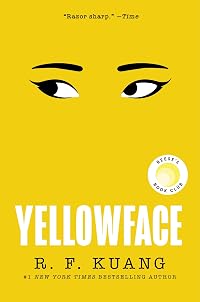
Yellowface
by R. F. Kuang
On This Page
Description
After the death of her literary rival in a freak accident, author June Hayward steals her just-finished masterpiece, sending it to her agent as her own work, but as emerging evidence threatens her success, she discovers how far she'll go to keep what she thinks she deserves.Tags
Recommendations
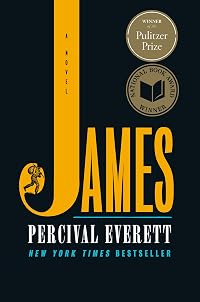

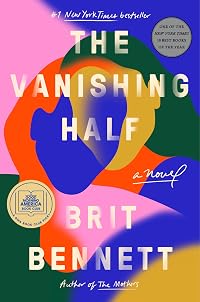
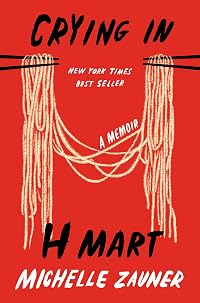
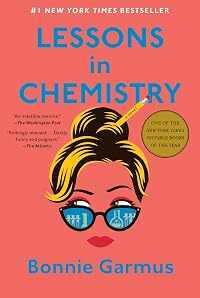
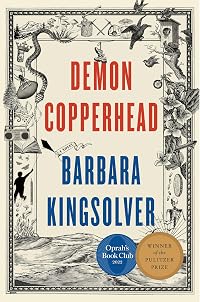
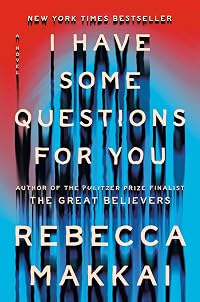
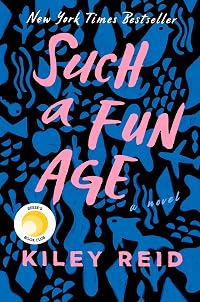
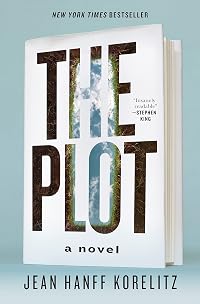
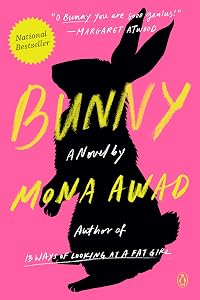
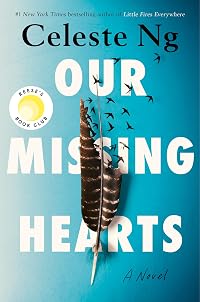
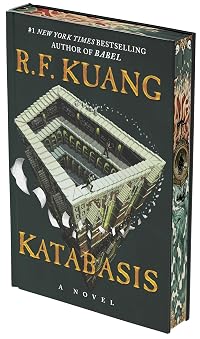
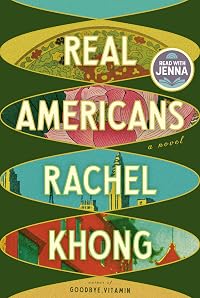
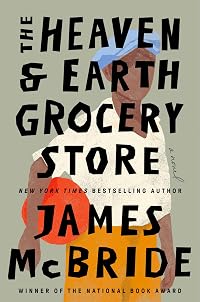
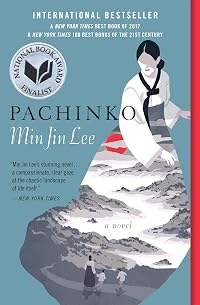
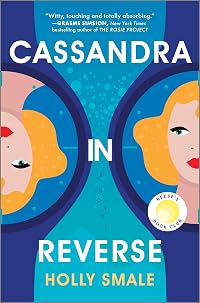
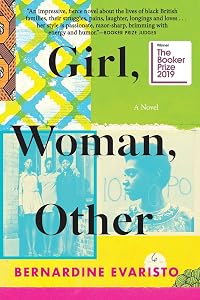
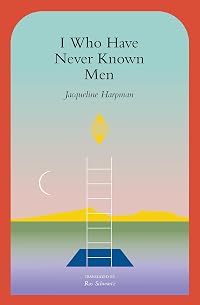
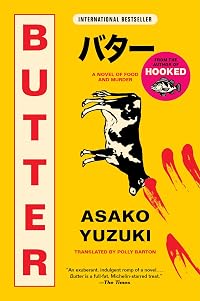
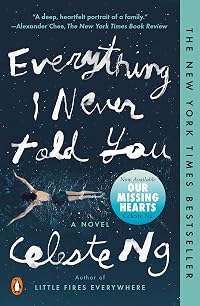
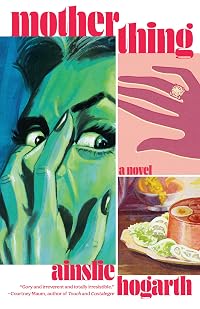
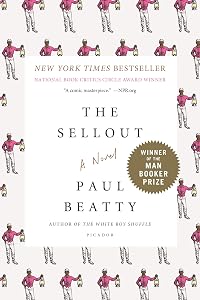
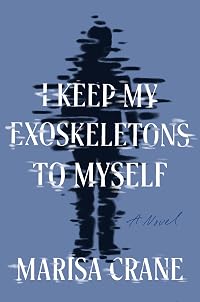
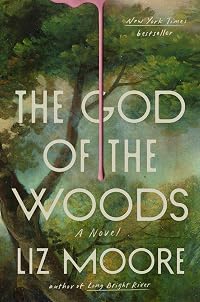

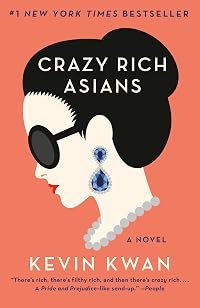
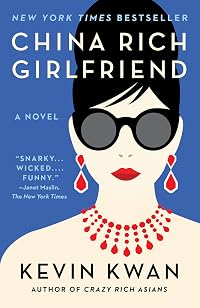
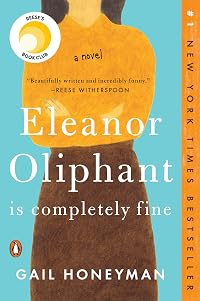
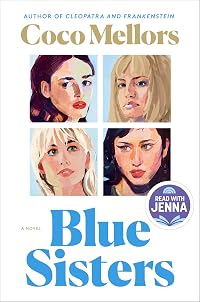
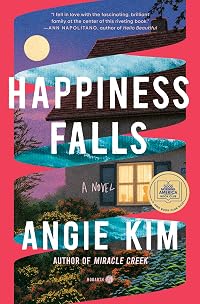
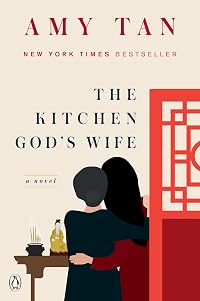

Member Recommendations
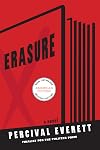
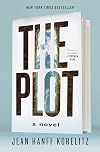
RiversideReader Both books are about plagiarism. The Plot is better.
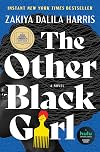
vwinsloe BIPOC in publishing industry
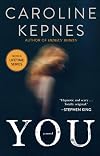
Vulco1 Similar first person accounts of unreliable narrators doing crime. Loved both
Member Reviews
An incisive, not to say excoriating take on the publishing industry – the endemic racism, the commodification of writers and their work, the toxicity of social media, the petty jealousies and scandal-fueled publicity - Yellowface is at the same time an engaging and entertaining read.
As a young Asian author whose career is inextricably tied to the publishing industry, Kuang appears to have bitten the hand that feeds her. It’s a ballsy thing to do, and perhaps long overdue. Frankly, it’s heartening to me that Yellowface actually got published at all, let alone by a Big 5 publisher. Times certainly are a-changing.
Everyone knows the story by now, so I will only say that satire is, by definition, exaggerated, but based (in this case, show more not that loosely) on reality. Critics may cringe at the stark portrayal of ugly circumstances, but cultural appropriation is a thing that’s not going away unless we confront it head on. Similarly, tokenism is another thing that authors such as Kuang must contend with.
It’s always heartening to see someone take a stand and speak truth to power. But to do so with such cleverness and verve, such nuance, makes Yellowface quite special. After all, as the author points out in the story, controversy sells. In a game where the odds are not in your favour, you can always learn the rules (the less arbitrary ones, that is) and use them to your own advantage.
I highly recommend this book, especially to authors and aspiring authors. show less
As a young Asian author whose career is inextricably tied to the publishing industry, Kuang appears to have bitten the hand that feeds her. It’s a ballsy thing to do, and perhaps long overdue. Frankly, it’s heartening to me that Yellowface actually got published at all, let alone by a Big 5 publisher. Times certainly are a-changing.
Everyone knows the story by now, so I will only say that satire is, by definition, exaggerated, but based (in this case, show more not that loosely) on reality. Critics may cringe at the stark portrayal of ugly circumstances, but cultural appropriation is a thing that’s not going away unless we confront it head on. Similarly, tokenism is another thing that authors such as Kuang must contend with.
It’s always heartening to see someone take a stand and speak truth to power. But to do so with such cleverness and verve, such nuance, makes Yellowface quite special. After all, as the author points out in the story, controversy sells. In a game where the odds are not in your favour, you can always learn the rules (the less arbitrary ones, that is) and use them to your own advantage.
I highly recommend this book, especially to authors and aspiring authors. show less
June Hayward is an aspiring writer, who is jealous of the success of her friend Athena, an Asian-American who is a brilliant writer and has a promising career. June visits Athena one evening, and Athena chokes to death in a freak pancake accident. June finds a draft of Athena's next novel in her apartment, and takes it home. She finishes the novel, and publishes it as her own work. The rest of the book is spent justifying this plagiarism and managing the potential fallout as other people suspect what she has done.
The book is narrated by June, so the reader really gets fully into the headspace of this abhorrent character as she does all kinds of mental gymnastics to justify her own actions. Kuang's writing is ingenious: June has no idea show more how racist she is, but it is very clear to the reader. The book treads a fine line: June is such a horrible person that I sometimes wanted to stop reading, but Kuang manages to make the book hard to put down. I didn't necessarily enjoy the book, but I can't deny that Kuang is an excellent author. show less
The book is narrated by June, so the reader really gets fully into the headspace of this abhorrent character as she does all kinds of mental gymnastics to justify her own actions. Kuang's writing is ingenious: June has no idea show more how racist she is, but it is very clear to the reader. The book treads a fine line: June is such a horrible person that I sometimes wanted to stop reading, but Kuang manages to make the book hard to put down. I didn't necessarily enjoy the book, but I can't deny that Kuang is an excellent author. show less
When white mid-list author June Haywood’s bestselling Asian friend Athena dies suddenly in a gruesome freak accident, June takes the opportunity to surreptitiously appropriate the dead author’s latest unpublished manuscript. June reinvents herself as the vaguely Chinese-American Juniper Song and completes the work. Thus is set in motion a chain of events that exposes the worlds of twenty-first century publishing and social media for what they are—cutthroat, backbiting and merciless.
Rarely have I read a book that is as wild a ride as this one, even if I did figure out the big plot twist way in advance. Highly recommended.
Rarely have I read a book that is as wild a ride as this one, even if I did figure out the big plot twist way in advance. Highly recommended.
Yellowface is compelling, uncomfortable and full of drama yet I’m conflicted on how I feel about this novel. It’s certainly clever and an excellent satire of the publishing industry, yet it seemed to be an almost Gothic horror satire towards the end before things were tied up quickly and nicely. The novel exposes the bias and racism in publishing toward BIPOC authors as well as the nastiness that resides in the online book world. Yet with the protagonist June managing to weasel her way out of all criticism/conflict that comes her way, it does become repetitive as she never seems to learn.
June is not a likeable character, nor is she a reliable narrator. That’s made clear from the very start as the reader is introduced to her in the show more first person. There are hints at mental illness in her background, which isn’t explored until later in the novel as June uses it to justify stealing from Athena (as in Athena stole her story first). June’s family doesn’t seem to like her very much either. June notes that Athena, who is not really a friend but a rival seems to have no friends too – loneliness lurks in both their backgrounds. The main premise is that then Athena dies suddenly, June takes advantage of the situation to steal a draft of Athena’s next novel. She justifies it by it not being fair that Athena has had the widely acclaimed novels, Netflix sales and success that June hasn’t. They were in the same class, so why shouldn’t June have the same? Initially the focus is on the novel and hype surrounding it, revealing that publishing is about who is pretty/educated/interesting enough to be the bestselling author of the season regardless of the quality of their work. This is uncomfortable to read, mainly because it does ring some bells. Saturation in social media, on many book club lists, recommendations from the rich and the famous – is a book no different to any other commodity able to be advertised? This book suggests not – got money, mean got placement and sales. For a while it’s all pretty sweet for June until some people ask why a white female writer is writing about Chinese labour during the war. Surely it’s not her story to tell? What about #OwnVoices? June manages to manoeuvre through it before accusations suggest the truth – it’s Athena’s writing, it’s not her. That’s where the internet turns bad. From Goodreads to Twitter (pre-X), people are full of vitriol and violence. June finds it difficult to deal with but she’s not sorry. She’s started to believe that she made Athena’s work the bestseller that it was. But June also doesn’t want to lose face and is involved in quite a bit of manipulation to ensure her secret remains locked up. As June starts to spiral and repeat her past errors, it becomes a bit of a farce with her trying to solve everything and making things worse.
The finale could be one where June gets her comeuppance but like other slimy characters (I’m thinking Joe in You) she seems to sail through obliviously, thinking she can be the media’s darling again. It’s quick and neat, but offers no real punishment or growth for her character. She remains as clueless as her ever was, but the question is whether she was capable of redemption – or does the reader even want it? The ending is also pretty forgettable (I had to read the last chapter again before writing this). However, more home truths about publishing – being the token BIPOC author for an imprint or being told no because there’s already another person of similar race on the roster come out. It seems that June’s view of Athena being the golden, untouchable writer is flawed – she’s ‘just’ the author who her publisher promotes in a show of diversity.
There is a lot to look at in this novel. The midsection where June starts to read all her online reviews and discussion is a good look at the stuff people will say behind a screen (highly conscious that’s what I’m doing now) but not to someone’s face. Kuang shows the negative effect it has on June, but as June is upset about the truth, it’s hard to feel empathy. Combined with the discussion on plagiarism, race and whiteness in publishing, it has the ability to start a lot of conversations. But I feel quite mixed about it – I think the themes get lost at times through June’s character being white and by her successful actions at covering things up. It’s compelling reading at times, but towards the end it just got silly for me.
http://samstillreading.wordpress.com show less
June is not a likeable character, nor is she a reliable narrator. That’s made clear from the very start as the reader is introduced to her in the show more first person. There are hints at mental illness in her background, which isn’t explored until later in the novel as June uses it to justify stealing from Athena (as in Athena stole her story first). June’s family doesn’t seem to like her very much either. June notes that Athena, who is not really a friend but a rival seems to have no friends too – loneliness lurks in both their backgrounds. The main premise is that then Athena dies suddenly, June takes advantage of the situation to steal a draft of Athena’s next novel. She justifies it by it not being fair that Athena has had the widely acclaimed novels, Netflix sales and success that June hasn’t. They were in the same class, so why shouldn’t June have the same? Initially the focus is on the novel and hype surrounding it, revealing that publishing is about who is pretty/educated/interesting enough to be the bestselling author of the season regardless of the quality of their work. This is uncomfortable to read, mainly because it does ring some bells. Saturation in social media, on many book club lists, recommendations from the rich and the famous – is a book no different to any other commodity able to be advertised? This book suggests not – got money, mean got placement and sales. For a while it’s all pretty sweet for June until some people ask why a white female writer is writing about Chinese labour during the war. Surely it’s not her story to tell? What about #OwnVoices? June manages to manoeuvre through it before accusations suggest the truth – it’s Athena’s writing, it’s not her. That’s where the internet turns bad. From Goodreads to Twitter (pre-X), people are full of vitriol and violence. June finds it difficult to deal with but she’s not sorry. She’s started to believe that she made Athena’s work the bestseller that it was. But June also doesn’t want to lose face and is involved in quite a bit of manipulation to ensure her secret remains locked up. As June starts to spiral and repeat her past errors, it becomes a bit of a farce with her trying to solve everything and making things worse.
The finale could be one where June gets her comeuppance but like other slimy characters (I’m thinking Joe in You) she seems to sail through obliviously, thinking she can be the media’s darling again. It’s quick and neat, but offers no real punishment or growth for her character. She remains as clueless as her ever was, but the question is whether she was capable of redemption – or does the reader even want it? The ending is also pretty forgettable (I had to read the last chapter again before writing this). However, more home truths about publishing – being the token BIPOC author for an imprint or being told no because there’s already another person of similar race on the roster come out. It seems that June’s view of Athena being the golden, untouchable writer is flawed – she’s ‘just’ the author who her publisher promotes in a show of diversity.
There is a lot to look at in this novel. The midsection where June starts to read all her online reviews and discussion is a good look at the stuff people will say behind a screen (highly conscious that’s what I’m doing now) but not to someone’s face. Kuang shows the negative effect it has on June, but as June is upset about the truth, it’s hard to feel empathy. Combined with the discussion on plagiarism, race and whiteness in publishing, it has the ability to start a lot of conversations. But I feel quite mixed about it – I think the themes get lost at times through June’s character being white and by her successful actions at covering things up. It’s compelling reading at times, but towards the end it just got silly for me.
http://samstillreading.wordpress.com show less
A satisfying meta reading which plays with the tropes of literature as it exists now - whose words and voices are heard, and why? Athena Liu's words are stolen and remade, but who has the authority to do this? Who is the God of reading? From this book, it's a profoundly 'meta' death match between the amplifying forces of social media and the flesh and blood individuals behind the mask.
A real pageturner with great pacing. The author narrates in first-person, interweaving dialogue with other characters and her inner commentary about her actions and thoughts very cleverly. The use of foreshadowing was also very effective so as to not give away details and at the same time instill apprenhension. There was playful and humorous handling of matters of race and discrimination, but with serious and thought-provoking undertones. The book is full of concrete examples that illustrate just how complex and blurry these issues are.
Overall, while some later chapters felt unnecessarily lengthy and could have been shortened, this was a very captivating read exposing the difficulties of survival in the publishing industry and how show more isolating it can be to be an aspiring writer, regardless if one has membership of a group subject to or effecting marginalisation. show less
Overall, while some later chapters felt unnecessarily lengthy and could have been shortened, this was a very captivating read exposing the difficulties of survival in the publishing industry and how show more isolating it can be to be an aspiring writer, regardless if one has membership of a group subject to or effecting marginalisation. show less
I devoured this in two sittings and was shrieking the whole time- it’s a snarky, satirical masterpiece that pulls no punches as Kuang examines white privilege, the publishing industry, and the exploitation of stories that belong to other people. Kuang never fails to impress and leave me with a whole multitude of things to think about and reconsider.
Members
- Recently Added By
Lists

Books Read in 2023
5,638 works; 147 members

FAB 2023
13 works; 1 member

READ in 2023
244 works; 1 member

Books Read in 2025
4,128 works; 98 members

Books Read in 2026
2,044 works; 68 members

Buddy Reads
5 works; 1 member

Books You Couldn't Finish
202 works; 32 members

Reese's Book Club
122 works; 2 members

Reese Witherspoon Book Club
100 works; 4 members

Top Five Books of 2024
795 works; 264 members

2023 Challenge
15 works; 1 member

StoryTel 2023
38 works; 1 member

Still to Read 2023
5 works; 1 member

Books Read in 2024
4,727 works; 128 members

Indie Next Picks
196 works; 4 members

Top Five Books of 2023
767 works; 317 members

Phi Beta Kappa reading list
260 works; 8 members

Female Author
1,234 works; 67 members
Author Information

18+ Works 35,316 Members
Some Editions
Awards and Honors
Awards
Distinctions
Reese's Book Club (2023-07 – 2023)
Notable Lists
Hebban Boek van de Maand (7 – 2024)
Work Relationships
Common Knowledge
- Canonical title*
- 黃色臉孔
- Original publication date
- 2023
- People/Characters
- Juniper Song Hayward; Athena Liu; Candace Lee
- Important places
- Washington, D.C., USA; Exorcist Stairs, Georgetown, Washington, D.C., USA; Yale University, New Haven, Connecticut, USA
- Dedication
- To Eric and Janette
- First words
- The night I watch Athena Liu die, we're celebrating her TV deal with Netflix.
- Last words
- (Click to show. Warning: May contain spoilers.)And this will become, in time, my story once again.
- Blurbers
- Harris, Zakiya Dalila; May, Nikki; Patel, Vaishnavi; Lien, Tracey; Shepherd, Peng; Sutanto, Jesse Q.
- Original language
- English
- Canonical DDC/MDS
- 813.6
- Canonical LCC
- PS3611.U17
*Some information comes from Common Knowledge in other languages. Click "Edit" for more information.
Classifications
Statistics
- Members
- 5,888
- Popularity
- 2,204
- Reviews
- 241
- Rating
- (3.82)
- Languages
- 16 — Danish, Dutch, English, Finnish, French, German, Hungarian, Italian, Polish, Portuguese, Russian, Spanish, Swedish, Turkish, Ukrainian, Chinese, traditional
- Media
- Paper, Audiobook, Ebook
- ISBNs
- 54
- ASINs
- 16