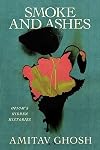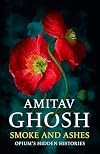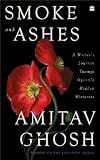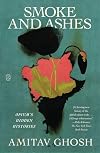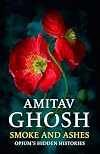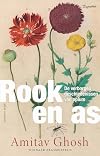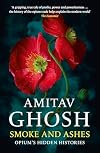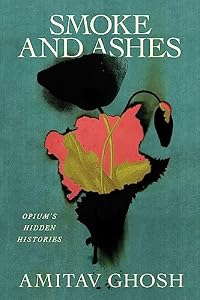
Smoke and Ashes: Opium's Hidden Histories
by Amitav Ghosh
On This Page
Description
"When Amitav Ghosh began the research for his monumental cycle of novels, The Ibis Trilogy, ten years ago, he was startled to find how the lives of the 19th century sailors and soldiers he wrote of were dictated not only by the currents of the Indian Ocean, but also by the precious commodity carried in enormous quantities on those currents: opium. Most surprising at all, however, was the discovery that his own identity and family history was swept up in the story. Smoke and Ashes is at once show more a travelogue, memoir and an essay in history, drawing on decades of archival research. In it, Ghosh traces the transformative effect the opium trade had on Britain, India, and China, as well as the world at large. The trade was engineered by the British Empire, which exported Indian opium to sell to China and redress their great trade imbalance, and its revenues were essential to the Empire's financial survival. Yet tracing the profits further, Ghosh finds opium at the origins of some of the world's biggest corporations, of America's most powerful families and prestigious institutions (from the Astors and Coolidges to the Ivy League), and of contemporary globalism itself. Moving deftly between horticultural histories, the mythologies of capitalism, and the social and cultural repercussions of colonialism, Ghosh reveals the role that one small plant had in the making of our world, now teetering on the edge of catastrophe"-- show lessTags
Recommendations




















Member Reviews
Ghosh challenges the western reader to imagine the existence of powers well outside of the human ones, by presenting the idea that a plant can be, to put it a little ambiguously but pointedly, a contender. By that I mean potent, dangerous, insidious, irresistible, consuming, alluring, voracious . . . in its quest to prosper. He is putting forth that the poppy has evolved along with us and offers a temptation that is powerful enough to destroy mankind. I have a somewhat crackpot theory anyway, that many of the things happening around us from ticks to floods are Gaia's response to human interference. The poppy fits right in. Ghosh explores the history of the poppy, the drugs made from the poppy, the cultivation and distribution of the show more poppy . . . and the biggest temptation of all: the fabulous sums of money to be made from the poppy. He puts the OxyContin scandal into this context, horrific similarities to the behaviour of the British East India Company in the 19th century, the effect of the drug on the governance and the people of the Far East. The drug overpowers everyone, by what it offers to both the user and the provider. Ecstasy and money. Worth reading. **** show less
Readable and interesting history of the British opium drug cartel. Ghosh does a great job at tracing the echoes that still sound today.
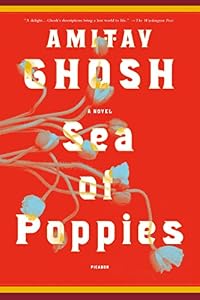
‘Rook en as’ is het nieuwste non-fictie boek van de Indiase schrijver Amitav Ghosh. Het gaat over de rol die opium heeft gespeeld (en nog steeds speelt) in de wereldgeschiedenis, met nadruk op de koloniale tijd. Opium is een onderwerp dat voor Ghosh niet zomaar uit de lucht komt vallen. Tussen 2008 en 2015 schreef hij namelijk 3 romans die samen de 'Ibis-trilogie' worden genoemd: ‘Sea of Poppies’, ‘Rivers of Smoke’ en ‘Flood of Fire’. Dit zijn historische romans die zich afspelen in het 19e eeuwse India en China en waarin opium op de achtergrond een belangrijke rol speelt: de productie ervan, de handel en de opium-oorlogen die het Britse rijk voerde tegen China. Om die romans te kunnen schrijven deed Ghosh uitgebreid show more historisch onderzoek. Maar in de romans kon hij niet al zijn kennis kwijt, vandaar nu dit nieuwste boek, dat je een beetje als een ‘companion-guide’ bij de Ibis-trilogie zou kunnen lezen.
Toch is het boek ook prima los te lezen. Wat ik er heel boeiend aan vond is dat het een andere blik biedt op de geschiedenis dan ik op school heb leren kennen. Een meer Aziatische blik enerzijds, waarin Nederland en Groot-Brittannië gezien worden als de eerste narco-staten, die in hun Aziatische kolonies grootschalig opium verbouwden en aan de man brachten met het doel hiermee winsten te behalen waarmee ze hun koloniën verder konden uitbreiden. Ghosh gaat uitgebreid in op de hypocriete manier waarop de koloniale staten hun handelen rechtvaardigden, en ziet hierin parallellen met de manier waarop grote bedrijven nu het milieu vernietigen en de grote farmaceuten de opium-crisis (oxycodon) in de Verenigde Staten veroorzaakten.
Daarnaast bekijkt Ghosh de geschiedenis ook vanuit een heel ander perspectief, namelijk dat van de papaver zelf. Hij volgt daarmee de native-American schrijfster en botanica Robin Wall Kimmerer, die bestudeert hoe planten mensen vormen (en dus niet andersom, zoals wij gewend zijn te denken). En dat de papaver de wereldgeschiedenis en daarmee ons huidige leven vorm heeft gegeven, dat wordt in dit boek ruimschoots onderbouwd.
Kleine minpuntjes zijn de wat uitwaaierende en herhalende manier van vertellen van de schrijver, die af en toe even de rode draad van zijn betoog lijkt kwijt te raken en dan bijvoorbeeld uitgebreid ingaat op de invloed van China op de Britse landschapstuin of van de Chinese meubelindustrie op de inrichting van Amerikaanse huizen. Het betoog had hier en daar wat strakker gekund. Dat neemt niet weg dat dit een boek is dat je blik op de wereldgeschiedenis en de gebeurtenissen in de huidige wereld behoorlijk kan laten kantelen, en alleen al daarom zou ik het iedereen van harte aanbevelen. show less
Toch is het boek ook prima los te lezen. Wat ik er heel boeiend aan vond is dat het een andere blik biedt op de geschiedenis dan ik op school heb leren kennen. Een meer Aziatische blik enerzijds, waarin Nederland en Groot-Brittannië gezien worden als de eerste narco-staten, die in hun Aziatische kolonies grootschalig opium verbouwden en aan de man brachten met het doel hiermee winsten te behalen waarmee ze hun koloniën verder konden uitbreiden. Ghosh gaat uitgebreid in op de hypocriete manier waarop de koloniale staten hun handelen rechtvaardigden, en ziet hierin parallellen met de manier waarop grote bedrijven nu het milieu vernietigen en de grote farmaceuten de opium-crisis (oxycodon) in de Verenigde Staten veroorzaakten.
Daarnaast bekijkt Ghosh de geschiedenis ook vanuit een heel ander perspectief, namelijk dat van de papaver zelf. Hij volgt daarmee de native-American schrijfster en botanica Robin Wall Kimmerer, die bestudeert hoe planten mensen vormen (en dus niet andersom, zoals wij gewend zijn te denken). En dat de papaver de wereldgeschiedenis en daarmee ons huidige leven vorm heeft gegeven, dat wordt in dit boek ruimschoots onderbouwd.
Kleine minpuntjes zijn de wat uitwaaierende en herhalende manier van vertellen van de schrijver, die af en toe even de rode draad van zijn betoog lijkt kwijt te raken en dan bijvoorbeeld uitgebreid ingaat op de invloed van China op de Britse landschapstuin of van de Chinese meubelindustrie op de inrichting van Amerikaanse huizen. Het betoog had hier en daar wat strakker gekund. Dat neemt niet weg dat dit een boek is dat je blik op de wereldgeschiedenis en de gebeurtenissen in de huidige wereld behoorlijk kan laten kantelen, en alleen al daarom zou ik het iedereen van harte aanbevelen. show less
Dec 31, 2024Dutch
Ratings
Members
- Recently Added By
Lists

True Crime
156 works; 1 member

New Books from South Asia (2024)
9 works; 2 members
Author Information

44+ Works 15,802 Members
Born in Calcutta, and spent his childhood in Bangladesh, Sri Lanka, and Northern India. He studied in Delhi, Oxford, and Egypt and taught at various Indian and American universities. Author of a travel book and three acclaimed novels. Ghosh has also written for GRANTA, THE NEW YORKER, THE NEW YORK TIMES, and THE OBSERVER. He lives in New York City show more with his wife and two children. (Publisher Provided) Amitav Ghosh was born in Calcutta, India on July 11, 1956. He studied in Delhi, Oxford and Alexandria. His first book, The Circle of Reason, won France's Prix Médicis. He has won several other awards including the Sahitya Akademi Award and the Ananda Puraskar for The Shadow Lines, the Arthur C. Clarke award for The Calcutta Chromosome, and the Crossword Book Prize for The Hungry Tide and Sea of Poppies. His other works include In an Antique Land, Dancing in Cambodia, The Glass Palace, and River of Smoke. In 2007, he was awarded the Padma Shri, one of India's highest honors, by the President of India. He made the New Zealand Best Seller List in 2015 with his title Flood of Fire. (Bowker Author Biography) show less
Awards and Honors
Awards
Distinctions
Common Knowledge
- Dedication
- For Rahul Srivastave and Aradhana Seth in celebration of neighbourliness
- First words
- A fact that confounds me now, when I think back of it, is that for most of my life China was for me a vast, uniform blankness. The huge space that hovered above India on maps might just have been marked: "Here be dragons." -C... (show all)hapter One, Here Be Dragons
- Original language
- English
- Canonical DDC/MDS
- 338.4
- Canonical LCC
- HD9675.O652
Classifications
- Genres
- History, General Nonfiction, Nonfiction, Biography & Memoir
- DDC/MDS
- 338.4 — Society, Government, and Culture Economics Production Secondary industries and services
- LCC
- HD9675 .O652 — Social sciences Industries. Land use. Labor Industries. Land use. Labor Special industries and trades Pharmaceutical industry
- BISAC
Statistics
- Members
- 236
- Popularity
- 137,391
- Reviews
- 3
- Rating
- (4.13)
- Languages
- Dutch, English
- Media
- Paper, Audiobook, Ebook
- ISBNs
- 12
- ASINs
- 4