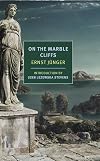
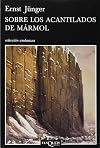
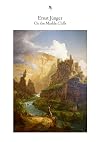
On the Marble Cliffs
by Ernst Jünger
On This Page
Description
"On the Marble Cliffs (Auf den Marmorklippen) is a novella by Ernst Jünger published in 1939 describing the upheaval and ruin of a serene agricultural society. The peaceful and traditional people, located on the shores of a large bay, are surrounded by the rough pastoral folk in the surrounding hills, who feel increasing pressure from the unscrupulous and lowly followers of the dreaded head forester. The narrator and protagonist lives on the marble cliffs as a botanist with his brother show more Otho, his son Erio from a past relationship and Erio's grandmother Lampusa. The idyllic life is threatened by the erosion of values and traditions, losing its inner power. The head forester uses this opportunity to establish a new order based on dictatorial rule, large numbers of mindless followers and the use of violence, torture and murder"-- show lessTags
Recommendations









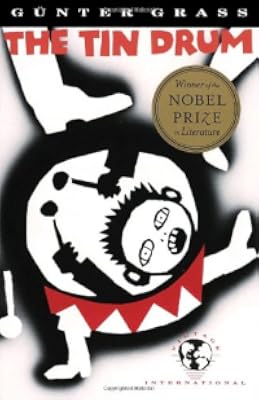
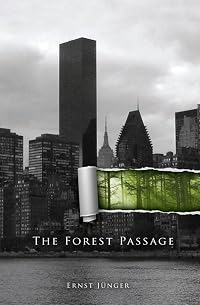

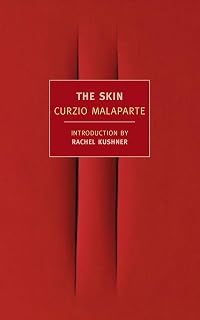


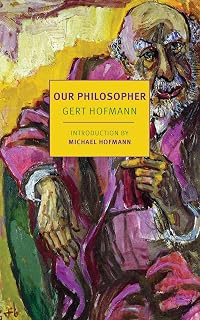










Member Recommendations
Member Reviews
Eszméletlen szórással csillagozták ezt a könyvet itt a molyon, nyilván nem véletlenül: bár Jünger műve magára húzza az értelmezés vágyát, de egyáltalán nem könnyíti meg azt. Adott két ex-katona, akik ezen a képzeletbeli tájon és behatárolhatatlan időben leginkább botanikai értelemben vett élvezkedést folytatnak, ám a barbárság özöne harmonikus világuk elpusztítására tör. Első ránézésre ez egy allegória az Aranykor elvesztéséről (másodikra is), és a megjelenés dátuma (1939) is szinte rákényszerít az olvasóra egy bizonyos magyarázatrendszert – az egyik népszerű feloldása a szövegnek, hogy a műben szereplő gonosz főerdész alatt Göringet kell érteni. Ugyanakkor ez talán show more nem annyira egyértelmű. A barbárság alatt ugyanis nem pusztán a náci totalizmust érthetjük, hanem akár a bolsevizmust is – ilyen értelemben pedig A márványszirteken talán nem is a szélsőjobboldal kritikája, hanem épp ellenkezőleg. Részben ezt támaszthatja alá, hogy a „csőcselék” áradatával szemben Jünger végső soron az esztéták szűk, elitista kasztját állítja szembe – azokat, akik még értik, vagy érteni akarják a Természet nyelvét. Úgyhogy biztosak csak abban lehetünk, hogy Jünger valamiféle technológiai barbarizmust támad – de hogy melyiket, az nem világos. Tételezzük fel jóindulatúan, hogy mind a kettőt. Az sem könnyíti dolgunkat, hogy az író szándékosan keveri a valós és fiktív történelmi személyeket, helyeket és nációkat, mindennek a tetejébe pedig tartózkodik attól, hogy megnyugtató, de legalábbis világosan értelmezhető végkifejletbe vezesse szereplőit – ha csak nem tekintjük azt válasznak a regény problematikájára, hogy ha eljön a világvége, akkor lépjünk le, és keressünk máshol növényeket. Szóval lehet, akkor teszünk magunkkal a legjobbat, ha egyáltalán nem akarjuk megfejteni ezt a könyvet. Pusztán csak élvezzük a kiválóan felépített szöveget, amiben az expresszionista lendület és valamiféle nyugodt visszafogottság váltogatja egymást – ez utóbbi érzésem szerint kifejezetten távol-keleti hangulatot visz a szövegbe. Mert lehet élvezni. show less
Está muy bien eso de escribir relatos míticos y simbólicos, donde se oculta a la vista lo que significa cada elemento y personaje. 'Sobre los acantilados de mármol' es uno de estos casos, un clásico publicado en 1939 que es todo un alegato contra la barbarie que estaba por venir. Y ésto es lo único que me ha gustado de la novela, la denuncia de todos esos miserables que se ocultan tras un uniforme o una bandera para aplastar a todo aquél que no comparta su manera de pensar.
Porque una cosa es el contenido y otra cómo llega al lector. La novela no me ha gustado. Es una alegoría en clave de relato seudo fantástico, donde se cuenta cómo la plácida vida que llevan el narrador y su hermano Otón en la Marina, se ve amenazada por show more el Guardabosque Mayor y los habitantes de los bosques que le siguen. Puede ser toda una acusación y condena de regímenes como el de Hitler o Stalin, pero no sé si por la manera de escribir de Jünger o por la línea narrativa que eligió para tal fin, a mí no me ha removido nada por dentro. show less
Porque una cosa es el contenido y otra cómo llega al lector. La novela no me ha gustado. Es una alegoría en clave de relato seudo fantástico, donde se cuenta cómo la plácida vida que llevan el narrador y su hermano Otón en la Marina, se ve amenazada por show more el Guardabosque Mayor y los habitantes de los bosques que le siguen. Puede ser toda una acusación y condena de regímenes como el de Hitler o Stalin, pero no sé si por la manera de escribir de Jünger o por la línea narrativa que eligió para tal fin, a mí no me ha removido nada por dentro. show less
It took me a while to grasp what On The Marble Cliffs is, but finally I realized that it's a fantasy novel without any of the genre's usual trappings. Two botanists live in peaceful isolation on the titular cliffs, surrounded by the wonders of nature in both plant and animal form. Below them, though, dark powers are stirring and eventually the forces of good must take up arms against the spreading evil.
I found this to be an interesting addition to the fantasy genre, with its separation of lands and factions done without relying on the cliches of knights or magic. When a car appears it is a jarring occurrence, as the rest of the world seems trapped in a nebulous period of the past that predates such technology.
I'm sure the book was show more rife with political and/or historical symbolism that I didn't catch, but the story (such as it is) stands even without it. It's not great by any means, but a curiosity to be sure. Not quite like any other book I've read, for better or worse. show less
I found this to be an interesting addition to the fantasy genre, with its separation of lands and factions done without relying on the cliches of knights or magic. When a car appears it is a jarring occurrence, as the rest of the world seems trapped in a nebulous period of the past that predates such technology.
I'm sure the book was show more rife with political and/or historical symbolism that I didn't catch, but the story (such as it is) stands even without it. It's not great by any means, but a curiosity to be sure. Not quite like any other book I've read, for better or worse. show less
A homogeneous mixture of parable, fantasy, social critique, and fable, Junger’s novella centers on two botanists living in an idyllic seaside community as a mysterious political group gains power. This was a tough read for me. It is ominous and haunting. The characters’ struggle with how to deal with the rising fascist leaders is very tactile.
“While evil flourished like mushroom spawn in rotten wood, we plunged deeper into the mystery of flowers, and their chalices seemed larger and more brilliant than before. But, above all, we continued our study of language, for in the word we recognized the gleaming magic blade before which tyrants pale. There is a trinity of word, liberty and spirit.”
“While evil flourished like mushroom spawn in rotten wood, we plunged deeper into the mystery of flowers, and their chalices seemed larger and more brilliant than before. But, above all, we continued our study of language, for in the word we recognized the gleaming magic blade before which tyrants pale. There is a trinity of word, liberty and spirit.”
Not your standard Fantasy, but a fantasy nonetheless. Slow-paced but it still carried me along.
Still thinking on this. Once the inevitable barbarians arrive, fight as you can then burn it down and walk off?!
sort of.. no... entirely strange fable of... well.. something. I certainly liked it, thogughas far as mea culpas for fascism go it was un fulfilling
Members
- Recently Added By
Lists

In or About the 1930s
198 works; 27 members

1930s
262 works; 5 members

Speculative Fiction from around the World
610 works; 18 members

Canon de la narrativa universal del s. XX (cicutadry)
499 works; 3 members
Author Information

229+ Works 7,352 Members
Some Editions
Awards and Honors
Series
Belongs to Publisher Series
Work Relationships
Is contained in
Common Knowledge
- Canonical title
- On the Marble Cliffs
- Original title
- Auf den Marmorklippen
- Original publication date
- 1939 (Germany) (Germany); 1939; 1942 (Netherlands) (Netherlands); 1. ed. it. Milano, Mondadori, 1942; 1942 (French · Thomas) (French · | Thomas); 2023 (NYRB) (NYRB)
- People/Characters
- Fratello Ottone; Erio; Lampusa; Il Forestaro; Belovar; Braquemart (show all 12); Il Principe; Padre Lampro; Biedenhorn; Ansgar il giovane; Ansgar il vecchio; Sembor
- Important places
- Le Scogliere di Marmo; La Grande Marina; Terra Plana; Eremo della Ruta; La Campagna; Köppels-Bleek (show all 8); Il Boschetto del Toro rosso; Il Corno del Crocefisso
- First words
- Some people live more history than others: Born in Heidelberg in 1895, the German literary giant Ernst Junger survived a stint in the French Foreign Legion, the rise of the Third Reich, two World Wars, fourteen flesh wounds, ... (show all)the death of his own son (executed by the SS), the Partition of Germany, and Reunification before his death at the remarkable age of a hundred and two. (Introduction)
Voi tutti conoscete la selvaggia tristezza che suscita il rammemorate il tempo felice; esso è irrevocabilmente trascorso, e ne siamo divisi in modo spietato più che da quale si sia lontananza di luoghi.
You all know the fierce melancholy that overcomes us at the memory of happy times.
I had already gone to bed when the car neared the vineyard with its headlights dimmed. (Author's Note)
The importance of Ernst Junger and the interest of his most recent book, On the Marble Cliffs, charge critics with the duty of not letting this work be lost among the general run of translations set before them. (After... (show all)word) - Last words
- (Click to show. Warning: May contain spoilers.)My fear, these days, is that it's the populists who are becoming more intelligent. (Introduction)
(Click to show. Warning: May contain spoilers.)Per la grande porta aperta noi entrammo come nella pace della casa paterna.
(Click to show. Warning: May contain spoilers.)We strode through the open gate as if into the haven of our own parental home.
(Click to show. Warning: May contain spoilers.)It is also the touchstone of the poem. (Author's Note)
(Click to show. Warning: May contain spoilers.)Language, in this calculated art, is an appeal to powers that knowledge cannot discover; and like a weapon forged in fire, it has the admirable coldness, the cruel dignity that makes the object richest in memories into the most effective instrument. (Afterword) - Blurbers
- Nevin, Thomas R.; Merwin, W. S.
- Original language
- German
Classifications
- Genres
- General Fiction, Fiction and Literature, Fantasy
- DDC/MDS
- 833.912 — Literature & rhetoric German & related literatures German fiction 1900- 1900-1990 1900-1945
- LCC
- PT2619 .U43 — Language and Literature German, Dutch and Scandinavian literatures German literature Individual authors or works 1860/70-1960
- BISAC
Statistics
- Members
- 772
- Popularity
- 36,429
- Reviews
- 16
- Rating
- (3.72)
- Languages
- 20 — Catalan, Czech, Danish, Dutch, English, Estonian, Finnish, French, German, Hungarian, Italian, Japanese, Norwegian (Bokmål), Polish, Portuguese, Romanian, Russian, Spanish, Swedish, Turkish
- Media
- Paper, Ebook
- ISBNs
- 49
- ASINs
- 18