
Maurice Blanchot (1907–2003)
Author of The Space of Literature
About the Author
Maurice Blanchot, 1907 - Novelist and critic Maurice Blanchot was born in 1907. Some of his works in translation include "Death Sentence" (1978), "The Gaze of Orpheus" (1981), "Madness of the Day" (1988), "The One Who Was Standing Apart From Me" (1993), all of which were translated by Lydia Davis, show more and "Michel Foucault as I Imagine Him" (translated by Jeffrey Mehlman, 1987). (Bowker Author Biography) show less
Series
Works by Maurice Blanchot
Foucault / Blanchot: Maurice Blanchot: The Thought from Outside and Michel Foucault as I Imagine Him (1987) 118 copies, 1 review
Revisions Number 3: Decadence of the Nude: Pierre Klossowski; La Decadence Du Nu (Revisions Series, 3) (2003) 18 copies
A inspiração 2 copies
Lettres à Vadim Kozovoï ; suivi de, La parole ascendante, ou, Sommes-nous encore dignes de la poésie? (notes éparses) (2009) 2 copies
Die Frist ein Bericht 2 copies
Le Trés-Haut 1 copy
Zaustavljanje smrti 1 copy
Felaket Yazısı 1 copy
Η Στιγμή του Θανάτου μου 1 copy
Focault: Como o Imagino 1 copy
A Amizade 1 copy
Cahier Blanchot 1 copy
L' Espace Littéraire 1 copy
Temný Tomáš 1 copy
Rene Char's Poetry 1 copy
ヘルダーリンの《聖なる》ことば 1 copy
カミュ論 1 copy
文学時評 1941-1944 1 copy
増補 カフカ論 1 copy
Eine Stimme von anderswo: Texte zu Louis-René des Forêts, René Char, Paul Celan und Michel Foucault (re.visionen, Band 5) (2015) 1 copy
Eseji izbor 1 copy
L'espace littéraire 1 copy
Blanchotovi obrazi 1 copy
Infinite Conversation 1 copy
De stem en het schrift 1 copy
El diálogo inconcluso 1 copy
Infinito intrattenimento 1 copy
Correspondance Maurice Blanchot & Johannes Hübner. Entretien avec le traducteur, Correspondance 1963-1973 (2014) 1 copy
カフカ論 1 copy
バタイユ・ブランショ研究 — Author — 1 copy
Associated Works
Justine, Philosophy in the Bedroom, and Other Writings (1791) — Introduction, some editions — 1,300 copies, 10 reviews
Oskar Kokoschka, Städteportraits: [Ausstellung "Oskar Kokoschka - Städteportraits", Österreichisches Museum für Angewandte Kunst, Wien, 4. März - 6. April 1986] (1986) — Contributor — 3 copies
季刊パイデイア 6号 1969年夏 特集=シュルレアリスムと革命 — Contributor — 2 copies
ユリイカ 1976年 6月臨時増刊号 (第8巻第7号) 総特集=シュルレアリスム — Contributor — 1 copy
ユリイカ 詩と批評 1971年 09月号 特集=ロートレアモン — Contributor — 1 copy
ユリイカ 詩と批評 1985年 05月号 — Contributor — 1 copy
現象学研究 特別号 モーリス・メルロ・ポンティ — Contributor — 1 copy
詩と思想 1989年 03月号 — Contributor — 1 copy
夜想 1 〈マンディアルグ×ボナ〉 — Contributor — 1 copy
無限 詩と詩論 39 特集「マラルメ」 — Contributor — 1 copy
現代思想 1982年 02月号 特集=バタイユ — Contributor — 1 copy
ユリイカ 詩と批評 1972年 02月号 特集=カミュ 地中海の神話 — Contributor — 1 copy
形成 第7号 — Contributor — 1 copy
形成 第8号 — Contributor — 1 copy
ユリイカ 詩と批評 1991年 07月号 特集=ランボー 没後百年記念 — Contributor — 1 copy
ロートレアモン詩集 — Contributor — 1 copy
現代思想 1974年 06月号 特集=ニーチェ 虚無を直視する真昼の思想 — Contributor — 1 copy
ランボオの世界 — Contributor — 1 copy
現代思想 1983年 11月号 特集=精神医学の現在 文化と狂気 — Contributor — 1 copy
現代思想 1988年 05月号 特集=キルケゴール 反復とアイロニー — Contributor — 1 copy
現代文芸研究のフロンティア(5) (スラブ研究センター研究報告シリーズ) — Contributor — 1 copy
ユリイカ 詩と批評 1985年 07月号 増頁特集・マルグリット・デュラス — Contributor — 1 copy
現代思想 1988年 08月号 特集・脳死 テクノロジーの限界 — Contributor — 1 copy
無限 詩と詩論 26 特集「アルチュール・ランボー」 — Contributor — 1 copy
表象 14 特集:アポカリプスの表象/表象のアポカリプス — Contributor — 1 copy
現代詩手帖 1964年 07月号 — Contributor — 1 copy
世界文学大系〈第51〉クローデル,ヴァレリー (1960年) — Contributor — 1 copy
ユリイカ 詩と批評 1985年 04月号 特集=モーリス・ブランショ — Contributor — 1 copy
季刊パイデイア 7号 1970年春 特集=モーリス・ブランショ — Contributor — 1 copy
現代詩手帖 1992年 10月号 特集:ジュリアン・グラック 散文詩の秘法 — Contributor — 1 copy
実存と虚無 — Contributor — 1 copy
白夜評論 1962年7月号 — Contributor — 1 copy
海 1969年06月 発刊記念号 — Contributor — 1 copy
現代詩手帖 1978年 10月臨時増刊号 モーリス・ブランショ — Contributor — 1 copy
マイノリティは創造する — Contributor — 1 copy
季刊 審美 第十五号 — Contributor — 1 copy
ポリロゴス〈1〉特集:ミシェル・フーコー — Contributor — 1 copy
白夜評論 1962年6月創刊号 — Contributor — 1 copy
エピステーメーII 3号 特集 エマニュエル・レヴィナス — Contributor — 1 copy
Tagged
Common Knowledge
- Canonical name
- Blanchot, Maurice
- Birthdate
- 1907-09-22
- Date of death
- 2003-02-20
- Gender
- male
- Education
- University of Strasbourg (BA | 1922)
University of Paris (MA | 1930) - Occupations
- philosopher
literary theorist
writer
novelist
journalist - Organizations
- Nouvelle Revue Française
- Relationships
- Bataille, Georges (friend)
- Short biography
- Maurice Blanchot lived in Paris during the German Occupation of World War II, and was active in the French Resistance. In June 1944, shortly before the Liberation, he was close to being executed by the Nazis, which he described in his book The Instant of My Death. His work on the questions of language and meaning had a strong influence on post-war French literary theory and criticism.
- Nationality
- France
- Birthplace
- Devrouze, Saône-et-Loire, France
- Places of residence
- Paris, Île-de-France, France
Èze, Alpes-Maritime, France - Place of death
- Le Mesnil-Saint-Denis, Yvelines, France
- Associated Place (for map)
- France
Members
Reviews
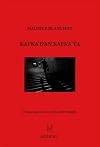
Monokl’un kırmızı serisinde Maurice Blanchot Kafka okurları için olağanüstü bir yapıta imza atıyor ve Kafka’yı hiç görülmedik bir halde okurunun karşısına çıkarıyor.
Yazmak gececil şeydir; kendini karanlık güçlere bırakmak demektir, aşağıdaki bölgelere inmek, kendini saf olmayan kucaklaşmalara teslim etmektir. Bütün bu ifadeler Kafka için dolaysız bir hakikati barındırır. Karanlık büyülenmeyi, arzunun iç karartıcı parıltısını, her şeyin show more radikal ölümle son bulduğu geceleyin zincirlerinden boşanan şeyin tutkusunu çağrıştırır. Peki, aşağının güçleriyle neyi anlar Kafka? Bunu bilmiyoruz. Ama git gide, canlı şeylere susamış ve her türlü hakikati güçten düşürmeye muktedir olarak, sözcükleri ve hayaletimsi bir gerçekliğin yaklaşmasıyla sözcüklerin kullanımını birbirine bağlayacaktır. İşte bu yüzden son yıl arkadaşlarına yazmayı dahi neredeyse bırakacak ve özellikle de kendinden söz etmeyecektir: “Doğru, hiçbir şey yazmıyorum ama gizleyecek bir şeyim olduğundan değil. Her şeyden önce, bunu kendime son yıllarda stratejik nedenlerle bir yasa bellediğim için, sözcüklerime de mektuplarıma da güvenmiyorum; kalbimi pekâlâ insanlarla paylaşmayı istiyorum ama sözcüklerle oynayan ve onu dilleri sarkık, mektupları okuyan hayaletlerle paylaşmak istemiyorum.” Dolayısıyla sonucun kesin bir şekilde şu olması gerekirdi: artık yazmamak. Oysa sonuç bambaşkadır: “Benim için yazmak en zorunlu ve en önemli şeydir.” Ve Kafka, bizlere bu zorunluluğun nedenlerini göstermekten, hatta onları farklı mektuplarında yinelemekten geri kalmadı: eğer yazmayacak olursa delirecekti. Yazmak deliliktir, onun deliliğidir ama bu delilik onun aklıdır…
Kendinden kaçmayı isteyerek kendi saplantısına daha da batan kör uyanıklığıyla edebiyat; eğer varoluş varoluştan çıkma olanaksızlığıysa, varlık her zaman varlığa geri itilen şeyse, dipsiz derinlikte olan şey çokta dipteyse, hâlâ uçurumun temeli olan uçurumsa, kendisine karşı çarenin olmadığı çareyse, varoluş saplantısının tek tercümesidir.
MAURICE BLANCHOT show less
Yazmak gececil şeydir; kendini karanlık güçlere bırakmak demektir, aşağıdaki bölgelere inmek, kendini saf olmayan kucaklaşmalara teslim etmektir. Bütün bu ifadeler Kafka için dolaysız bir hakikati barındırır. Karanlık büyülenmeyi, arzunun iç karartıcı parıltısını, her şeyin show more radikal ölümle son bulduğu geceleyin zincirlerinden boşanan şeyin tutkusunu çağrıştırır. Peki, aşağının güçleriyle neyi anlar Kafka? Bunu bilmiyoruz. Ama git gide, canlı şeylere susamış ve her türlü hakikati güçten düşürmeye muktedir olarak, sözcükleri ve hayaletimsi bir gerçekliğin yaklaşmasıyla sözcüklerin kullanımını birbirine bağlayacaktır. İşte bu yüzden son yıl arkadaşlarına yazmayı dahi neredeyse bırakacak ve özellikle de kendinden söz etmeyecektir: “Doğru, hiçbir şey yazmıyorum ama gizleyecek bir şeyim olduğundan değil. Her şeyden önce, bunu kendime son yıllarda stratejik nedenlerle bir yasa bellediğim için, sözcüklerime de mektuplarıma da güvenmiyorum; kalbimi pekâlâ insanlarla paylaşmayı istiyorum ama sözcüklerle oynayan ve onu dilleri sarkık, mektupları okuyan hayaletlerle paylaşmak istemiyorum.” Dolayısıyla sonucun kesin bir şekilde şu olması gerekirdi: artık yazmamak. Oysa sonuç bambaşkadır: “Benim için yazmak en zorunlu ve en önemli şeydir.” Ve Kafka, bizlere bu zorunluluğun nedenlerini göstermekten, hatta onları farklı mektuplarında yinelemekten geri kalmadı: eğer yazmayacak olursa delirecekti. Yazmak deliliktir, onun deliliğidir ama bu delilik onun aklıdır…
Kendinden kaçmayı isteyerek kendi saplantısına daha da batan kör uyanıklığıyla edebiyat; eğer varoluş varoluştan çıkma olanaksızlığıysa, varlık her zaman varlığa geri itilen şeyse, dipsiz derinlikte olan şey çokta dipteyse, hâlâ uçurumun temeli olan uçurumsa, kendisine karşı çarenin olmadığı çareyse, varoluş saplantısının tek tercümesidir.
MAURICE BLANCHOT show less
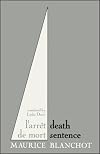
"[And] she stared at me, but in a strange way, as if I had been in back of myself, and infinitely far back."
Precious: sending plaster casts of a hand to a palm reader. Decadent the first time, but when it happens twice in the same novel (against all odds!) one thinks this surely must be a trope of Huysmans's (Huysmans sentenced to death the same year Blanchot sentenced to be born), or is the mechanical conveyance of plaster a conceit to avoid the dread-ful fortune-teller scene (Impossible show more to pull off in literature, not even by Kleist.)
Compared to the stupefied physicians of the early 20th century, overwhelmed by the pathophysiology of disease and an obligation to tonal fidelity at bedside, modern physicians are perhaps better on the margins. (Surely more accurate at prognostication than the palm read, though likely hardly less halting.)
"[Infidelity's] merit is to keep [a] story in reserve,"
On infidelity to a tone. A sad moment becomes happy, or there is a moment of comedy or delirious-transcendence ("A perfect rose"), but only to return to a greater silent despair; though Blanchot may not be aware that the sadness turned to humor turned to sadness can become (burnt) humor again at the final moment. (Compare this to the vision of 'silence beyond silence beyond silence.')
"[But] the road wants to see if the man who is coming is really the one who should be coming: it turns around to see who he is. [. . .] Unhappy is the path that turns around to look at the man walking on it;" show less
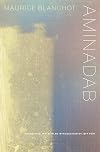
I gave a not particularly enthusiastic review to Blanchot's "The Madness of the Day" wch was, at that point, the only thing I'd read by him. Then my respected colleague Franz Kamin sd I shd give him another chance so when I found this bk I picked it up. Others put in a good word for him too. I've read many 19th & 20th century French writers so I definitely have a taste for such things but Blanchot's a writer I never discovered when I was most in the thick of such interests.
Whilst reading show more it, though, I found myself wondering: Do I even ENJOY reading anymore? Perhaps if I'd read it 30 yrs ago I wd've found it fascinating. As it was, I mostly just found it tedious - much like the only bk I've read by Michel Butor. The back-cover promo for "Aminadab" compares it to Kafka's "enclosed and allegorical spaces" &, yes, it's very claustrophobic - like Kafka, like Mervyn Peake's "Gormenghast Trilogy" - wch I loved as a young teenager.
But this is the type of claustrophobia that reminds me of friends making what I consider to be 'bad' decisions - I just felt like saying: "Don't do that!" - like talking to a character in a horror movie about to make a fatally stupid blunder. In other words, as the protaganist goes thru his progressive entanglement, I found myself caring only insofar as I was annoyed.
Also on the back cover blurb it says: "Blanchot's novel functions as an allegory referring, above all, to the wandering and striving movement of writing itself" & keeping that assertion in mind made the bk slightly more interesting to me. Strangely, but as a nice change from the norm, the 'romantic' aspect of it is downplayed to the point of barely a mention in the translator's intro. However, it seems to me that the bk is as much about human relationships as anything more formal - w/ the human relationships not being very appealing to me.
All in all, "Aminadab" is fairly original & unusual - 2 qualities I always search out - but I found myself not caring very much. Blanchot has helped me realize that I want something very different out of writing than what wd've been interesting 30 yrs ago (just based on its difference). Now? It's not so clear what I want - stimulation, of course, but maybe I'm too jaded to receive that easily. show less
Whilst reading show more it, though, I found myself wondering: Do I even ENJOY reading anymore? Perhaps if I'd read it 30 yrs ago I wd've found it fascinating. As it was, I mostly just found it tedious - much like the only bk I've read by Michel Butor. The back-cover promo for "Aminadab" compares it to Kafka's "enclosed and allegorical spaces" &, yes, it's very claustrophobic - like Kafka, like Mervyn Peake's "Gormenghast Trilogy" - wch I loved as a young teenager.
But this is the type of claustrophobia that reminds me of friends making what I consider to be 'bad' decisions - I just felt like saying: "Don't do that!" - like talking to a character in a horror movie about to make a fatally stupid blunder. In other words, as the protaganist goes thru his progressive entanglement, I found myself caring only insofar as I was annoyed.
Also on the back cover blurb it says: "Blanchot's novel functions as an allegory referring, above all, to the wandering and striving movement of writing itself" & keeping that assertion in mind made the bk slightly more interesting to me. Strangely, but as a nice change from the norm, the 'romantic' aspect of it is downplayed to the point of barely a mention in the translator's intro. However, it seems to me that the bk is as much about human relationships as anything more formal - w/ the human relationships not being very appealing to me.
All in all, "Aminadab" is fairly original & unusual - 2 qualities I always search out - but I found myself not caring very much. Blanchot has helped me realize that I want something very different out of writing than what wd've been interesting 30 yrs ago (just based on its difference). Now? It's not so clear what I want - stimulation, of course, but maybe I'm too jaded to receive that easily. show less

I have been rendered somewhat speechless by this book. It is so surreal that I really don't know what happened or what to say about it. It appears to be written in two sections. In the first, the narrator details his interactions with J., a dying young woman. The second part takes place during the bombing of Paris during WWII. The first part is much more lucid with something that resembles a story. The second part is not -- reading summaries/reviews it apparently revolves around three women, show more but I only remember one.
Part of my frustration is that early on Blanchot teases the reader with hints of what is to come: "{This story} could actually be told in ten words. That is what makes it so awful. There are ten words to say." A few pages later, he describes a mysterious attack a woman has after she attempts to open a closest door where the narrator kept "proof of these events". As the narrator continued to drop hints about the awful events, I found myself reading faster and faster to discover what happened. However, the narrator is never able to say those ten words or describe "the events". I believe this is the authors intention - to meditate on the impossibility of language and words to convey one's experiences. However, I needed a few more markers, a few more bread crumbs to help me follow his tortuous intent.
It is a book that would have been greatly helped by an introduction or a translators note -- something that frames the book and sets realistic expectations. I think if I reread it, I will enjoy it tremendously. show less
Part of my frustration is that early on Blanchot teases the reader with hints of what is to come: "{This story} could actually be told in ten words. That is what makes it so awful. There are ten words to say." A few pages later, he describes a mysterious attack a woman has after she attempts to open a closest door where the narrator kept "proof of these events". As the narrator continued to drop hints about the awful events, I found myself reading faster and faster to discover what happened. However, the narrator is never able to say those ten words or describe "the events". I believe this is the authors intention - to meditate on the impossibility of language and words to convey one's experiences. However, I needed a few more markers, a few more bread crumbs to help me follow his tortuous intent.
It is a book that would have been greatly helped by an introduction or a translators note -- something that frames the book and sets realistic expectations. I think if I reread it, I will enjoy it tremendously. show less
Lists
Awards


You May Also Like


Associated Authors
Statistics
- Works
- 123
- Also by
- 58
- Members
- 4,282
- Popularity
- #5,868
- Rating
- 4.2
- Reviews
- 32
- ISBNs
- 348
- Languages
- 19
- Favorited
- 30

