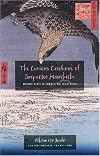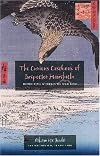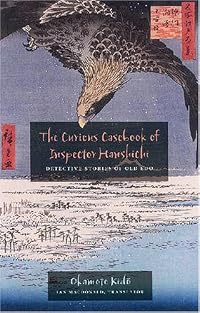
The Curious Casebook of Inspector Hanshichi: Detective Stories of Old Edo
by Kidō Okamoto
On This Page
Description
"That year, quite a shocking incident occurred. . . ." So reminisces old Hanshichi in a story from one of Japan's most beloved works of popular literature, Hanshichi torimonoch©þ. Told through the eyes of a street-smart detective, Okamoto Kid©þ's best-known work inaugurated the historical detective genre in Japan, spawning stage, radio, movie, and television adaptations as well as countless imitations. This selection of fourteen stories, translated into English for the first time, show more provides a fascinating glimpse of life in feudal Edo (later Tokyo) and rare insight into the development of the fledgling Japanese crime novel.Once viewed as an exclusively modern genre derivative of Western fiction, crime fiction and its place in the Japanese popular imagination were forever changed by Kid©þ's "unsung Sherlock Holmes." These stories-still widely read today-are crucial to our understanding of modern Japan and its aspirations toward a literature that steps outside the shadow of the West to stand on its own. show lessTags
Recommendations
















Member Reviews
El autor japonés Okamoto Kidô, enamorado de Sherlock Holmes, se planteó crear a un detective japonés inspirado en su personaje preferido. Pero, ¿Cómo adaptar la mente racional del personaje de Conan Doyle a una época en la que las supersticiones estaban a la orden del día en una sociedad como la japonesa?
Hanshichi, que es como llamó a su personaje, es un detective que antepone la lógica racional ante los casos más variopintos: campanas que suenan solas, mansiones malditas, hechizos, desapariciones... atribuidas a espírituos malignos, maldiciones o entes demoníacos.
Ubicadas entre 1919 y 1940 aproximadamente, los diez relatos que conforman este libro no sólo nos permiten disfrutar de unas historias enigmáticas y en show more ocasiones sorprendentes, si no que nos abre la puerta a descubrir una sociedad tan fascinante como peculiar: recorreremos con el detective las casas de baños, mansiones de samurais, restaurantes de anguila, conoceremos a sirvientes y a importantes señores, sabremos cómo vestían, cuánto dinero ganaban, sus tradiciones e incluso qué comían. Porque si algo destaca sobre todas las cosas es la magnífica descripción que nos hace el autor de la época, pintando un retrato fantástico que nos transporta al Edo de la época, su jerarquía y su pensamiento, tan distinto del nuesto en muchos aspectos, por ejemplo en las resoluciones de los casos y los castigos aplicados a los culpables.
Un libro recomendado para los amantes del misterio y sin duda para los aficionados a la cultura japonesa, donde encontrarán a través de estos relatos un montón de información. show less
Hanshichi, que es como llamó a su personaje, es un detective que antepone la lógica racional ante los casos más variopintos: campanas que suenan solas, mansiones malditas, hechizos, desapariciones... atribuidas a espírituos malignos, maldiciones o entes demoníacos.
Ubicadas entre 1919 y 1940 aproximadamente, los diez relatos que conforman este libro no sólo nos permiten disfrutar de unas historias enigmáticas y en show more ocasiones sorprendentes, si no que nos abre la puerta a descubrir una sociedad tan fascinante como peculiar: recorreremos con el detective las casas de baños, mansiones de samurais, restaurantes de anguila, conoceremos a sirvientes y a importantes señores, sabremos cómo vestían, cuánto dinero ganaban, sus tradiciones e incluso qué comían. Porque si algo destaca sobre todas las cosas es la magnífica descripción que nos hace el autor de la época, pintando un retrato fantástico que nos transporta al Edo de la época, su jerarquía y su pensamiento, tan distinto del nuesto en muchos aspectos, por ejemplo en las resoluciones de los casos y los castigos aplicados a los culpables.
Un libro recomendado para los amantes del misterio y sin duda para los aficionados a la cultura japonesa, donde encontrarán a través de estos relatos un montón de información. show less
Light mysteries, somewhat in the vein of Conan Doyle's Sherlock Holmes, but perhaps most interesting for the sociological insights into Edo/Tokyo at the end of the Tokugawa and beginning of the Meiji periods.
The book is a collection of short stories set in the Japanese capital Edo (modern day Tokyo). The stories were set in 19th century Japan just before the start of the Meiji restoration. This marked the time when Japan began to modernize rapidly by adopting western practices and many feudal customs.
The protagonist is inspector Hanshichi (half-seven), a mid level detective in the Japanaese capital's police force. The stores all have the same basic structure. The author narrator runs into Hanshichi and the inspector proceeds to tell him of one of his old cases. Hanshichi is retired when these meetings with the narrator, who is a young man, occur. The people the inspectors meets are the lower and middle classes of the city: laborers, show more artisans, prostitutes, low ranking samurai stc.
Mostly the mysteries are solved through the inspectors knowledge of human natures. Hanshichi just "knows" who committed the crime and there is no clear path as to how he arrived at his conclusion. Hanshichi himself is scrupulously honest, but the justice that is meted out may seem strange to modern eyes. Sometimes the criminals are allowed to get away with the crime if they had just cause, other times they are allowed to commit suicide. And of course there is one set of laws for the poor and another set for the high ranking officials and samurai.
Though the stories are set in the middle part of the 19th century, they were written in the first decades of the 20th century, at a time when many of the customs and attitudes of the characters would have seemed old fashioned or quaint to Kido's readers. Because of this the author includes many explanations in the form of footnotes. This allows the modern reader to better understand a very different world. show less
The protagonist is inspector Hanshichi (half-seven), a mid level detective in the Japanaese capital's police force. The stores all have the same basic structure. The author narrator runs into Hanshichi and the inspector proceeds to tell him of one of his old cases. Hanshichi is retired when these meetings with the narrator, who is a young man, occur. The people the inspectors meets are the lower and middle classes of the city: laborers, show more artisans, prostitutes, low ranking samurai stc.
Mostly the mysteries are solved through the inspectors knowledge of human natures. Hanshichi just "knows" who committed the crime and there is no clear path as to how he arrived at his conclusion. Hanshichi himself is scrupulously honest, but the justice that is meted out may seem strange to modern eyes. Sometimes the criminals are allowed to get away with the crime if they had just cause, other times they are allowed to commit suicide. And of course there is one set of laws for the poor and another set for the high ranking officials and samurai.
Though the stories are set in the middle part of the 19th century, they were written in the first decades of the 20th century, at a time when many of the customs and attitudes of the characters would have seemed old fashioned or quaint to Kido's readers. Because of this the author includes many explanations in the form of footnotes. This allows the modern reader to better understand a very different world. show less
With, I suspect, an eye to the Japanese market for English studies, the translator appears to have been paid by the idiom. The characters are made to speak one moment like American gangsters from the 1940s, and the next like British public schoolboys. Stopping to wince every few lines made the collection unreadable.
Ratings
Members
- Recently Added By
Author Information

49+ Works 240 Members
Some Editions
Common Knowledge
- Canonical title*
- Detective Hanshichi. I misteri della città di Edo
*Some information comes from Common Knowledge in other languages. Click "Edit" for more information.
Classifications
- Genres
- Fiction and Literature, Mystery
- DDC/MDS
- 895.6 — Literature & rhetoric Asian Literature Literatures of East and Southeast Asia Japanese
- LCC
- PL813 .K3 .H36213 — Language and Literature Languages and literatures of Eastern Asia, Africa, Oceania Languages of Eastern Asia, Africa, Oceania Japanese language and literature Japanese literature Individual authors and works
- BISAC
Statistics
- Members
- 149
- Popularity
- 219,016
- Reviews
- 4
- Rating
- (3.70)
- Languages
- English, French, Italian
- Media
- Paper, Ebook
- ISBNs
- 11
- ASINs
- 4