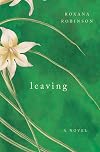
Leaving
by Roxana Robinson
On This Page
Description
Former college sweethearts reconnect decades later after each has married, raised a family and forged careers and embark on an intense affair that forces them to confront the moral responsibilities of their love for their families and each other.Tags
Recommendations

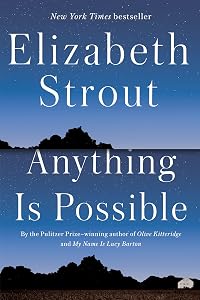
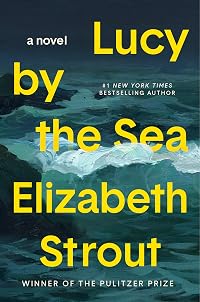
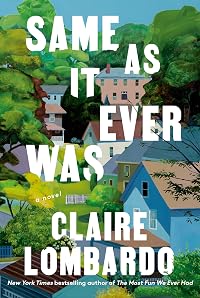
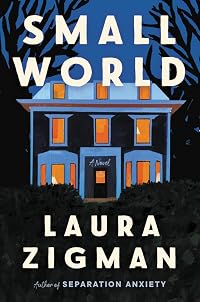






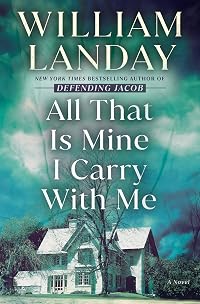
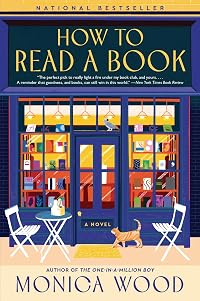
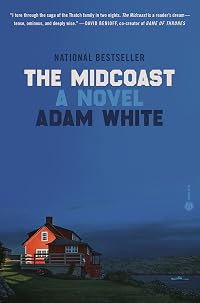
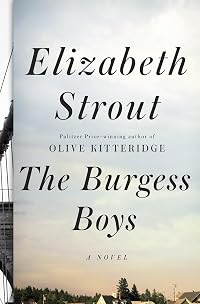
Member Recommendations
by Micheller7
Member Reviews
Seems so simple: former lovers bump into each other at the Metropolitan Opera in NYC; they're in their 60s; she's divorced and a widow, he's married. Their relationship began in high school but she broke up with him in the college days, for fear of his unreliability, and marries a man who defines that word. He married when it was time, choosing a woman who was pretty and funny and sadly shallow. Two poor matches. Now can Sarah and Warren make up for forty lost years? Family disasters intervene in the form of a recalcitrant, unforgiving, headstrong daughter, and another daughter almost dies in childbirth. Choices and forces drive them apart. This is a heartbreaker and a heart-revealer, touching, warm, smart, and beautifully written, with show more the most believable and sympathetic characters imaginable. Robinson, consistently thoughtful, has never written a false word. show less
College lovers Sarah and Warren meet decades later by chance and a reignited passion threatens their current lives as both are married with families and careers. They meet again after Sarah becomes divorced and an intense affair begins. With a desire to leave his marriage, Warren and Sarah must navigate their responsibilities to their families and each other.
LEAVING was a thought-provoking read with compelling characters who were caught questioning what is moral, does loyalty take precedence over love, are vows forever, and what responsibilities do parents and children have to one another? There was emotional suspense carried throughout. I enjoyed the writing style and the nuanced tragic opera motif strung throughout.
I’d recommend show more LEAVING to readers of literary fiction who are looking for a romance story.
Thank you to W.W. Norton and Company for the gifted ARC. show less
LEAVING was a thought-provoking read with compelling characters who were caught questioning what is moral, does loyalty take precedence over love, are vows forever, and what responsibilities do parents and children have to one another? There was emotional suspense carried throughout. I enjoyed the writing style and the nuanced tragic opera motif strung throughout.
I’d recommend show more LEAVING to readers of literary fiction who are looking for a romance story.
Thank you to W.W. Norton and Company for the gifted ARC. show less
This novel, an insightful and powerful examination of a conflict between honour and passion, asks what we owe both others and ourselves.
Forty years after their breakup in college, a chance meeting brings together Warren Jennings and Sarah Watson. Sarah, a museum curator, is a mother and grandmother who has been divorced for almost two decades. Warren, a successful architect, has been married to Janet for 34 years, and they have one daughter, 24-year-old Katrina. The two rekindle their relationship even though Sarah lives near New York and Warren lives in Boston. Warren admits to not being completely happy in his marriage; though Janet “has given him everything she has. It’s not enough.” When he tells her he wants a divorce, Janet show more resists and then Katrina threatens to totally cut him out of her life. Both Warren and Sarah must decide what they are willing and not willing to leave behind for true love.
The book raises so many questions. Is it morally acceptable to leave a marriage in order to pursue personal happiness or should personal happiness be sacrificed for the greater good, to protect “family, order, duty, honor”? What responsibilities does a parent have for grown children who are living independently? How does a parent maintain a connection with grown children? Should adult children have the power to emotionally control their parents? What do we owe ourselves and others when our choices have consequences, both for ourselves and others?
Point of view is particularly effective. The reader is given both Sarah and Warren’s perspectives. Because we are given their thoughts and feelings, we get to know them intimately. We experience their joys and sorrows and understand their motivations. We might not agree with their decisions, but we can follow their thought processes.
My feelings about the characters did not remain static. This speaks to the complexity of the characters: good but flawed people. Warren, for instance, had my sympathy as he sees his future as a life sentence of “the torture of false intimacy” or life without his daughter, yet I also felt anger because he sometimes seems so weak in his encounters with Katrina. His choice at the end, not removing his backpack, tells a lot about his character. I wanted to shout at the young Sarah for being so quick to jump to conclusions about Warren. Why didn’t she speak to him openly about her concerns? But of course “She’d known nothing about choosing a husband.” At times she tries to minimize her role in breaking up Warren’s marriage. On the other hand, her efforts to connect to Meg and Jeff are so sincere. The one person whom I consistently did not like is Katrina who just seems selfish, emotionally immature, manipulative, and implacably judgmental.
The ending is perfect. Given the discussions of operas and tragedies, it is predictable, but given what has gone before and Warren’s character, it is entirely appropriate. I would love a sequel focusing on the three women and their thoughts/reactions to Warren’s choice at the end. Would they question what happened and re-evaluate their actions? Would Sarah, if she suspected what happened, see Warren’s action as breaking the social contract “to see this through to the end”?
I highly recommend this book which has so much depth. It is so well-written: I loved the allusions to literature, art and the opera which work so well in developing theme. It is such an honest and authentic portrayal of marriage and family relationships. The novel would be an excellent choice for book clubs because it is so thought-provoking. Readers will certainly have strong feelings about who behaved honourably and who let passion rule and broke moral codes.
Note: I received an eARC from the publisher via NetGalley.
Please check out my reader's blog (https://schatjesshelves.blogspot.com/) and follow me on Twitter (https://twitter.com/DCYakabuski). show less
Forty years after their breakup in college, a chance meeting brings together Warren Jennings and Sarah Watson. Sarah, a museum curator, is a mother and grandmother who has been divorced for almost two decades. Warren, a successful architect, has been married to Janet for 34 years, and they have one daughter, 24-year-old Katrina. The two rekindle their relationship even though Sarah lives near New York and Warren lives in Boston. Warren admits to not being completely happy in his marriage; though Janet “has given him everything she has. It’s not enough.” When he tells her he wants a divorce, Janet show more resists and then Katrina threatens to totally cut him out of her life. Both Warren and Sarah must decide what they are willing and not willing to leave behind for true love.
The book raises so many questions. Is it morally acceptable to leave a marriage in order to pursue personal happiness or should personal happiness be sacrificed for the greater good, to protect “family, order, duty, honor”? What responsibilities does a parent have for grown children who are living independently? How does a parent maintain a connection with grown children? Should adult children have the power to emotionally control their parents? What do we owe ourselves and others when our choices have consequences, both for ourselves and others?
Point of view is particularly effective. The reader is given both Sarah and Warren’s perspectives. Because we are given their thoughts and feelings, we get to know them intimately. We experience their joys and sorrows and understand their motivations. We might not agree with their decisions, but we can follow their thought processes.
My feelings about the characters did not remain static. This speaks to the complexity of the characters: good but flawed people. Warren, for instance, had my sympathy as he sees his future as a life sentence of “the torture of false intimacy” or life without his daughter, yet I also felt anger because he sometimes seems so weak in his encounters with Katrina. His choice at the end, not removing his backpack, tells a lot about his character. I wanted to shout at the young Sarah for being so quick to jump to conclusions about Warren. Why didn’t she speak to him openly about her concerns? But of course “She’d known nothing about choosing a husband.” At times she tries to minimize her role in breaking up Warren’s marriage. On the other hand, her efforts to connect to Meg and Jeff are so sincere. The one person whom I consistently did not like is Katrina who just seems selfish, emotionally immature, manipulative, and implacably judgmental.
The ending is perfect. Given the discussions of operas and tragedies, it is predictable, but given what has gone before and Warren’s character, it is entirely appropriate. I would love a sequel focusing on the three women and their thoughts/reactions to Warren’s choice at the end. Would they question what happened and re-evaluate their actions? Would Sarah, if she suspected what happened, see Warren’s action as breaking the social contract “to see this through to the end”?
I highly recommend this book which has so much depth. It is so well-written: I loved the allusions to literature, art and the opera which work so well in developing theme. It is such an honest and authentic portrayal of marriage and family relationships. The novel would be an excellent choice for book clubs because it is so thought-provoking. Readers will certainly have strong feelings about who behaved honourably and who let passion rule and broke moral codes.
Note: I received an eARC from the publisher via NetGalley.
Please check out my reader's blog (https://schatjesshelves.blogspot.com/) and follow me on Twitter (https://twitter.com/DCYakabuski). show less
Sixty-year-old Sarah Watson and Warren Jennings were lovers in college, but she broke off their relationship and married another man after graduation. Sarah, who is a retired art curator, is on the board of her local museum and lives alone with her dog, Bella. Warren, an architect, has been married to Janet Cartwright for more than three decades, and they have a grown daughter, Kat. One evening, Sarah and Warren meet by chance at the opera, and they are startled to see one another after so much time has passed. They soon reconnect and embark on a clandestine and passionate affair.
In "Leaving," by Roxana Robinson puts the institution of marriage under a microscope. The author raises a provocative question: Are the promises that a person show more makes on his or her wedding day ironclad or are they subject to change? In addition, Robinson explores the ways in which our children can bring us both unimaginable pleasure and intense psychological pain. This novel traces the trajectory of Sarah and Warren's lives from when they first met until the present. Much of the plot deals with the fallout of Warren's declaration to Janet that he intends to leave her.
Robinson poignantly depicts Janet's anguish at her husband's disloyalty. Like so many wives, Janet did not foresee danger ahead. What makes the situation even more fraught is Kat's fury at her dad's betrayal. Although there is a tinge of soap opera in these proceedings, the characters are well-drawn, and we empathize with them. Sarah believes that she can now have what she once foolishly threw away; Warren is besotted with Sarah but cannot bear the thought of losing his daughter. This riveting and intense work of fiction is laced with conflict, powerful emotions, and difficult decisions that will have heart-rending consequences. show less
In "Leaving," by Roxana Robinson puts the institution of marriage under a microscope. The author raises a provocative question: Are the promises that a person show more makes on his or her wedding day ironclad or are they subject to change? In addition, Robinson explores the ways in which our children can bring us both unimaginable pleasure and intense psychological pain. This novel traces the trajectory of Sarah and Warren's lives from when they first met until the present. Much of the plot deals with the fallout of Warren's declaration to Janet that he intends to leave her.
Robinson poignantly depicts Janet's anguish at her husband's disloyalty. Like so many wives, Janet did not foresee danger ahead. What makes the situation even more fraught is Kat's fury at her dad's betrayal. Although there is a tinge of soap opera in these proceedings, the characters are well-drawn, and we empathize with them. Sarah believes that she can now have what she once foolishly threw away; Warren is besotted with Sarah but cannot bear the thought of losing his daughter. This riveting and intense work of fiction is laced with conflict, powerful emotions, and difficult decisions that will have heart-rending consequences. show less
This book haunts me. Robinson raises questions of morality, loyalty, betrayal and what we owe to others and to ourselves. She offers no answers. My parents (now deceased) divorced after over 50 years of marriage when my mother left my father for another man so this book may resonate more powerfully with me.
another interesting ipad quick read. communication and the lack of it is responsible for so much of our lives. many of the characters tried in their own ways. the importance of family, in many different configurations, is also emphasized. the overriding question was whether people can really forgive, and they certainly do not forget. the ending is so fitting, but i am not sure that the author could have done a better job with it. i certainly did care for most of the characters. will possibly try another robinson book.
Leaving, Roxana Robinson, author, Hannah Choi, narrator
This book explores the meaning of promises kept and promises broken, contracts made and contracts ignored, loyalty and disloyalty, love and the absence of it, respect and disrespect, responsibility and irresponsibility, justice and injustice, as it is portrayed through the actions of the two main characters. Sarah and Warren. In the present day, Sarah, once a curator at a museum, now works on art exhibitions; Warren is an architect. The story begins while they are both at college. Although the narrator does an excellent job reading it with appropriate expression and emphasis in every scene, a few words are mispronounced. Also, although occasionally, the author will insert politics show more into the narrative, as in climate change, health insurance, housing, and the Iraq war, it is not offensive.
This novel will raise many questions about the meaning of the title. Is it leaving with respect to family and children, marriage and divorce, action or inaction, conversations or silence, life or death? Leaving will be explored regarding relationships, families, life styles, and life itself. Whose life is most important? Whose wishes supersede all others? If we ask others to sacrifice for our sake, and then they ask the same, whose request is ultimately most important? What are we willing to sacrifice to find happiness? Is the ultimate sacrifice necessary or even an option?
Although Sarah and Warren were an item in college, both from similar backgrounds, he made a fatal mistake when he asked the sheltered Sarah to go traveling with him when they graduated. He suggested a trip to a place she feared, a communist country, and instead of asking him about it, she impulsively broke off her relationship with him. At that time, she had already met Rob, the polar opposite of Warren, and she was beginning to prefer him, anyway. With no explanation, Warren, who was thoughtful and kind, and who had expected them to marry, found himself abandoned and alone.
Sarah went on to marry Rob, and years later, Warren met and married Janet. It seemed right at the time for both of them. Sarah had a son, Josh, 30 years old and single. Her daughter Meg was 36 and married with two children. Sarah was a grandmother to Eleanor and Nate. Warren had a daughter who was 24 and single. Lots of time had passed and their lives had changed. However, both marriages seem to have left a lot to be desired for both of them, but while Sarah divorced, Warren remained married for 34 years.
Suddenly, after about 4 decades, Sarah and Warren found themselves in the same theater by happenstance. They rekindled their friendship, with Sarah reprimanding herself and demanding that it go no further than that, even though she was starved for affection and love. After all, Warren was a married man. Then she wondered, if she was not married, was she really doing anything wrong? She decided it was Warren who was doing something wrong. She decided she was blameless, so she willingly participated in their affair. Do you agree with her decision?
When Warren realized that he could not go on with his marriage, and had to marry Sarah, he demanded a divorce from Janet. Janet was as horrified, as Sarah’s husband Rob had been. Neither had expected it. In addition, like Sarah’s children, Warren’s daughter Katrina was incensed. Although Sarah’s relationship with her children suffered, eventually, as she changed her expectations of them, that rift resolved itself, though imperfectly. Would this same problem reconcile itself for Warren and his daughter? Could he risk losing Kat when he abandoned Janet? Could either Janet or Kat change his mind? Did Sarah approve of or want him to divorce Janet? Would she feel guilt or shame or any responsibility for their pain, if he did? In the world they lived, the times dictated that they satisfy their own needs first and put other’s needs last.
Would Warren’s family accept his demands? Would they make demands of their own? Did each character have a right to their own demands for personal happiness, even when the demands contradicted each other? Could one of them expect the other to meet their demands but then refuse to meet theirs? Is it acceptable to break marriage vows after decades of marriage? Was Warren right to simply expect his family, Janet and Katrina, to accept his behavior and set him free? Is divorce simply between the parents, or do the children have a say in the matter? Aren’t they impacted by the decisions of the parents? Aren’t they being divorced as well? Would Kat come around and accept the divorce the way Meg and Josh, Sarah’s children had accepted it? Could Warren stand his life without Kat, if he left Janet, even though he felt he couldn’t stand his life without Sarah? Which one of them was the most important to him?
In today’s world, we are supposed to put our own needs above the needs of others. Our own personal happiness is most important. Do you agree with that philosophy or do you think it is selfish? Ultimately, who was the most selfish character, and who was the least selfish? Did some characters exhibit both selfish and unselfish qualities?
Can happiness be measured? Can guilt or shame be measured? Can selfishness be understood or measured? Is Suicide an act of anger or possibly revenge? What is an appropriate reaction when forced into an untenable situation over which you have no control? Should the person who knowingly breaks up a marriage be held responsible for causing so much disruption and pain? How much loyalty is owed to the person you promised to love till death do you part or how sacred are the marriage vows? Is an unhappy partner entitled to have a change of mind? Is that person doomed to suffer for the rest of their life?
These and other questions will trouble you as you sort through all the possible variations of the meaning of the world leaving. It isn’t simple, after all, is it? show less
This book explores the meaning of promises kept and promises broken, contracts made and contracts ignored, loyalty and disloyalty, love and the absence of it, respect and disrespect, responsibility and irresponsibility, justice and injustice, as it is portrayed through the actions of the two main characters. Sarah and Warren. In the present day, Sarah, once a curator at a museum, now works on art exhibitions; Warren is an architect. The story begins while they are both at college. Although the narrator does an excellent job reading it with appropriate expression and emphasis in every scene, a few words are mispronounced. Also, although occasionally, the author will insert politics show more into the narrative, as in climate change, health insurance, housing, and the Iraq war, it is not offensive.
This novel will raise many questions about the meaning of the title. Is it leaving with respect to family and children, marriage and divorce, action or inaction, conversations or silence, life or death? Leaving will be explored regarding relationships, families, life styles, and life itself. Whose life is most important? Whose wishes supersede all others? If we ask others to sacrifice for our sake, and then they ask the same, whose request is ultimately most important? What are we willing to sacrifice to find happiness? Is the ultimate sacrifice necessary or even an option?
Although Sarah and Warren were an item in college, both from similar backgrounds, he made a fatal mistake when he asked the sheltered Sarah to go traveling with him when they graduated. He suggested a trip to a place she feared, a communist country, and instead of asking him about it, she impulsively broke off her relationship with him. At that time, she had already met Rob, the polar opposite of Warren, and she was beginning to prefer him, anyway. With no explanation, Warren, who was thoughtful and kind, and who had expected them to marry, found himself abandoned and alone.
Sarah went on to marry Rob, and years later, Warren met and married Janet. It seemed right at the time for both of them. Sarah had a son, Josh, 30 years old and single. Her daughter Meg was 36 and married with two children. Sarah was a grandmother to Eleanor and Nate. Warren had a daughter who was 24 and single. Lots of time had passed and their lives had changed. However, both marriages seem to have left a lot to be desired for both of them, but while Sarah divorced, Warren remained married for 34 years.
Suddenly, after about 4 decades, Sarah and Warren found themselves in the same theater by happenstance. They rekindled their friendship, with Sarah reprimanding herself and demanding that it go no further than that, even though she was starved for affection and love. After all, Warren was a married man. Then she wondered, if she was not married, was she really doing anything wrong? She decided it was Warren who was doing something wrong. She decided she was blameless, so she willingly participated in their affair. Do you agree with her decision?
When Warren realized that he could not go on with his marriage, and had to marry Sarah, he demanded a divorce from Janet. Janet was as horrified, as Sarah’s husband Rob had been. Neither had expected it. In addition, like Sarah’s children, Warren’s daughter Katrina was incensed. Although Sarah’s relationship with her children suffered, eventually, as she changed her expectations of them, that rift resolved itself, though imperfectly. Would this same problem reconcile itself for Warren and his daughter? Could he risk losing Kat when he abandoned Janet? Could either Janet or Kat change his mind? Did Sarah approve of or want him to divorce Janet? Would she feel guilt or shame or any responsibility for their pain, if he did? In the world they lived, the times dictated that they satisfy their own needs first and put other’s needs last.
Would Warren’s family accept his demands? Would they make demands of their own? Did each character have a right to their own demands for personal happiness, even when the demands contradicted each other? Could one of them expect the other to meet their demands but then refuse to meet theirs? Is it acceptable to break marriage vows after decades of marriage? Was Warren right to simply expect his family, Janet and Katrina, to accept his behavior and set him free? Is divorce simply between the parents, or do the children have a say in the matter? Aren’t they impacted by the decisions of the parents? Aren’t they being divorced as well? Would Kat come around and accept the divorce the way Meg and Josh, Sarah’s children had accepted it? Could Warren stand his life without Kat, if he left Janet, even though he felt he couldn’t stand his life without Sarah? Which one of them was the most important to him?
In today’s world, we are supposed to put our own needs above the needs of others. Our own personal happiness is most important. Do you agree with that philosophy or do you think it is selfish? Ultimately, who was the most selfish character, and who was the least selfish? Did some characters exhibit both selfish and unselfish qualities?
Can happiness be measured? Can guilt or shame be measured? Can selfishness be understood or measured? Is Suicide an act of anger or possibly revenge? What is an appropriate reaction when forced into an untenable situation over which you have no control? Should the person who knowingly breaks up a marriage be held responsible for causing so much disruption and pain? How much loyalty is owed to the person you promised to love till death do you part or how sacred are the marriage vows? Is an unhappy partner entitled to have a change of mind? Is that person doomed to suffer for the rest of their life?
These and other questions will trouble you as you sort through all the possible variations of the meaning of the world leaving. It isn’t simple, after all, is it? show less
Members
- Recently Added By
Lists

Best Books I Read in 2024 Fiction
10 works; 1 member

Top Five Books of 2024
795 works; 264 members
Author Information

13+ Works 1,930 Members
Roxana Robinson is an art historian and novelist and the author of ten books. Four of these were chosen as New York Times Notable Books, two as New York Times Editors' Choices. Her fiction has appeared in the New Yorker, the Atlantic, Harper's Best American Short Stories, Tin House, and has been anthologized and broadcast on National Public Radio, show more and she is a recipient of both NEA and Guggenheim Fellowships. show less
Some Editions
Awards and Honors
Common Knowledge
- Canonical title
- Leaving
- Original publication date
- 2024
- People/Characters
- Sarah Carson Blackwell Watson; Warren Jennings; Rob Watson; Meg Watson Thompson; Josh Watson; Janet Jennings (show all 13); Katrina “Kat” Jennings; Carola Blackwell; George Blackwell; Jeff Thompson; Eleanor “Busby” Thompson; Nate Thompson; Chris
- Important places
- New York, New York, USA; Boston, Massachusetts, USA; Villanova, Pennsylvania, USA; Northern Westchester, New York, USA
- Dedication
- This book is for darling Tony
- First words
- “I never thought I'd see you here,” Sarah says. Then she adds, “But I never thought I'd see you anywhere.”
- Quotations
- Being a mother is paying it forward, sending that energy and feeling to someone who needed it at first to survive, but who, the older she becomes, needs you less. The older you become, the more irrelevant you are.
- Last words
- (Click to show. Warning: May contain spoilers.)He is looking down.
- Blurbers
- Wolitzer, Meg; Brooks, Geraldine; Bloom, Amy; Silber, Joan; Jen, Gish; McCorkle, Jill (show all 7); Smith, Lee
Classifications
Statistics
- Members
- 169
- Popularity
- 193,972
- Reviews
- 11
- Rating
- (4.06)
- Languages
- Dutch, English
- Media
- Paper, Ebook
- ISBNs
- 10
- ASINs
- 2