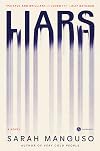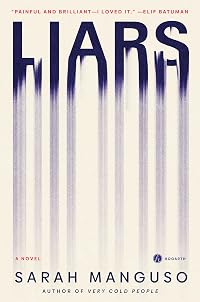
Liars
by Sarah Manguso
On This Page
Description
"A nuclear family can destroy a woman artist. I'd always known that. But I'd never suspected how easily I'd fall into one anyway. When Jane, an aspiring writer, meets filmmaker John Bridges, they both want the same things: to be in love, to live a successful creative life, and to be happy. When they marry, Jane believes she has found everything she was looking for, including--a few years later--all the attendant joy and labor of motherhood. But it's not long until Jane finds herself subsumed show more by John's ambitions, whims, and ego; in short, she becomes a wife. As Jane's career flourishes, their marriage starts to falter. Throughout five house moves, two failed businesses, and a steady draining of the family finances, Jane tries to hold it all together. That is until John leaves her"-- show lessTags
Recommendations
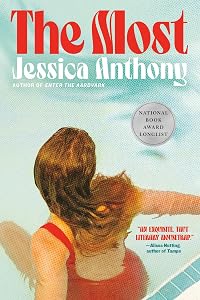
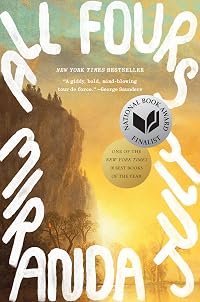
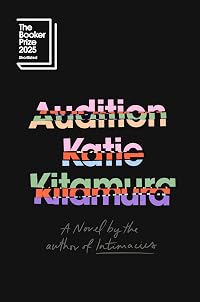
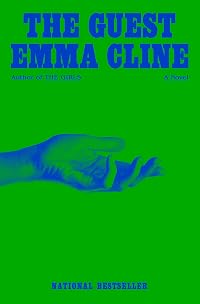

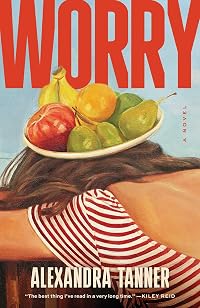
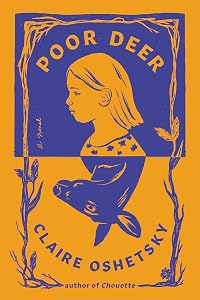
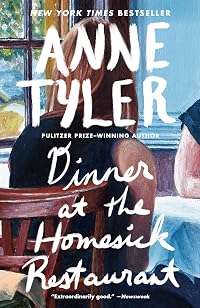
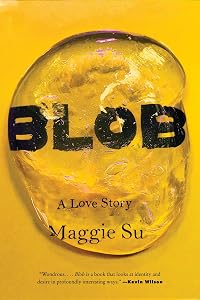
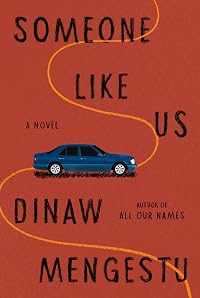
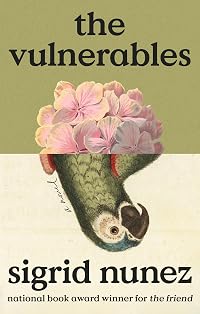
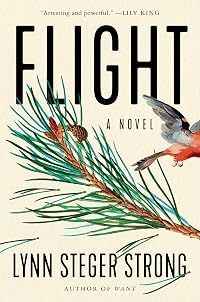
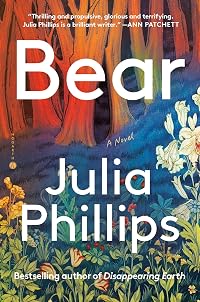

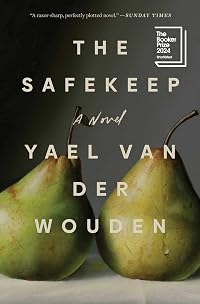
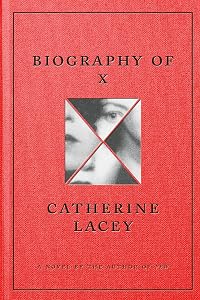
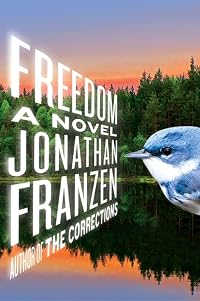
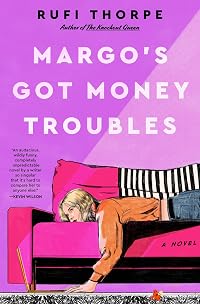
Member Recommendations

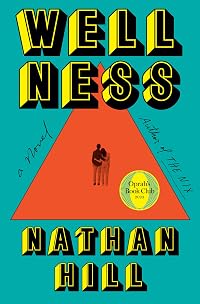
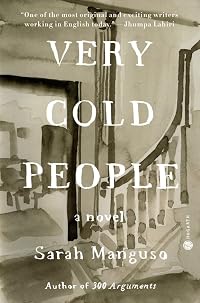
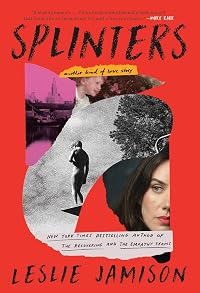
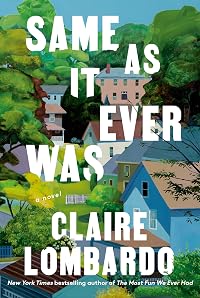
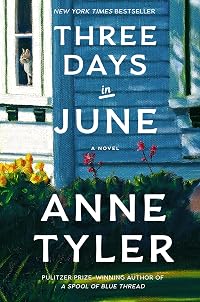
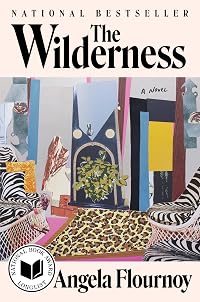
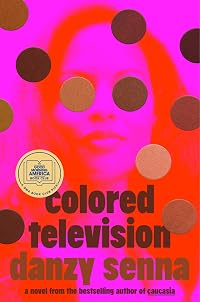
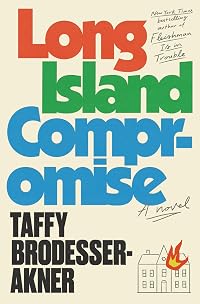
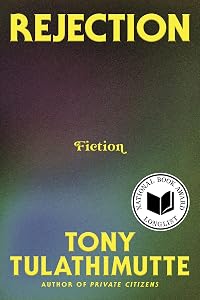
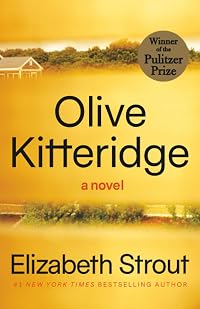
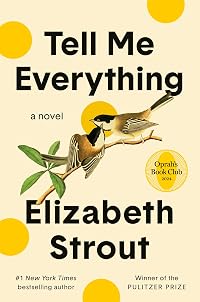
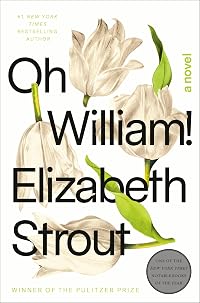
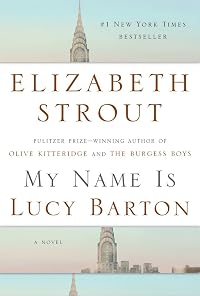
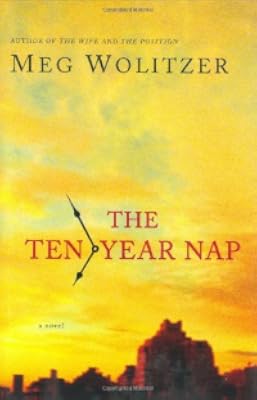
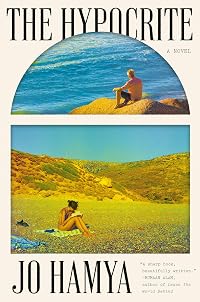
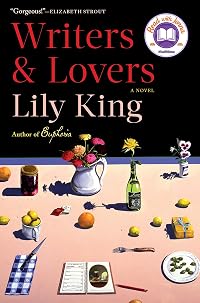
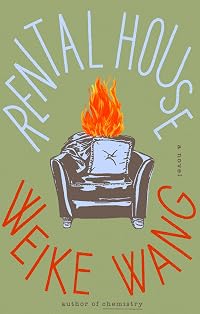
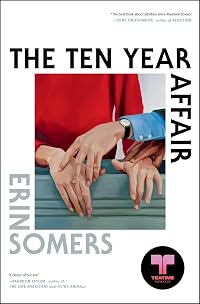
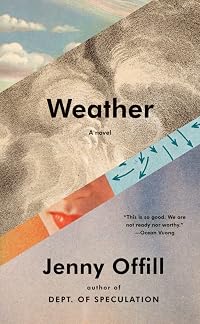
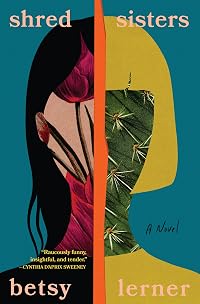
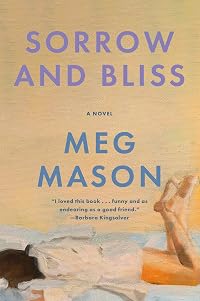
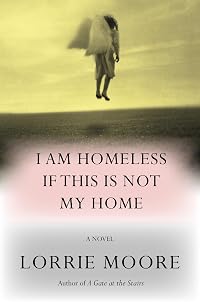
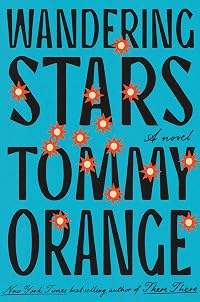
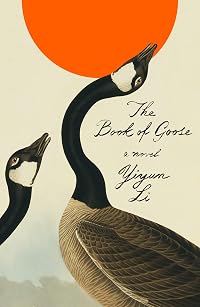
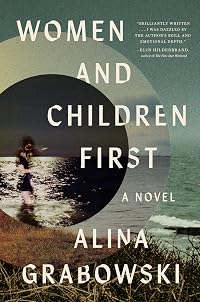
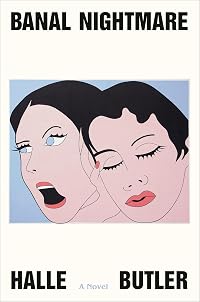
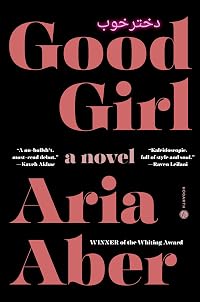
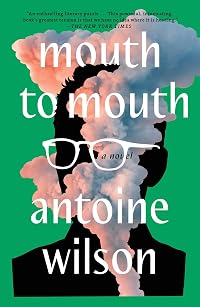
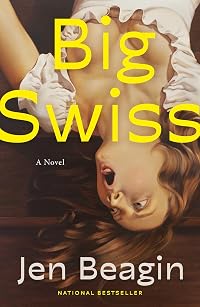
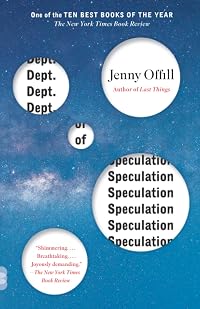
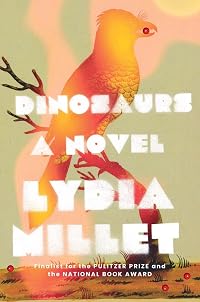
RidgewayGirl Both are auto fiction about a relationship ending.
Member Reviews
“I remember how desperately I had to cling to the story of my happy marriage. It took effort. It felt so good to stop lying.”
Unpleasant and increasingly oppressive as the pages are turned, this novel (which reads more like a misery memoir) highlights the degree to which one woman sacrificially binds herself to cultural expectations and narratives—fairytales—about marriage. Jane, a writer, documents her fourteen-year relationship with would-be filmmaker/photographer/entrepreneur John, a narcissistic boor and loser. She willfully overlooks the multiple glaring warning signs—the selfishness and immaturity—that make him a far from suitable partner for anyone. The reader then gets a play-by-play of his ongoing insensitivity, show more irresponsibility, inattentiveness, laziness, carelessness, sense of entitlement, poor judgement, reactivity, enviousness, fragile ego, predilection for late nights (drinking, video games, flirting), sulkiness, arrogance, disdain, contempt, etc. etc. You name a negative, you’ve got it in John, the ultimate “piece of work.” However (and importantly) instead of fleeing and self-correcting as a functional, basically reasonable, emotionally attuned individual would, Jane persists in her disastrous, toxic marriage. (Whether this is due to a history of mental health issues, some inner sense of being defective, is never totally clear.) She tallies up innumerable reasons for resentment and tells herself endless lies for staying, displaying a degree of contempt for John that rivals his for her. She has a child. (Thank God she resists the impulse to have a second.) More than once she comments on how “lucky” she is. Yes, really. She is as much to blame for the mess she’s in as her nightmare of a husband. People are not reasonable. I get that. I got that long before reading this. So what, exactly, is the point of this book? It appears to be autobiographical fiction. I guess the author was . . . hmm . . . “working it out.”
Manguso’s prose is generally strong. In terms of tone, there’s a lot of bitterness here, of course. There’s also sardonic humour. The language is not infrequently raw, coarse, and uglyDo we really need to know about her bowel movements? And forget the euphemism “making love” or the plainer “having sex.” You won’t find those here.
Is this is a great, valuable, or illuminating novel? I don’t think so. Reading the first long section,”Liars,” is an experience akin to rubbernecking on a highway. As for the final “Afterward” section—in which the narrator grieves her lost time and comes to terms with the schmaltzy fantasy she bought into: although it’s twice as short as the first, it felt two times as long. However, the narrator does come to terms with why she married:
“Early on, maybe five years in, John had said, Are you only with me because I’m dark and handsome? and I’d said, I’ve left darker and handsomer, which had been true. But I saw now that it had also been a dodge. Even then, I’d known I was drawn mainly to his body.”
She also understands the reasons she remained. Among them:
“I’d simply told myself that I was wrong. That’s why I’d stayed. I was stubborn. I’d refused to admit I’d been wrong about him. [. . .] I thought a better man might leave me.”
All of it seems pretty obvious to me: talented women continue to throw away years of their lives for the sake of having a mate and fulfilling some weird fantasy about marriage. They do so by lying to themselves about themselves, about the man they’ve elected to be with, and about the mess they’ve got themselves into. However, contrary to the narrator’s insistence that women are coerced “by an entire civilization,” I believe they often do have agency; they simply refuse to exercise it and to take responsibility.
I know why I started this novel—I’d heard about Manguso and wanted to try her work—but I’m not sure why I bothered to finish it. Maybe I wanted to know just what it would take for the main character to come to her senses.Unfortunately, as is so often the case, it is only after she’s learned of this sorry excuse for a man’s lengthy affair with a married high-school friend. It is his outright rejection of the narrator, his decision to leave her, that finally does the trick. “John’s betrayal,” she observes, “was a gift. My last bits of romantic silliness, all burned away.” It’s a sad state of affairs that years of psychotherapy afforded her so little insight and so few tools for extricating herself from an awful mess. show less
Unpleasant and increasingly oppressive as the pages are turned, this novel (which reads more like a misery memoir) highlights the degree to which one woman sacrificially binds herself to cultural expectations and narratives—fairytales—about marriage. Jane, a writer, documents her fourteen-year relationship with would-be filmmaker/photographer/entrepreneur John, a narcissistic boor and loser. She willfully overlooks the multiple glaring warning signs—the selfishness and immaturity—that make him a far from suitable partner for anyone. The reader then gets a play-by-play of his ongoing insensitivity, show more irresponsibility, inattentiveness, laziness, carelessness, sense of entitlement, poor judgement, reactivity, enviousness, fragile ego, predilection for late nights (drinking, video games, flirting), sulkiness, arrogance, disdain, contempt, etc. etc. You name a negative, you’ve got it in John, the ultimate “piece of work.” However (and importantly) instead of fleeing and self-correcting as a functional, basically reasonable, emotionally attuned individual would, Jane persists in her disastrous, toxic marriage. (Whether this is due to a history of mental health issues, some inner sense of being defective, is never totally clear.) She tallies up innumerable reasons for resentment and tells herself endless lies for staying, displaying a degree of contempt for John that rivals his for her. She has a child. (Thank God she resists the impulse to have a second.) More than once she comments on how “lucky” she is. Yes, really. She is as much to blame for the mess she’s in as her nightmare of a husband. People are not reasonable. I get that. I got that long before reading this. So what, exactly, is the point of this book? It appears to be autobiographical fiction. I guess the author was . . . hmm . . . “working it out.”
Manguso’s prose is generally strong. In terms of tone, there’s a lot of bitterness here, of course. There’s also sardonic humour. The language is not infrequently raw, coarse, and ugly
Is this is a great, valuable, or illuminating novel? I don’t think so. Reading the first long section,”Liars,” is an experience akin to rubbernecking on a highway. As for the final “Afterward” section—in which the narrator grieves her lost time and comes to terms with the schmaltzy fantasy she bought into: although it’s twice as short as the first, it felt two times as long. However, the narrator does come to terms with why she married:
“Early on, maybe five years in, John had said, Are you only with me because I’m dark and handsome? and I’d said, I’ve left darker and handsomer, which had been true. But I saw now that it had also been a dodge. Even then, I’d known I was drawn mainly to his body.”
She also understands the reasons she remained. Among them:
“I’d simply told myself that I was wrong. That’s why I’d stayed. I was stubborn. I’d refused to admit I’d been wrong about him. [. . .] I thought a better man might leave me.”
All of it seems pretty obvious to me: talented women continue to throw away years of their lives for the sake of having a mate and fulfilling some weird fantasy about marriage. They do so by lying to themselves about themselves, about the man they’ve elected to be with, and about the mess they’ve got themselves into. However, contrary to the narrator’s insistence that women are coerced “by an entire civilization,” I believe they often do have agency; they simply refuse to exercise it and to take responsibility.
I know why I started this novel—I’d heard about Manguso and wanted to try her work—but I’m not sure why I bothered to finish it. Maybe I wanted to know just what it would take for the main character to come to her senses.
This is the story of a bad marriage that lasted fourteen years. John and Jane are both working in creative fields, she as a writer, he as a visual artist, when they meet, fall in love and marry, determined to have a marriage of equals. That's not what ends up happening, and each time Jane settles into an academic job, John finds reasons they should move and she ends up managing his life as well as the household and the childcare of the baby he wanted and she didn't.
The novel is told from Jane's point-of-view and she is angry. She sees herself as responsible for everything, but in control of nothing. She dreams of leaving and has friends who tell her how much easier her life will be without him and she believes them. But she stays, show more losing control over her own decisions and agency. The reasons spouses are unable to leave damaging relationships are not present here; she has her own career, albeit diminished by the needs of his career, and often earns more than he does, there are no religious or cultural pressures for her to remain where she doesn't want to be.
This book is really sharp; both clever and painfully cutting. There's no part of this disastrous relationship that remains off limits. It's an interesting book to read as a married person -- there are parts that slice close to home, other parts that left me enraged, mostly at John, but sometimes at Jane for remaining so resolutely passive. The novel is an indictment of married life, yes, but also a very specific case study, one that omits any good, any reason to make a life with another person. And it makes for gripping and thought-provoking reading even as I thought it was sometimes heavy-handed. show less
The novel is told from Jane's point-of-view and she is angry. She sees herself as responsible for everything, but in control of nothing. She dreams of leaving and has friends who tell her how much easier her life will be without him and she believes them. But she stays, show more losing control over her own decisions and agency. The reasons spouses are unable to leave damaging relationships are not present here; she has her own career, albeit diminished by the needs of his career, and often earns more than he does, there are no religious or cultural pressures for her to remain where she doesn't want to be.
This book is really sharp; both clever and painfully cutting. There's no part of this disastrous relationship that remains off limits. It's an interesting book to read as a married person -- there are parts that slice close to home, other parts that left me enraged, mostly at John, but sometimes at Jane for remaining so resolutely passive. The novel is an indictment of married life, yes, but also a very specific case study, one that omits any good, any reason to make a life with another person. And it makes for gripping and thought-provoking reading even as I thought it was sometimes heavy-handed. show less
Liars by Sarah Manguso is a very highly recommended scathing portrait of a marriage. Due to the brutally honesty revelations of the relationship Liars is not an easy novel to read and for some readers it will bring up painful memories or experiences.
Jane, a writer, meets John Bridge, a filmmaker, and the two fall in love, marry, and plan to continue to both have fulfilling, creative lives. When their child is born, Jane is thrilled, but is also thrust into the role of main caretaker, and cleaner, while John is often absent, doing what he wants. She is now a wife and mother whose life is overtaken by John’s ambitions, whims, and ego. Jane says, "I was in charge of everything and in control of nothing." John frequently moves them all show more across the country as he pursues new jobs, another form of control, while never admitting to any mistakes.
Jane tries to keep her writing and marriage going throughout all the upheavals. Her health suffers, both physical and mental. She says something that many women face, "My time, which is to say the time that was mine, for me alone, had disappeared. And at once I understood why I hadn't felt like myself in years. My own time - my own life - had disappeared, been overtaken." The novel follows their 14 year relationship. Readers know John will be divorcing her. It is clear from the start. Jane is the narrator of the story and includes within her account, her personal writing about the issues in her marriage and how marriage can make liars of us.
Honestly, this is an impeccably written but an emotionally draining novel to read, especially if you have experienced some of the same things Jane did. I appreciate Manguso naming her main characters John and Jane, common names, and having the child simply be the child. Many readers will be projecting themselves and their personal experiences into the lives of the characters. I saved many quotes from Liars, including this true fact: "He said that the clearest indication of cheating was contempt on the part of the cheating spouse."
Liars is presented as fiction, but while reading it does not feel like fiction. It feels like a realistic, raw memoir about a failing marriage. Thanks to Random House/Hogarth for providing me with an advance reader's copy via NetGalley. My review is voluntary and expresses my honest opinion.
http://www.shetreadssoftly.com/2024/07/liars.html show less
Jane, a writer, meets John Bridge, a filmmaker, and the two fall in love, marry, and plan to continue to both have fulfilling, creative lives. When their child is born, Jane is thrilled, but is also thrust into the role of main caretaker, and cleaner, while John is often absent, doing what he wants. She is now a wife and mother whose life is overtaken by John’s ambitions, whims, and ego. Jane says, "I was in charge of everything and in control of nothing." John frequently moves them all show more across the country as he pursues new jobs, another form of control, while never admitting to any mistakes.
Jane tries to keep her writing and marriage going throughout all the upheavals. Her health suffers, both physical and mental. She says something that many women face, "My time, which is to say the time that was mine, for me alone, had disappeared. And at once I understood why I hadn't felt like myself in years. My own time - my own life - had disappeared, been overtaken." The novel follows their 14 year relationship. Readers know John will be divorcing her. It is clear from the start. Jane is the narrator of the story and includes within her account, her personal writing about the issues in her marriage and how marriage can make liars of us.
Honestly, this is an impeccably written but an emotionally draining novel to read, especially if you have experienced some of the same things Jane did. I appreciate Manguso naming her main characters John and Jane, common names, and having the child simply be the child. Many readers will be projecting themselves and their personal experiences into the lives of the characters. I saved many quotes from Liars, including this true fact: "He said that the clearest indication of cheating was contempt on the part of the cheating spouse."
Liars is presented as fiction, but while reading it does not feel like fiction. It feels like a realistic, raw memoir about a failing marriage. Thanks to Random House/Hogarth for providing me with an advance reader's copy via NetGalley. My review is voluntary and expresses my honest opinion.
http://www.shetreadssoftly.com/2024/07/liars.html show less
I think this book is going to land differently depending on the personal experiences of readers. While that's true of any book, I had a really hard time relating to the relentless onslaught of the narrative. I felt like I was a therapist, and I was simply reading a transcript of sessions of a woman in an unhappy marriage. That said, I did appreciate that the post-divorce narrative didn't go the way of the cliché, I suppose. As a child of divorced parents, it did make me think a bit, but mostly the book just tired me out. I needed more shape and direction.
Manguso’s slim volume of precise prose reads like autofiction as she dispassionately describes the end of her fifteen-year marriage to John who’s cheating. “When you’re a liar, you always know something that other people don’t know. Maybe lying to me made John feel extra smart.”
But no one gets off the hook as the narrator admits: “I remember how desperately I had to cling to the story of my happy marriage. It took effort. It felt so good to stop lying,” hence the title. Her reactions are visceral and compounded by the questions her young son asks.
I welcome another Manguso.
My thanks to NetGalley and the publisher for the ARC.
But no one gets off the hook as the narrator admits: “I remember how desperately I had to cling to the story of my happy marriage. It took effort. It felt so good to stop lying,” hence the title. Her reactions are visceral and compounded by the questions her young son asks.
I welcome another Manguso.
My thanks to NetGalley and the publisher for the ARC.
Manguso’s slim volume of precise prose reads like autofiction as she dispassionately describes the end of her fifteen-year marriage to John who’s cheating. “When you’re a liar, you always know something that other people don’t know. Maybe lying to me made John feel extra smart.”
But no one gets off the hook as the narrator admits: “I remember how desperately I had to cling to the story of my happy marriage. It took effort. It felt so good to stop lying,” hence the title. Her reactions are visceral and compounded by the questions her young son asks.
I welcome another Manguso.
My thanks to NetGalley and the publisher for the ARC.
But no one gets off the hook as the narrator admits: “I remember how desperately I had to cling to the story of my happy marriage. It took effort. It felt so good to stop lying,” hence the title. Her reactions are visceral and compounded by the questions her young son asks.
I welcome another Manguso.
My thanks to NetGalley and the publisher for the ARC.
Manguso’s slim volume of precise prose reads like autofiction as she dispassionately describes the end of her fifteen-year marriage to John who’s cheating. “When you’re a liar, you always know something that other people don’t know. Maybe lying to me made John feel extra smart.”
But no one gets off the hook as the narrator admits: “I remember how desperately I had to cling to the story of my happy marriage. It took effort. It felt so good to stop lying,” hence the title. Her reactions are visceral and compounded by the questions her young son asks.
I welcome another Manguso.
My thanks to NetGalley and the publisher for the ARC.
But no one gets off the hook as the narrator admits: “I remember how desperately I had to cling to the story of my happy marriage. It took effort. It felt so good to stop lying,” hence the title. Her reactions are visceral and compounded by the questions her young son asks.
I welcome another Manguso.
My thanks to NetGalley and the publisher for the ARC.
Members
- Recently Added By
Lists

2025 Tournament of Books
18 works; 8 members
Author Information

15+ Works 1,534 Members
Some Editions
Awards and Honors
Awards
Distinctions
Notable Lists
Common Knowledge
- Canonical title
- Liars
- First words
- In the beginning I was only myself. Everything that happened to me, I thought, was mine alone.
Then I married a man, as women do. My life became archetypal, a drag show of nuclear familyhood. I got enmeshed in a story ... (show all)that had already been told ten billion times. - Canonical DDC/MDS
- 813.6
- Canonical LCC
- PS3613.A54 L53
Classifications
Statistics
- Members
- 245
- Popularity
- 132,945
- Reviews
- 19
- Rating
- (3.77)
- Languages
- English
- Media
- Paper, Audiobook, Ebook
- ISBNs
- 8
- ASINs
- 3