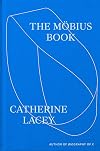
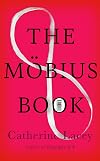
The Möbius Book
by Catherine Lacey
On This Page
Description
"A hybrid book of fiction and nonfiction centered on a series of breakups, rupturings, and endings"--Tags
Recommendations



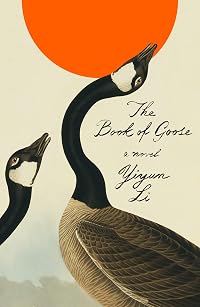
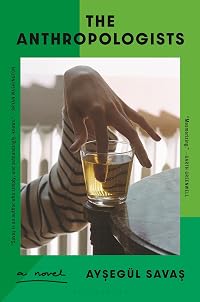
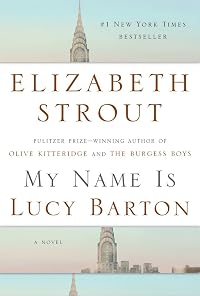
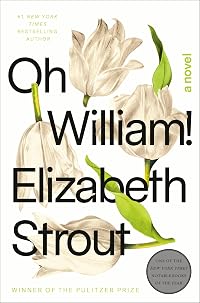




Member Recommendations
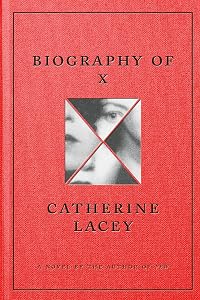
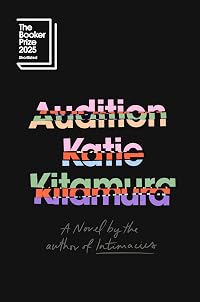
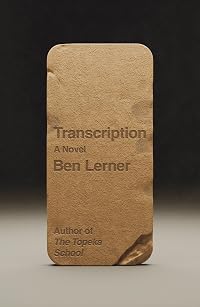
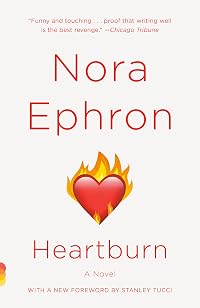
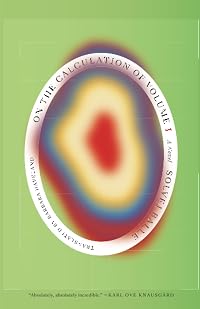
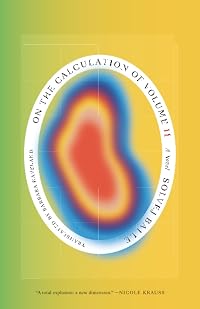
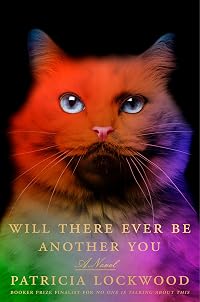
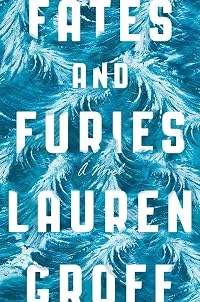
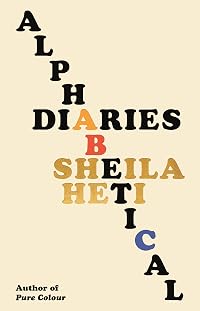
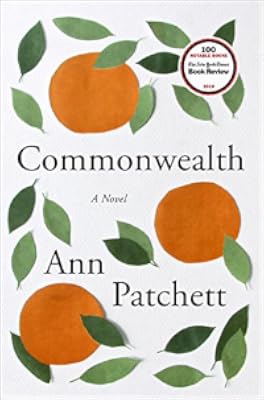
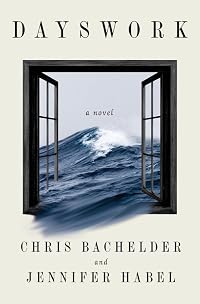
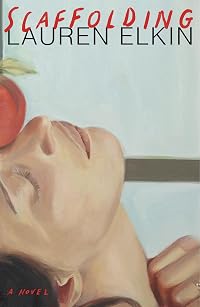
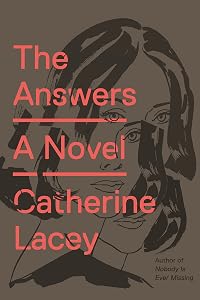
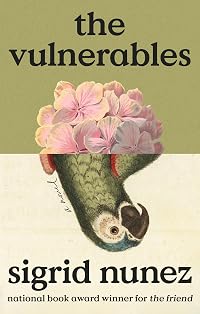
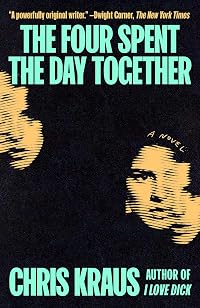
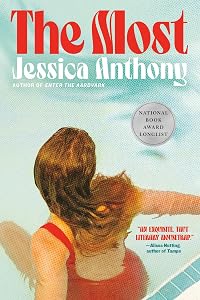
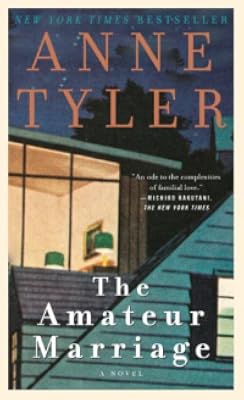
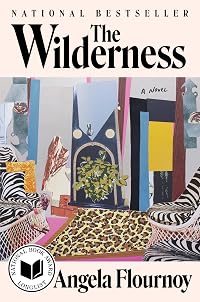
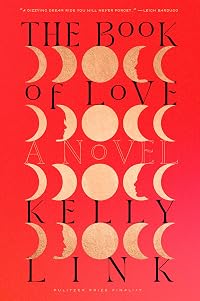
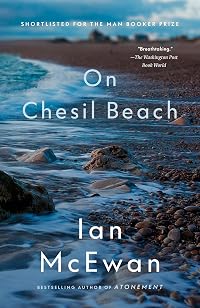
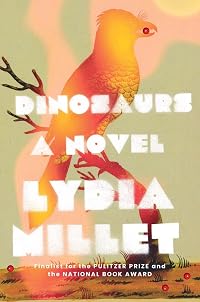
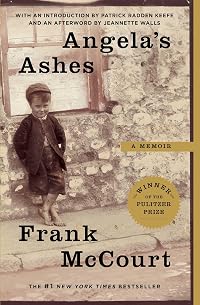
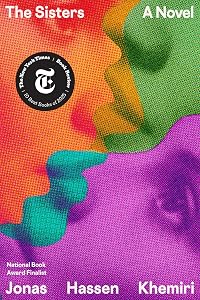
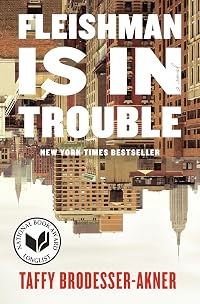
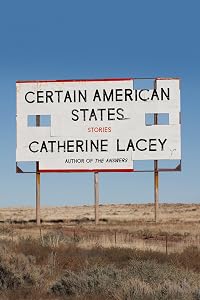
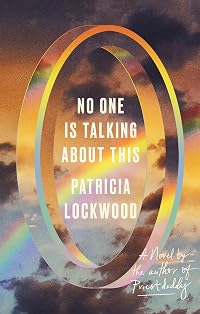
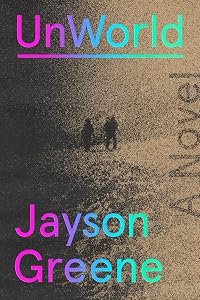
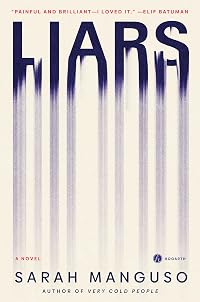
RidgewayGirl Both are auto fiction about a relationship ending.
Member Reviews
This book begins with two friends, both newly out of long-term relationships, meeting at one friend's apartment. As they talk about their lives and their friendship, one of them is continually worrying about what she thought was a pool of blood coming out of the apartment next door.
Then the book switches to a first person account, a woman was left by her partner, a man who has emotionally abused her for years, or at least a man who treated her with a callous disregard. The narrator recounts her history with the man, who she calls The Reason, as she works through the end of the relationship, her work, her past and her possible future. The novel doesn't twist back into the original story, but we see how a writer uses life experience in show more her writing, with events she recreates in her fiction, changed in various ways.
Catherine Lacey is a brilliant and intelligent writer and it's a lot of fun to see how the second section is reflected in the first. Of course, some of the interest in this book is that it details the real life dissolution of the relationship between Lacey and another writer, Jesse Ball. In this, it feels akin to Sarah Manguso's Liars, and Manguso is mentioned in this book. This is an odd hybrid of fiction and memoir which works in surprising ways, showing how art is created out of life experiences. show less
Then the book switches to a first person account, a woman was left by her partner, a man who has emotionally abused her for years, or at least a man who treated her with a callous disregard. The narrator recounts her history with the man, who she calls The Reason, as she works through the end of the relationship, her work, her past and her possible future. The novel doesn't twist back into the original story, but we see how a writer uses life experience in show more her writing, with events she recreates in her fiction, changed in various ways.
Catherine Lacey is a brilliant and intelligent writer and it's a lot of fun to see how the second section is reflected in the first. Of course, some of the interest in this book is that it details the real life dissolution of the relationship between Lacey and another writer, Jesse Ball. In this, it feels akin to Sarah Manguso's Liars, and Manguso is mentioned in this book. This is an odd hybrid of fiction and memoir which works in surprising ways, showing how art is created out of life experiences. show less
Listening to The Möbius Book in Catherine Lacey’s own voice was an intimate experience. Catherine Lacey weaves fiction and memoir into a looping narrative that blurs the lines between truth and storytelling. The first half is a moody, atmospheric fiction about two women mourning lost love. At the same time, the second is a searing personal account of Lacey’s breakup with a manipulative partner. Her reflections on grief, gaslighting, and lost faith are intense, but always compelling. The Möbius structure brilliantly mirrors the cyclical nature of trauma and healing. It’s vulnerable, self-interrogating, and formally daring, a literary gut punch that left me unsettled, impressed, and deeply moved.
There’s no figuring Catherine Lacey. I mean that in a good way, of course. This one explores the relationship between memoir and novel by combining the two into a single volume.
I mean that in terms of its actual design. Depending on how you open the book, you’re at the beginning of either a memoir or a novel. Open it one way, and it’s a novel. Flip it over and it’s a memoir. And neither has priority. Look at the spine, where you’d see the title as a giveaway to the book’s orientation. No title, just a symmetrical band reading both directions.
Why did she do this?
Combining a memoir with a work of fiction gives us a chance to see their relationship, as in the Möbius strip metaphor. The memoir isn’t “true” like some sort show more of recording of reality. It’s an experience of reality — a selection of events, feelings, and thoughts as experienced and conjured in memory. And the fiction isn’t “false” like something detached from reality — the thoughts and meanings are as real as anything that’s part of a “true” story.
Catherine Lacey has had a noisy life. Full of adventures, heartaches, betrayals, mysteries, and rebirths. You already know that if you’ve read any of her novels and stories. Her characters tend to live lives that are just as noisy, with episodes of high, almost frantic emotional activity broken up by limbo-like sabbaticals.
Her life is also noisy in a literal sense. She keeps writing about all the noise. And here, especially in the memoir, you can see why. Writing is how she lives. It’s how she comes to terms with life. If she stopped, it’s as if she would stop making sense of her life.
Once you know this, the puddle of blood on the hallway floor in the novel takes on a whole new significance. If you find a puddle of blood coming from a neighbor’s apartment door, what do you do? Do you call the police? Do you knock on the door to find out if someone needs help? Do you try to convince yourself it’s not there, or that it’s paint instead of blood? It’s a decisive moment.
None of this is to sink Lacey into the pit of “self-consuming metafiction” (a phrase I think I remember from John Barth). Lacey does say of her friend Avery while they are viewing Matisse’s painting, The Red Studio, “I love paintings of paintings, Avery said, and the moment she named this category, I loved it, too. Books about books. Films about films. Often I find myself writing about an apparent subject that is concealing an almost opposite object.”
I would read the memoir or the novel on its own, but the combination and the reflection between them takes us to an even more interesting place.
I don’t know that this book is one for everybody, or even the first one to read of Catherine Lacey’s. If you're on her train though, and I’m definitely on it, it’s pretty necessary. show less
I mean that in terms of its actual design. Depending on how you open the book, you’re at the beginning of either a memoir or a novel. Open it one way, and it’s a novel. Flip it over and it’s a memoir. And neither has priority. Look at the spine, where you’d see the title as a giveaway to the book’s orientation. No title, just a symmetrical band reading both directions.
Why did she do this?
Combining a memoir with a work of fiction gives us a chance to see their relationship, as in the Möbius strip metaphor. The memoir isn’t “true” like some sort show more of recording of reality. It’s an experience of reality — a selection of events, feelings, and thoughts as experienced and conjured in memory. And the fiction isn’t “false” like something detached from reality — the thoughts and meanings are as real as anything that’s part of a “true” story.
Catherine Lacey has had a noisy life. Full of adventures, heartaches, betrayals, mysteries, and rebirths. You already know that if you’ve read any of her novels and stories. Her characters tend to live lives that are just as noisy, with episodes of high, almost frantic emotional activity broken up by limbo-like sabbaticals.
Her life is also noisy in a literal sense. She keeps writing about all the noise. And here, especially in the memoir, you can see why. Writing is how she lives. It’s how she comes to terms with life. If she stopped, it’s as if she would stop making sense of her life.
Once you know this, the puddle of blood on the hallway floor in the novel takes on a whole new significance. If you find a puddle of blood coming from a neighbor’s apartment door, what do you do? Do you call the police? Do you knock on the door to find out if someone needs help? Do you try to convince yourself it’s not there, or that it’s paint instead of blood? It’s a decisive moment.
None of this is to sink Lacey into the pit of “self-consuming metafiction” (a phrase I think I remember from John Barth). Lacey does say of her friend Avery while they are viewing Matisse’s painting, The Red Studio, “I love paintings of paintings, Avery said, and the moment she named this category, I loved it, too. Books about books. Films about films. Often I find myself writing about an apparent subject that is concealing an almost opposite object.”
I would read the memoir or the novel on its own, but the combination and the reflection between them takes us to an even more interesting place.
I don’t know that this book is one for everybody, or even the first one to read of Catherine Lacey’s. If you're on her train though, and I’m definitely on it, it’s pretty necessary. show less
Such a strange book, but I enjoyed the deconstruction themes woven through, and how things feel as though they fall apart in many areas when one thing is coming undone.
While I found this less dazzling than "Biography Of X", it still made my mind buzz. I preferred the memoir part over the fiction part but both had their moments. I'm a fan. Everything is mixed together. I love all the thoughts in lieu of plot. There is also some novelty to how this book is structured, but I won't go into that here.
Ratings
Members
- Recently Added By
Lists

Netgalley Reads
468 works; 3 members

2026 Tournament of Books Longlist
70 works; 2 members
Author Information

10+ Works 2,349 Members
Awards and Honors
Awards
Distinctions
Classifications
Statistics
- Members
- 114
- Popularity
- 286,421
- Reviews
- 5
- Rating
- (3.58)
- Languages
- English
- Media
- Paper, Ebook
- ISBNs
- 5
- ASINs
- 1