On This Page
Description
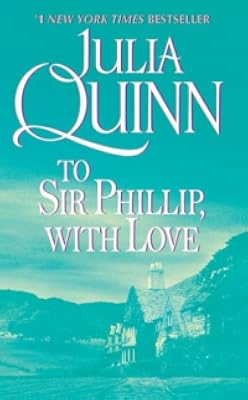
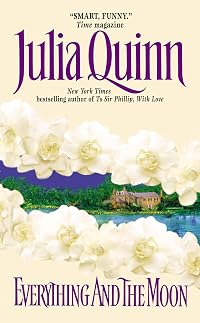
Fiction. Romance. Historical Fiction. Sir Phillip knew that Eloise Bridgerton was a spinster, and so he'd proposed, figuring that she'd be homely and unassuming, and more than a little desperate for an offer of marriage. Except . . . she wasn't. The beautiful woman on his doorstep was anything but quiet, and when she stopped talking long enough to close her mouth, all he wanted to do was kiss her . . . and more. Did he think she was mad? Eloise Bridgerton couldn't marry a man she had never show more met! But then she started thinking . . . and wondering . . . and before she knew it, she was in a hired carriage in the middle of the night, on her way to meet the man she hoped might be her perfect match. Except . . . he wasn't. Her perfect husband wouldn't be so moody and ill-mannered, and while Phillip was certainly handsome, he was a large brute of a man, rough and rugged, and totally unlike the London gentlemen vying for her hand. But when he smiled . . . and when he kissed her . . . the rest of the world simply fell away, and she couldn't help but wonder . . . could this imperfect man be perfect for her? show lessTags
Recommendations






Member Reviews
When the “Happily Ever After” Feels Like a Moral Hangover
This one was supposed to clear the air. Well, it succeeded in making it smell worse. Every single character, and every major aspect of this novel, left me with an uneasy feeling.
Eloise Bridgerton is confused, snobby, garrulous, and somehow deeply ambiguous. She runs away from what exactly? Nobody forces her into marriage but herself. After a year of merely exchanging letters, she decides to marry a stranger and be a good, obedient wife. And yet, she also strains toward what might, at the time, have passed for an “independent spinster”.
Phillip, meanwhile, basks in his self-sacrificing suffering-husband and widower roles while being emotionally estranged from his two show more eight-year-old children.
The children are neglected, abused, and basically thoroughly traumatised, which Eloise unconvincingly tries to “love away”.
Their mother, Phillip’s late wife, looms over the entire estate like a dark cloud. She’s depicted as wilfully suffering, even though it ultimately becomes clear that she suffered from severe, untreated depression. Nevertheless, for large parts of this novel, she’s the semi-present villain.
So much feels awkward and ethically problematic in this novel, I didn’t come to enjoy it at all. Sometimes one can marginalise such issues by referring to "story of its time” or “guilty pleasure” but this was neither. This was just an unpleasant waste of time.
One star out of five.
Blog | Goodreads | Facebook | Twitter | Mastodon | Instagram | Threads | StoryGraph | LibraryThing | Medium | Matrix | Tumblr
Ceterum censeo Putin esse delendam show less
This one was supposed to clear the air. Well, it succeeded in making it smell worse. Every single character, and every major aspect of this novel, left me with an uneasy feeling.
Eloise Bridgerton is confused, snobby, garrulous, and somehow deeply ambiguous. She runs away from what exactly? Nobody forces her into marriage but herself. After a year of merely exchanging letters, she decides to marry a stranger and be a good, obedient wife. And yet, she also strains toward what might, at the time, have passed for an “independent spinster”.
Phillip, meanwhile, basks in his self-sacrificing suffering-husband and widower roles while being emotionally estranged from his two show more eight-year-old children.
The children are neglected, abused, and basically thoroughly traumatised, which Eloise unconvincingly tries to “love away”.
Their mother, Phillip’s late wife, looms over the entire estate like a dark cloud. She’s depicted as wilfully suffering, even though it ultimately becomes clear that she suffered from severe, untreated depression. Nevertheless, for large parts of this novel, she’s the semi-present villain.
So much feels awkward and ethically problematic in this novel, I didn’t come to enjoy it at all. Sometimes one can marginalise such issues by referring to "story of its time” or “guilty pleasure” but this was neither. This was just an unpleasant waste of time.
One star out of five.
Blog | Goodreads | Facebook | Twitter | Mastodon | Instagram | Threads | StoryGraph | LibraryThing | Medium | Matrix | Tumblr
Ceterum censeo Putin esse delendam show less
One of my favorite Bridgerton books. Eloise has always been my favorite Bridgerton, and I loved her relationship with Penelope Featherington. Eloise always assumed Penelope would be her co-spinster and they would go through life together, and she turns away all the men who offer for her hand. But then Penelope marries Eloise's brother Colin (whom we know she has always loved.) Eloise is thrown, and in her discombobulation she runs off, unchaperoned, to visit a man she has corresponded with for a year. Phillip is a widowed Baron with properties far from the city and with 8-year-old twins. This turns out to be the second best possible ending for Eloise, the first being a marriage to Penelope, which would be impossible for a woman of noble show more birth in early 19th-century England. I was really pleased with how this played out. Eloise finds a man who appreciates her outspokenness, independence, and what would now clearly be identified as her ADHD and becomes a loving mother to Phillips's children, and then her own (in the epilogue.) The relationship between these two bruised and frightened souls is really lovely and touching. show less
I usually don't review these but I hated this one enough to come here and say skip this one. It's actually quite awful. CW: suicide, mental health, child abuse.
The rest of the review I'm gonna nest in spoiler tags in case you're not gonna heed my warning above and want to go into this one knowing nothing.
What a disappointing conclusion to Eloise's character. I really admired Eloise for being a self-assured, smart, and witty member of the Bridgerton bunch. She always demanded more from people, and the fact that she'd turned down six (maybe more?) suitors' marriage proposals gave me high hopes that her eventual match would be a worthy one. Boy, was I mistaken.
Phillip is looking for a brood mare to become a mother for his kids so he show more doesn't have to parent them. That's what he sets out to do, at least, after he's so inconvenienced by his wife's suicide. And yes, inconvenienced is the right word there. Not hurt, not even bummed out that his wife of eight freakin' years is gone. He's annoyed because Marina, his dead wife, was such a burden and drag. She was always just so sad and gloomy. She never laughed or smiled or anything! How annoying! (Heavy sarcasm here)
So Marina attempts to end her life by drowning in a lake (and she has the impolite gall to do it on a sunny day, so annoying for Phillip to now have to associate sunshine with her selfish demise), and when Phillip fishes her out she succumbs to fever a few days later. To make matters worse she's not even grateful to him for saving her life, how rude. Anyway, after waiting oh-so-patiently through the required mourning period (another inconvenience, really), Phillip sets out to find a replacement for his kids. Women are pretty easily replaceable, so it shouldn't be too bad of an ordeal.
Luckily, Marina has a rich, hot cousin named Eloise, who he writes letters to for a couple of months before proposing, again over letters. Eloise, who I'll remind you has turned down several proposals, thinks, "welp, this'll do" and heads right over. Surprise, though! When she arrives to the countryside, she finds out that Phillip has two kids he failed to mention! And Phillip balks at her surprise. Isn't it totally normal to lie-by-omission about your literal children's existence to the person you intend to marry?
Phillip is such a weak love interest too. He's really just horny, and he's glad Eloise is there because Marina wasn't bang-able with the gross chronic depression and post partumt thing. Yucky. Fortunately, Eloise is down-to-clown so they get married. There's some problems though, she's such a nag! She never stops talking! You know, the series-favorite-character who's so admired for her chatty wit and sharp mind? So freaking annoying, but women, am I right?
I forgot to mention, Phillip's entire onus for going through with the marriage officially is he's worried Eloise's brothers will kneecap him if he doesn't. Super romantic.
The culmination of the book is Phillip whining to Eloise about how much of a gosh darned drag Marina was, and how annoying it was that she never smiled or anything. She was such a bummer to be around. (For context: Phillip never loved her, he only married her because she was engaged to his brother and his brother beefed it in the war, so she was a consolation prize or something).
Seriously y'all, the treatment of depression and mental illness in general was utterly repulsive. I was absolutely disgusted by how unkind and cruel Phillip (and the narration overall) was to the subject. Eloise, both you and I know you can and should do better. Or, do you know that anymore? Has Phillip really hypnotized you by how good his bonking is?
The only redemption I think this book could possibly have is that the Netflix series has done a pretty okay job at adapting the worst parts of this series into something at least palatable. I don't necessarily have high hopes though. show less
The rest of the review I'm gonna nest in spoiler tags in case you're not gonna heed my warning above and want to go into this one knowing nothing.
Phillip is looking for a brood mare to become a mother for his kids so he
So Marina attempts to end her life by drowning in a lake (and she has the impolite gall to do it on a sunny day, so annoying for Phillip to now have to associate sunshine with her selfish demise), and when Phillip fishes her out she succumbs to fever a few days later. To make matters worse she's not even grateful to him for saving her life, how rude. Anyway, after waiting oh-so-patiently through the required mourning period (another inconvenience, really), Phillip sets out to find a replacement for his kids. Women are pretty easily replaceable, so it shouldn't be too bad of an ordeal.
Luckily, Marina has a rich, hot cousin named Eloise, who he writes letters to for a couple of months before proposing, again over letters. Eloise, who I'll remind you has turned down several proposals, thinks, "welp, this'll do" and heads right over. Surprise, though! When she arrives to the countryside, she finds out that Phillip has two kids he failed to mention! And Phillip balks at her surprise. Isn't it totally normal to lie-by-omission about your literal children's existence to the person you intend to marry?
Phillip is such a weak love interest too. He's really just horny, and he's glad Eloise is there because Marina wasn't bang-able with the gross chronic depression and post partumt thing. Yucky. Fortunately, Eloise is down-to-clown so they get married. There's some problems though, she's such a nag! She never stops talking! You know, the series-favorite-character who's so admired for her chatty wit and sharp mind? So freaking annoying, but women, am I right?
I forgot to mention, Phillip's entire onus for going through with the marriage officially is he's worried Eloise's brothers will kneecap him if he doesn't. Super romantic.
The culmination of the book is Phillip whining to Eloise about how much of a gosh darned drag Marina was, and how annoying it was that she never smiled or anything. She was such a bummer to be around. (For context: Phillip never loved her, he only married her because she was engaged to his brother and his brother beefed it in the war, so she was a consolation prize or something).
Seriously y'all, the treatment of depression and mental illness in general was utterly repulsive. I was absolutely disgusted by how unkind and cruel Phillip (and the narration overall) was to the subject. Eloise, both you and I know you can and should do better. Or, do you know that anymore? Has Phillip really hypnotized you by how good his bonking is?
The only redemption I think this book could possibly have is that the Netflix series has done a pretty okay job at adapting the worst parts of this series into something at least palatable. I don't necessarily have high hopes though. show less
Wow, how much did I hate this book? I mean, completely fucking hated? Eloise and the children were beyond delightful, and if this had just been a book about Eloise and the children I would have loved it to pieces, but no.
No it was not.
I am ridiculously upset that Eloise got stuck with a piece of shit like Sir Phillip, when all of her siblings get wonderful husbands (I assume). There is literally nothing I liked about Phillip. Nothing. I would like to be able to give him some leeway by saying that everything that he did was a product of the time period except 1) No, and 2) None of it has been in the other books, so why is it suddenly appearing in this one?
I especially liked the scene where Phillip and the Bridgerton men treated Eloise show more like chattel. Again, period appropriate, but it was never so blatant in the other books. I wish I'd had a physical copy of the book so I could've thrown it across the room.
I guess my most major problem with Phillip was that he let life happen to him, and refused to do anything to change it, and, in fact, blamed other people for his douchiness. Wife suicidal? Oh well he did everything he could and stopped caring years ago, whatevs. Doesn't know how to act around his children? Obvs. avoid them and mope about it instead of doing something.
Also: the bit that really stuck with me, besides the chattel scene, was the bit where Phillip tells Eloise that their marriage was perfection to him, so she couldn't complain about anything. And suddenly it all becomes clear: the other men in the other books understood that a marriage involves two real people. To Phillip, the marriage was all about him.
From a queer perspective: Holy shit Eloise totally only got married because Penelope did, which meant the person she shipped herself with was completely unattainable and she couldn't bear the thought of being lonely for the rest of her life. That is fucked up. show less
No it was not.
I am ridiculously upset that Eloise got stuck with a piece of shit like Sir Phillip, when all of her siblings get wonderful husbands (I assume). There is literally nothing I liked about Phillip. Nothing. I would like to be able to give him some leeway by saying that everything that he did was a product of the time period except 1) No, and 2) None of it has been in the other books, so why is it suddenly appearing in this one?
I especially liked the scene where Phillip and the Bridgerton men treated Eloise show more like chattel. Again, period appropriate, but it was never so blatant in the other books. I wish I'd had a physical copy of the book so I could've thrown it across the room.
I guess my most major problem with Phillip was that he let life happen to him, and refused to do anything to change it, and, in fact, blamed other people for his douchiness. Wife suicidal? Oh well he did everything he could and stopped caring years ago, whatevs. Doesn't know how to act around his children? Obvs. avoid them and mope about it instead of doing something.
Also: the bit that really stuck with me, besides the chattel scene, was the bit where Phillip tells Eloise that their marriage was perfection to him, so she couldn't complain about anything. And suddenly it all becomes clear: the other men in the other books understood that a marriage involves two real people. To Phillip, the marriage was all about him.
From a queer perspective: Holy shit Eloise totally only got married because Penelope did, which meant the person she shipped herself with was completely unattainable and she couldn't bear the thought of being lonely for the rest of her life. That is fucked up. show less
I was so curious to read Elouise's love story because she is such a fiercely independent woman and I couldn't imagine who she would end up. Her romance is as improbable and unconventional as I anticipated - she becomes pen pals with a man she's never met (she wrote him a condolence letter after the death of his wife who happened to be her cousin) and he proposes marriage. At first she is annoyed and flabbergasted but when her best friend and fellow spinster, Penelope, gets married - she's feeling very alone. She decides to sneak away to meet him and see if he's the marrying sort. What Sir Phillip neglected to tell her was that he had two rambunctious twins who can't manage to stay out of trouble. He's looking for a new mother for them show more rather than a wife - but maybe they'll find there could be more to the relationship. show less
Redemption! To Sir Phillip with Love is so much better than Romancing Mister Bridgerton. I totally understood Sir Phillip Crane, although his actions weren't always admirable. I, too, have avoided activities that brought painful memories. And I understood Eloise, having seen so many of my friends happily married while I stood on the sidelines hoping for my own true love. And I understand how communicating by the written word comes so much easier than talking. In addition, this could be a description of me: "Her mother had once told her that she could catch more flies with honey than a sledgehammer, but Eloise never could learn to keep her thoughts to herself."
As with any Regency, the question is how does our couple finally get together. show more The secondary question for a quickly arranged marriage is how does the couple realize they truly both are in love. These are the hooks that kept my interest throughout the novel. I was quite pleased with the novel; the only problem is that I read it too quickly and far too late into the night.
This is highly recommended for folks who like steamier Regencies. It can be read as a stand-alone novel but is better read in order. I have already gotten the next book in the series. show less
As with any Regency, the question is how does our couple finally get together. show more The secondary question for a quickly arranged marriage is how does the couple realize they truly both are in love. These are the hooks that kept my interest throughout the novel. I was quite pleased with the novel; the only problem is that I read it too quickly and far too late into the night.
This is highly recommended for folks who like steamier Regencies. It can be read as a stand-alone novel but is better read in order. I have already gotten the next book in the series. show less
Eloise strikes up a correspondence with Sir Phillip after the death of his wife, her cousin Marina. Marina had depression and died by suicide, leaving her eight-year-old twins - but Sir Phillip doesn't mention either fact when he invites Eloise to come visit to see if they will "suit." Eloise, who has turned down a number of marriage proposals from London gentlemen, leaves under cover of her sister Daphne's ball and arrives in Gloucester without enough warning for Sir Phillip to arrange for a chaperone, as he had offered; they don't get off to a brilliant start, and Eloise is shocked he never mentioned his children in any of his letters. However, as one of eight siblings herself, she knows how to deal with children much better than Sir show more Phillip, who avoids them because he's afraid of repeating his abusive father's mistakes.
As Eloise and Sir Phillip have a "one step forward, two steps back" type of courtship, Eloise's four brothers discover her whereabouts and descend. Sir Phillip survives the encounter, but now he and Eloise have no choice but to marry. Eloise isn't necessarily opposed, but she wished for a love match and isn't sure this is it. Does Phillip want a wife, or a mother for his children? Of course, despite hiccups, the two do "suit," and after pranking her with a bucket of flour, Amanda and Oliver welcome Eloise.
Quotes
She was the sort of woman whose expressions made her beautiful. (ch. 3)
She hated that her family was trying to run her life, no matter how well intentioned they were, and it had left her feeling sullen and uncooperative. (ch. 11)
She had spent her adult life making her own choices....Maybe that was why it now felt so unbearable to be forced onto a path before she was ready. (ch. 11)
"My children never disappoint me," [Violet] said softly. "They merely...astonish me. I believe I like it that way." (ch. 14)
All her life, she'd known what to do. She hadn't always turned out to be right, but at least she'd felt sure of herself when she had made her decisions....,for her, at least, it was a great deal better to act and be wrong than it was to feel helpless and impotent. (ch. 16)
It had never occurred to me to wish for something I already had. (Amanda, 2nd epilogue) show less
As Eloise and Sir Phillip have a "one step forward, two steps back" type of courtship, Eloise's four brothers discover her whereabouts and descend. Sir Phillip survives the encounter, but now he and Eloise have no choice but to marry. Eloise isn't necessarily opposed, but she wished for a love match and isn't sure this is it. Does Phillip want a wife, or a mother for his children? Of course, despite hiccups, the two do "suit," and after pranking her with a bucket of flour, Amanda and Oliver welcome Eloise.
Quotes
She was the sort of woman whose expressions made her beautiful. (ch. 3)
She hated that her family was trying to run her life, no matter how well intentioned they were, and it had left her feeling sullen and uncooperative. (ch. 11)
She had spent her adult life making her own choices....Maybe that was why it now felt so unbearable to be forced onto a path before she was ready. (ch. 11)
"My children never disappoint me," [Violet] said softly. "They merely...astonish me. I believe I like it that way." (ch. 14)
All her life, she'd known what to do. She hadn't always turned out to be right, but at least she'd felt sure of herself when she had made her decisions....,for her, at least, it was a great deal better to act and be wrong than it was to feel helpless and impotent. (ch. 16)
It had never occurred to me to wish for something I already had. (Amanda, 2nd epilogue) show less
Members
- Recently Added By
Lists

Books Read in 2023
5,638 works; 147 members

Books - Quinn, Julia: Bridgerton
9 works; 1 member
Author Information

106+ Works 77,591 Members
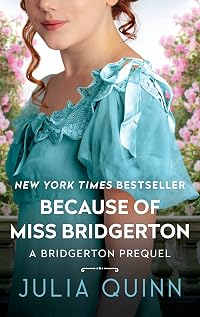
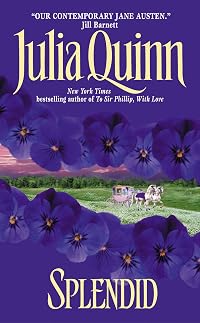
Julia Quinn is the pseudonym used by Julie Pottinger (born Julie Cotler in 1970), a best-selling American historical romance author. Pottinger grew up in the New England and California. She has appeared on the New York Times Bestseller List nine times. Pottinger went to Harvard and majored in Art History. After getting this degree, she decided show more that she wanted to be a doctor, so she had to complete two more years of college to fulfill her science credits. While studying science, she drafted two romance novels. A few weeks after she was accepted to medical school, she discovered that her first two novels, Splendid and Dancing At Midnight, had been sold at auction, so she postponed medical school for two years while she wrote two more novels. By the time Pottinger finally entered Yale medical school, three of her books had been published. After only a few short months of studying medicine, however, she left medical school and devoted herself full-time to her writing. Pottinger lives in the Pacific Northwest with her husband, Paul Pottinger. She was the recipient of the Romance Writers of America RITA Award in 2007 for "On the Way to the Wedding" and in 2008 for "The Secret Diaries of Miss Miranda Cheever". In 2015 her novel, The Secrets of Sir Richard Kenworthy made the New York Times bestseller list. Julia's title, Because of Miss Bridgerton, is a April 2016 New York Times bestseller. (Bowker Author Biography) show less
Some Editions
Awards and Honors
Distinctions
Series

Work Relationships
Is contained in
Has as a supplement
Common Knowledge
- Canonical title
- To Sir Phillip, with Love
- Original title
- To Sir Phillip, with Love
- Alternate titles
- The Importance of Being Eloise
- Original publication date
- 2003-07
- People/Characters
- Eloise Bridgerton; Sir Phillip Crane; Colin Bridgerton; Amanda Crane; Oliver Crane; Benedict Bridgerton (show all 9); Gregory Bridgerton; Sophie Bridgerton; Anthony Bridgerton, Viscount Bridgerton
- Important events
- Georgian Era (1714 | 1837)
- Dedication
- For Stefanie and Randall Hargreaves-- You opened your home, you showed us your town, you stored our stuff, and when we arrived, you had a care package waiting on the porch.
And when I really needed someone, I knew exactly ... (show all)who to call.
And also for Paul, this time Because. It's always really Because. - First words
- It was ironic, really, that it had happened on such a sunny day.
- Last words
- (Click to show. Warning: May contain spoilers.)We are all so delighted to make your acquaintance.
—from Eloise, Lady Crane,
to her daughter Penelope,
upon the occasion of her birth
(Click to show. Warning: May contain spoilers.)(2nd Epilogue) And the prize was lovely, indeed. - Original language
- English
- Canonical DDC/MDS
- 813.54
- Canonical LCC
- PS3567.U3455
Classifications
Statistics
- Members
- 4,814
- Popularity
- 2,967
- Reviews
- 91
- Rating
- (3.73)
- Languages
- 14 — Czech, Danish, Dutch, English, Estonian, French, German, Hungarian, Italian, Polish, Spanish, Swedish, Portuguese (Portugal), Portuguese (Brazil)
- Media
- Paper, Audiobook, Ebook
- ISBNs
- 72
- ASINs
- 23