On This Page
Description
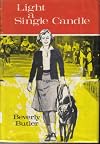
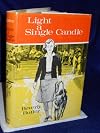
Kathy, though only 14, must adjust to the onset of blindness.Tags
Recommendations



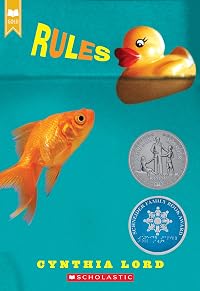

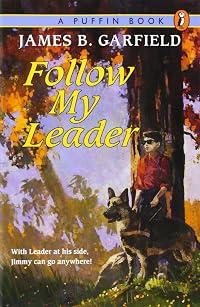
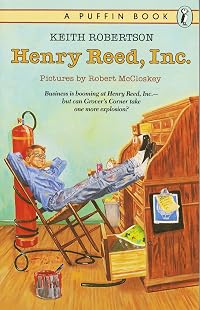



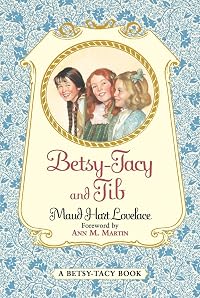
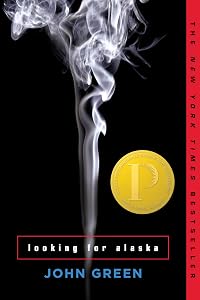


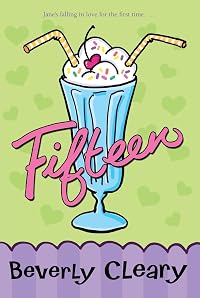

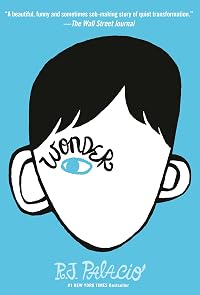

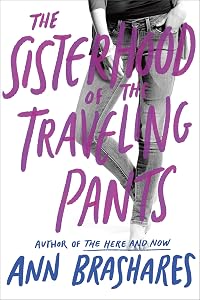

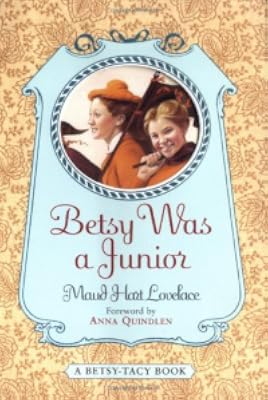
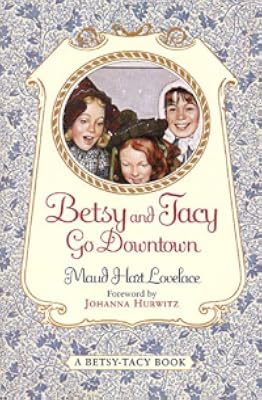
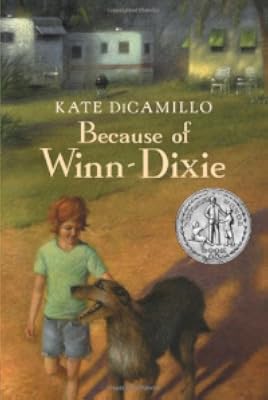


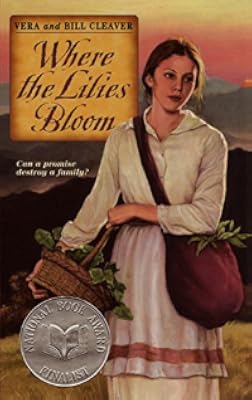


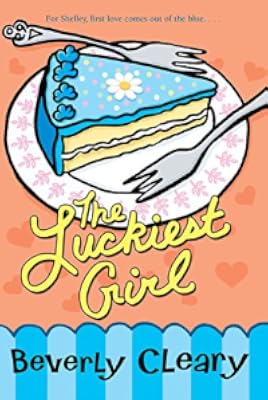
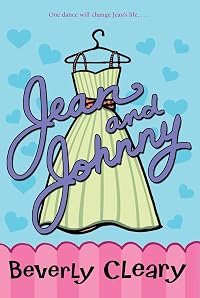


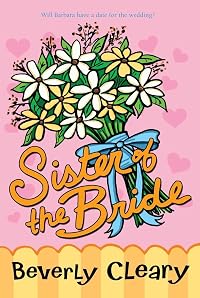




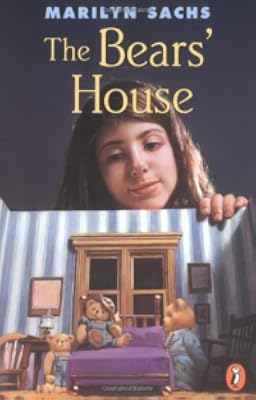


Member Recommendations


bookel Light a Single Candle (Sequel: Gift of Gold)


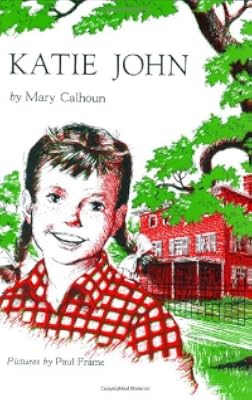
JenniferRobb Both books deal with a girl wanting to be "normal"--Carlson's protagonist Aster wants to be able to go on a date without having to take her sister along and to have a best friend. Butler's protagonist Cathy wants to be able to ride her bike like she used to and to have her best friend treat her as he used to.

JenniferRobb For those interested in the blindness storyline of "A Light in the Dark", "Light a Single Candle" follows the story of a teen who loses her sight and the adjustments she needs to make.
Member Reviews
I have forgotten how many times I read this book as a pre-teen and teenager. And how gripping it is all these decades later is a testament not just to its subject matter, but also its writing style. I'm sure much of it is autobiographical, if not sequentially then at least through interactions in Ms. Butler's life.
The story begins with Cathy's 14th birthday and her brand-new set of pastels for her dreams of becoming an artist. A few weeks later, though, she is in the hospital for a necessary operation on her eyes due to glaucoma's pressure on her optic nerve. And once the bandages come off, she is blind.
Her life adjusts, her family accommodates her recovery, including finding Talking Books for the Blind at the local library that she show more could play on her family's record player. Interesting how "audiobooks" are just elements of everyday reading life since these books were checked out and sent back by Post!
Cathy chooses to attend the Institute for the Blind in Burton, about 100 miles from her home, after her best friend, Pete, cuts her out of his birthday party. Her experiences with her dorm mates, the low level of instruction, and the pettiness of the administrator, Miss "Creepy" Creel, are very well-described. Trying to understand this new world throws her into a depression, from which she emerges ready to go back to her local high school.
The next portion of this book goes into her month-long training with her guide dog, Trudy. Again, Cathy is talked out of doing what she originally intended (bringing Trudy with her to school) by another schoolmate. This so-called friend's do-gooding attitude wears thin after a month or so, and as one would guess, Trudy and Cathy enter school with minimal fuss.
I was surprised upon re-reading this book that it held up as well as it had over 60+ years. The insights Ms. Butler has into the people she encounters (through Cathy) are realistic and as relevant as when they were written. Glad I still have my copy even though the pages are falling out of their binding! show less
The story begins with Cathy's 14th birthday and her brand-new set of pastels for her dreams of becoming an artist. A few weeks later, though, she is in the hospital for a necessary operation on her eyes due to glaucoma's pressure on her optic nerve. And once the bandages come off, she is blind.
Her life adjusts, her family accommodates her recovery, including finding Talking Books for the Blind at the local library that she show more could play on her family's record player. Interesting how "audiobooks" are just elements of everyday reading life since these books were checked out and sent back by Post!
Cathy chooses to attend the Institute for the Blind in Burton, about 100 miles from her home, after her best friend, Pete, cuts her out of his birthday party. Her experiences with her dorm mates, the low level of instruction, and the pettiness of the administrator, Miss "Creepy" Creel, are very well-described. Trying to understand this new world throws her into a depression, from which she emerges ready to go back to her local high school.
The next portion of this book goes into her month-long training with her guide dog, Trudy. Again, Cathy is talked out of doing what she originally intended (bringing Trudy with her to school) by another schoolmate. This so-called friend's do-gooding attitude wears thin after a month or so, and as one would guess, Trudy and Cathy enter school with minimal fuss.
I was surprised upon re-reading this book that it held up as well as it had over 60+ years. The insights Ms. Butler has into the people she encounters (through Cathy) are realistic and as relevant as when they were written. Glad I still have my copy even though the pages are falling out of their binding! show less
I swear to the Flying Spaghetti Monster, I'm catching up on my reviews this month if it kills me.
(Okay, no. I love Goodreads and I'm all about meeting my book challenge, but I think death is a little drastic.)
I hereby aver that I'm going to try to catch up on my reviews, as long as the tasks I skip in order to do so are nonessential, like housecleaning and fretting.
(Much better.)
Okay: I reread this old childhood favorite a couple of months ago as a brain-break. It stands the test of time well – it was published in 1962. Which isn't all that long ago, but it's long enough that there are the occasional little awkward word choices. ("She supposed her nose must have been sniffing these odors for her all her life, otherwise she wouldn't show more recognize them so surely and easily, but until these past few days, she'd never paid much attention to them. It was queer." It actually wasn't at all. It was just kind of odd. These things happen.)
And of course there are technology quirks. This is way before books on tape, so when fourteen-year-old Cathy loses her vision, she has to get special equipment in order to be able to read. She learns Braille; but as everyone who's ever tried to read for pleasure without benefit of vision knows, recorded books are a lifesaver – much faster than bump-reading. So Cathy gets a "talking book machine" and the special records to go with it.
I remember all this equipment from a couple of decades ago, when I lived and worked in a home for severely disabled children. I was the only program aide there who liked to read, so I was the one who figured out that those records only worked on the talking book machine, which was basically a record player with a weird spinning speed. (I figured that out by trying those discs on my own little stereo. Amusing, but not exactly reading. But I digress.)
So, yes, this is a bit of a period piece – and yes, I feel weird saying that about a book published in the decade in which I was born. But the basic issues grappled with here are still of vital interest: namely, the tendency for the currently-able-bodied to feel deeply uncomfortable in the presence of the disabled, and for that discomfort to express itself in all sorts of offensive ways. Cathy's best friend Pete drops out of Cathy's life when she comes home sightless from what was supposed to be vision-saving surgery. A neighbor gushes over what she considers Cathy's newfound superpowers:
"Isn't Nature marvelous? Lose your sight, and, immediately, Nature sharpens the rest of your senses to where they're practically superhuman to compensate for it. It's a miracle that just seems to happen overnight!"
This same neighbor is equally adorable while speaking to Cathy's mother when she thinks Cathy is out of earshot, after Cathy and her younger brother have announced their intention to try riding their bikes together on their quiet street:
"Susan Wheeler, I don't see how you dare! If I had a child like that, I'd put her in an institution where she would be with her own kind, and I'd know she was safe and in trained hands. I wouldn't have the responsibility of keeping her at home."
Then there's Joan, the girl who offers "friendship" and assistance with Cathy's school-reading load, when what she really wants is the virtuous credit of being such a wonderful person – helping out that poor blind girl!
Cathy has enough to do coming to terms with what it means to be blind in a sighted world, especially when that means putting aside her cherished dreams of becoming an artist. She learns that it's just as much work to learn how not to go nuts from the condescension and general stupidity aimed her way by much of the sighted world.
Light a Single Candle is one of those YA books that's a terrific read for all ages. It feels like a modern classic, and I suppose it'll be considered a just-plain classic soon enough. Unlike many classics, this one's a lot of fun to read. If you haven't had the pleasure, treat yourself. show less
(Okay, no. I love Goodreads and I'm all about meeting my book challenge, but I think death is a little drastic.)
I hereby aver that I'm going to try to catch up on my reviews, as long as the tasks I skip in order to do so are nonessential, like housecleaning and fretting.
(Much better.)
Okay: I reread this old childhood favorite a couple of months ago as a brain-break. It stands the test of time well – it was published in 1962. Which isn't all that long ago, but it's long enough that there are the occasional little awkward word choices. ("She supposed her nose must have been sniffing these odors for her all her life, otherwise she wouldn't show more recognize them so surely and easily, but until these past few days, she'd never paid much attention to them. It was queer." It actually wasn't at all. It was just kind of odd. These things happen.)
And of course there are technology quirks. This is way before books on tape, so when fourteen-year-old Cathy loses her vision, she has to get special equipment in order to be able to read. She learns Braille; but as everyone who's ever tried to read for pleasure without benefit of vision knows, recorded books are a lifesaver – much faster than bump-reading. So Cathy gets a "talking book machine" and the special records to go with it.
I remember all this equipment from a couple of decades ago, when I lived and worked in a home for severely disabled children. I was the only program aide there who liked to read, so I was the one who figured out that those records only worked on the talking book machine, which was basically a record player with a weird spinning speed. (I figured that out by trying those discs on my own little stereo. Amusing, but not exactly reading. But I digress.)
So, yes, this is a bit of a period piece – and yes, I feel weird saying that about a book published in the decade in which I was born. But the basic issues grappled with here are still of vital interest: namely, the tendency for the currently-able-bodied to feel deeply uncomfortable in the presence of the disabled, and for that discomfort to express itself in all sorts of offensive ways. Cathy's best friend Pete drops out of Cathy's life when she comes home sightless from what was supposed to be vision-saving surgery. A neighbor gushes over what she considers Cathy's newfound superpowers:
"Isn't Nature marvelous? Lose your sight, and, immediately, Nature sharpens the rest of your senses to where they're practically superhuman to compensate for it. It's a miracle that just seems to happen overnight!"
This same neighbor is equally adorable while speaking to Cathy's mother when she thinks Cathy is out of earshot, after Cathy and her younger brother have announced their intention to try riding their bikes together on their quiet street:
"Susan Wheeler, I don't see how you dare! If I had a child like that, I'd put her in an institution where she would be with her own kind, and I'd know she was safe and in trained hands. I wouldn't have the responsibility of keeping her at home."
Then there's Joan, the girl who offers "friendship" and assistance with Cathy's school-reading load, when what she really wants is the virtuous credit of being such a wonderful person – helping out that poor blind girl!
Cathy has enough to do coming to terms with what it means to be blind in a sighted world, especially when that means putting aside her cherished dreams of becoming an artist. She learns that it's just as much work to learn how not to go nuts from the condescension and general stupidity aimed her way by much of the sighted world.
Light a Single Candle is one of those YA books that's a terrific read for all ages. It feels like a modern classic, and I suppose it'll be considered a just-plain classic soon enough. Unlike many classics, this one's a lot of fun to read. If you haven't had the pleasure, treat yourself. show less
When Cathy lost her sight at the age of fourteen, she faced a very different way of life. It took courage and alertness to explore a new, uncharted world where her other senses had to take over the work of her eyes. But adjusting to blindness was often easier than handling the reactons of people. One friend now avoided her. Another smothered Cathy with too much kindness.
Then came the thrill of independence after completing a tough training course with Trudy, her wonderful guide dog. With her new freedom of movement, Cathy accepted the challenge of going back to public high school.
Then came the thrill of independence after completing a tough training course with Trudy, her wonderful guide dog. With her new freedom of movement, Cathy accepted the challenge of going back to public high school.
What a refreshing change from Follow My Leader, which I finished a few days ago. This is a much fuller very real character. Good story, real issues and real solutions. This author lost her sight and I think her insights really helped make this book real. I liked it a lot.
Cathy Wheeler is an average 14 year old with a love of life and plans for the future. Suddenly she loses her sight, and finds herself attempting to adjust to the changed attitudes of her friends and the suggestions by those who know "what's best for a blind child".
The book takes us through almost two years of adjustment and growth from the days prior to her loss of sight, to her independence, despite predictions of failure by others.
"Light a Single Candle" and its sequel, "Gift of Gold", were written by Beverly Butler, who lost her sight at about the same age as her protagonist.
Good entertaining and inspirational read for middle grammar through adulthood.
The book takes us through almost two years of adjustment and growth from the days prior to her loss of sight, to her independence, despite predictions of failure by others.
"Light a Single Candle" and its sequel, "Gift of Gold", were written by Beverly Butler, who lost her sight at about the same age as her protagonist.
Good entertaining and inspirational read for middle grammar through adulthood.
This was a really good book. From when I was in Junior High, and apparently (from the books I have kept from that time) obsessed with death, disease, and other forms of mischance in youth - like this one!
A revealing novel about what happens and how a teenager feels when she loses her sight at age 14--and how others around her react.
Members
- Recently Added By
Lists

Favorite Childhood Books
1,651 works; 519 members

Blind/vision impaired author + characters -- children's/YA fiction
21 works; 2 members

Dogs -- children's/young adult fiction
1,317 works; 9 members
Honey For a Child's Heart
1,152 works; 25 members

Two faces on cover -- children's/young adult fiction
120 works; 2 members

German shepherd dogs -- children's/young adult fiction
102 works; 1 member
Author Information

15 Works 718 Members
Awards and Honors
Series

Common Knowledge
- Original publication date
- 1960
- People/Characters
- Cathy Wheeler; Trudy (dog); Mark Wheeler; Pete Sheridan; Miss Creel; Earl Lee (show all 8); Joan Norton; Steve Hubert
- Important places
- State School for the Blind at Burton
- Dedication
- To Sister Mary Hester, Dorothy M. Bryan, and my father, all of whom wanted this book
- First words
- Gravel spattered as Cathy spun her bike around the corner of the alley and coasted full speed toward the blackness that was the open garage door.
- Last words
- (Click to show. Warning: May contain spoilers.)And together they broke into a run
Classifications
- Genres
- Fiction and Literature, Teen, Children's Books, Young Adult
- DDC/MDS
- 813.54 — Literature & rhetoric American literature in English American fiction in English 1900-1999 1945-1999
- LCC
- PZ7 .B974 .L — Language and Literature Fiction and juvenile belles lettres Fiction and juvenile belles lettres Juvenile belles lettres
- BISAC
Statistics
- Members
- 263
- Popularity
- 123,651
- Reviews
- 7
- Rating
- (4.00)
- Languages
- English
- Media
- Paper
- ISBNs
- 9
- ASINs
- 4