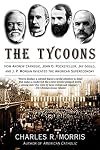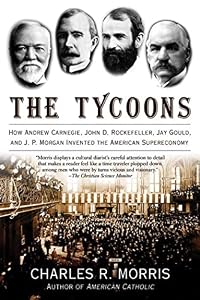
The Tycoons: How Andrew Carnegie, John D. Rockefeller, Jay Gould, and J. P. Morgan Invented the American Supereconomy
by Charles R. Morris
On This Page
Description
The modern American economy was the creation of four men: Andrew Carnegie, John D. Rockefeller, Jay Gould, and J. P. Morgan. They were the giants of the Gilded Age, a moment of riotous growth that established America as the richest, most inventive, and most productive country on the planet.Acclaimed author Charles R. Morris vividly brings these men and their times to life. The ruthlessly competitive Carnegie, the imperial Rockefeller, and the provocateur Gould were obsessed with progress, show more experiment, and speed. They were balanced by Morgan, the gentleman businessman, who fought, instead, for a global trust in American business. Through their antagonism and verve, they built an industrial behemoth—and a country of middle-class consumers. The Tycoons tells the incredible story of how these four determined men wrenched the economy into the modern age, inventing a nation of full economic participation that could not have been imagined only a few decades earlier.
. show less
Tags
Recommendations
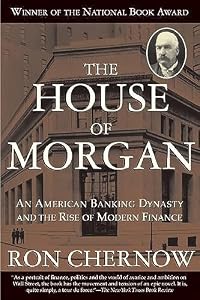
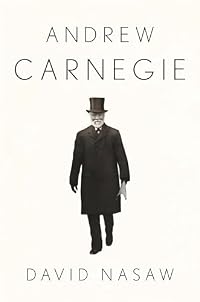
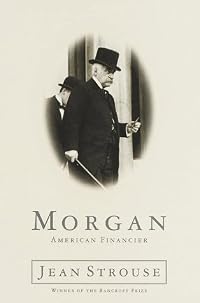
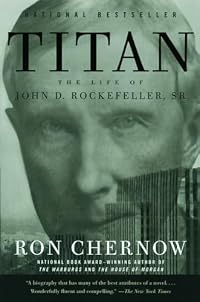
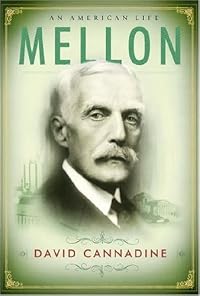
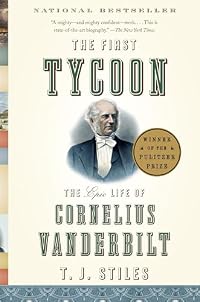
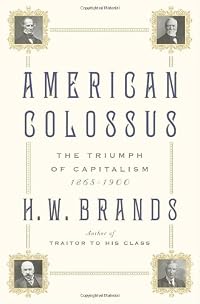
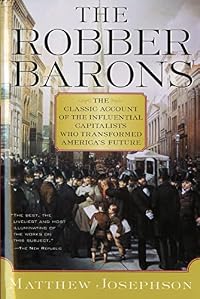

Member Reviews
The premise of this history of business and industrial development between the Civil War and WWI is that four men—Andrew Carnegie, John D. Rockefeller, Jay Gould, and J. P. Morgan—played THE dominant roles in transforming the way goods were manufactured and distributed. The book is is a good exposition of that history in general. The contributions of the four tycoons are highlighted, but so is the truth that "the American supereconomy"—a late 20th century concept in my opinion—is hardly a result of any particular individuals. It’s a collective achievement.
Carnegie was diminutive, smart, resourceful, devious, imperious, driven. He had a vision of steel manufacture that was bigger, faster, continuous. His factories were mammoth show more and were shaped by the newest technology. His cost cutting was relentless. Despite soaring profits—and despite pro-labor columns he wrote and published in Scottish newspapers he owned—he sought to cut wages, stubbornly willing to endure disruptive strikes. Carnegie Steel was the biggest and most profitable steel producer at the turn of the 20th century.
Rockefeller mastered vertical integration, controlling oil practically from well-head to the retail customer. His Standard Oil Company owned the rail cars that moved the crude from the oil fields to his refineries. The same cars further transported the refined product to Standard’s regional depots, and Standard workers carried it directly to retailers. Generally, he worked quickly, quietly, methodically, fairly, and without rancor. To swallow a competitor, he'd offer a fair price and would often bring the firm's executives into his Standard Oil operation. Anyone who rejected an offer would find his business cut off from suppliers and customers.
Gould was a consummate Wall Street manipulator. He was a master at concealing his purchases and sales of stock; one day he’d suddenly be in control of some key asset, disrupting monopolistic deals among competitors intended to control routes and rates. Contrary to legend, Gould wasn’t a railroad looter, rather he sometimes put more money into a railroad. He was focused on progress, experiment, and speed.
Morgan was the premier financier and banker of that time. His father was a leading banker and financier, and J.P. followed in his footsteps. While he seldom innovated in industry, he arbitrated the propositions and innovated ways of financing projects he approved. What he valued was market stability, and if he had to sideline a mover-and-shaker to achieve or maintain that stability, well, so be it.
For the most part, The Tycoons was excellent. The passages describing the financial jiggery-pokery were opaque to me. I just didn't know what the author, a one-time banker, was writing about, didn't know the terminology. On the other hand, the author wrote good sections on actually achieving the manufacture of truly replaceable parts, on Carnegie's disruptive status as a steel tycoon, on Morgan's endeavor to launch U. S. Steel as a means of shutting out Andy the Disruptor and calming and stabilizing that segment of the industrial economy. I enjoyed too the description of Frederick Taylor's bamboozling of many industrialists with his time-and-motion studies; the bosses wanted to cut wages, and Taylor's consultations provided a scientific gloss to what they wanted to do.
A good read, if somewhat dry in spots.
The author, Charles R. Morris, has written eight other books, including [Money, Greed, and Risk] and [American Catholic]. He is a banker and lawyer, as well as a historian. show less
Carnegie was diminutive, smart, resourceful, devious, imperious, driven. He had a vision of steel manufacture that was bigger, faster, continuous. His factories were mammoth show more and were shaped by the newest technology. His cost cutting was relentless. Despite soaring profits—and despite pro-labor columns he wrote and published in Scottish newspapers he owned—he sought to cut wages, stubbornly willing to endure disruptive strikes. Carnegie Steel was the biggest and most profitable steel producer at the turn of the 20th century.
Rockefeller mastered vertical integration, controlling oil practically from well-head to the retail customer. His Standard Oil Company owned the rail cars that moved the crude from the oil fields to his refineries. The same cars further transported the refined product to Standard’s regional depots, and Standard workers carried it directly to retailers. Generally, he worked quickly, quietly, methodically, fairly, and without rancor. To swallow a competitor, he'd offer a fair price and would often bring the firm's executives into his Standard Oil operation. Anyone who rejected an offer would find his business cut off from suppliers and customers.
Gould was a consummate Wall Street manipulator. He was a master at concealing his purchases and sales of stock; one day he’d suddenly be in control of some key asset, disrupting monopolistic deals among competitors intended to control routes and rates. Contrary to legend, Gould wasn’t a railroad looter, rather he sometimes put more money into a railroad. He was focused on progress, experiment, and speed.
Morgan was the premier financier and banker of that time. His father was a leading banker and financier, and J.P. followed in his footsteps. While he seldom innovated in industry, he arbitrated the propositions and innovated ways of financing projects he approved. What he valued was market stability, and if he had to sideline a mover-and-shaker to achieve or maintain that stability, well, so be it.
For the most part, The Tycoons was excellent. The passages describing the financial jiggery-pokery were opaque to me. I just didn't know what the author, a one-time banker, was writing about, didn't know the terminology. On the other hand, the author wrote good sections on actually achieving the manufacture of truly replaceable parts, on Carnegie's disruptive status as a steel tycoon, on Morgan's endeavor to launch U. S. Steel as a means of shutting out Andy the Disruptor and calming and stabilizing that segment of the industrial economy. I enjoyed too the description of Frederick Taylor's bamboozling of many industrialists with his time-and-motion studies; the bosses wanted to cut wages, and Taylor's consultations provided a scientific gloss to what they wanted to do.
A good read, if somewhat dry in spots.
The author, Charles R. Morris, has written eight other books, including [Money, Greed, and Risk] and [American Catholic]. He is a banker and lawyer, as well as a historian. show less
The full title is The Tycoons: How Andrew Carnegie, John D. Rockefeller, Jay Gould and J.P. Morgan Invented the American Supereconomy. This is a very interesting book focusing on the post civil war era into the the early 1900s. I learned so much about financing, railroads, steel, and manufacturing. My conception of JP Morgan changed for the better and my view of Carnegie, and Gould changed for the worst, though my knowledge of them all was very limited. My opinion of Rockefeller stayed the same.
The reason for giving it a higher rating: I felt this book was all over the place. It was not organized very well and was not linear. I agree with one review that stated something similar to: this was two great books compressed into one show more disorganized book. show less
The reason for giving it a higher rating: I felt this book was all over the place. It was not organized very well and was not linear. I agree with one review that stated something similar to: this was two great books compressed into one show more disorganized book. show less
Unfortunately, Charles R. Morris' argument on how these tycoons "invented" the American economy is not structured well and is not fully developed. I will say that it is a good introduction to who these tycoons REALLY were (because there are tons of myths about them) and the time in which they grew up, but he fails at making the connection to how they "invented" the American economy that we know today. Most of the book discusses events that don't necessarily have anything to do with what he is trying to argue.
Carnegie, Andrew (Subject); Rockefeller, John D (Subject); Gould, Jay (Subject); Morgan, J P (Subject)
경제,비즈니스
Uma nova perspectiva sobre a era dos magnatas
"Os Magnatas" de Charles R. Morris me surpreendeu de várias formas. Confesso que esperava um livro com foco nas biografias dos grandes empresários americanos, com detalhes sobre suas vidas pessoais, seus desafios e suas motivações. No entanto, o livro me proporcionou uma imersão muito mais profunda na história econômica da época, revelando como esses magnatas, como J.P. Morgan, Andrew Carnegie, John D. Rockefeller e Jay Gould, moldaram a economia americana e o mundo.
Morris nos apresenta um panorama fascinante da história da administração, mostrando como as ideias de Frederick Taylor, conhecido como o pai da administração científica, influenciaram as práticas de gestão das show more empresas da época. O autor também nos convida a refletir sobre as críticas ao Taylorismo, que apontavam para a desumanização do trabalho e a excessiva preocupação com a eficiência.
Apesar de não ter encontrado tantas informações sobre a vida pessoal dos magnatas, como esperava, o livro me proporcionou um novo entendimento sobre o impacto de suas decisões e ações na economia e na sociedade. Morris nos mostra como esses homens, com suas ambições e visões, foram capazes de construir verdadeiros impérios, transformando a América em uma potência mundial.
Gostei muito da leitura e encontrei informações novas que enriqueceram meu conhecimento sobre a história econômica e a administração. Recomendo "Os Magnatas" para quem busca uma visão mais ampla e profunda sobre a era dos magnatas americanos e seu legado. show less
"Os Magnatas" de Charles R. Morris me surpreendeu de várias formas. Confesso que esperava um livro com foco nas biografias dos grandes empresários americanos, com detalhes sobre suas vidas pessoais, seus desafios e suas motivações. No entanto, o livro me proporcionou uma imersão muito mais profunda na história econômica da época, revelando como esses magnatas, como J.P. Morgan, Andrew Carnegie, John D. Rockefeller e Jay Gould, moldaram a economia americana e o mundo.
Morris nos apresenta um panorama fascinante da história da administração, mostrando como as ideias de Frederick Taylor, conhecido como o pai da administração científica, influenciaram as práticas de gestão das show more empresas da época. O autor também nos convida a refletir sobre as críticas ao Taylorismo, que apontavam para a desumanização do trabalho e a excessiva preocupação com a eficiência.
Apesar de não ter encontrado tantas informações sobre a vida pessoal dos magnatas, como esperava, o livro me proporcionou um novo entendimento sobre o impacto de suas decisões e ações na economia e na sociedade. Morris nos mostra como esses homens, com suas ambições e visões, foram capazes de construir verdadeiros impérios, transformando a América em uma potência mundial.
Gostei muito da leitura e encontrei informações novas que enriqueceram meu conhecimento sobre a história econômica e a administração. Recomendo "Os Magnatas" para quem busca uma visão mais ampla e profunda sobre a era dos magnatas americanos e seu legado. show less
Feb 14, 2025Portuguese (Brazil)
Ratings
Members
- Recently Added By
Author Information

22+ Works 1,619 Members
Charles R. Morris has written fifteen books, including The Coming Global Boom, a New York Times Notable Book, and The Trillion Dollar Meltdown, a New York Times bestseller. His recent book, The Dawn of Innovation, was named a Wall Street Journal Best Business Book of 2012. A lawyer and former banker, Morris's articles and reviews have appeared in show more many publications, including the Atlantic Monthly, New York Times, and Wall Street Journal. show less
Common Knowledge
- People/Characters
- Andrew Carnegie; Daniel Drew; James Fisk, Jr.; Jay Gould; J. Pierpont Morgan; John D. Rockefeller (show all 13); Cornelius Vanderbilt; Henry Clay Frick; Alexander Holley; Junius Morgan; Charles Schwab; Tom Scott; William H. Vanderbilt
- Important places
- Pittsburgh, Pennsylvania, USA; Cleveland, Ohio, USA; New York, New York, USA
- Blurbers
- Brands, H. W.; Warren, Kenneth
Classifications
- Genres
- Nonfiction, History, Business, Economics, Biography & Memoir, General Nonfiction
- DDC/MDS
- 338.092 — Social sciences Economics Production Biography And History Biography
- LCC
- HD70 .U5 .M67 — Social sciences Industries. Land use. Labor Industries. Land use. Labor Management. Industrial management
- BISAC
Statistics
- Members
- 431
- Popularity
- 71,039
- Reviews
- 6
- Rating
- (3.36)
- Languages
- English, Portuguese
- Media
- Paper, Audiobook, Ebook
- ISBNs
- 8
- ASINs
- 3