On This Page
Description
Tucked away in an old building at the end of a narrow alley in Kyoto, the Kokoro Clinic for the Soul can only be found by people who are struggling in their lives and genuinely need help. The mysterious clinic offers a unique treatment to those who find their way there: it prescribes cats as medication. Patients are often puzzled by this unconventional prescription, but when they "take" their cat for the recommended duration, they witness profound transformations in their lives, guided by show more the playful, empathetic, occasionally challenging yet endearing cats. Through the chapters of a disheartened businessman who finds unexpected joy in physical labor, a young girl navigating the complexities of elementary school cliques, a middle-aged man struggling to stay relevant at work and home, a hardened bag designer seeking emotional balance, and a geisha unable to move on from the memory of her lost cat, the power of the human-animal bond is revealed. As the clinic's patients navigate their inner turmoil and seek resolution, their feline companions lead them toward healing, self-discovery, and newfound hope. show lessTags
Recommendations

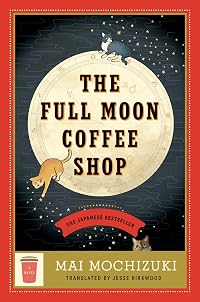
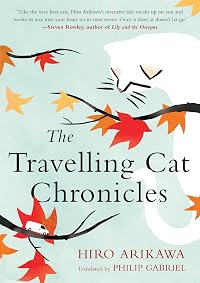
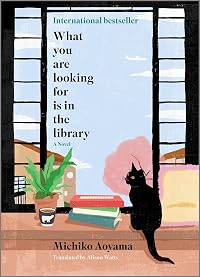

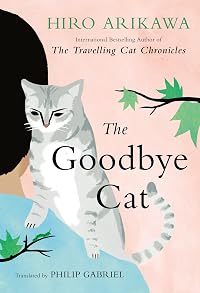



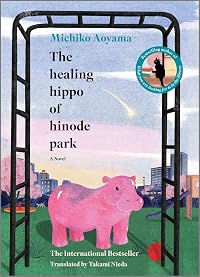

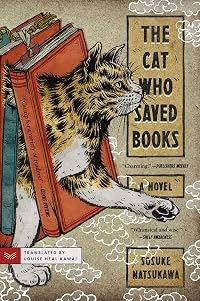
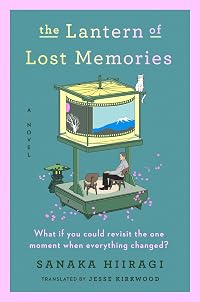
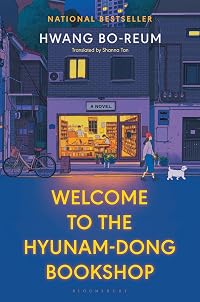













Member Recommendations
Member Reviews
“We’ll Prescribe You a Cat” by Syou Ishida is a peculiar attempt at blending magical realism and episodic storytelling, but one that ultimately veers off course. While on the surface it shares superficial similarities with “Travelling Cat Chronicles”, the comparison hardly holds due to the stark differences in execution and tone. Unfortunately, “We’ll Prescribe You a Cat” leans heavily into clichés, offering overdoses of preachy content and saccharine lessons that come across as formulaic and forced.
The novel presents a range of short vignettes, promising to deliver moments of heartfelt connection between humans and their feline counterparts. However, the episodic nature makes each chapter feel disconnected and shallow. show more Rather than a cohesive story, the book presents a series of almost obligatory moral lessons, which feel more esoteric than engaging. The subtlety I hoped for is utterly missing here.
»”Everyone is delighted by your reactions”. Before he knew it, the sincere words had dropped out of Koga’s mouth. “Your compliments bring people joy. I think that's great.”«
Reading moments like this felt more like being spoon-fed life advice than becoming emotionally involved in a character’s journey. The translation doesn't help either, as it often borders on clunky and sometimes detracts from what could be poignant moments.
At times, it even feels like the novel is dunking one’s nose into moral teachings rather than letting the story naturally unfold. Though there are some tender moments and nice ideas, this novel, sadly, misses the mark.
Two stars out of five.
Blog | Facebook | Twitter | Mastodon | Instagram | Pinterest | Medium | Matrix | Tumblr
Ceterum censeo Putin esse delendam show less
The novel presents a range of short vignettes, promising to deliver moments of heartfelt connection between humans and their feline counterparts. However, the episodic nature makes each chapter feel disconnected and shallow. show more Rather than a cohesive story, the book presents a series of almost obligatory moral lessons, which feel more esoteric than engaging. The subtlety I hoped for is utterly missing here.
»”Everyone is delighted by your reactions”. Before he knew it, the sincere words had dropped out of Koga’s mouth. “Your compliments bring people joy. I think that's great.”«
Reading moments like this felt more like being spoon-fed life advice than becoming emotionally involved in a character’s journey. The translation doesn't help either, as it often borders on clunky and sometimes detracts from what could be poignant moments.
At times, it even feels like the novel is dunking one’s nose into moral teachings rather than letting the story naturally unfold. Though there are some tender moments and nice ideas, this novel, sadly, misses the mark.
Two stars out of five.
Blog | Facebook | Twitter | Mastodon | Instagram | Pinterest | Medium | Matrix | Tumblr
Ceterum censeo Putin esse delendam show less
Pretty much what you’d expect from this genre of sentimental Japanese cat books. I confess I shed a tear or two over Chitose, but it wasn’t as engaging (or as sad) as The Travelling Cat Chronicles. The descriptions of the cats were the best part of this book. The humans were less relatable and their stories not as interesting, edifying, or well resolved as one would hope from this sort of cozy fable.
This would have been a personal favourite if not for the paranormal element, which I find superfluous. Still, I love the first two stories. A young man faced up and dealt with the things that were not so right in his life, and found a place where he belonged. It all started because he was prescribed a cat and this cat tore some critical office documents, which got him sacked. This was the push for him to leave a job that he disliked and find a new life. The second story is of a middle-aged man who found family warmth because the cat he brought home became the glue that pulled the family together again. His teenage daughter (whom he had previously had difficulties communicating with) even taught him to appreciate his new colleague and show more understand her perspective. Two heartwarming stories that will stay with you. show less
Best for:
Cat lovers. Those who enjoy a slightly melancholy, but also hopeful, look at everyday life.
In a nutshell:
Five individuals seek assistance from a mysterious clinic.
Worth quoting:
N/A
Why I chose it:
My sister gave it to me for Christmas. She knows me well.
Review:
I read most of this book in one sitting - where I am, 2 January is also a holiday, and I enjoyed the return of sunny weather by sitting indoors devouring this sweet book.
The book is broken down into five stories, featuring six cats and five humans who are in need of some help in their lives. One hates his job and says he wants to know how he can just get on with it as he needs the work. Another is a sexist man who feels diminished at work and in his home. The third is a show more woman who is dismissive of her young child’s concerns. The fourth is a woman who runs her own company and is tired of being the only one who does everything the ‘right’ way. Finally, the last is a woman who has lost her own cat.
Each person finds their way to the clinic via recommendation, but not directly - it’s always a friend of a friend’s cousin or someone they run into at work who recommends the clinic. And the prescription is always the same - a cat, for a week or two. And the cats do help - but perhaps not in the expected ways.
Two days ago I celebrated the 13th anniversary of ‘gotcha’ day of our two rescue kittens. We moved them across the world with us, and they are the center of so much joy (the cuddles! The playfulness despite their age!) and frustration (the puke! The multiple visits to the vet each year!). They’ve been in my life for nearly a third of it, and it’s wild to even imagine them not being here. I love when a book like this can capture how important cats can be in the lives of their caretakers. show less
Cat lovers. Those who enjoy a slightly melancholy, but also hopeful, look at everyday life.
In a nutshell:
Five individuals seek assistance from a mysterious clinic.
Worth quoting:
N/A
Why I chose it:
My sister gave it to me for Christmas. She knows me well.
Review:
I read most of this book in one sitting - where I am, 2 January is also a holiday, and I enjoyed the return of sunny weather by sitting indoors devouring this sweet book.
The book is broken down into five stories, featuring six cats and five humans who are in need of some help in their lives. One hates his job and says he wants to know how he can just get on with it as he needs the work. Another is a sexist man who feels diminished at work and in his home. The third is a show more woman who is dismissive of her young child’s concerns. The fourth is a woman who runs her own company and is tired of being the only one who does everything the ‘right’ way. Finally, the last is a woman who has lost her own cat.
Each person finds their way to the clinic via recommendation, but not directly - it’s always a friend of a friend’s cousin or someone they run into at work who recommends the clinic. And the prescription is always the same - a cat, for a week or two. And the cats do help - but perhaps not in the expected ways.
Two days ago I celebrated the 13th anniversary of ‘gotcha’ day of our two rescue kittens. We moved them across the world with us, and they are the center of so much joy (the cuddles! The playfulness despite their age!) and frustration (the puke! The multiple visits to the vet each year!). They’ve been in my life for nearly a third of it, and it’s wild to even imagine them not being here. I love when a book like this can capture how important cats can be in the lives of their caretakers. show less
This is divided into sections by cat: Bee, then Margot, then Koyuki, then Tank and Tangerine, and finally Mimita. Each cat section is focused on a particular human who is dealing with issues at work or at home and who has heard through a friend of a friend of a friend that the Nakagyo Kokoro Clinic for the Soul is wonderfully helpful. Each person assumes this is a psychiatric clinic, and each is told by the doctor that the clinic isn't actually accepting new patients but that an exception will be made for them. The doctor then proceeds to prescribe them a cat that will somehow help them. The cat is handed over by a beautiful, icy, and somewhat disapproving nurse. Patients are given care instructions for the cats that resemble medication show more instructions and are told to come back to the clinic after a set amount of time to return their cat.
The patients featured include a salesman dealing with an abusive boss, a fifty-something year-old man annoyed by a cheerful new female colleague, a mother who has a habit of dismissing her child's troubles as unworthy of attention, a perfectionist handbag designer dealing with issues at both home and work, and a geika (Kyoto version of geisha) mourning the disappearance of her previous cat.
I didn't read much about this book prior to starting it and wasn't really sure what to expect. I was a little put off by the idea of a doctor giving people living creatures as "prescriptions" for their problems, and the start of the first story didn't reassure me much. Shuta, the salesman, was handed Bee with no warning and only the most basic care instructions. He'd never previously cared for a cat and didn't even live in a place that allowed them. Then there was the assurance that the cat would somehow help Shuta with his problems - not exactly a great reason to hand someone a pet out of the blue.
In practice, a lot of these "cat prescriptions" played out like temporarily fostering a cat prior to committing to adoption, albeit without the person initially having any intention of getting a cat. There was also a significant thread of fantasy running through the whole thing that made it somewhat easier to accept than "random doctor pushing cats on people as solutions to their problems." In the first section, Bee's presence magically led to events happening that the doctor couldn't possibly have predicted. The second section, with Margot, deepened the mystery surrounding the doctor and his clinic, the third section included something seemingly impossible, and the fourth pretty much confirmed that there was something fantastical going on.
The final section included some interesting revelations but didn't fully resolve the book's overall mysteries. I assume, for example, that the patient Dr. Nikke was waiting for was Kajiwara, but the book ended without him ever stopping by. I was also still left with questions about Nikke and Chitose and how/why they were doing what they were doing. There's apparently another book after this one, so maybe it'll answer my questions?
All in all, this was an easy and enjoyable read despite my issues with it.
(Original review posted on A Library Girl's Familiar Diversions.) show less
The patients featured include a salesman dealing with an abusive boss, a fifty-something year-old man annoyed by a cheerful new female colleague, a mother who has a habit of dismissing her child's troubles as unworthy of attention, a perfectionist handbag designer dealing with issues at both home and work, and a geika (Kyoto version of geisha) mourning the disappearance of her previous cat.
I didn't read much about this book prior to starting it and wasn't really sure what to expect. I was a little put off by the idea of a doctor giving people living creatures as "prescriptions" for their problems, and the start of the first story didn't reassure me much. Shuta, the salesman, was handed Bee with no warning and only the most basic care instructions. He'd never previously cared for a cat and didn't even live in a place that allowed them. Then there was the assurance that the cat would somehow help Shuta with his problems - not exactly a great reason to hand someone a pet out of the blue.
In practice, a lot of these "cat prescriptions" played out like temporarily fostering a cat prior to committing to adoption, albeit without the person initially having any intention of getting a cat. There was also a significant thread of fantasy running through the whole thing that made it somewhat easier to accept than "random doctor pushing cats on people as solutions to their problems." In the first section, Bee's presence magically led to events happening that the doctor couldn't possibly have predicted. The second section, with Margot, deepened the mystery surrounding the doctor and his clinic, the third section included something seemingly impossible, and the fourth pretty much confirmed that there was something fantastical going on.
The final section included some interesting revelations but didn't fully resolve the book's overall mysteries. I assume, for example, that the patient Dr. Nikke was waiting for was Kajiwara, but the book ended without him ever stopping by. I was also still left with questions about Nikke and Chitose and how/why they were doing what they were doing. There's apparently another book after this one, so maybe it'll answer my questions?
All in all, this was an easy and enjoyable read despite my issues with it.
(Original review posted on A Library Girl's Familiar Diversions.) show less
When I started reading this book, I was expecting a collection of heartwarming vignettes about people who found emotional healing via cat ownership. And it was all that. What I did not expect was the supernatural element, which added a mysterious spooky layer to the story. Although spooky is not my usual preference, it is quite well done, and adds a bit of slightly melancholy depth to the book.
First sentence: Shuta Kagawa stood at the end of a shadowy alley, gazing up at a multipurpose building. After getting thoroughly lost, he had finally arrived.
Premise/plot: We'll Prescribe You a Cat is a collection of loosely connected novellas. Each story features a character that is a little lost, a little out-of-sorts. The character is seeking--though word-of-mouth recommendations--a Clinic for the Soul. Each character believes it is a mental health clinic with doctors and nurses, etc. But the prescriptions ALL turn out to be CATS. Some "patients" are prescribed a cat for a week; others for two weeks. The twist is that this location can *only* be found by those in need. Most people can't find it, or see it. (Think Twilight Zone).
My show more thoughts: I love the premise of this one. It is a collection of novellas. The first story by far is the best story (in my opinion). I really was LOVING the first two-thirds of this one. The last two or three novellas, however, left me a bit puzzled and confused. I certainly seemed to be missing the plot in making sense of the story. Perhaps because they were going for a reincarnation theme???? I honestly don't know. I really don't. But the premise is strong. There are cats everywhere. Certainly a good read. show less
Premise/plot: We'll Prescribe You a Cat is a collection of loosely connected novellas. Each story features a character that is a little lost, a little out-of-sorts. The character is seeking--though word-of-mouth recommendations--a Clinic for the Soul. Each character believes it is a mental health clinic with doctors and nurses, etc. But the prescriptions ALL turn out to be CATS. Some "patients" are prescribed a cat for a week; others for two weeks. The twist is that this location can *only* be found by those in need. Most people can't find it, or see it. (Think Twilight Zone).
My show more thoughts: I love the premise of this one. It is a collection of novellas. The first story by far is the best story (in my opinion). I really was LOVING the first two-thirds of this one. The last two or three novellas, however, left me a bit puzzled and confused. I certainly seemed to be missing the plot in making sense of the story. Perhaps because they were going for a reincarnation theme???? I honestly don't know. I really don't. But the premise is strong. There are cats everywhere. Certainly a good read. show less
Members
- Recently Added By
Lists

Cats in Fiction
209 works; 9 members

Books With Complete Sentence Titles
374 works; 15 members
Author Information
6 Works 1,158 Members
Some Editions
Awards and Honors
Series

Common Knowledge
- Canonical title
- We'll Prescribe You a Cat
- Original title
- 猫を処方いたします。
- Original publication date
- 2024
- Important places
- Kyoto, Japan
- First words
- Shuta Kagawa stood at the end of a shadowy alley, gazing up at a multipurpose building.
- Quotations
- Don't worry. Cats can solve most problems.
They say cats are capricious, but human beings are much more unpredictable.
Whether it's a day or a year, human or cat, and even if we may never see them again, there are those who are irreplaceable in our lives.
Cats, though small in stature, have their own worlds. From the moment they step into a new world, they're already looking toward the future. - Last words
- (Click to show. Warning: May contain spoilers.)"Chitose, please bring me the cat."
- Original language
- Japanese
Classifications
- Genres
- General Fiction, Fiction and Literature
- DDC/MDS
- 895.63 — Literature & rhetoric Literatures of other languages Literatures of East and Southeast Asia Japanese Japanese fiction
- LCC
- PL880.4 .Y68 .N4513 — Language and Literature Languages and literatures of Eastern Asia, Africa, Oceania Languages of Eastern Asia, Africa, Oceania Japanese language and literature Japanese literature
- BISAC
Statistics
- Members
- 961
- Popularity
- 27,515
- Reviews
- 42
- Rating
- (3.64)
- Languages
- 9 — Catalan, Dutch, English, French, German, Italian, Polish, Portuguese, Spanish
- Media
- Paper, Audiobook, Ebook
- ISBNs
- 23
- ASINs
- 8