On This Page
Description
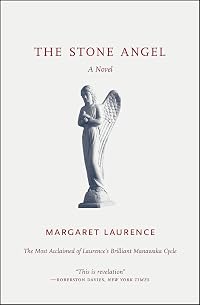
In her best-loved novel, The Stone Angel, Margaret Laurence introduces Hagar Shipley, one of the most memorable characters in Canadian fiction. Stubborn, querulous, self-reliant - and, at ninety, with her life nearly behind her - Hagar Shipley makes a bold last step towards freedom and independence. As her story unfolds, we are drawn into her past. We meet Hagar as a young girl growing up in a black prairie town; as the wife of a virile but unsuccessful farmer with whom her marriage was show more stormy; as a mother who dominates her younger son; and, finally, as an old woman isolated by an uncompromising pride and by the stern virtues she has inherited from her pioneer ancestors. Vivid, evocative, moving, The Stone Angel celebrates the triumph of the spirit, and reveals Margaret Laurence at the height of her powers as a writer of extraordinary craft and profound insight into the workings of the human heart. show lessTags
Recommendations











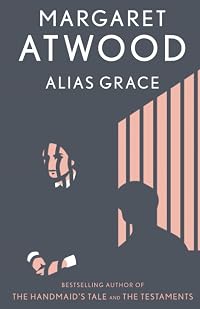
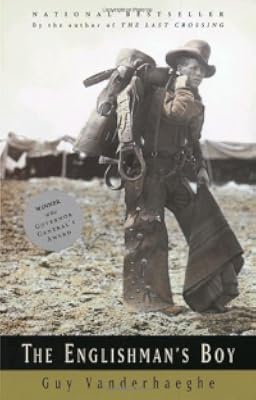
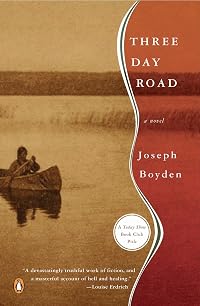
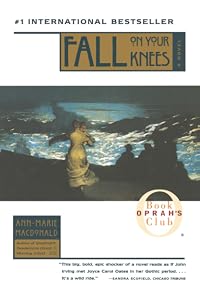






Member Recommendations
betterthanchocolate Old women find redemption in looking back or starting anew.

EerierIdyllMeme Narratives following the full lives of people who not famous and are meant to be somewhat ordinary.
Member Reviews
Why is it that those teaching high school and undergraduate English literature courses persist in assigning Margaret Laurence? Do they want to instil a lifetime aversion to her works?
Luckily for me, Can Lit was never on any curriculum in my studies. Reading The Stone Angel, I was really glad I hadn't read it earlier in life, as much of the novel would have escaped me. I would never have realized the sheer devastation of it all, and how deftly Laurence portrays it.
The very first sentence speaks of a stone angel high above the town, the monument young Hagar Currie's father had had erected to his wife after she died giving birth to Hagar. Thereafter, the angel is always described as marble. It is Hagar who is the woman of stone, unmoving show more and unable to see the devastation she wreaks around her. It was not until after her adult son's death that she finally realized it. The night my son died I was transformed to stone.
Like a stone angel, Hagar is unyielding. Yet at the same time she was so afraid of others in that "What will the neighbours think?" way. Like the angel, she is unseeing, not recognizing the need of others for love and approval. Her young son Marvin would linger at the kitchen door each evening with his refrain of "I've finished the chores", only to be shooed away. His younger brother John lied to her to please and deceive her, going so far as to invent respectable imaginary friends. Her husband Bram never heard an "I love you", and never knew how much she actually enjoyed sex with him.
The reader only gets to know Hagar through her own words. Now ninety and dementing, she is on the one hand an unreliable narrator, while at the same time completely credible as she reveals herself. Querulous, lacking in empathy, and very strong willed, she insists on remaining with her son and daughter-in-law when they themselves are in failing health.
Hospitalized after a defiant episode, Hagar, a non believer, found herself trapped into a visit from a minister. As he sang a hymn to her about rejoicing, the need to rejoice came to her as a revelation.When did I ever speak the heart's truth?
Pride was my wilderness and the demon that led me there was fear. I was alone, never anything else, and never free, for I carried my chains with me, and they spread out from me and shackled all I touched.
Still, nothing changed. There is no sappy ending. That is not Margaret Laurence's style. Hagar may have been granted a moment of insight, but she dismissed it immediately, afraid yet again to examine her life.
Laurence wrote The Stone Angel when she was in her mid thirties. It is an astonishing insight into a character decades older. She feared her publisher would not accept the novel; ninety year old unsympathetic protagonists are a hard sell.
Writing to her good friend Adele Wiseman, with her thoughts about her novel, she quoted Martin Luther: Here I stand; God help me, I can do no other.
She may have been thinking of herself, but she managed to sum up Hagar completely. show less
Luckily for me, Can Lit was never on any curriculum in my studies. Reading The Stone Angel, I was really glad I hadn't read it earlier in life, as much of the novel would have escaped me. I would never have realized the sheer devastation of it all, and how deftly Laurence portrays it.
The very first sentence speaks of a stone angel high above the town, the monument young Hagar Currie's father had had erected to his wife after she died giving birth to Hagar. Thereafter, the angel is always described as marble. It is Hagar who is the woman of stone, unmoving show more and unable to see the devastation she wreaks around her. It was not until after her adult son's death that she finally realized it. The night my son died I was transformed to stone.
Like a stone angel, Hagar is unyielding. Yet at the same time she was so afraid of others in that "What will the neighbours think?" way. Like the angel, she is unseeing, not recognizing the need of others for love and approval. Her young son Marvin would linger at the kitchen door each evening with his refrain of "I've finished the chores", only to be shooed away. His younger brother John lied to her to please and deceive her, going so far as to invent respectable imaginary friends. Her husband Bram never heard an "I love you", and never knew how much she actually enjoyed sex with him.
The reader only gets to know Hagar through her own words. Now ninety and dementing, she is on the one hand an unreliable narrator, while at the same time completely credible as she reveals herself. Querulous, lacking in empathy, and very strong willed, she insists on remaining with her son and daughter-in-law when they themselves are in failing health.
Hospitalized after a defiant episode, Hagar, a non believer, found herself trapped into a visit from a minister. As he sang a hymn to her about rejoicing, the need to rejoice came to her as a revelation.When did I ever speak the heart's truth?
Pride was my wilderness and the demon that led me there was fear. I was alone, never anything else, and never free, for I carried my chains with me, and they spread out from me and shackled all I touched.
Still, nothing changed. There is no sappy ending. That is not Margaret Laurence's style. Hagar may have been granted a moment of insight, but she dismissed it immediately, afraid yet again to examine her life.
Laurence wrote The Stone Angel when she was in her mid thirties. It is an astonishing insight into a character decades older. She feared her publisher would not accept the novel; ninety year old unsympathetic protagonists are a hard sell.
Writing to her good friend Adele Wiseman, with her thoughts about her novel, she quoted Martin Luther: Here I stand; God help me, I can do no other.
She may have been thinking of herself, but she managed to sum up Hagar completely. show less
This Canadian classic drew me right in. Hagar Shipley is a 90-something year old woman nearing the end of her life. She lives with her son, Marvin, and his wife Doris. As they age themselves and have a more difficult time caring for her, they begin to try to convince her to move to a nursing home. Hagar is adamantly opposed and takes drastic steps to avoid moving.
The book is told from Hagar's point of view and she reminisces about her life as a child, wife, and mother in rural Manawaka while also revealing how aging is affecting her, both physically and mentally. Reminisces isn't really the right word though. Her age and mental state means that often she almost relives some of these times. Hagar is pointed and direct, funny and show more unfiltered. I really liked her, even while seeing how difficult she would be to live with and care for.
The novel is written with skill, beauty, and insight. I loved it. show less
The book is told from Hagar's point of view and she reminisces about her life as a child, wife, and mother in rural Manawaka while also revealing how aging is affecting her, both physically and mentally. Reminisces isn't really the right word though. Her age and mental state means that often she almost relives some of these times. Hagar is pointed and direct, funny and show more unfiltered. I really liked her, even while seeing how difficult she would be to live with and care for.
The novel is written with skill, beauty, and insight. I loved it. show less
Hagar Shipley is 90 years old and has lived through great societal change, from pioneers on the prairies to the (then) modern times of the mid-20th century. Her body and mind are failing, but her spirit is unbroken. Indeed, she is almost a woman of stone: she had two sons, but one of them died, and this incident made her the hard-seeming woman she is today. Her body and mind are failing, and her son is reaching the limits of his ability to care for her. She fights the move to a nursing home, just as she fights her uncooperative physical self, and she drops in and out of her memories, looking back over her life and eventually coming to terms with some of it.
The story was well constructed and executed, with present tense being used for show more 90-year-old Hagar and the past tense for her memories. It is also well written, although it feels a bit “heavier” descriptively than other books I’ve read lately. (The only thing I could *really* have done without was references to Brampton Shipley’s manhood.)
This book resonated with me personally; my own grandmother is approaching her 90th birthday and her kids are having to make tough decisions about how best to look after her while maintaining her independence. Even though the story, or the present-day aspect of it anyway, is set 50 to 60 years ago, the challenge of how to care for an aging population is still sadly relevant, especially nowadays with COVID-19 and outbreaks in long-term care homes.
I would recommend this if you’re interested in CanLit by female authors. It might also make an interesting pairing with the Alice Munro story “The Bear Came Over the Mountain”, which is also about the challenges of dealing with ageing (in that case, Alzheimer’s).
Postscript: the title and the first line definitely gave me Weeping Angel vibes. "Above the town, on the hill brow, the stone angel used to stand." USED TO?! That means someone blinked! show less
The story was well constructed and executed, with present tense being used for show more 90-year-old Hagar and the past tense for her memories. It is also well written, although it feels a bit “heavier” descriptively than other books I’ve read lately. (The only thing I could *really* have done without was references to Brampton Shipley’s manhood.)
This book resonated with me personally; my own grandmother is approaching her 90th birthday and her kids are having to make tough decisions about how best to look after her while maintaining her independence. Even though the story, or the present-day aspect of it anyway, is set 50 to 60 years ago, the challenge of how to care for an aging population is still sadly relevant, especially nowadays with COVID-19 and outbreaks in long-term care homes.
I would recommend this if you’re interested in CanLit by female authors. It might also make an interesting pairing with the Alice Munro story “The Bear Came Over the Mountain”, which is also about the challenges of dealing with ageing (in that case, Alzheimer’s).
Postscript: the title and the first line definitely gave me Weeping Angel vibes. "Above the town, on the hill brow, the stone angel used to stand." USED TO?! That means someone blinked! show less
I read this for my Zoom book club in September, and thought it was just wonderful. Laurence builds a fantastically nuanced portrait of a prickly, complex woman and her long life, all done through very close first-person narrative, which is not easy. Totally engrossing book, although please remind me not to buy any more used mass market paperbacks—such tiny print! I'm getting old. And speaking of which, this is definitely not a book I would have appreciated in my 20s and 30s. It's such a bittersweet portrait of a smart, disappointed, self-sabotaging but well-intentioned person, and I don't think I would have had the same compassion for her when I was younger (which is all on me, not the writer or the story).
It's rather wonderful to come across someone like Margaret Laurence and realise just how many more great writers there must be out there that I've still never heard of. This book managed to stay under my radar for fifty years, so maybe she's not all that well known on this side of the Atlantic, but she obviously deserves to be!
It is a bit of a stealth novel, anyway. Laurence has a very fine, precise, understated style that doesn't give you many clues about where she's heading, and the book pretends to be a straightforward rural family saga, as narrated by a tough old matriarch who grew up in a small Canadian prairie community in the late nineteenth century, but there are all sorts of other things going on, and the historical setting is show more really little more than very high-quality scene-dressing. In particular, it's a scarily convincing look at what it must be like to be in your nineties and no longer quite able to rely on your mind or your body to do what you would like. And - rather like The sea, the sea - the unsatisfactory life-story of an increasingly unlikeable central character turns out to be hiding a sophisticated argument about redemption that only starts to make sense when you get to the end of the book. Admittedly, there might be a touch of the Lord Marchmains about the ending itself if you took it out of context, but it's not crass enough to spoil the mood. Definitely a book you should read, but it won't make you any more comfortable about the prospect of old age... show less
It is a bit of a stealth novel, anyway. Laurence has a very fine, precise, understated style that doesn't give you many clues about where she's heading, and the book pretends to be a straightforward rural family saga, as narrated by a tough old matriarch who grew up in a small Canadian prairie community in the late nineteenth century, but there are all sorts of other things going on, and the historical setting is show more really little more than very high-quality scene-dressing. In particular, it's a scarily convincing look at what it must be like to be in your nineties and no longer quite able to rely on your mind or your body to do what you would like. And - rather like The sea, the sea - the unsatisfactory life-story of an increasingly unlikeable central character turns out to be hiding a sophisticated argument about redemption that only starts to make sense when you get to the end of the book. Admittedly, there might be a touch of the Lord Marchmains about the ending itself if you took it out of context, but it's not crass enough to spoil the mood. Definitely a book you should read, but it won't make you any more comfortable about the prospect of old age... show less
Above the town, on the hill brow, the stone angel used to stand. I wonder if she stands there yet, in memory of her who relinquished her feeble ghost as I gained my stubborn one, my mother's angel that my father bought in pride to mark her bones and proclaim his dynasty, as he fancied, forever and a day. (p. 1)
Hagar Shipley has been through a lot, as you'd expect from anyone who has lived 90 years. Born in a small Manitoba town, she grew up the daughter of a shopkeeper. Her mother died in childbirth, and one of her two brothers also died young. Hagar grew up a strong, independent woman. She did not distinguish herself in any way that was unusual for her time, but her fierce independence and ability to stand up for her rights set her show more apart from most early 20th-century women. Now nearing the end of her life, Hagar lives with her son Marvin and daughter-in-law Doris, and is rapidly losing the independence she values so highly.
Hagar has lived with Marvin and Doris for several years, but recently her needs have become more acute. She needs professional care, but actively resists any proposed change in living arrangements. She spends a lot of time inside her head, reflecting on life's highs and lows: the man she married, the sons she raised, the son she lost, and the townspeople who came and went over the years. A portrait emerges that provides tremendous insight to Hagar's character. The flashbacks are interspersed with present-day events: a visit from the minister, arguments with Marvin and Doris, and various evidence of Hagar's decline, which she often fails to recognize or acknowledge. Eventually Marvin and Doris convince Hagar to go on an outing, and they visit a care facility. It appears Hagar might actually accept the possibility of living there, and then a startling event dramatically alters the course of the story, and Hagar's life.
I found this novel very realistic and moving. Despite Hagar's intense stubbornness and insensitivity, I liked her very much, and I felt very sorry for her as she lost the ability to do things on her own. Marvin and Doris' characters were less well developed, and they sometimes seemed a bit callous, but I also sympathized with them as they took on responsibility they probably never anticipated. The last chapters were difficult to read, because you knew where the story had to lead, and I was sorry to say good-bye to such a memorable character as Hagar Shipley. show less
Hagar Shipley has been through a lot, as you'd expect from anyone who has lived 90 years. Born in a small Manitoba town, she grew up the daughter of a shopkeeper. Her mother died in childbirth, and one of her two brothers also died young. Hagar grew up a strong, independent woman. She did not distinguish herself in any way that was unusual for her time, but her fierce independence and ability to stand up for her rights set her show more apart from most early 20th-century women. Now nearing the end of her life, Hagar lives with her son Marvin and daughter-in-law Doris, and is rapidly losing the independence she values so highly.
Hagar has lived with Marvin and Doris for several years, but recently her needs have become more acute. She needs professional care, but actively resists any proposed change in living arrangements. She spends a lot of time inside her head, reflecting on life's highs and lows: the man she married, the sons she raised, the son she lost, and the townspeople who came and went over the years. A portrait emerges that provides tremendous insight to Hagar's character. The flashbacks are interspersed with present-day events: a visit from the minister, arguments with Marvin and Doris, and various evidence of Hagar's decline, which she often fails to recognize or acknowledge. Eventually Marvin and Doris convince Hagar to go on an outing, and they visit a care facility. It appears Hagar might actually accept the possibility of living there, and then a startling event dramatically alters the course of the story, and Hagar's life.
I found this novel very realistic and moving. Despite Hagar's intense stubbornness and insensitivity, I liked her very much, and I felt very sorry for her as she lost the ability to do things on her own. Marvin and Doris' characters were less well developed, and they sometimes seemed a bit callous, but I also sympathized with them as they took on responsibility they probably never anticipated. The last chapters were difficult to read, because you knew where the story had to lead, and I was sorry to say good-bye to such a memorable character as Hagar Shipley. show less
Hagar Shipley is ninety. She hates depending on people, meaningless banter, showy décor and jewellery and clothing, impropriety, and has the self-awareness to recognize the pride in herself. The life she's led is about to be disrupted when her immediate family plans to leave her in the care of a nursing home, and she decides to make one last act of rebellion.
Through flashbacks the portrait of Hagar's life is slowly pieced together; from her childhood in the Canadian fictional town of Manawaka to her old age, through the formations and tragedies that moulded her to the person she is, in clear simple prose. The most fascinating part of this story, for me, is the way Laurence shows how people can make the same mistakes their parents made show more with them with their own children, despite knowing better. That they may carry the same prejudices and biases they recognized and, almost, unwittingly act as conduit to whatever cycles they attempted to escape.
This is the kind of story I like. One that can take a character that is normal, with an ordinary life, and with adept precision show the extraordinary forces–internal and external–that propel a life to the shape it takes. The first Margaret Laurence book I've read and looking forward to reading more by her. show less
Through flashbacks the portrait of Hagar's life is slowly pieced together; from her childhood in the Canadian fictional town of Manawaka to her old age, through the formations and tragedies that moulded her to the person she is, in clear simple prose. The most fascinating part of this story, for me, is the way Laurence shows how people can make the same mistakes their parents made show more with them with their own children, despite knowing better. That they may carry the same prejudices and biases they recognized and, almost, unwittingly act as conduit to whatever cycles they attempted to escape.
This is the kind of story I like. One that can take a character that is normal, with an ordinary life, and with adept precision show the extraordinary forces–internal and external–that propel a life to the shape it takes. The first Margaret Laurence book I've read and looking forward to reading more by her. show less
Members
- Recently Added By
Lists

The Best of Canadian Literature
235 works; 33 members

Fiction Featuring Cranky, Eccentric Old Folks
80 works; 35 members
CBC Books - Canada's 100 (+ bonus 10): Which have you read?
110 works; 23 members

Recommend the 20 best books you've read in the last five years
2,168 works; 602 members

20th Century Literature
1,161 works; 55 members

Female Protagonist
1,056 works; 57 members

Books Set in Canada
80 works; 16 members
Female Author
1,234 works; 67 members

Top Five Books of 2020
982 works; 350 members

500 Great Books by Women
507 works; 60 members

Canada Reads Winners and Nominees
129 works; 9 members

New Canadian Library
191 works; 7 members

One Book, Many Authors
441 works; 40 members

Books You Read During High School (For School)
301 works; 53 members

Books Set in Canada
57 works; 10 members

Jordan B. Peterson's Recommended Books
104 works; 5 members

CBC's Great Canadian Reading List
149 works; 5 members

A Novel Cure
742 works; 23 members

Canada
42 works; 3 members

Best Books set in Manitoba
85 works; 2 members

Books Read in 2017
4,249 works; 130 members
Best Books of the 20th Century
193 works; 5 members

Genesis in literature
47 works; 7 members

Literary Works Read in College
316 works; 15 members

Books Read in 2021
5,361 works; 114 members

AP Lit
363 works; 6 members

Books You Read For University
184 works; 3 members

Books We Love to Reread
688 works; 296 members

Books recommended by Calgary Public Library staff
1,588 works; 4 members
School Made Us Read It
380 works; 196 members
Canadian Historical Fiction 🇨🇦
157 works; 8 members

Fiction With Familiar Settings
280 works; 93 members
Author Information

25+ Works 5,800 Members
Canadian author Margaret Laurence was born Jean Margaret Wemyss in Neepawa, Manitoba, Canada, on July 18, 1926. She attended United College (now the University of Winnipeg), receiving her B.A. in 1947. Shortly after graduation, she married Jack Laurence, a hydraulic engineer whose job would often take them overseas; the Laurences lived in England show more for a year, moved to British Somaliland in 1950, and then to Ghana in 1952. It was in Africa that Laurence wrote her first book, A Tree for Poverty, which was a translation of Somali poetry and stories. She also wrote about her experiences in Somaliland in a travel memoir, The Prophet's Camel Bell, and used Africa as a setting for her first fictional work, a novel called This Side Jordan, and a collection of short stories, The Tomorrow Tamers. This Side Jordan received the 1961 Beta Sigma Phi Award for the best first novel by a Canadian. Laurence is best known, however, for her Manawaka books, which are set in Canada. They include The Stone Angel, The Fire Dwellers House, A Bird in the House, A Jest of God, and The Diviners. The latter two books both received the Governor General's Award, in 1967 and 1975, respectively. After living in Africa, England, and several other countries for many years, Laurence returned to Canada in 1974, settling in Lakefield, Ontario, where she remained until her death in 1987. The Energy Probe Research Foundation, an environmental organization for which she served as one of the directors, now sponsors the Margaret Laurence Fund for projects related to the environment and peace, areas in which Laurence was very active during the last decade of her life. (Bowker Author Biography) show less
Some Editions
Awards and Honors
Series

Belongs to Publisher Series
Work Relationships
Common Knowledge
- Canonical title
- The Stone Angel
- Original title
- The Stone Angel
- Original publication date
- 1964
- People/Characters
- Hagar Shipley
- Important places
- Manitoba, Canada; Canada
- Related movies
- The Stone Angel (2007 | IMDb)
- Epigraph
- Do not go gentle into that good night, Rage rage against the dying of the light. -Dylan Thomas
- First words
- Above the town, on the hill brow, the stone angel used to stand.
- Last words
- (Click to show. Warning: May contain spoilers.)And then—
Classifications
Statistics
- Members
- 1,946
- Popularity
- 10,921
- Reviews
- 46
- Rating
- (3.85)
- Languages
- 7 — Dutch, English, French, German, Italian, Norwegian (Bokmål), Spanish
- Media
- Paper, Audiobook, Ebook
- ISBNs
- 50
- UPCs
- 1
- ASINs
- 17