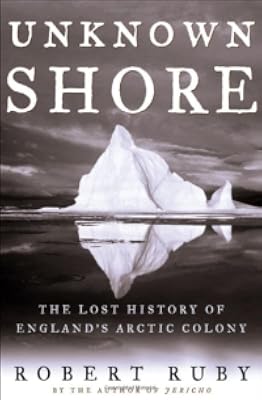
Unknown Shore: The Lost History of England's Arctic Colony
by Robert Ruby
On This Page
Description
The true story of how the first English colony in the New World was lost to history, then found again three hundred years later.England's first attempt at colonizing the New World was not at Roanoke or Jamestown, but on a mostly frozen small island in the Canadian Arctic. Queen Elizabeth I called that place Meta Incognita -- the Unknown Shore. Backed by Elizabeth I and her key advisors, including the legendary spymaster Sir Francis Walsingham and the shadowy Dr. John Dee, the erstwhile show more pirate Sir Martin Frobisher set out three times across the North Atlantic, in the process leading what is still the largest Arctic expedition in history. In this forbidding place, Frobisher believed he had discovered vast quantities of gold, the fabled Northwest Passage to the riches of Cathay, and a suitable place for a year-round colony. But Frobisher's dream turned into a nightmare, and his colony was lost to history for nearly three centuries.In this brilliantly conceived dual narrative, Robert Ruby interweaves Frobisher's saga with that of the nineteenth-century American Charles Francis Hall, whose explorations of this same landscape enabled him to hear the oral history of the Inuit, passed down through generations. It was these stories that unlocked the mystery of Frobisher's lost colony.Unknown Shore is the story of two men's travels, and of what these men shared three centuries apart. Ultimately, it is a tale of men driven by greed and ambition, of the hard labor of exploration, of the Inuit and their land, and of great gambles gone wrong. show lessTags
Recommendations










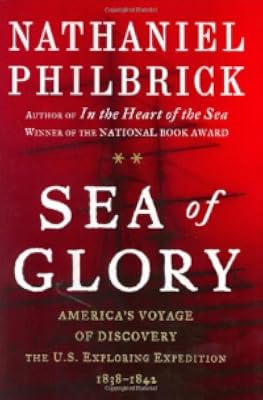
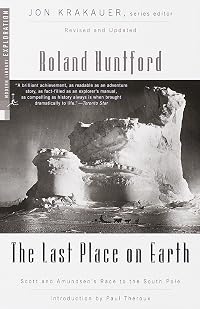
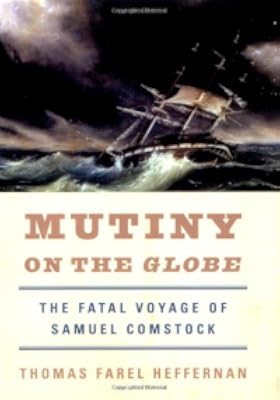




Member Recommendations
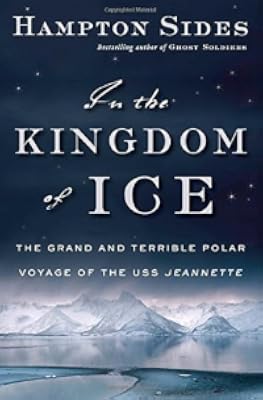
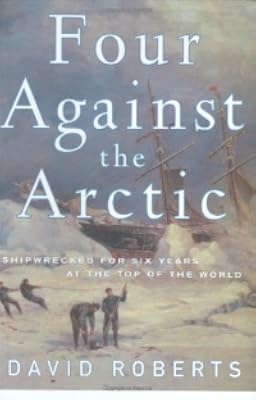
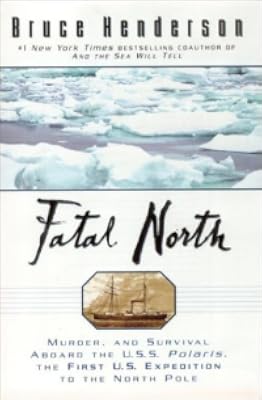
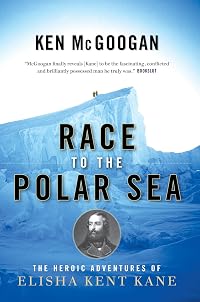
myshelves More about Hall, who plays a major role in Unknown Shores.
Member Reviews
Frigid History / Robert Ruby's Unknown Shore / 83|100
The polar universes are often and inexpressibly vague and mythological. Perhaps that's why for such a number of years they held such heightened scrutiny for would-be explorers scraping across Earth's final frontiers. What is strange, however, is Ruby's account of two parallel arctic explorations three centuries apart make the arctic seem more desirous than the New World (southern edition) in the High Renaissance or industrializing America much later. Martin Frobisher and Charles Francis Hall serve the book-ends of Ruby's narrative, who are quite expertly shown as different men first and different explorers last. Both are in searches for something, which Ruby thankfully shows us is show more really themselves. Frobisher, under the weight of reaching a passage to Cathay and then loading the coffers of Renaissance England with alchemic "black ore" is really a man sprawling in the turmoil of playing second fiddle. Hall, on the other hand, seeks the arctic not for wealth but for recognition, not of personal exploits, but of playing hero to a group of men already blown to dust by the arctic frost. One wonders if Hall had found Franklin's men if he would have truly enjoyed their revelation to the modern world. Ruby makes him certainly romantic enough to try.
As the polar regions receive more and more attention in the upcoming years for their destruction instead of their frontier merit, books like Ruby's are key to remembering that the arctic is more than a melting smeer on the coattails of global warming. Indeed, places like Frobisher's Bay and Baffin Island need to be rediscovered for not only their natural beauty but human intersection. Thus, in a way, Ruby writes an environmental history that though steeping in Occidental superiorities seeks to undermine the concept that man has never truly inhabited one of the coldest places on earth. Truly, the Inuit are the heroes of this narrative, which is easy to feel as one by one they drop to death as soon as they butt up against European or American households. On a more speculative note, Ruby inadvertently, or maybe a little overtly, tells us that to each section of the earth is a set of men, and that set is limited. It's nice at the end of the day to still believe that nature can win. Ruby makes us believe for a couple hundred of pages that this is still true. show less
The polar universes are often and inexpressibly vague and mythological. Perhaps that's why for such a number of years they held such heightened scrutiny for would-be explorers scraping across Earth's final frontiers. What is strange, however, is Ruby's account of two parallel arctic explorations three centuries apart make the arctic seem more desirous than the New World (southern edition) in the High Renaissance or industrializing America much later. Martin Frobisher and Charles Francis Hall serve the book-ends of Ruby's narrative, who are quite expertly shown as different men first and different explorers last. Both are in searches for something, which Ruby thankfully shows us is show more really themselves. Frobisher, under the weight of reaching a passage to Cathay and then loading the coffers of Renaissance England with alchemic "black ore" is really a man sprawling in the turmoil of playing second fiddle. Hall, on the other hand, seeks the arctic not for wealth but for recognition, not of personal exploits, but of playing hero to a group of men already blown to dust by the arctic frost. One wonders if Hall had found Franklin's men if he would have truly enjoyed their revelation to the modern world. Ruby makes him certainly romantic enough to try.
As the polar regions receive more and more attention in the upcoming years for their destruction instead of their frontier merit, books like Ruby's are key to remembering that the arctic is more than a melting smeer on the coattails of global warming. Indeed, places like Frobisher's Bay and Baffin Island need to be rediscovered for not only their natural beauty but human intersection. Thus, in a way, Ruby writes an environmental history that though steeping in Occidental superiorities seeks to undermine the concept that man has never truly inhabited one of the coldest places on earth. Truly, the Inuit are the heroes of this narrative, which is easy to feel as one by one they drop to death as soon as they butt up against European or American households. On a more speculative note, Ruby inadvertently, or maybe a little overtly, tells us that to each section of the earth is a set of men, and that set is limited. It's nice at the end of the day to still believe that nature can win. Ruby makes us believe for a couple hundred of pages that this is still true. show less
Frobisher, Martin, Sir, ca. 1535-1594 > Travel/Northwest Passage > Discovery and exploration >/English/Canada, Northern > Discovery and exploration --/Explorers > Great Britain > Biography/Hall, Charles Francis, 1821-1871 > Travel
Ratings
Members
- Recently Added By
Author Information
2 Works 200 Members
Common Knowledge
- Epigraph
- The Waters become hard like stone,
and the face of the deep is frozen.
---Job 38:30 - First words
- It was a campfire story, the fire fed by seal blubber. People sat around the fire as it burned in a soapstone lamp in an igloo lit a soft milky white. A long, long, long. long time ago --- the gray-haired woman telling the st... (show all)ory actually began with those words --- a great many ships came with white men who built a house on a small island.
Classifications
Statistics
- Members
- 104
- Popularity
- 312,319
- Reviews
- 3
- Rating
- (3.88)
- Languages
- English
- Media
- Paper, Ebook
- ISBNs
- 3
- ASINs
- 2