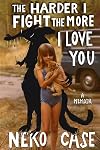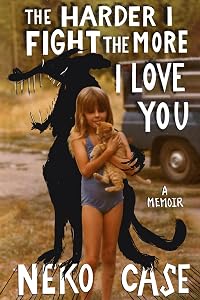
The Harder I Fight the More I Love You: A Memoir
by Neko Case
On This Page
Description
"Neko Case has long been revered as one of music's most influential artists, whose authenticity, lyrical storytelling, and sly wit have endeared her to a legion of critics, musicians, and lifelong fans. In The Harder I Fight The More I Love You, Case brings her trademark candor and precision to a memoir that traces her evolution from an invisible girl "raised by two dogs and a space heater" in rural Washington state to her improbable emergence as an internationally-acclaimed talent. In show more luminous, sharp-edged prose, Case shows readers what it's like to be left alone for hours and hours as a child, to take refuge in the woods around her home, and to channel the monotony and loneliness and joy that comes from music, camaraderie, and shared experience into art. The Harder I Fight The More I Love You is a rebellious meditation on identity and corruption, and a manifesto on how to make space for ourselves in this world, despite the obstacles we face"-- show lessTags
Recommendations

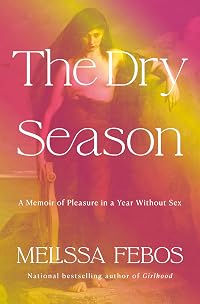
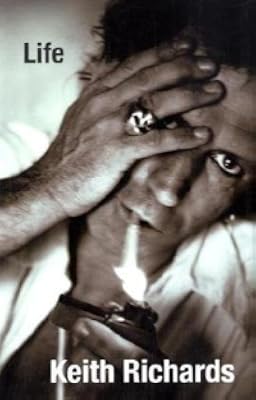

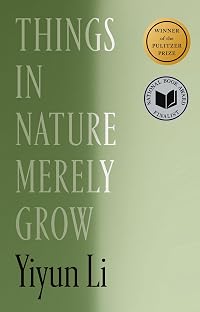

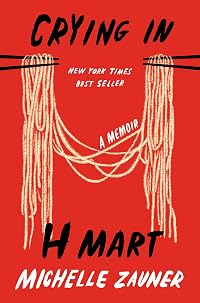









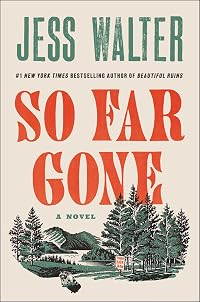
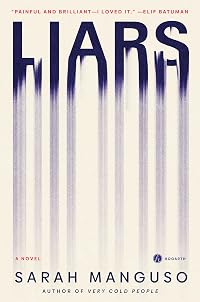
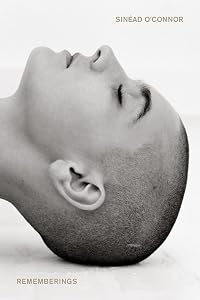

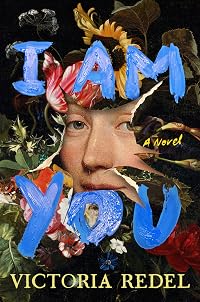


Member Recommendations
Member Reviews
I discovered Neko Case almost twenty years ago, in 2006. I’d caught a snippet of her singing on NPR, and I was captivated by her voice, which was soaring, smoky, sweet. I also remember her sense of humor when she was speaking with the interviewer. The song was “Hold On, Hold On”, from her album “Fox Confessor Brings the Flood”. I immediately went to the music store and purchased it, then, subsequently, fell in love with it. The songs were sharp-witted, humorous, melancholic, tragic, sad and joyful. The downcast beauty of her music was deeply moving.
However, this post is about her memoir. It is written with candor, wit, bravery, intelligence and heartbreak. It begins with the author as a young child, born to two teenagers who show more were largely absent throughout her childhood. (During an interview, she quipped that she’d been “raised by two dogs and a space heater”). She spent her early years lonely and left to her own devices. It’s no surprise that once she grew older, she faced more hardship, trauma and loss.
At age fifteen, she left home to pursue her dream of becoming a musician. From there, she encountered yet more adversity, mostly resulting from being a woman in a male-dominated world of the music industry and the entrenched misogyny that was omnipresent. She literally had to claw her way to the top, though “top” could mean anything, really.
But she made it.
This memoir is a testimony to the author’s resilience, grit and courage. Neko is passionate, tough and tender, humble and wise. She frequently acknowledges her private fears and vulnerabilities. She is utterly human, humane, an old soul. Her writing is incisive and clear-eyed; her storytelling chops are par excellence.
Highly recommended. I loved this book immensely. show less
However, this post is about her memoir. It is written with candor, wit, bravery, intelligence and heartbreak. It begins with the author as a young child, born to two teenagers who show more were largely absent throughout her childhood. (During an interview, she quipped that she’d been “raised by two dogs and a space heater”). She spent her early years lonely and left to her own devices. It’s no surprise that once she grew older, she faced more hardship, trauma and loss.
At age fifteen, she left home to pursue her dream of becoming a musician. From there, she encountered yet more adversity, mostly resulting from being a woman in a male-dominated world of the music industry and the entrenched misogyny that was omnipresent. She literally had to claw her way to the top, though “top” could mean anything, really.
But she made it.
This memoir is a testimony to the author’s resilience, grit and courage. Neko is passionate, tough and tender, humble and wise. She frequently acknowledges her private fears and vulnerabilities. She is utterly human, humane, an old soul. Her writing is incisive and clear-eyed; her storytelling chops are par excellence.
Highly recommended. I loved this book immensely. show less
Neko Case's memoir is as notable for what it is not as much as for what it is. It is not a brag. It is not a wistful remembrance of past times. It is not soothing. It is neither humble nor arrogant. It does not describe her songwriting process. In fact, it doesn't talk about music much at all.
It does talk about what a musical career is like as a job. She wants you to know it's often grubby, exhausting, and unromantic. But the focus of her memoir isn't music, it's her childhood and how it broke her almost beyond repair, and how she patched herself together and made herself a strong woman despite.
She is fierce. Most people who know of her should know that already. This is not one of those books that are written with the self-deprecating show more wisdom that comes with years of therapy. She writes of wanting to kill her mother even though her mother is already dead.
There are a lot of surprises for fans here. For me, one was that "Neko Case" is the same name as she had in childhood. (I'm sensitive to names and thought this was such a cool one that it must be a stage name, particularly after I learned that her ethnic background is Slavic.) Another was that her relationship with her mother, and the psychic damage that it continually reinflicted, continued well into her career, at least as late as the release of Middle Cyclone. I suppose I had always thought that people who made masterworks were able to do so because they'd surmounted their major life problems. A silly thing to think, really.
But she's stronger still now, and the evidence of that is this book, which is a damned brave statement, even coming from someone not known for her timidity. I admire it, and think that it might be appreciated even (or maybe especially?) by those who aren't very familiar with Case's work as a musical artist, because they can focus more on the human story that's being told, instead of trying to mine the text for clues about their favorite songs, or figure out the identity of those whose names were changed. It is a powerful, frightening, sad, angry, triumphant story, and well told. show less
It does talk about what a musical career is like as a job. She wants you to know it's often grubby, exhausting, and unromantic. But the focus of her memoir isn't music, it's her childhood and how it broke her almost beyond repair, and how she patched herself together and made herself a strong woman despite.
She is fierce. Most people who know of her should know that already. This is not one of those books that are written with the self-deprecating show more wisdom that comes with years of therapy. She writes of wanting to kill her mother even though her mother is already dead.
There are a lot of surprises for fans here. For me, one was that "Neko Case" is the same name as she had in childhood. (I'm sensitive to names and thought this was such a cool one that it must be a stage name, particularly after I learned that her ethnic background is Slavic.) Another was that her relationship with her mother, and the psychic damage that it continually reinflicted, continued well into her career, at least as late as the release of Middle Cyclone. I suppose I had always thought that people who made masterworks were able to do so because they'd surmounted their major life problems. A silly thing to think, really.
But she's stronger still now, and the evidence of that is this book, which is a damned brave statement, even coming from someone not known for her timidity. I admire it, and think that it might be appreciated even (or maybe especially?) by those who aren't very familiar with Case's work as a musical artist, because they can focus more on the human story that's being told, instead of trying to mine the text for clues about their favorite songs, or figure out the identity of those whose names were changed. It is a powerful, frightening, sad, angry, triumphant story, and well told. show less
This is one of the great celebrity memoirs I’ve listened to. It's rich with insight, honesty, and real reflection. Most of the book takes place long before Neko Case became a recognizable name, and that’s part of what makes it so interesting. I came to the memoir as a longtime fan. I fell for The New Pornographers on the family computer (I wore out Mass Romantic), and Neko’s solo work, especially I Wish I Was the Moon. I had no idea the difficult childhood she had. She shares the challenges of her upbringing with a perfect balance of edge and empathy, neither overly sentimental nor cynical. Her narration of the audiobook is beautiful. She’s calm, direct, and occasionally devastating. Her voice carries the same soul as her music. show more She talks about creative doubt, survival, anger, identity, and love with a tone that’s sharp, funny, and relatable. Her quirkiness, her relationship with horses, and her views on feminism all fit together. If you’re already a fan of her music, you know she’s a writer, and this medium works for her, too. Give it a listen! show less
In her memoir, Case offers an unflinching look at a childhood filled with parental neglect and in her mother's case, abject cruelty. Born in 1970 to teen parents who were in no way ready to become parents. Their lives were circumscribed by poverty, alcohol, and pot. When she was in second grade, she was led to believe that her mother had died. Only for the mother to reappear two years later.
Much of her childhood was spent alone with family dogs and cats. She spent summers with her mother and stepfather with long days alone in remote places while they went to work. Most of her school years were spent with her Dad, a draftsman who spent his evenings smoking pot.
She discovered music in her early teens and pursuing punk music venues became show more her means of rebellion. At 15 her father had moved to Alaska for work and she petitioned to be emancipated from her mother.
Despite the neglect she acknowledges the love and care provided by her grandmothers and some neighbors.
Her late teens and twenties she spent in Seattle and Vancouver, working, attending school, and participating in the music scene. She generously describes the musicians that she worked with over the years. And there is a chapter describing the difficulties of life on the road as a musician.
Although she characterizes herself throughout the book as being part feral, her closing chapter culminates by revealing a truly warm and kind spirit. show less
Much of her childhood was spent alone with family dogs and cats. She spent summers with her mother and stepfather with long days alone in remote places while they went to work. Most of her school years were spent with her Dad, a draftsman who spent his evenings smoking pot.
She discovered music in her early teens and pursuing punk music venues became show more her means of rebellion. At 15 her father had moved to Alaska for work and she petitioned to be emancipated from her mother.
Despite the neglect she acknowledges the love and care provided by her grandmothers and some neighbors.
Her late teens and twenties she spent in Seattle and Vancouver, working, attending school, and participating in the music scene. She generously describes the musicians that she worked with over the years. And there is a chapter describing the difficulties of life on the road as a musician.
Although she characterizes herself throughout the book as being part feral, her closing chapter culminates by revealing a truly warm and kind spirit. show less
I’m a fan of the Canadian indie rock band The New Pornographers and of Neko Case too. I read this expecting it to include her involvement with the band so I was surprised that it barely rated a mention. But I wasn’t disappointed - this covered a lot more than the events of her life and her career as a musician. It turned out to be a very personal memoir that had the same level of emotional resonance I find in her music and songwriting, although it was hard to read (or listen to) in places because of the poverty and abandonment she'd dealt with as a child. She reads the audiobook herself and IMO it’s the only way to go.
I'm a huge Neko Case fan. Both of her music and just the wacky, strong, wonderful person that she is. I figured I MUST read her book and why not read it in audio form, as it is read by Neko herself. So this is the rare memoir/autobiography I have read AND the rare audiobook I have read. First, I love the title, as it is one of my favorite titles from probably my favorite of her albums. And it fits her and this book so well. The book is a great glimpse into what made Neko Case Neko Case. However, I'm not sure if it's a blessing or a curse... I guess it depends on each reader... that I found this more straightforward than I was expecting it to be. Her lyrics are some of the most bizarre and wonderfully puzzly lyrics there are, and I show more thought there would be more of that here. I'm not sure if this style was an editor's choice. It probably was. I hear it was the publisher's insistence that she write a memoir, otherwise it would have been a book of stories that Neko wanted to write. (Which I would LOVE to read, by the way.) I mean, if you are a fan of Neko's lyrics to begin with and is the reason you have picked up the book, you would probably be fine with much of the same being found in her book. But then again, maybe Neko's mind doesn't operate like her lyrics do all the time. As an aside, one little detail I loved, since I LOVE Cheezits.... is that Neko's dad would make little peanut butter/ Cheezit sandwiches. Never thought of doing that in all my Cheezit years. Which wow, I guess that implies patience or persistence or something on Neko's dad's part? Overall, this was a heart wrenching memoir, but I think it needed MORE of Neko's Nekoness. AND can't wait for the new album later this year... show less
I wish this book had focused more on singer-songwriter Neko Case's music career, but that can't be understood apart from her dismal childhood that featured a neglectful father and a withholding mother - so withholding in fact, that she disappeared for several years and let second-grader Neko believe that she had died of cancer. Music was Neko's primary escape from feelings of emptiness and worthlessness. She found it easy to perform onstage because it wasn't much of a risk for someone so insignificant to put herself out there.
Case's narrative is like her lyrics, which have been described as idiosyncratic and cryptic. I hope the audiobook consists Case using her "120-mph fastball" contralto voice to sing all 265 pages. Whether you're show more familiar with her work or not, her story is unforgettable. show less
Case's narrative is like her lyrics, which have been described as idiosyncratic and cryptic. I hope the audiobook consists Case using her "120-mph fastball" contralto voice to sing all 265 pages. Whether you're show more familiar with her work or not, her story is unforgettable. show less
Members
- Recently Added By
Author Information

19+ Works 418 Members
Some Editions
Awards and Honors
Awards
Distinctions
Classifications
- Genres
- Music, Biography & Memoir, Nonfiction, General Nonfiction
- DDC/MDS
- 782.42164092 — Arts & recreation Music Vocal music Secular forms of vocal music Songs General principles and musical forms Traditions of secular songs {genres} Western popular songs
- LCC
- ML420 .C264 .A3 — Music Literature on music Literature on music History and criticism Biography
- BISAC
Statistics
- Members
- 207
- Popularity
- 158,278
- Reviews
- 7
- Rating
- (3.93)
- Languages
- English
- Media
- Paper, Audiobook, Ebook
- ISBNs
- 5
- ASINs
- 3