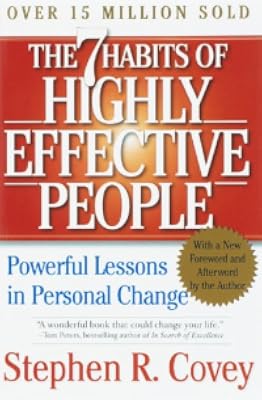
The 7 Habits of Highly Effective People: Powerful Lessons in Personal Change
by Stephen R. Covey
On This Page
Description
In The 7 Habits of Highly Effective People, author Stephen R. Covey presents a holistic, integrated, principle-centered approach for solving personal and professional problems. With insights and anecdotes, Covey reveals a step-by-step pathway for living with fairness, integrity, service, and human dignity -- principles that give us the security to adapt to change and the wisdom and power to take advantage of the opportunities that change creates.Tags
Recommendations
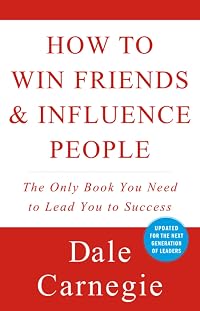
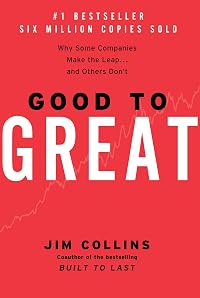
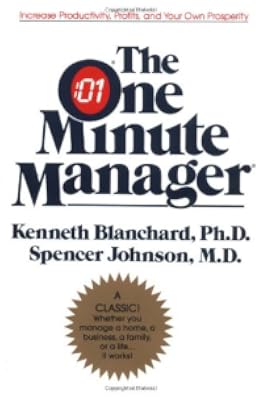
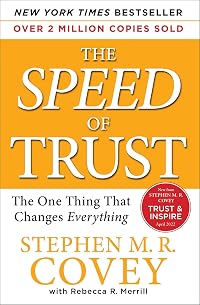
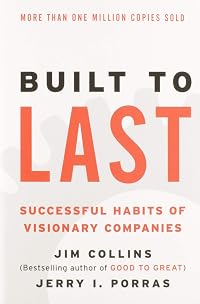
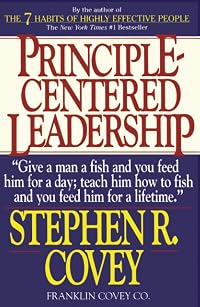
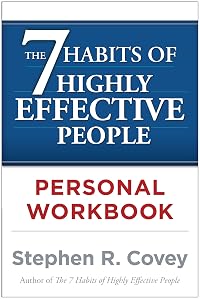
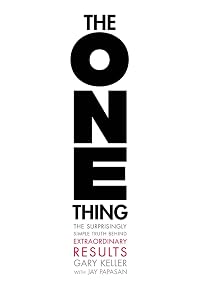

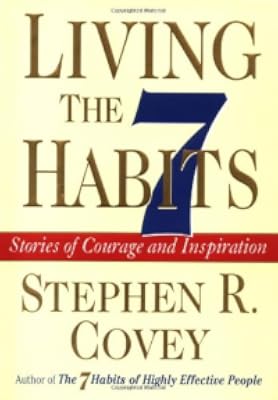
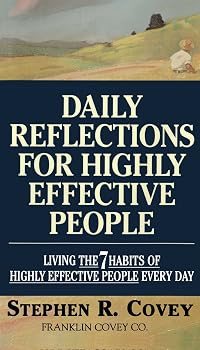
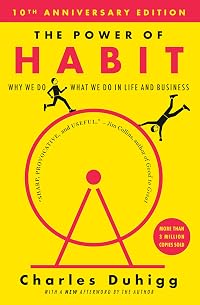
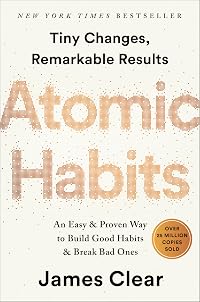
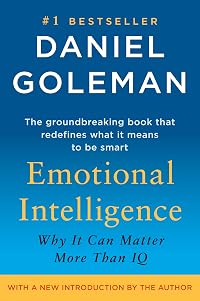
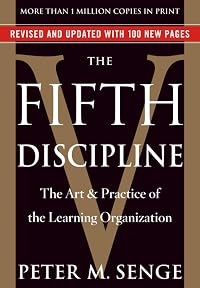
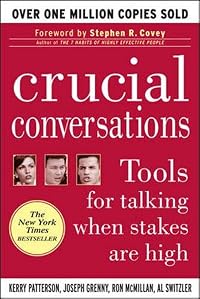
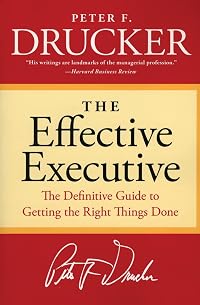
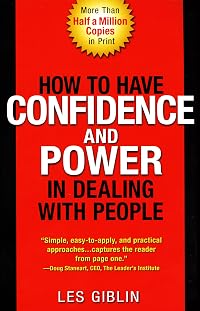
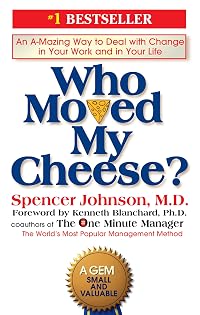
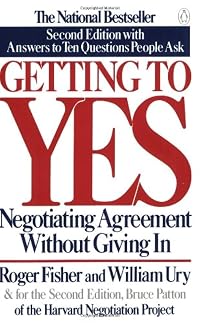
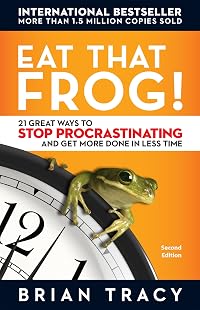
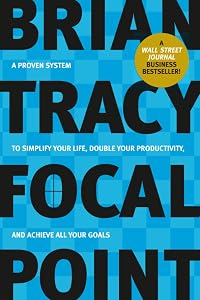
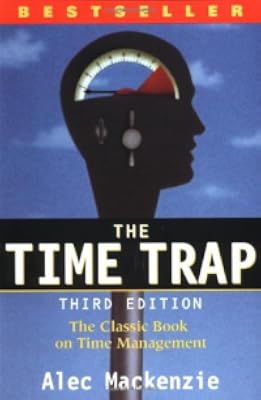
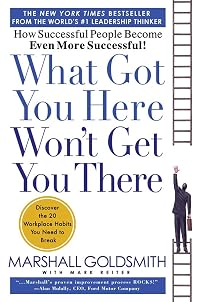
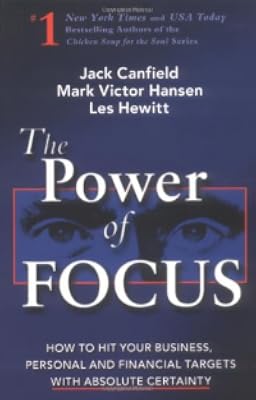
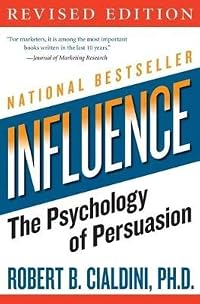
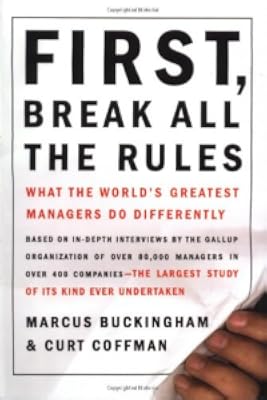
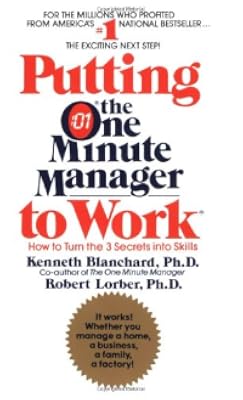
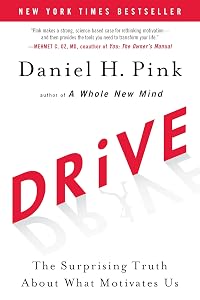
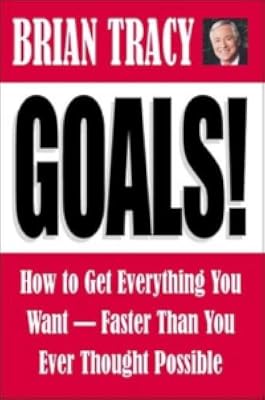
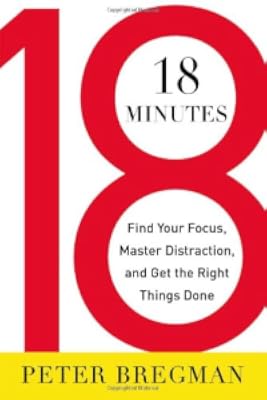
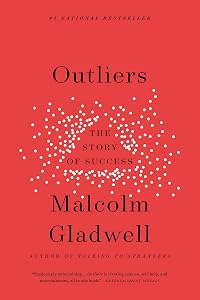
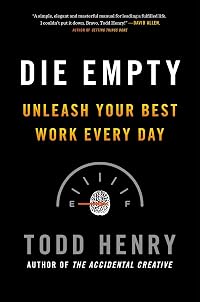
Member Recommendations
Member Reviews
7 Habits of Highly Effective People, a book that ends up on countless lists of the best and most overrated books ever. Naturally by my rating, the camp I land it is clear, though with some caveats. In reviewing this book I feel I need to review the content, and the way in which Covey presents it. The former I give 5 starts, the latter, around 4 stars, however I feel the content is much more important than the presentation.
I will go into detail later about the contents, but at the high level 7 Habits is a wonderfully obvious book. Nothing in it I would say hasn't been repeated elsewhere (though I wonder how much of the repetition is due to 7 Habits), nor is anything in it a huge leap in thinking. Yet these obvious, deceptively simple show more habits form a core of what a person must do to succeed. There are two more controversial habits, namely thinking win-win and synergizing, which I will address in the in-depth section, but overall the habits can be agreed upon to be critical to a person's success (baring an extreme outlier, e.g. coming from money, incredible genius, etc...)
But enough talking around the subject, what is Covey going on about? He characterizes a person's development as going from being Dependent to Independent to Interdependence. That is from being dependent on others, like a child, to being independent, able to manage your own life, to interdependent, working with others to make everyone's life better.
Covey's first three habits are what raises you from dependent to independent. These are private victories, which others may notice, but don't directly affect other people.
Habit 1: Be proactive
This involves a shift in thinking more than any direct action. Covey challenges the reader to be proactive, taking charge of their life by realizing that everything they feel, do, say is a choice they make. You feel angry because you choose to be, you don't do your work because that was your choice, you aren't closer to certain people because you choose not to make the effort and so on. The kneejerk reaction is that there are external factors controlling you, when in reality they may bear on you, yell in your ear about what you should do, but ultimately everything a person does is because they allowed themselves to choose to do so. And it is on that individual to take responsibility, take action and own whatever they do with their life.
Habit 2: Begin with the end in mind
Honestly, a really straightforward and simple habit. Merely decide what the end goal is for yourself. Is it to be a doctor? To work at Apple? To conquer the world? To simply be the best father you can be? Whatever your life goals are, you need to actually sit down and figure those out, and once you do start to plan what needs to be done to reach that goal. What do you need to study, to read, to learn, etc... to be what you want to be.
Habit 3: Put first things first
Naturally following the second habit, this one is all about prioritizing. It's possible you have several life goals, and within each goal there are certain things you have to do. The next step is deciding what's most important, what needs to happen first to start achieving your goals, and which goals are more important than others.
Covey offers two tools to use to help this. The first one is essentially the Eisenhower Matrix. It's a four quadrant box, divided into:
Quadrant 1: Important and urgent
* Usually crises or things which can't wait, e.g. taxes due, chores, emails with deadlines, heart attacks
Quadrant 2: Important and not urgent
* Usually the thinsg which help you grow, e.g. planning, reading, learning, studying, maintenance, budgeting
Quadrant 3: Unimportant and Urgent
* Usually things which have a deadline, but don't help you achieve your goals, e.g. texts from friends, phone calls, many emails, helping others.
Quadrant 4: Unimportant and non urgent
* Honestly, where most fun things end up, e.g. video games tv, Facebook, shopping
The ideal is to get rid of as much as in Quadrants 1, 3, and 4 as possible (though some fun in Q4 is required to being able to enjoy life), to focus on Q2. Q1 tasks can't be ignored and should be done first thing, but once they are, spend some time doing what you can in Q2 to reduce the number of Q1 tasks you have. An ounce of prevention is worth a pound of cure.
In Q2 is where you really can make your Habit 2 goals possible, learning, studying, working, doing whatever is needed to get to the end you have in mind.
The second tool Covey offers is simply his version of a To Do list (which looked awfully similar to the one I developed for myself before reading). Namely now that you know what you want to do in life (in theory at least), break down what you need to do into weekly tasks, and then daily tasks. Make a list of everything you want to do in the week, what needs to be done to achieve that weekly goal, and decide on your daily to do list. He has this whole theory of time management, going from reacting to daily to do lists to scheduling to daily planners to long term planning. Which was a bit weak to me but it's not a bad hypothesis.
Covey's first second habits are what raises you from independent to interdependent. These are pubic victories, which can only be done by working with others to grow beyond yourself. These are habits which you can't do alone, and require you to learn how to work with others, and also where Covey has less direct advice, as each situation is different.
Habit 4: Think win-win
One of Covey's two real controversial habits, probably the most controversial in terms of what it says. Covey challenges the reader to think Win-Win, that is to enter relationships, deals, interactions of every nature with the idea that both sides should come out ahead. Especially in today's political climate, this is often perceived as childish, or naive, where it's better to win at any cost. Before I go into more, I want to talk about the situations that Covey suggests someone can enter in (These can easily be compared to the Prisoner's Dilemma in terms of win/lose, though better since there can be communication between both parties)
Win-Lose: The most common "winner" personality. The kind that feels that in order to win, the other person has to lose. Especially driven since in society we like "winners", in sports, sales, and more. Generally the feeling that is there is only one pie of what to "win" and that having more of the pie means you're winning, and if someone else is winning that means there's less pie for you. They love competing and seeing others lose so they're at the top of the pyramid looking down on others. They find it hard to be happy for others when something good happens to someone else.
Lose-Win: The type of person who often feels conflict is to be avoided, that they will sacrifice themselves for someone else to be successful. A common feeling is "the customer is always right" or "I'll just do what my boss says". Many times they do make other people happy, but they're not as happy. If they run a business they're undercharging or working extra to get a sale, or in relationships they do all the planning, work, etc... to make the other happy. Could be an abusive relationship at the extreme.
Lose-Lose: Simply put, sacrificing everything so at least if you don't win, the other person is also losing. Or getting revenge. They care more about the other person losing than anything else.
Win-Win: Really the hardest of the above. It's easy to give up, or to make someone else lose at your own cost, or to drive someone down just so you can succeed. Thinking Win-Win allows you to think how can you both succeed to get the most. The hardest part is realizing and accepting that at times you might not win as much as you would in Win-Lose initially, but knowing it is overall for the best. Sounds stupid, right? That's the same mentality that sacrifices long term success for short term gains. Covey suggests that by making both sides win, it encourages further future winning for both sides, as they work together even more, benefiting from each other for greater future success. People who enter deals both coming out ahead are more likely to have more deals. If one side is losing all the time, why would the loser want to work with the winner again? The winner is constantly having to find more people to take advantage of, while two winners can win more, and in fact expand to help more win. An example of this is an entrepreneur making a product their customer wants and is a fair price, encouraging further development and purchases, and spreading word about how good the product is. Or in a relationship, a couple who make each other happy will continue to make each other even happier over time.
Habit 5: Seek first to understand, then to be understood
Covey tries to communicate here that it is more important to first listen to someone and then speak. But listening goes deeper than just hearing the words someone is saying, it's listening to the meaning, the intent, the feeling behind the words. Further what may seem to be a trivial annoyance to one party, may be life defining for another and should not be belittled. A classic example are the difficulties of teenagers lives which parents just tell them to "grow up", only causing the teenagers to resent the parents. Or a group of individuals who are downtrodden told to just work harder, without the others around them realizing that they were never taught skills, or are disenfranchised against, or simply lack the opportunities to succeed.
This is the the same as putting yourself in someone else's shoes to understand them. Once you know the background of someone's problem, issue, idea, only then can you make them understand your solution or idea. If you have a great idea, no one is going to listen if you don't care about them. Further you can improve your idea/solution by recognizing the real, root cause of the other person's thoughts.
Habit 6: Synergize
The second divisive habit of Covey's, mostly because of how generic it sounds. Corporate culture loves to through around the word "synergize" these days and reading it feels like more buzzwords. Which it does, no doubt, but that's not to say it's wrong by any stretch. Every individual, group, company, nation has its own strengths and weaknesses. It behooves a leader to figure out how to best make use of everyone's strengths to make the most effective team. You don't assign the person who knows how to code to do sales and have the sales guy do coding (normally), or you don't have the nation that has wonderful farmland start mining and have the country full of minerals start farming. This habit is all about working on each others strengths to make the whole greater than the sum of its parts. So, buzzwordy, but not wrong.
Habit 7: Sharpen the saw
Finally the last habit is merely to not stop learning and growing. Covey offers that an individual is never down making themselves better. They need to grow they're Body, Mind, Spirit, and Heart by constantly challenging themselves and seeking out new opportunities. Be a lifelong learner and revisit the prior six habits to figure out how to make yourself grow.
That was the content of the book, which I obviously agree with. I do feel it's learnings are most useful to someone young in their life, to maximize gains, or someone who actually is in the Win-Lose mentality to learn how to be even better. Not that the book is bad for anyone, it never hurts to revisit good ideas.
Now in terms of presentation, like most of these self-help or business books, I do feel that Covey falls into the habit of padding out the book some to make it longer. It could probably be a third as long and just as effective. Really it's a book that made me glad I read "How to Read a Book", getting the most value in the least time. I did not read every page, but I did read the major parts and parts that grabbed my attention. Further Covey is very religious and presents most situations in terms of manager/employee, husband/wife, or father/son, which could put off some readers. But really it doesn't harm the book much if at all, and it's a book I would suggest everyone should at least skim through in detail, giving it an Inspectional Reading. show less
I will go into detail later about the contents, but at the high level 7 Habits is a wonderfully obvious book. Nothing in it I would say hasn't been repeated elsewhere (though I wonder how much of the repetition is due to 7 Habits), nor is anything in it a huge leap in thinking. Yet these obvious, deceptively simple show more habits form a core of what a person must do to succeed. There are two more controversial habits, namely thinking win-win and synergizing, which I will address in the in-depth section, but overall the habits can be agreed upon to be critical to a person's success (baring an extreme outlier, e.g. coming from money, incredible genius, etc...)
But enough talking around the subject, what is Covey going on about? He characterizes a person's development as going from being Dependent to Independent to Interdependence. That is from being dependent on others, like a child, to being independent, able to manage your own life, to interdependent, working with others to make everyone's life better.
Covey's first three habits are what raises you from dependent to independent. These are private victories, which others may notice, but don't directly affect other people.
Habit 1: Be proactive
This involves a shift in thinking more than any direct action. Covey challenges the reader to be proactive, taking charge of their life by realizing that everything they feel, do, say is a choice they make. You feel angry because you choose to be, you don't do your work because that was your choice, you aren't closer to certain people because you choose not to make the effort and so on. The kneejerk reaction is that there are external factors controlling you, when in reality they may bear on you, yell in your ear about what you should do, but ultimately everything a person does is because they allowed themselves to choose to do so. And it is on that individual to take responsibility, take action and own whatever they do with their life.
Habit 2: Begin with the end in mind
Honestly, a really straightforward and simple habit. Merely decide what the end goal is for yourself. Is it to be a doctor? To work at Apple? To conquer the world? To simply be the best father you can be? Whatever your life goals are, you need to actually sit down and figure those out, and once you do start to plan what needs to be done to reach that goal. What do you need to study, to read, to learn, etc... to be what you want to be.
Habit 3: Put first things first
Naturally following the second habit, this one is all about prioritizing. It's possible you have several life goals, and within each goal there are certain things you have to do. The next step is deciding what's most important, what needs to happen first to start achieving your goals, and which goals are more important than others.
Covey offers two tools to use to help this. The first one is essentially the Eisenhower Matrix. It's a four quadrant box, divided into:
Quadrant 1: Important and urgent
* Usually crises or things which can't wait, e.g. taxes due, chores, emails with deadlines, heart attacks
Quadrant 2: Important and not urgent
* Usually the thinsg which help you grow, e.g. planning, reading, learning, studying, maintenance, budgeting
Quadrant 3: Unimportant and Urgent
* Usually things which have a deadline, but don't help you achieve your goals, e.g. texts from friends, phone calls, many emails, helping others.
Quadrant 4: Unimportant and non urgent
* Honestly, where most fun things end up, e.g. video games tv, Facebook, shopping
The ideal is to get rid of as much as in Quadrants 1, 3, and 4 as possible (though some fun in Q4 is required to being able to enjoy life), to focus on Q2. Q1 tasks can't be ignored and should be done first thing, but once they are, spend some time doing what you can in Q2 to reduce the number of Q1 tasks you have. An ounce of prevention is worth a pound of cure.
In Q2 is where you really can make your Habit 2 goals possible, learning, studying, working, doing whatever is needed to get to the end you have in mind.
The second tool Covey offers is simply his version of a To Do list (which looked awfully similar to the one I developed for myself before reading). Namely now that you know what you want to do in life (in theory at least), break down what you need to do into weekly tasks, and then daily tasks. Make a list of everything you want to do in the week, what needs to be done to achieve that weekly goal, and decide on your daily to do list. He has this whole theory of time management, going from reacting to daily to do lists to scheduling to daily planners to long term planning. Which was a bit weak to me but it's not a bad hypothesis.
Covey's first second habits are what raises you from independent to interdependent. These are pubic victories, which can only be done by working with others to grow beyond yourself. These are habits which you can't do alone, and require you to learn how to work with others, and also where Covey has less direct advice, as each situation is different.
Habit 4: Think win-win
One of Covey's two real controversial habits, probably the most controversial in terms of what it says. Covey challenges the reader to think Win-Win, that is to enter relationships, deals, interactions of every nature with the idea that both sides should come out ahead. Especially in today's political climate, this is often perceived as childish, or naive, where it's better to win at any cost. Before I go into more, I want to talk about the situations that Covey suggests someone can enter in (These can easily be compared to the Prisoner's Dilemma in terms of win/lose, though better since there can be communication between both parties)
Win-Lose: The most common "winner" personality. The kind that feels that in order to win, the other person has to lose. Especially driven since in society we like "winners", in sports, sales, and more. Generally the feeling that is there is only one pie of what to "win" and that having more of the pie means you're winning, and if someone else is winning that means there's less pie for you. They love competing and seeing others lose so they're at the top of the pyramid looking down on others. They find it hard to be happy for others when something good happens to someone else.
Lose-Win: The type of person who often feels conflict is to be avoided, that they will sacrifice themselves for someone else to be successful. A common feeling is "the customer is always right" or "I'll just do what my boss says". Many times they do make other people happy, but they're not as happy. If they run a business they're undercharging or working extra to get a sale, or in relationships they do all the planning, work, etc... to make the other happy. Could be an abusive relationship at the extreme.
Lose-Lose: Simply put, sacrificing everything so at least if you don't win, the other person is also losing. Or getting revenge. They care more about the other person losing than anything else.
Win-Win: Really the hardest of the above. It's easy to give up, or to make someone else lose at your own cost, or to drive someone down just so you can succeed. Thinking Win-Win allows you to think how can you both succeed to get the most. The hardest part is realizing and accepting that at times you might not win as much as you would in Win-Lose initially, but knowing it is overall for the best. Sounds stupid, right? That's the same mentality that sacrifices long term success for short term gains. Covey suggests that by making both sides win, it encourages further future winning for both sides, as they work together even more, benefiting from each other for greater future success. People who enter deals both coming out ahead are more likely to have more deals. If one side is losing all the time, why would the loser want to work with the winner again? The winner is constantly having to find more people to take advantage of, while two winners can win more, and in fact expand to help more win. An example of this is an entrepreneur making a product their customer wants and is a fair price, encouraging further development and purchases, and spreading word about how good the product is. Or in a relationship, a couple who make each other happy will continue to make each other even happier over time.
Habit 5: Seek first to understand, then to be understood
Covey tries to communicate here that it is more important to first listen to someone and then speak. But listening goes deeper than just hearing the words someone is saying, it's listening to the meaning, the intent, the feeling behind the words. Further what may seem to be a trivial annoyance to one party, may be life defining for another and should not be belittled. A classic example are the difficulties of teenagers lives which parents just tell them to "grow up", only causing the teenagers to resent the parents. Or a group of individuals who are downtrodden told to just work harder, without the others around them realizing that they were never taught skills, or are disenfranchised against, or simply lack the opportunities to succeed.
This is the the same as putting yourself in someone else's shoes to understand them. Once you know the background of someone's problem, issue, idea, only then can you make them understand your solution or idea. If you have a great idea, no one is going to listen if you don't care about them. Further you can improve your idea/solution by recognizing the real, root cause of the other person's thoughts.
Habit 6: Synergize
The second divisive habit of Covey's, mostly because of how generic it sounds. Corporate culture loves to through around the word "synergize" these days and reading it feels like more buzzwords. Which it does, no doubt, but that's not to say it's wrong by any stretch. Every individual, group, company, nation has its own strengths and weaknesses. It behooves a leader to figure out how to best make use of everyone's strengths to make the most effective team. You don't assign the person who knows how to code to do sales and have the sales guy do coding (normally), or you don't have the nation that has wonderful farmland start mining and have the country full of minerals start farming. This habit is all about working on each others strengths to make the whole greater than the sum of its parts. So, buzzwordy, but not wrong.
Habit 7: Sharpen the saw
Finally the last habit is merely to not stop learning and growing. Covey offers that an individual is never down making themselves better. They need to grow they're Body, Mind, Spirit, and Heart by constantly challenging themselves and seeking out new opportunities. Be a lifelong learner and revisit the prior six habits to figure out how to make yourself grow.
That was the content of the book, which I obviously agree with. I do feel it's learnings are most useful to someone young in their life, to maximize gains, or someone who actually is in the Win-Lose mentality to learn how to be even better. Not that the book is bad for anyone, it never hurts to revisit good ideas.
Now in terms of presentation, like most of these self-help or business books, I do feel that Covey falls into the habit of padding out the book some to make it longer. It could probably be a third as long and just as effective. Really it's a book that made me glad I read "How to Read a Book", getting the most value in the least time. I did not read every page, but I did read the major parts and parts that grabbed my attention. Further Covey is very religious and presents most situations in terms of manager/employee, husband/wife, or father/son, which could put off some readers. But really it doesn't harm the book much if at all, and it's a book I would suggest everyone should at least skim through in detail, giving it an Inspectional Reading. show less
Such a bland and simplistic excercise in random facts dropping. I should emphasize random. Most examples are almost unbelievably random. Here's an example:
"Your Four Unique Human Gifts
...
Developing all four of these gifts is vital to proactivity. You cannot neglect one of them because the key is in the synergy or the relationship among them. Hitler, for example..."
Hitler?!!? That I did not see coming.
The entire book seems like just a long list of small and forgettable stories from his kitchen interspersed, as bait for the eager reader with phrases like this:
"This transcendence is fundamental to the life force in all of us and helps unleash the propensity to become, to grow, to develop."
At first I was not sure why I found it so off show more putting. After all what he says is not wrong. It's not that. His advice is just not important enough to be put in a book, most of the time just one cliché after another. The "don't eat yellow snow" kind of wisdom but hidden behind big words and drowning in piles of nothing, of plain noise.
If you were to take out the noise and keep just the message he wants to convey it would be 10 pages long. And it would still be boring.
Find something else to read... show less
"Your Four Unique Human Gifts
...
Developing all four of these gifts is vital to proactivity. You cannot neglect one of them because the key is in the synergy or the relationship among them. Hitler, for example..."
Hitler?!!? That I did not see coming.
The entire book seems like just a long list of small and forgettable stories from his kitchen interspersed, as bait for the eager reader with phrases like this:
"This transcendence is fundamental to the life force in all of us and helps unleash the propensity to become, to grow, to develop."
At first I was not sure why I found it so off show more putting. After all what he says is not wrong. It's not that. His advice is just not important enough to be put in a book, most of the time just one cliché after another. The "don't eat yellow snow" kind of wisdom but hidden behind big words and drowning in piles of nothing, of plain noise.
If you were to take out the noise and keep just the message he wants to convey it would be 10 pages long. And it would still be boring.
Find something else to read... show less
I read this recently for a Personal Leadership graduate course in Management that I am taking. It is a wonderful book with lots of practical insights about the importance of principles and implementing them in one's life. What makes this book so impactful is that Covey is very determined to illustrate ideas and concepts with practical guidance and illuminating stories. Everything is very logically organized and builds on the preceding material--and you can very easily begin incorporating insights in your day-to-day affairs without a total upheaval. A couple of examples for me: 1) the notion of time management on the week vs. the day - this is such a better way of trying to make sure you work on the more important and less urgent show more projects one has in multiple areas of one's life; 2) the second is the mechanism of apportioning time in personal and professional setting, of thinking of things as fitting a 2x2 grid of importance and urgency and trying to minimize as much as possible the things that don't fit into the important/not urgent category. This simple way of analyzing the things one perceives as important vs. what is actually important is critically amazing for shedding tasks and errands that aren't really very important at all and embracing delegation and management of tasks that are impeding upon important/non-urgent activities where you're going to be much more effective and impactful. show less
The 7 Habits of Highly Effective People by Stephen R. Covey is a timeless self-help book that provides an easy to follow guide to identifying one's roles in life as well as one's strengths and weaknesses. The book provides explanations and exercises to aid one in adopting habits to create a life that better suits individuals looking to lead more effective lives. Covey's The 7 Habits of Highly Effective People has been read and practiced by many people because it is well written, easy to understand, and a practical way to improve one's life.
I decided to finally read this as the teen version of this book, The 7 Habits Of Highly Effective Teen by Sean Covey, was one of the formative books of my childhood. Having read that version so many times when I was younger, I already knew and understood most of the principles of the 7 habits that Stephen R. Covey talks about. I actually think the teen version is clearer about what the 7 habits are though. In this book for adults, Covey uses a ton of personal development jargon and lists of 7 habits, 4 freedoms, major principles, etc., which tends to add confusion to his ideas rather than clarify them. I guess some jargon is expected of a self-help book (and I suspect it was necessary so that he could brand his concepts and sell them as show more products and workshops) but I thought it complicated his ideas-- they would have been communicated better if they were all couched in much simpler terms, without labeling them as specific principles. I doubt I would have understood everything had I not read the teen version, which I first read at 11 or 12 years old and soaked up everything-- that one was very good at distilling Covey's ideas down to its essentials.
Some of my personal takeaways from this book include when he talks about the difference between gofer and stewardship delegation-- gofer delegation means just telling people what to do where as stewardship delegation is giving someone a task but allowing for freedom and autonomy. The person is given a task with fewer guidelines, which allows them to take ownership of the work and gain personal responsibility over it, instead of following a set of instructions blindly. I also like what he says about trying to find a third way in an argument or negotiation rather than one side getting what they want or even compromise. For Covey, compromise isn't enough nor does it truly make both sides happy, and he encourages people to try to sincerely listen to and understand what the other side wants in order to come to a solution that satisfies both sides (seek to listen before speaking).
While the book is somewhat overwritten (I really think it could be half its length), the core principles covered are quite sound and extremely important and relevant, regardless of who you are, or kind of life you live, what cultural/religious/political background you're from. It's definitely a worthwhile read for anyone interested in personal management and development. (For younger people though, I recommend you just check out The 7 Habits Of Highly Effective Teens by Sean Covey as it's far shorter while covering all of the important points, is illustrated, and much easier to understand.) show less
Some of my personal takeaways from this book include when he talks about the difference between gofer and stewardship delegation-- gofer delegation means just telling people what to do where as stewardship delegation is giving someone a task but allowing for freedom and autonomy. The person is given a task with fewer guidelines, which allows them to take ownership of the work and gain personal responsibility over it, instead of following a set of instructions blindly. I also like what he says about trying to find a third way in an argument or negotiation rather than one side getting what they want or even compromise. For Covey, compromise isn't enough nor does it truly make both sides happy, and he encourages people to try to sincerely listen to and understand what the other side wants in order to come to a solution that satisfies both sides (seek to listen before speaking).
While the book is somewhat overwritten (I really think it could be half its length), the core principles covered are quite sound and extremely important and relevant, regardless of who you are, or kind of life you live, what cultural/religious/political background you're from. It's definitely a worthwhile read for anyone interested in personal management and development. (For younger people though, I recommend you just check out The 7 Habits Of Highly Effective Teens by Sean Covey as it's far shorter while covering all of the important points, is illustrated, and much easier to understand.) show less
The reasoning behind the book relies entirely on 1) knowable, "correct" principles and 2) anecdotes. If you're willing to consent that there could be such a thing as a "correct" principle then this book may not leave you cringing uncontrollably. However, the way he presents anecdotes as proofs will -- and his attempts to redefine words poetically to shape philosophy is unnecessary in the modern world of psychological studies.
This book is not a must-read. I gave it a 2 out of 5 only because some pieces were unintentionally thought-provoking. I'm certain they were unintentional because they had no context -- although lacking context is apparently a central tenant of his writing. The most powerful quotes from the book are the author show more quoting someone else. You get a second-hand look at psychology that you'd be better off reading from well-written researchers (see Thinking, Fast and Slow). If any ideas were monumental at the time (1989) they are not now and you'll get nothing more from reading them here. show less
This book is not a must-read. I gave it a 2 out of 5 only because some pieces were unintentionally thought-provoking. I'm certain they were unintentional because they had no context -- although lacking context is apparently a central tenant of his writing. The most powerful quotes from the book are the author show more quoting someone else. You get a second-hand look at psychology that you'd be better off reading from well-written researchers (see Thinking, Fast and Slow). If any ideas were monumental at the time (1989) they are not now and you'll get nothing more from reading them here. show less
I've heard about this book for a long time, and finally read it. I liked that he points out repeatedly that there are no quick fixes, and his advice is sound. It's given me a lot of food for thought and work on myself.
Members
- Recently Added By
Published Reviews
ThingScore 75
Borrowing slightly from the concepts of Quantum Mechanics, The Seven Habits of Highly Effective People begins with the astute observation that people perceive the world differently, and because we view the world with our own unique "lens," it is difficult to separate the observation from the observer.
Covey says that we all have our own paradigm, which is our own map of how we perceive the show more world and how we think the world should be in our ideal view. Covey writes, "The way we see things is the source of the way we think and the way we act." show less
Covey says that we all have our own paradigm, which is our own map of how we perceive the show more world and how we think the world should be in our ideal view. Covey writes, "The way we see things is the source of the way we think and the way we act." show less
added by mikeg2
Lists

Best Self Help Books
87 works; 18 members
Wisdom
31 works; 5 members

Unread books
1,063 works; 87 members

Shaykh Hamza's Book Recommendations
439 works; 3 members

Men's healing resources
747 works; 1 member

Favorite 10 Books of the Upper Class For Developing Self-Discipline
10 works; 1 member

BitLife
212 works; 4 members

My List
302 works; 1 member

Books Read in 2022
5,166 works; 112 members

Best-selling Books by Latter-day Saints
58 works; 2 members

The Art of Manliness' 100+ Books Every Man Should Read
108 works; 2 members

Books Read in 2008
335 works; 8 members

Books on my Kindle
162 works; 3 members
Applied Systems Agile Library
18 works; 2 members

Books Read in 2016
4,666 works; 199 members

Blue Pyramid 1,276 Best Books of All Time
1,248 works; 32 members

Life and How to Live It
21 works; 4 members

Check Library
176 works; 1 member
Author Information

315+ Works 36,801 Members
Stephen R. Covey was born on October 24, 1932, in Salt Lake City, Utah. He received a degree in business administration from the University of Utah, an M.B.A. from Harvard Business School, and a D.R.E. from Brigham Young University. He was a teacher and administrator at Brigham Young University. In 1983, he founded the Covey Leadership Center, a show more training and consulting concern. He wrote numerous books on leadership, personal and organizational effectiveness, and family and interpersonal relationships. His best known book, The Seven Habits of Highly Effective People: Restoring the Character Ethic, first published in 1989. His other books include Principle Centered Leadership; First Things First: To Live, to Love, to Learn, and to Leave a Legacy; Daily Reflections for Highly Effective People; Seven Habits of Highly Effective Families; The 8th Habit: From Effectiveness to Greatness; and The 3rd Alternative. He received the Thomas More College Medallion and the Utah Symphony Fiftieth Anniversary Award in 1990, and the McFeely Award of the International Management Council for contributions and service in 1991. He died from injuries sustained in a bicycle accident on July 16, 2012 at the age of 79. (Bowker Author Biography) show less
Some Editions
Awards and Honors
Distinctions
Work Relationships
Is contained in
Contains
Has the adaptation
Is abridged in
Is parodied in
Inspired
Has as a student's study guide
Common Knowledge
- Canonical title
- The 7 Habits of Highly Effective People; The 7 Habits of Highly Successful People; The 7 Habits of Highly Effective People: Powerful Lessons in Personal Change
- Original title
- The 7 Habits of Highly Effective People [New Edition]; The 7 Habits of Highly Effective People: Powerful Lessons in Personal Change; 7 Basic Habits of Highly Effective People
- Alternate titles*
- I sette pilastri del successo: l'arte della leadership
- Original publication date
- 1989
- Epigraph
- There is no real excellence in all this world which can be separated from right living
DAVID STAR JORDAN
We are what we repeatedly do. Excellence, then, is not an act, but a habit.
ARISTOTLE
I know of no more encouraging fact than the unquestionable ability of man to elevate his life by a conscious endeavor.
HENRY DAVID THOREAU
What lies behind us and what lies before us are tiny matters compared to what lies within us.
OLIVER WENDALL HOLMES
Things which matter most must never be at the mercy of things which matter least.
GOETHE
There can be no friendship without confidence, and no confidence without integrity.
SAMUEL JOHNSON
We have committed the Golden Rule to memory; let us now commit it to life.
EDWIN MARKHAM
The heart has its reasons which reason knows not of.
PASCAL
I take as my guide the hope of a saint:
in crucial things, unity --
in important things, diversity --
in all things, generosity.
INAUGURAL ADDRESS OF PRESIDENT GEORGE BUSH
Sometimes when I consider what tremendous consequences come from little things. . .
I am tempted to think. . .
there are no little things.
BRUCE BARTON
The Lord works from the inside out. The world works from the outside in. The world would take people out of the slums. Christ takes the slums out of the people, and then they take themselves out of the slums. The world wou... (show all)ld mold men by hanging their environment. Christ changes men, who then change their environment. The world would shape human behavior, but Christ can change human nature.
EZRA TAFT BENSON - First words
- In more than 25 years of working with people in business, university, and marriage and family settings, I have come in contact with many individuals who have achieved an incredible degree of outward success, but have found th... (show all)emselves struggling with an inner hunger, a deep need for personal congruency and effectiveness and for healthy, growing relationships with other people.
- Last words
- (Click to show. Warning: May contain spoilers.)By centering our lives on correct principles and creating a balanced focus between doing and increasing our ability to do, we become empowered in the task of creating effective, useful, and peaceful lives. . .for ourselves, and for our posterity.
- Blurbers
- Bennis, Warren; Peck, M. Scott; Peale, Norman Vincent; Robbins, Anthony; DeGarmo, Scott; Nooyi, Indra (show all 11); Hsieh, Tony; Huffington, Arianna; Collins, Jim; Angelou, Maya; Pink, Daniel H.
- Original language*
- English
- Disambiguation notice
- ISBN 0738504106 - WorldCat and Amazon both return for Rochester Neighborhoods by Shirley Cox Husted and Ruth Rosenberg-Naparsteck
Do not combine with any of the abridged audiobooks, ISBNs are: 188321937X, 067... (show all)1315285, 1883219973, 0671687964, 0802514553, 0743538528, 0671869469, 1616574925, 1455892823, 0671853236, 0743501071, 0743501535, 1933499397
Unabridged audiobook ISBNs are: 1491586761 [1 CD, MP3, 14 hrs.], 1929494750 [3 CDs, 14 hrs.], 188321923X [8 cassettes and 1 workbook], 1480568317 [14 CDs, 14 hrs.], 1455892807 [MP3, 13 hrs.], 1455892785 [13 CDs, 13 hrs.], 1469200716 [7 CDs, 8 hrs., 15 min.], 1455893560 [7 CDs, 8 hrs.]
Unknown whether abridged or unabridged: 1883219027 [4 CDs, 4 hr., 30 mins. OR 4 cassettes, 6 hrs.], 1929494157 [6 CDs, 5 hrs.], 1599128284, 1883219337 [6 cassettes], 1933976004, 1442354895, 8360313563 [MP3, 12 hrs., 30 min.], 9992006684 [cassette]
Per WorldCat, the title of this book indicates it to be a new edition.
Unknown if audiobook is abridged or unabridged
Audiobook - unknown if abridged or unabridged
*Some information comes from Common Knowledge in other languages. Click "Edit" for more information.
Classifications
Statistics
- Members
- 20,876
- Popularity
- 268
- Reviews
- 195
- Rating
- (3.86)
- Languages
- 31 — Bulgarian, Catalan, Czech, Danish, Dutch, English, French, German, Greek, Gujarati, Hindi, Hungarian, Indonesian, Italian, Japanese, Korean, Lithuanian, Malayalam, Norwegian (Bokmål), Norwegian, Polish, Romanian, Russian, Croatian, Slovak, Spanish, Swedish, Tamil, Turkish, Portuguese (Portugal), Chinese, traditional
- Media
- Paper, Audiobook, Ebook
- ISBNs
- 256
- UPCs
- 6
- ASINs
- 110