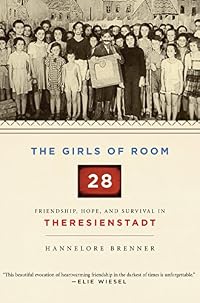
The Girls of Room 28: Friendship, Hope, and Survival in Theresienstadt
by Hannelore Brenner
On This Page
Description
From 1942 to 1944, twelve thousand children passed through the Theresienstadt internment camp on their way to Auschwitz. Only a few hundred of them survived the war. In the mid-1990s, German journalist Hannelore Brenner met ten of these child survivors--women in their late seventies today. Weaving these interviews with excerpts from diaries that were kept secretly during the war and samples of the art, music, and poetry created at Theresienstadt, Brenner gives us an unprecedented picture of show more daily life there, and of the extraordinary strength, sacrifice, and indomitable will that combined to make survival possible. show lessTags
Recommendations

























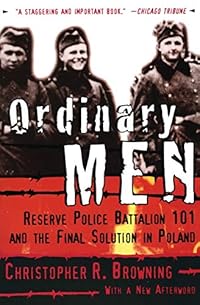
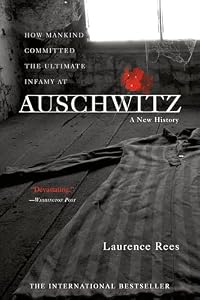






Member Recommendations
Member Reviews
Hannelore Brenner’s The Girls of Room 28: Friendship, Hope, and Survival in Theresienstadt is a compelling historical read concerning the Shoah/Holocaust in its focus on ten young teen-aged survivors who witnessed what no child or adult should ever have to confront. Their individual stories, told to Brenner when they were in their seventies, are filled with courage and strength,
I feel privileged to have read their stories. Not only have the girls honored and payed tribute to all of the girls who entered the walls of the ghetto and of room 28, but also the memories of all the children who were unwilling participants in the Shoah/Holocaust, Jewish or otherwise. Their darkest hours and days are depicted with respect and sensitivity. show more Hannelore Brenner has paid true tribute and honor to all of them with her extensive research and dedication, and her sensitivity to the issues at hand.
The historical content in this book is invaluable. The Girls of Room 28 is seen from the unique perspective of teen-aged girls held within the Theresienstadt concentration camp, ranging in ages that span approximately twelve to fourteen. It belongs in every public school, college, university, library and on every personal book shelf. show less
I feel privileged to have read their stories. Not only have the girls honored and payed tribute to all of the girls who entered the walls of the ghetto and of room 28, but also the memories of all the children who were unwilling participants in the Shoah/Holocaust, Jewish or otherwise. Their darkest hours and days are depicted with respect and sensitivity. show more Hannelore Brenner has paid true tribute and honor to all of them with her extensive research and dedication, and her sensitivity to the issues at hand.
The historical content in this book is invaluable. The Girls of Room 28 is seen from the unique perspective of teen-aged girls held within the Theresienstadt concentration camp, ranging in ages that span approximately twelve to fourteen. It belongs in every public school, college, university, library and on every personal book shelf. show less
Orphaned girls, some as young as 11, who lived in the barracks at Theresienstadt and suffered the brutality of World War II, survived to find each other after the Iron Curtain was thrown open. They managed to hold yearly reunions, feeling the camaraderie of sisters whenever they got together. This is their story.
Fifteen female survivors of Room 28, tell the story of how their little community was created in this supposed, model prison camp. It became a “home” which enabled them to mature and make lasting friendships. Yes, conditions in Theresienstadt were better than in most concentration camps, but they were all prisoners, nevertheless, victims of barbarians, awaiting death in horrible ways. They did have the benefit of being show more allowed to keep their luggage and belongings, few as they were, but they all eventually became hardened to the deprivation and began to appreciate the simplest of things as they watched their numbers dwindle.
In the “home”, there was the usual rivalry of “siblings” living in close quarters, but it was quickly conquered as the situation inspired loyalty, and in most cases they swore allegiance to each other vowing never to do anything that would betray any of them. They witnessed horrific scenes, were always hungry, had no creature comforts, but it was better than the situation in the “death” camps. The numbers of children that were lost during this time is unimaginable. It is really hard to understand the inhumanity of these people who perpetrated this travesty of justice upon an innocent population.
The adults in Theresienstadt were determined to educate the young children and to give them as much of a normal life as they could, although it became more and more difficult. Counselors welcomed new inmates; classes were held, volunteers taught religious education; holidays were celebrated, and on some occasions, gifts were exchanged; food was shared and plays and operas were put on and performed by the children. The counselors seemed to be quasi-guardians for these orphans, some of whom came to this “model prison” alone, without friend or family member.
Although there were too many unrecognizable names to remember and too many excessive descriptions to keep track of, the amazing resilience and courage of all the “inmates” comes through in each of the stories relating their memories. The diaries and notebooks recovered provide an inside look into the horrors of that era and are invaluable. They tell of suicides, escape attempts, and the tragedy of watching loved ones murdered without being able to do anything. It speaks to the courage of those who joined their friends and family who were condemned, rather than go on with their lives without them. They speak of the tender awakening of the girls as some suddenly became aware of, and began to take an interest in, the opposite sex, even in such a place. The romances were often painful because the young lovers were quickly separated and never heard from again. Some took their own lives in the face of the hopelessness.
The children and adults in Theresienstadt were kept largely ignorant of the outside world. They had little idea of what was happening except for whispered rumors. They were all united in the hope that the Germans would be defeated so they could be free to pursue normal lives with dreams of homes, an education, good jobs and families of their own. Though they tried hard to keep up their spirits, they often wondered how such a thing could be happening to them; they could not understand what they had done to deserve such treatment. They didn’t understand how The Red Cross and other representatives turned a blind eye to what they would have seen if only they had looked closer when they came to inspect the camp.
As the war progressed, conditions worsened. It was harder to keep everything clean; bed bugs and fleas, lice and filth were often problems. These were children who were forced to deal with problems adults might find insurmountable, and yet, they rose to the task. There were constant transports and the fear of losing friends and family was always present. When friends and family were forced to board trains, they were never heard from again. They were shipped to places like Treblinka, Auschwitz, Bergen Belson and, ultimately, the gas showers and the crematoria. They were subjected to inhuman conditions, sadistic human beings, torture and cold blooded murder.
When the war finally ended, some survivors were then trapped behind the Iron Curtain, once again prisoners. Some survivors were mere shadows of their former selves, barely able to stand, their bodies broken and their minds lost. Few returned to normal life, few found survivors to reunite with, and few remained in, or were welcomed back to, their own home towns. It is really sad that the world and politics forced some of these miraculous survivors to go from one situation of captivity to another where their freedom was stolen once again.
Eventually, some survivors emigrated to Israel, some to America, some to other countries that welcomed them. They were resilient and strong after having survived the nightmare they were forced to live. Their stories tell of miraculous escapes from death, lucky moments of occasional kindness from a German or a soldier that kept them alive. These moments were all too rare. The victims were blamed for the way they were being treated, as if they had brought it on themselves with their “troubling” behavior. Their enemies were cruel and unforgiving and they robbed the world of some of the most talented and brilliant minds.
This book is a brief primer about the rise and fall of the Third Reich, the people who brought it about and the people who suffered through it. As the stories are told, the history is brought to life. It is a necessary read. The horror of the Holocaust must never be allowed to disappear from memory, even though years pass and those who experienced it die off. We must learn from the lessons of the past.
The children’s opera Brundibar, plays a large role in the book. It was written by Hans Krása who was also a prisoner in Theresienstadt. The opera performances and the plays, inspired the children and adults and gave them all a sense of hope and a few moments when they could forget their despair. Often, storylines held hidden messages for them, which were secret codes of defiance. The book is filled with quotes from operas and plays they performed and from entries in the diaries and notebooks that were preserved. They tell of forced marches, sometimes to nowhere and back, of never knowing from day to day if they would be called for a transport, of not knowing, but soon suspecting, what awaited those called away. Thousands were moved at once, packed like sardines without hygiene or food or fresh air or light. Thousands died from the deprivation and torture. They were starved and died in huge numbers without proper care or nutrition, without the medicine or comfort of loved ones around them.
Parents had abandoned their children in orphanages for Jewish children, assuming escape was too dangerous for them, assuming they would reunite with them, send for them, once they were safe. There were special laws for children for awhile, but then, the laws were changed and parents and children were cut off from each other without being able to reunite. In spite of the horrors and hardships, they dreamt of a future and prayed for the war’s end.
Because of the excessive detail as the story is told from more than a dozen points of view, it often became repetitive. However, it is a story that must be read so no one will forget the diabolical nature of the perpetrators, so no one forgets how cruelty can exist and grow if unchecked by good people everywhere, if greed and envy flourish rather than kindness and appreciation for the accomplishment of others.
The mixing of emotional anecdotal stories with historic facts sometimes became overwhelming. The book would be suitable for a classroom, for middle graders or high school students, too. With the guidance of a trained teacher, this could prove to be an invaluable teaching tool and learning experience. show less
Fifteen female survivors of Room 28, tell the story of how their little community was created in this supposed, model prison camp. It became a “home” which enabled them to mature and make lasting friendships. Yes, conditions in Theresienstadt were better than in most concentration camps, but they were all prisoners, nevertheless, victims of barbarians, awaiting death in horrible ways. They did have the benefit of being show more allowed to keep their luggage and belongings, few as they were, but they all eventually became hardened to the deprivation and began to appreciate the simplest of things as they watched their numbers dwindle.
In the “home”, there was the usual rivalry of “siblings” living in close quarters, but it was quickly conquered as the situation inspired loyalty, and in most cases they swore allegiance to each other vowing never to do anything that would betray any of them. They witnessed horrific scenes, were always hungry, had no creature comforts, but it was better than the situation in the “death” camps. The numbers of children that were lost during this time is unimaginable. It is really hard to understand the inhumanity of these people who perpetrated this travesty of justice upon an innocent population.
The adults in Theresienstadt were determined to educate the young children and to give them as much of a normal life as they could, although it became more and more difficult. Counselors welcomed new inmates; classes were held, volunteers taught religious education; holidays were celebrated, and on some occasions, gifts were exchanged; food was shared and plays and operas were put on and performed by the children. The counselors seemed to be quasi-guardians for these orphans, some of whom came to this “model prison” alone, without friend or family member.
Although there were too many unrecognizable names to remember and too many excessive descriptions to keep track of, the amazing resilience and courage of all the “inmates” comes through in each of the stories relating their memories. The diaries and notebooks recovered provide an inside look into the horrors of that era and are invaluable. They tell of suicides, escape attempts, and the tragedy of watching loved ones murdered without being able to do anything. It speaks to the courage of those who joined their friends and family who were condemned, rather than go on with their lives without them. They speak of the tender awakening of the girls as some suddenly became aware of, and began to take an interest in, the opposite sex, even in such a place. The romances were often painful because the young lovers were quickly separated and never heard from again. Some took their own lives in the face of the hopelessness.
The children and adults in Theresienstadt were kept largely ignorant of the outside world. They had little idea of what was happening except for whispered rumors. They were all united in the hope that the Germans would be defeated so they could be free to pursue normal lives with dreams of homes, an education, good jobs and families of their own. Though they tried hard to keep up their spirits, they often wondered how such a thing could be happening to them; they could not understand what they had done to deserve such treatment. They didn’t understand how The Red Cross and other representatives turned a blind eye to what they would have seen if only they had looked closer when they came to inspect the camp.
As the war progressed, conditions worsened. It was harder to keep everything clean; bed bugs and fleas, lice and filth were often problems. These were children who were forced to deal with problems adults might find insurmountable, and yet, they rose to the task. There were constant transports and the fear of losing friends and family was always present. When friends and family were forced to board trains, they were never heard from again. They were shipped to places like Treblinka, Auschwitz, Bergen Belson and, ultimately, the gas showers and the crematoria. They were subjected to inhuman conditions, sadistic human beings, torture and cold blooded murder.
When the war finally ended, some survivors were then trapped behind the Iron Curtain, once again prisoners. Some survivors were mere shadows of their former selves, barely able to stand, their bodies broken and their minds lost. Few returned to normal life, few found survivors to reunite with, and few remained in, or were welcomed back to, their own home towns. It is really sad that the world and politics forced some of these miraculous survivors to go from one situation of captivity to another where their freedom was stolen once again.
Eventually, some survivors emigrated to Israel, some to America, some to other countries that welcomed them. They were resilient and strong after having survived the nightmare they were forced to live. Their stories tell of miraculous escapes from death, lucky moments of occasional kindness from a German or a soldier that kept them alive. These moments were all too rare. The victims were blamed for the way they were being treated, as if they had brought it on themselves with their “troubling” behavior. Their enemies were cruel and unforgiving and they robbed the world of some of the most talented and brilliant minds.
This book is a brief primer about the rise and fall of the Third Reich, the people who brought it about and the people who suffered through it. As the stories are told, the history is brought to life. It is a necessary read. The horror of the Holocaust must never be allowed to disappear from memory, even though years pass and those who experienced it die off. We must learn from the lessons of the past.
The children’s opera Brundibar, plays a large role in the book. It was written by Hans Krása who was also a prisoner in Theresienstadt. The opera performances and the plays, inspired the children and adults and gave them all a sense of hope and a few moments when they could forget their despair. Often, storylines held hidden messages for them, which were secret codes of defiance. The book is filled with quotes from operas and plays they performed and from entries in the diaries and notebooks that were preserved. They tell of forced marches, sometimes to nowhere and back, of never knowing from day to day if they would be called for a transport, of not knowing, but soon suspecting, what awaited those called away. Thousands were moved at once, packed like sardines without hygiene or food or fresh air or light. Thousands died from the deprivation and torture. They were starved and died in huge numbers without proper care or nutrition, without the medicine or comfort of loved ones around them.
Parents had abandoned their children in orphanages for Jewish children, assuming escape was too dangerous for them, assuming they would reunite with them, send for them, once they were safe. There were special laws for children for awhile, but then, the laws were changed and parents and children were cut off from each other without being able to reunite. In spite of the horrors and hardships, they dreamt of a future and prayed for the war’s end.
Because of the excessive detail as the story is told from more than a dozen points of view, it often became repetitive. However, it is a story that must be read so no one will forget the diabolical nature of the perpetrators, so no one forgets how cruelty can exist and grow if unchecked by good people everywhere, if greed and envy flourish rather than kindness and appreciation for the accomplishment of others.
The mixing of emotional anecdotal stories with historic facts sometimes became overwhelming. The book would be suitable for a classroom, for middle graders or high school students, too. With the guidance of a trained teacher, this could prove to be an invaluable teaching tool and learning experience. show less
It is hard to fathom the depth of experiences detailed in this book, that people so young endured such suffering and yet were able to form deep friendships and a lust for life that is quite overwhelming. I thoroughly enjoyed this book. It is a lesson for humanity, one that sadly, I fear, humanity has yet to learn.
Other reviewers have found this text hard to read, or dry. I disagree. It seemed well ordered, extremely well researched, with easy language and illustration throughout. Perhaps because of my background I am more used to reading historical non-fiction than other readers, or seeking salient points out of passages of text. If you normally read novels and pick this up, you might find it dry, but if you regularly read academic show more texts or papers, you will find it rich, diverse and well expressed. show less
Other reviewers have found this text hard to read, or dry. I disagree. It seemed well ordered, extremely well researched, with easy language and illustration throughout. Perhaps because of my background I am more used to reading historical non-fiction than other readers, or seeking salient points out of passages of text. If you normally read novels and pick this up, you might find it dry, but if you regularly read academic show more texts or papers, you will find it rich, diverse and well expressed. show less
Several years ago (2013 I think) I happened to come across an article telling about the wonderful town in Czechoslavakia during World War 2, where the Jews were all happy, and healthy and the children were all in good health, and eating good food. This was the report of the International Red Cross who had insisted on seeing a Jewish ghetto or camp for themselves.
The Jews were forced by the Germans to clean up the Theresienstadt ghetto, allowed the children to perform their opera, provided extra special food and clean clothes, and generally put on a fake show for the red cross. The red cross went back to America telling everyone that the rumours of poor health and jews dying in the camps was false.
I have been interested in the show more Theresienstadt ghetto ever since. the article mentioned that many of the Jewish Intelligentsia of Prague were in that camp and that the children were allowed to sing, dance, make crafts and they held lessons in secret.
So totally different from the other camps such as Auschwitz, Ravensbruck, Chelmno and Sobibor.
So when I found this book about life in Theresienstadt at kobo, I grabbed it, but then never bothered to read it - until now.
This book was very very enjoyable to read. A little repetitive in places when the same events were being repeated from different perpectives, but otherwise most enjoyable.
Many of the Jewish intelligentsia of Prague, Brno and elsewhere in Czechoslovakia, had brought their books and musical instruments with them. These were confiscated and now became communal instruments and books - sort of an instruments and books library so to speak.
The Germans allowed the Jews to dance, sing, perform plays and operas, and be creative, but school lessons such as history, geography, languages, science, and maths were strictly forbidden, These had to be taught in secret.
There was a musical orchestra, and a library and several composers even wrote and arranged operas. The most popular opera was a childrens opera called Brundibar. It was about a organ grinder competing against the animals singing (in a choir) while begging for money.
As to the red cross visit in the summer of 1944, this was very meticulously described.
I wont got into details because it would take far too long, but you have to read this book for yourself to discover just how far the Germans were willing to go to deceive the western world!!
I thoroughly enjoyed this book. I gave it 5 stars. show less
As a huge history fan this book caught my eye right away. "The Girls of Room 28: Friendship, Hope, and Survival in Theresienstadt" by Hannelore Brenner is a wonderful book.
I got to know the girls and felt like I was there with them through everything. You get to be there when they first come to Theresienstadt and get sorted into room 28. The girls tell from their own perspective how things went and who they were friends with. You feel for them when they explain not having enough food or when relatives or friends get shipped away. Then the amazing performances of Brundibar brought your spirits up. However, toward the end it's really sad. The more and more people sent to the death camps starts to weigh on your mind. Finally when the war show more was over and the Nazis were forced to release the Jews it's a wonderful end. The girls get together ever so often to keep in touch. I strongly suggest reading this book. show less
I got to know the girls and felt like I was there with them through everything. You get to be there when they first come to Theresienstadt and get sorted into room 28. The girls tell from their own perspective how things went and who they were friends with. You feel for them when they explain not having enough food or when relatives or friends get shipped away. Then the amazing performances of Brundibar brought your spirits up. However, toward the end it's really sad. The more and more people sent to the death camps starts to weigh on your mind. Finally when the war show more was over and the Nazis were forced to release the Jews it's a wonderful end. The girls get together ever so often to keep in touch. I strongly suggest reading this book. show less
An interesting book but unfocused.
I didn't get through this book. It was mildly interesting for a book that sounds super interesting... my review got deleted and I'm not sure what was so dull about the book. I just remember thinking that it was too dull to waste my time reading. Maybe I'll try again someday... but I can't say that I recommend.
Members
- Recently Added By
Lists

Books About World War II
102 works; 28 members

The Burned Letter Book List
56 works; 1 member
Author Information
4 Works 225 Members
Some Editions
Common Knowledge
- Canonical title
- The Girls of Room 28: Friendship, Hope, and Survival in Theresienstadt
- Original title
- Die Mädchen von Zimmer 28 : Freundschaft, Hoffnung und Überleben in Theresienstadt
- Original publication date
- 2004
- Important places
- Theresienstadt concentration camp, Terezín, Czech Republic
Classifications
- Genres
- Nonfiction, History, Biography & Memoir, General Nonfiction
- DDC/MDS
- 940.53 — History & geography History of Europe History of Europe 1918- World War II, 1939-1945
- LCC
- DS135 .C97 .A12713 — History of Europe, Asia, Africa and Oceania Asia History of Asia Israel (Palestine). The Jews Jews outside of Palestine
- BISAC
Statistics
- Members
- 219
- Popularity
- 148,425
- Reviews
- 8
- Rating
- (3.65)
- Languages
- Czech, English, German, Portuguese
- Media
- Paper, Audiobook, Ebook
- ISBNs
- 14
- ASINs
- 2