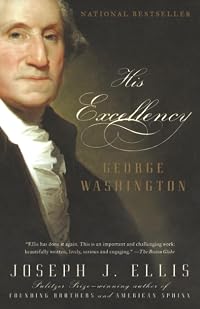
His Excellency: George Washington
by Joseph J. Ellis
On This Page
Description
To this landmark biography of our first president, Joseph J. Ellis brings the exacting scholarship, shrewd analysis, and lyric prose that have made him one of the premier historians of the Revolutionary era. Training his lens on a figure who sometimes seems as remote as his effigy on Mount Rushmore, Ellis assesses George Washington as a military and political leader and a man whose "statue-like solidity" concealed volcanic energies and emotions. Here is the impetuous young officer whose show more miraculous survival in combat half-convinced him that he could not be killed. Here is the free-spending landowner whose debts to English merchants instilled him with a prickly resentment of imperial power. We see the general who lost more battles than he won and the reluctant president who tried to float above the partisan feuding of his cabinet. His Excellency is a magnificent work, indispensable to an understanding not only of its subject but also of the nation he brought into being. show lessTags
Recommendations



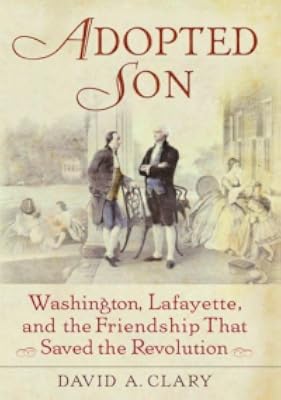
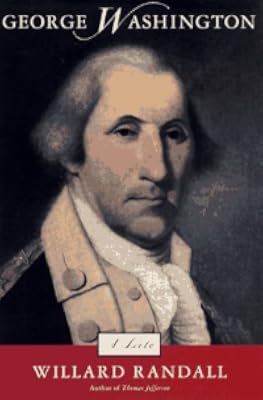
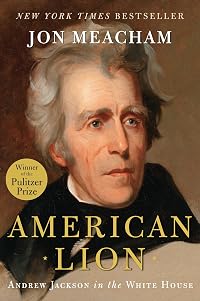
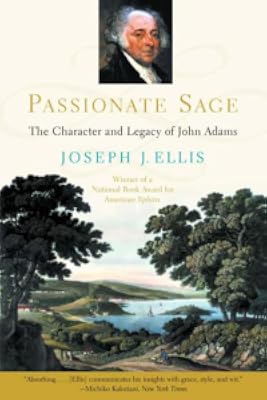





Member Recommendations
Member Reviews
This is an excellent biography of George Washington that is long enough (272 pages) to grasp both the story of his life and his role in American history without penetrating into levels of detail that would make it a major tome. First published in 2004, the book is based factually, according to the author, Joseph Ellis, largely on the then-new comprehensive edition of Washington’s official correspondence. In terms of theme, Ellis says he was highly influenced by Marcus Cunliffe’s interpretation of Washington in George Washington: Man and Monument. Ellis’ main purpose is to penetrate beyond the myths and portraits of Washington to understand the man's character and how that character related to his role in history. In this the show more author is successful, and the reader leaves this book with a greater understanding of the real Washington and his importance in American history.
Washington was famous for his self-control, but Ellis picks up on a theme of the eulogy by Gouvernor Morris that Washington had very strong emotions that required such self-control if he were to achieve his objectives. Ellis links this self-control to Washington’s desire to control the world in which he acted, e.g., the administration of Mount Vernon and his far-flung properties, the conduct of the War of Independence and his two terms as first President of the United States. While Washington did not have the high level of education enjoyed by some of the other founders, his early experiences in war as a young man and in managing his estates formed his philosophical outlook. He was a realist who thought that individuals and nations acted to pursue their interests, not abstract ideals. Thus, he was not surprised that the British did not accept the many American proposals for conciliation between the colonies and Great Britain, and he fully expected Native Americans to resist white settlement on their lands. (As President, he tried to set aside permanent safe zones for the Cherokees and other tribes, but these promises were broken by Andrew Jackson). As President, he also refused to bend to the popular will to be pro-French or pro-British but rather always supported a neutralist policy that would give the United States time to grow into a major power. He foresaw that war, especially with Great Britain in the 1790’s, could have destroyed the fragile new republic. And while he appreciated many of the ideals of the revolution, his own personal opposition to the British Empire was driven in large part by the adverse economic consequences of the imperial system for American colonists (including his own estates) and his resentment at Americans being treated like second-class citizens by the British. (The appellation “American” for the colonists was originated by the British as a disparaging term for provincial settlers on the far-western edge of the British Empire.)
Washington committed himself to the personal risks and potential glory of the revolution when, on June 15, 1775, at the age of 43, he accepted his unanimous selection by the Continental Congress to become commander-in-chief. Despite his insistence that as commander-in-chief he was subordinate to the people and their representatives, the Continental Congress, he inevitably became the symbol of revolution and a quasi-king as a replacement figure for George III in the eyes of the American revolutionaries. His recognition of civilian authority did not prevent his well-known frustrations with the weakness of the Continental Congress, in particular its abject failure to support the Continental Army with necessary resources, including paying the troops. (While he acknowledged that militias contributed to victories ((such as Saratoga)), he was under no illusion that volunteers, who could disappear on very short notice, could actually win the war. His concern with the shortage of manpower overcame his initial reluctance to recruit African-Americans into the Army. There was no segregation in the army; the U.S. Army would not be integrated again until the Korean War.) This experience seared into his brain the strong belief that the new nation could not succeed without a strong central government, including a strong executive, regardless of how the anti-governmental ideals of the “spirit of 76” were interpreted. Desiring a decisive victory, Washington’s first inclination was to attack the British aggressively. He had a tendency to develop complex battle plans that were nearly impossible to implement. The revolutionary cause was saved from this initial rashness by the strategic and tactical mistakes of the British, and eventually Washington learned the “Fabian” technique of war, i.e., never risk the Army in battle but rather be ready to retreat after imposing glancing losses on the enemy, the so-called “War of Posts.” The hardships at Valley Forge were the crucial event of the war because Valley Forge created the standing army that could persevere until victory. According to Ellis, more important than Washington’s spotty record as a general was his insistence that the Army be inoculated against smallpox, which otherwise could have destroyed it. (As a young man, Washington survived a smallpox infection he got in Barbados and thus was immune.)
Washington was generally pessimistic about the prospects for American victory given British resources, command of the sea, and experienced soldiers. The French entry in the war after the victory at Saratoga also initially disappointed him because France did not immediately challenge the British for naval superiority in American waters, and thus made Washington's desire for a decisive battle at New York impossible. While the British were fighting General Greene in the Carolinas, the French General Rochambeau began to encourage Washington to move the Army south to Virginia. Eventually, Washington gave up his stubborn insistence on a battle in New York, and when Rochambeau arranged for the French Navy to enter the Chesapeake Bay, Washington clearly saw the opportunity to defeat Cornwallis and led the combined armies south to the decisive battle at Yorktown. (Washington’s stubbornness may have contributed in one respect to the success at Yorktown: the British General Henry Clinton, who commanded the forces in New York, intercepted a letter in which Washington still declared that New York was the main target of the Continental Army, and this may have contributed to Clinton’s fateful decision not to assist Cornwallis.) Ellis declares that Yorktown was the most consequential battle in American history.
With the war won the, fears arose that Washington might use the Army to make himself king. Washington thought the Army should be maintained until peace was officially declared but made it clear that he would not seize power. According to Ellis, when George III learned of this, he was heard to say: “If Washington resisted the monarchic mantle and retired, . . . he would be the greatest man in the world.” Washington’s officers thought differently and organized the “Newburgh Conspiracy” to give Washington dictatorial power. Washington rejected this “last temptation;” in an eloquent speech to his officers, he stated that “any attempted coup by the army was simultaneously a repudiation of the principles for which they had all been fighting and an assault on his [Washington’s] own integrity.” He made a dramatic farewell to the Army, his “patriotic band of brothers,” and symbolically gave up his sword.
Despite his refusal to submit to authoritarian temptations, Washington was an ambitious man who not only expected to lead his country in war and in peace, but also wanted that leadership ultimately to support his own reputation with posterity. Unlike other major figures of history who used success in war or politics to aggrandize their personal power, he recognized the need to give up his power when it was the right the proper thing to do for his country and for his reputation with posterity. Many of his actions were driven by his consolidation of his view of his reputation with his interpretation of what was good for his country. He came to see slavery as both economically inefficient and morally repugnant, but his realism held him back from calling publicly for its termination. His hope was that over time it would wither away. For various reasons, he was also unsuccessful in freeing his slaves during his lifetime. But he was definitive in his will that the slaves at Mount Vernon should be freed upon the dearth of his wife and, to the extent necessary, should be provided economic support (e.g., for the elderly).
Washington was like other men and women who have ambitions, emotions and flaws and make mistakes. This was especially true of his military record. The greatness of Washington was that he could rise above these human characteristics to identify his life with the objectives, as he saw them, of the thirteen colonies and in so doing establish the unity of the new nation. In this achievement, Ellis regards him as the greatest US President. show less
Washington was famous for his self-control, but Ellis picks up on a theme of the eulogy by Gouvernor Morris that Washington had very strong emotions that required such self-control if he were to achieve his objectives. Ellis links this self-control to Washington’s desire to control the world in which he acted, e.g., the administration of Mount Vernon and his far-flung properties, the conduct of the War of Independence and his two terms as first President of the United States. While Washington did not have the high level of education enjoyed by some of the other founders, his early experiences in war as a young man and in managing his estates formed his philosophical outlook. He was a realist who thought that individuals and nations acted to pursue their interests, not abstract ideals. Thus, he was not surprised that the British did not accept the many American proposals for conciliation between the colonies and Great Britain, and he fully expected Native Americans to resist white settlement on their lands. (As President, he tried to set aside permanent safe zones for the Cherokees and other tribes, but these promises were broken by Andrew Jackson). As President, he also refused to bend to the popular will to be pro-French or pro-British but rather always supported a neutralist policy that would give the United States time to grow into a major power. He foresaw that war, especially with Great Britain in the 1790’s, could have destroyed the fragile new republic. And while he appreciated many of the ideals of the revolution, his own personal opposition to the British Empire was driven in large part by the adverse economic consequences of the imperial system for American colonists (including his own estates) and his resentment at Americans being treated like second-class citizens by the British. (The appellation “American” for the colonists was originated by the British as a disparaging term for provincial settlers on the far-western edge of the British Empire.)
Washington committed himself to the personal risks and potential glory of the revolution when, on June 15, 1775, at the age of 43, he accepted his unanimous selection by the Continental Congress to become commander-in-chief. Despite his insistence that as commander-in-chief he was subordinate to the people and their representatives, the Continental Congress, he inevitably became the symbol of revolution and a quasi-king as a replacement figure for George III in the eyes of the American revolutionaries. His recognition of civilian authority did not prevent his well-known frustrations with the weakness of the Continental Congress, in particular its abject failure to support the Continental Army with necessary resources, including paying the troops. (While he acknowledged that militias contributed to victories ((such as Saratoga)), he was under no illusion that volunteers, who could disappear on very short notice, could actually win the war. His concern with the shortage of manpower overcame his initial reluctance to recruit African-Americans into the Army. There was no segregation in the army; the U.S. Army would not be integrated again until the Korean War.) This experience seared into his brain the strong belief that the new nation could not succeed without a strong central government, including a strong executive, regardless of how the anti-governmental ideals of the “spirit of 76” were interpreted. Desiring a decisive victory, Washington’s first inclination was to attack the British aggressively. He had a tendency to develop complex battle plans that were nearly impossible to implement. The revolutionary cause was saved from this initial rashness by the strategic and tactical mistakes of the British, and eventually Washington learned the “Fabian” technique of war, i.e., never risk the Army in battle but rather be ready to retreat after imposing glancing losses on the enemy, the so-called “War of Posts.” The hardships at Valley Forge were the crucial event of the war because Valley Forge created the standing army that could persevere until victory. According to Ellis, more important than Washington’s spotty record as a general was his insistence that the Army be inoculated against smallpox, which otherwise could have destroyed it. (As a young man, Washington survived a smallpox infection he got in Barbados and thus was immune.)
Washington was generally pessimistic about the prospects for American victory given British resources, command of the sea, and experienced soldiers. The French entry in the war after the victory at Saratoga also initially disappointed him because France did not immediately challenge the British for naval superiority in American waters, and thus made Washington's desire for a decisive battle at New York impossible. While the British were fighting General Greene in the Carolinas, the French General Rochambeau began to encourage Washington to move the Army south to Virginia. Eventually, Washington gave up his stubborn insistence on a battle in New York, and when Rochambeau arranged for the French Navy to enter the Chesapeake Bay, Washington clearly saw the opportunity to defeat Cornwallis and led the combined armies south to the decisive battle at Yorktown. (Washington’s stubbornness may have contributed in one respect to the success at Yorktown: the British General Henry Clinton, who commanded the forces in New York, intercepted a letter in which Washington still declared that New York was the main target of the Continental Army, and this may have contributed to Clinton’s fateful decision not to assist Cornwallis.) Ellis declares that Yorktown was the most consequential battle in American history.
With the war won the, fears arose that Washington might use the Army to make himself king. Washington thought the Army should be maintained until peace was officially declared but made it clear that he would not seize power. According to Ellis, when George III learned of this, he was heard to say: “If Washington resisted the monarchic mantle and retired, . . . he would be the greatest man in the world.” Washington’s officers thought differently and organized the “Newburgh Conspiracy” to give Washington dictatorial power. Washington rejected this “last temptation;” in an eloquent speech to his officers, he stated that “any attempted coup by the army was simultaneously a repudiation of the principles for which they had all been fighting and an assault on his [Washington’s] own integrity.” He made a dramatic farewell to the Army, his “patriotic band of brothers,” and symbolically gave up his sword.
Despite his refusal to submit to authoritarian temptations, Washington was an ambitious man who not only expected to lead his country in war and in peace, but also wanted that leadership ultimately to support his own reputation with posterity. Unlike other major figures of history who used success in war or politics to aggrandize their personal power, he recognized the need to give up his power when it was the right the proper thing to do for his country and for his reputation with posterity. Many of his actions were driven by his consolidation of his view of his reputation with his interpretation of what was good for his country. He came to see slavery as both economically inefficient and morally repugnant, but his realism held him back from calling publicly for its termination. His hope was that over time it would wither away. For various reasons, he was also unsuccessful in freeing his slaves during his lifetime. But he was definitive in his will that the slaves at Mount Vernon should be freed upon the dearth of his wife and, to the extent necessary, should be provided economic support (e.g., for the elderly).
Washington was like other men and women who have ambitions, emotions and flaws and make mistakes. This was especially true of his military record. The greatness of Washington was that he could rise above these human characteristics to identify his life with the objectives, as he saw them, of the thirteen colonies and in so doing establish the unity of the new nation. In this achievement, Ellis regards him as the greatest US President. show less
This short biography of Washington presents a thoughtful portrayal of his accomplishments and, most important, his character. It gives an excellent of the currents and ideas of the times in the late colonial and early independence years. The deep respect held by Washington’s contemporaries for him, and the reverence accorded him throughout the 19th century has faded somewhat in our modern era, not so much by revisionist history but by the passage of time. There are nearly countless biographical works on Washington, but this one, made enjoyable by Ellis’s fluid and clear writing style, is as good a book to gain insights into the man as any preceding it.
Washington like all consequential figures was a man of contrasts. He was highly show more ambitious and desired advancement and greater esteem in the patrician society of mid-18th century Virginia. His family, while in the upper class of the Virginia planters, was not of the top rank. Washington knew that he would need to gain attention if his status among the elites was to rise. While he was intelligent and literate he was not on the lofty intellectual plane of his contemporaries like Jefferson, Randolph, Mason and the much younger Madison and Hamilton. Washington knew that he must succeed in three dimensions if he was to secure his social rank: economically, militarily and through a strength of character that garnered the respect of others.
Like others of his class the mark of wealth was land; Washington never ceased in his goal of obtaining additional land. Washington recognized that the key to expanding land holdings lay over the mountains beyond the Ohio and Cumberland Rivers. Much of his time in his younger years was devoted to surveying the undeveloped land across the Alleghenies and acquiring ownership or rights to possess this land. While the Virginia aristocracy glanced largely toward England and Europe, Washington knew that the future of America lay westward. Washington’s economic position advanced substantially when he married the widowed Martha Custis who possessed one of the greatest estates in the Tidewater. His management of the estate was the principal preoccupation of his adult years.
Washington gained his reputation in the military arena from his service in the French and Indian War. He was called on to lead expeditions against the French in present day northwestern Pennsylvania. His participation in several engagements was not unalloyed success, but he did gain widespread regard as a military leader, such that he was the clear choice to head the fight against the British at the onset of the War for Independence. One must conclude that his record in the Revolutionary War was mixed at best and, especially in the early years, he was saved from his headstrong offensive strategy only by the lack of aggressive follow through by his British counterparts. As the war progressed Washington adopted a more Fabian strategy of preserving his forces to fight another day; he seemed to understand that the American cause could be won by the two major advantages the country held: space and time. The entry of the French into the fight for independence was, of course, a major factor in the ultimate success of the Americans.
Washington’s third asset in securing his place of esteem in the nation was his character. In the most primal sense his physical bearing brought the respect of others. He was tall and large for his time and many who saw him were awed by his physicality. Beyond this advantage was his demeanor, his image of being above the common fray.
Washington had a keen desire to secure his place in history. He was a fervent patriot and had a vivid idea of what should be done for the thirteen states to become a nation. His reputation among his countrymen was so great that he could have easily become a Napoleon-like emperor, a new monarch for the new country. His revulsion for monarchy and his respect for the republican values emerging from the liberty movement made the choice of securing personal power impossible for him to envisage. In some sense what Washington did not do became as significant a part of his legacy as what he did. That is, he repeatedly stepped down from power at the times he might have perpetuated it. He resigned his commission after the war. He responded to the call of country twice thereafter when he accepted the chair of the constitutional convention and to become the first president of the United States. His determination to refuse a third term (and what could, if he had lived, been a lifetime sinecure) set the precedent for time-limited executive leadership ever after. His unswerving resistance to seeking and holding power was of great value in the political tone of the new nation, but was also seen by Washington as the most fruitful way to ensure his place in history.
Ellis’s book provides interesting insights into two aspects of Washington’s life and service. His time as president saw the emergence of bitter political rivalries that created the party system. The intrigues of the arch enemies Jefferson and Hamilton are especially interesting; one must conclude that Jefferson’s disloyalty to the president is quite reprehensible. The second issue is Washington’s worries about slavery. His and Martha’s estate had hundreds of slaves and Washington concluded that slavery should not continue both because it was an economic burden on the plantation and because of personal qualms about the morality of slavery. He also sensed the inevitability that slavery would be a source of discord among the sections of the nation. He equivocated on the practicality of emancipating his slaves and the problem was compounded because many of the slaves were owned by Martha and hence not his to free. This issue would, of course, fester for the 60 years following Washington’s death in late 1799.
( show less
Washington like all consequential figures was a man of contrasts. He was highly show more ambitious and desired advancement and greater esteem in the patrician society of mid-18th century Virginia. His family, while in the upper class of the Virginia planters, was not of the top rank. Washington knew that he would need to gain attention if his status among the elites was to rise. While he was intelligent and literate he was not on the lofty intellectual plane of his contemporaries like Jefferson, Randolph, Mason and the much younger Madison and Hamilton. Washington knew that he must succeed in three dimensions if he was to secure his social rank: economically, militarily and through a strength of character that garnered the respect of others.
Like others of his class the mark of wealth was land; Washington never ceased in his goal of obtaining additional land. Washington recognized that the key to expanding land holdings lay over the mountains beyond the Ohio and Cumberland Rivers. Much of his time in his younger years was devoted to surveying the undeveloped land across the Alleghenies and acquiring ownership or rights to possess this land. While the Virginia aristocracy glanced largely toward England and Europe, Washington knew that the future of America lay westward. Washington’s economic position advanced substantially when he married the widowed Martha Custis who possessed one of the greatest estates in the Tidewater. His management of the estate was the principal preoccupation of his adult years.
Washington gained his reputation in the military arena from his service in the French and Indian War. He was called on to lead expeditions against the French in present day northwestern Pennsylvania. His participation in several engagements was not unalloyed success, but he did gain widespread regard as a military leader, such that he was the clear choice to head the fight against the British at the onset of the War for Independence. One must conclude that his record in the Revolutionary War was mixed at best and, especially in the early years, he was saved from his headstrong offensive strategy only by the lack of aggressive follow through by his British counterparts. As the war progressed Washington adopted a more Fabian strategy of preserving his forces to fight another day; he seemed to understand that the American cause could be won by the two major advantages the country held: space and time. The entry of the French into the fight for independence was, of course, a major factor in the ultimate success of the Americans.
Washington’s third asset in securing his place of esteem in the nation was his character. In the most primal sense his physical bearing brought the respect of others. He was tall and large for his time and many who saw him were awed by his physicality. Beyond this advantage was his demeanor, his image of being above the common fray.
Washington had a keen desire to secure his place in history. He was a fervent patriot and had a vivid idea of what should be done for the thirteen states to become a nation. His reputation among his countrymen was so great that he could have easily become a Napoleon-like emperor, a new monarch for the new country. His revulsion for monarchy and his respect for the republican values emerging from the liberty movement made the choice of securing personal power impossible for him to envisage. In some sense what Washington did not do became as significant a part of his legacy as what he did. That is, he repeatedly stepped down from power at the times he might have perpetuated it. He resigned his commission after the war. He responded to the call of country twice thereafter when he accepted the chair of the constitutional convention and to become the first president of the United States. His determination to refuse a third term (and what could, if he had lived, been a lifetime sinecure) set the precedent for time-limited executive leadership ever after. His unswerving resistance to seeking and holding power was of great value in the political tone of the new nation, but was also seen by Washington as the most fruitful way to ensure his place in history.
Ellis’s book provides interesting insights into two aspects of Washington’s life and service. His time as president saw the emergence of bitter political rivalries that created the party system. The intrigues of the arch enemies Jefferson and Hamilton are especially interesting; one must conclude that Jefferson’s disloyalty to the president is quite reprehensible. The second issue is Washington’s worries about slavery. His and Martha’s estate had hundreds of slaves and Washington concluded that slavery should not continue both because it was an economic burden on the plantation and because of personal qualms about the morality of slavery. He also sensed the inevitability that slavery would be a source of discord among the sections of the nation. He equivocated on the practicality of emancipating his slaves and the problem was compounded because many of the slaves were owned by Martha and hence not his to free. This issue would, of course, fester for the 60 years following Washington’s death in late 1799.
( show less
"Benjamin Franklin was wiser than Washington; Alexander Hamilton was more brilliant; John Adams was better read; Thomas Jefferson was more intellectually sophisticated; James Madison was more politically astute. Yet each and all of these prominent figures acknowledged that Washington was their unquestioned superior." (pg xiv) And in this "modest-sized book about a massive historical subject," Joseph Ellis looks at why Washington was so highly regarded, both by his contemporaries and by history.
Ellis astutely points out that many others (such as Cromwell, Napoleon, Lenin, Mao, and Castro) were pivotal in orchestrating successful revolutions but only Washington declined to assume power in a military dictatorship (pg 139). And perhaps show more Washington's greatest trait was understanding that stepping aside would enhance the way he was viewed by posterity far greater than simply assuming power. He was always ambitious, looking for ways to integrate himself into Virginia society as a younger man, but he also knew when to exercise restraint and keep himself above the fray.
As the key figure of the American Revolution he kept up the struggle even when all odds were against him - flagging support among the populace, poor condition of the Continental Army, lack of support from Congress, the supremacy of British strategy and control of the seas, French reluctance to provide assistance. And yet such experience taught him the importance of a strong federal government and guided his role as President of the new nation. There were no prior examples to draw from or precedent to follow, and although his own lack of a formal education was a constant embarrassment to him, he intuitively knew how to utilize the strengths of others and manage the competing ambitions of those around him in setting the nation on a path to stability.
Ellis hasn't exactly written a biography in the classic sense, although he does chronicle Washington's life, but it's enhanced by a deep character study of this important man. And few are as adept at bringing history's characters to life in such an insightful way and putting the reader into their shoes. It was in strong contrast to John Ferling's The Ascent of George Washington. Where Ferling looks at a events with a critical eye enhanced with 200 years of historical hindsight, Ellis sees beyond the failings to the motivations and greater social customs of the day and makes the history personal in a way no one else does. Although the book was a little slow starting it was so packed with valuable insight that it merits a close reading. I highly recommend it. show less
Ellis astutely points out that many others (such as Cromwell, Napoleon, Lenin, Mao, and Castro) were pivotal in orchestrating successful revolutions but only Washington declined to assume power in a military dictatorship (pg 139). And perhaps show more Washington's greatest trait was understanding that stepping aside would enhance the way he was viewed by posterity far greater than simply assuming power. He was always ambitious, looking for ways to integrate himself into Virginia society as a younger man, but he also knew when to exercise restraint and keep himself above the fray.
As the key figure of the American Revolution he kept up the struggle even when all odds were against him - flagging support among the populace, poor condition of the Continental Army, lack of support from Congress, the supremacy of British strategy and control of the seas, French reluctance to provide assistance. And yet such experience taught him the importance of a strong federal government and guided his role as President of the new nation. There were no prior examples to draw from or precedent to follow, and although his own lack of a formal education was a constant embarrassment to him, he intuitively knew how to utilize the strengths of others and manage the competing ambitions of those around him in setting the nation on a path to stability.
Ellis hasn't exactly written a biography in the classic sense, although he does chronicle Washington's life, but it's enhanced by a deep character study of this important man. And few are as adept at bringing history's characters to life in such an insightful way and putting the reader into their shoes. It was in strong contrast to John Ferling's The Ascent of George Washington. Where Ferling looks at a events with a critical eye enhanced with 200 years of historical hindsight, Ellis sees beyond the failings to the motivations and greater social customs of the day and makes the history personal in a way no one else does. Although the book was a little slow starting it was so packed with valuable insight that it merits a close reading. I highly recommend it. show less
"Benjamin Franklin was wiser than Washington; Alexander Hamilton was more brilliant; John Adams was better read; Thomas Jefferson was more intellectually sophisticated; James Madison was more politically astute. Yet each and all of these prominent figures acknowledged that Washington was their unquestioned superior." (pg xiv) And in this "modest-sized book about a massive historical subject," Joseph Ellis looks at why Washington was so highly regarded, both by his contemporaries and by history.
Ellis astutely points out that many others (such as Cromwell, Napoleon, Lenin, Mao, and Castro) were pivotal in orchestrating successful revolutions but only Washington declined to assume power in a military dictatorship (pg 139). And perhaps show more Washington's greatest trait was understanding that stepping aside would enhance the way he was viewed by posterity far greater than simply assuming power. He was always ambitious, looking for ways to integrate himself into Virginia society as a younger man, but he also knew when to exercise restraint and keep himself above the fray.
As the key figure of the American Revolution he kept up the struggle even when all odds were against him - flagging support among the populace, poor condition of the Continental Army, lack of support from Congress, the supremacy of British strategy and control of the seas, French reluctance to provide assistance. And yet such experience taught him the importance of a strong federal government and guided his role as President of the new nation. There were no prior examples to draw from or precedent to follow, and although his own lack of a formal education was a constant embarrassment to him, he intuitively knew how to utilize the strengths of others and manage the competing ambitions of those around him in setting the nation on a path to stability.
Ellis hasn't exactly written a biography in the classic sense, although he does chronicle Washington's life, but it's enhanced by a deep character study of this important man. And few are as adept at bringing history's characters to life in such an insightful way and putting the reader into their shoes. It was in strong contrast to John Ferling's The Ascent of George Washington. Where Ferling looks at a events with a critical eye enhanced with 200 years of historical hindsight, Ellis sees beyond the failings to the motivations and greater social customs of the day and makes the history personal in a way no one else does. Although the book was a little slow starting it was so packed with valuable insight that it merits a close reading. I highly recommend it. show less
Ellis astutely points out that many others (such as Cromwell, Napoleon, Lenin, Mao, and Castro) were pivotal in orchestrating successful revolutions but only Washington declined to assume power in a military dictatorship (pg 139). And perhaps show more Washington's greatest trait was understanding that stepping aside would enhance the way he was viewed by posterity far greater than simply assuming power. He was always ambitious, looking for ways to integrate himself into Virginia society as a younger man, but he also knew when to exercise restraint and keep himself above the fray.
As the key figure of the American Revolution he kept up the struggle even when all odds were against him - flagging support among the populace, poor condition of the Continental Army, lack of support from Congress, the supremacy of British strategy and control of the seas, French reluctance to provide assistance. And yet such experience taught him the importance of a strong federal government and guided his role as President of the new nation. There were no prior examples to draw from or precedent to follow, and although his own lack of a formal education was a constant embarrassment to him, he intuitively knew how to utilize the strengths of others and manage the competing ambitions of those around him in setting the nation on a path to stability.
Ellis hasn't exactly written a biography in the classic sense, although he does chronicle Washington's life, but it's enhanced by a deep character study of this important man. And few are as adept at bringing history's characters to life in such an insightful way and putting the reader into their shoes. It was in strong contrast to John Ferling's The Ascent of George Washington. Where Ferling looks at a events with a critical eye enhanced with 200 years of historical hindsight, Ellis sees beyond the failings to the motivations and greater social customs of the day and makes the history personal in a way no one else does. Although the book was a little slow starting it was so packed with valuable insight that it merits a close reading. I highly recommend it. show less
"Benjamin Franklin was wiser than Washington; Alexander Hamilton was more brilliant; John Adams was better read; Thomas Jefferson was more intellectually sophisticated; James Madison was more politically astute. Yet each and all of these prominent figures acknowledged that Washington was their unquestioned superior." (pg xiv) And in this "modest-sized book about a massive historical subject," Joseph Ellis looks at why Washington was so highly regarded, both by his contemporaries and by history.
Ellis astutely points out that many others (such as Cromwell, Napoleon, Lenin, Mao, and Castro) were pivotal in orchestrating successful revolutions but only Washington declined to assume power in a military dictatorship (pg 139). And perhaps show more Washington's greatest trait was understanding that stepping aside would enhance the way he was viewed by posterity far greater than simply assuming power. He was always ambitious, looking for ways to integrate himself into Virginia society as a younger man, but he also knew when to exercise restraint and keep himself above the fray.
As the key figure of the American Revolution he kept up the struggle even when all odds were against him - flagging support among the populace, poor condition of the Continental Army, lack of support from Congress, the supremacy of British strategy and control of the seas, French reluctance to provide assistance. And yet such experience taught him the importance of a strong federal government and guided his role as President of the new nation. There were no prior examples to draw from or precedent to follow, and although his own lack of a formal education was a constant embarrassment to him, he intuitively knew how to utilize the strengths of others and manage the competing ambitions of those around him in setting the nation on a path to stability.
Ellis hasn't exactly written a biography in the classic sense, although he does chronicle Washington's life, but it's enhanced by a deep character study of this important man. And few are as adept at bringing history's characters to life in such an insightful way and putting the reader into their shoes. It was in strong contrast to John Ferling's The Ascent of George Washington. Where Ferling looks at a events with a critical eye enhanced with 200 years of historical hindsight, Ellis sees beyond the failings to the motivations and greater social customs of the day and makes the history personal in a way no one else does. Although the book was a little slow starting it was so packed with valuable insight that it merits a close reading. I highly recommend it. show less
Ellis astutely points out that many others (such as Cromwell, Napoleon, Lenin, Mao, and Castro) were pivotal in orchestrating successful revolutions but only Washington declined to assume power in a military dictatorship (pg 139). And perhaps show more Washington's greatest trait was understanding that stepping aside would enhance the way he was viewed by posterity far greater than simply assuming power. He was always ambitious, looking for ways to integrate himself into Virginia society as a younger man, but he also knew when to exercise restraint and keep himself above the fray.
As the key figure of the American Revolution he kept up the struggle even when all odds were against him - flagging support among the populace, poor condition of the Continental Army, lack of support from Congress, the supremacy of British strategy and control of the seas, French reluctance to provide assistance. And yet such experience taught him the importance of a strong federal government and guided his role as President of the new nation. There were no prior examples to draw from or precedent to follow, and although his own lack of a formal education was a constant embarrassment to him, he intuitively knew how to utilize the strengths of others and manage the competing ambitions of those around him in setting the nation on a path to stability.
Ellis hasn't exactly written a biography in the classic sense, although he does chronicle Washington's life, but it's enhanced by a deep character study of this important man. And few are as adept at bringing history's characters to life in such an insightful way and putting the reader into their shoes. It was in strong contrast to John Ferling's The Ascent of George Washington. Where Ferling looks at a events with a critical eye enhanced with 200 years of historical hindsight, Ellis sees beyond the failings to the motivations and greater social customs of the day and makes the history personal in a way no one else does. Although the book was a little slow starting it was so packed with valuable insight that it merits a close reading. I highly recommend it. show less
This is a really well-done biography of George Washington. It suffers from the central defect of all Washington biographies - the complete destruction of his private correspondence by his wife, Martha, who wanted his privacy respected. She got her wish, but at the expense of history.
Washington was a very quiet, reserved character who was unreservedly admired and respected by his contemporaries. He had his critics, and made his mistakes, but overall, he really deserves the plaudits that were heaped on him. In particular, his decision to step away from public life, both after winning the Revolutionary War and after serving two terms as president, are almost unique in world history, and served the nascent US well. Ellis shows how he was show more shaped by his childhood and his early experiences of frontier warfare, and how his own sense of honor was the driving force of his life.
It was very interesting to read the degree to which the financial structure of the planter class of Virginia and the south was based on slavery and also unsustainable. Ellis sketches how the large families were often driven into debt and bankruptcy due to this, and shows how fear of this very real fate marked the political defense of slavery by southern politicians, particularly Thomas Jefferson. Washington, perhaps because he was not really part of this class (his social origins were a step lower), recognized early on that this was a trap and worked to diversify his plantations. He came to believe that slavery was wrong, and struggled to free his own slaves, but financial and legal realities made it difficult. Ellis speculates that Martha, wealthy in her own right, and through estates and slaves still legally belonging to her first husband's family (although she had lifetime use of them), may have opposed Washington in this regard, which would help explain why his will freed the slaves on her eventual death.
Highly recommended. show less
Washington was a very quiet, reserved character who was unreservedly admired and respected by his contemporaries. He had his critics, and made his mistakes, but overall, he really deserves the plaudits that were heaped on him. In particular, his decision to step away from public life, both after winning the Revolutionary War and after serving two terms as president, are almost unique in world history, and served the nascent US well. Ellis shows how he was show more shaped by his childhood and his early experiences of frontier warfare, and how his own sense of honor was the driving force of his life.
It was very interesting to read the degree to which the financial structure of the planter class of Virginia and the south was based on slavery and also unsustainable. Ellis sketches how the large families were often driven into debt and bankruptcy due to this, and shows how fear of this very real fate marked the political defense of slavery by southern politicians, particularly Thomas Jefferson. Washington, perhaps because he was not really part of this class (his social origins were a step lower), recognized early on that this was a trap and worked to diversify his plantations. He came to believe that slavery was wrong, and struggled to free his own slaves, but financial and legal realities made it difficult. Ellis speculates that Martha, wealthy in her own right, and through estates and slaves still legally belonging to her first husband's family (although she had lifetime use of them), may have opposed Washington in this regard, which would help explain why his will freed the slaves on her eventual death.
Highly recommended. show less
What makes this biography of Washington stand out for me is Ellis' attempt to look into the psychology of the man. What formational events made him into a leader, cognizant of his own place in history, yet able to surrender power gracefully? What made him into the man who was idolized in his own time? The emphasis on Washington's commitment to civilian leadership of government was made several times, as was his recognition of the necessity of a strong central government, in opposition to "Spirit of 76" ideals. Would we have been a very different nation (or nations?) without Washington's role in the 1790s? I loved the attempt to see into the mind of Washington. However, without more documentation of his personal life and thoughts, at show more times the writing devolved into conjecture--interesting to read but surely open to disagreement by others. If your knowledge of the early years of American nationhood has been formed by high school classes and watching "1776" this book will bring a new perspective on many of the events and personalities of the time. show less
Members
- Recently Added By
Lists

Best Biographies
216 works; 26 members

Best U.S. History Books (1754-1828)
363 works; 18 members

Founding Father
104 works; 11 members

French and Indian War through the War of 1812 (non-fiction)
31 works; 3 members

Best Biographies of U.S. Presidents
61 works; 6 members

Top Five Books of 2017
757 works; 230 members

Books bought at library sales
98 works; 4 members
George Washington Books
12 works; 1 member

Presidential Books
15 works; 2 members
Biographies of American Presidents
39 works; 4 members

Books Read in 2021
5,361 works; 113 members
Author Information

20+ Works 21,332 Members
Joseph J. Ellis was born in Washington, D.C. on July 18, 1943. He received a B.A. from the College of William and Mary in 1965 and a M.A., M.Phil., and Ph.D. from Yale University. He was an instructor in the department of American studies at Yale University from 1968 to 1969 and an assistant professor in the department of history and social show more studies at the U.S. Military Academy at West Point from 1969 to 1972. He began his career at Mount Holyoke College as assistant professor in the department of history in 1972 and was made professor in 1979. Ellis was dean of the faculty at Mount Holyoke from 1980 to 1990. He retired from his position as the Ford Foundation Professor of History at Mount Holyoke College. He is the author of numerous books including After the Revolution: Profiles of Early American Culture, His Excellency: George Washington, American Creation: Triumphs and Tragedies at the Founding of the Republic, First Family: Abigail and John Adams, Revolutionary Summer: The Birth of American Independence, and The Quartet: Orchestrating the Second American Revolution, 1783-1789. He has received the National Book Award in Nonfiction for American Sphinx in 1997 and the Pulitzer Prize for History for Founding Brothers: The Revolutionary Generation in 2001. (Bowker Author Biography) show less
Awards and Honors
Awards
Work Relationships
Is contained in
Common Knowledge
- Canonical title
- His Excellency: George Washington
- Original publication date
- 2004
- People/Characters
- George Washington; John Adams; Alexander Hamilton; Thomas Jefferson; Henry Knox; Marquis de Lafayette (show all 8); James Madison; Martha Custis Washington
- Important places
- USA
- Important events
- American Revolution (1775 | 1783); French and Indian War; Constitutional Convention; George Washington's Presidency
- Dedication
- For W. W. Abbot
- First words
- My own relationship with George Washington began early. (Preface: The Man in the Moon)
History first noticed George Washington in 1753, as a daring and resourceful twenty-one-year-old messenger sent on a dangerous mission into the American wilderness. - Last words
- (Click to show. Warning: May contain spoilers.)But that, as they say, is another story.
- Original language
- English
Classifications
- Genres
- Biography & Memoir, History, General Nonfiction, Nonfiction
- DDC/MDS
- 973.41092 — History & geography History of North America United States Constitutional period (1789-1809) George Washington, 1st Term (1789-1793)
- LCC
- E312 .E245 — History of the United States United States Revolution to the Civil War, 1775/1783-1861 By period 1789-1809. Constitutional period Washington's administrations, 1789-1797
- BISAC
Statistics
- Members
- 4,225
- Popularity
- 3,599
- Reviews
- 61
- Rating
- (3.99)
- Languages
- Czech, English, German
- Media
- Paper, Audiobook, Ebook
- ISBNs
- 21
- UPCs
- 2
- ASINs
- 20