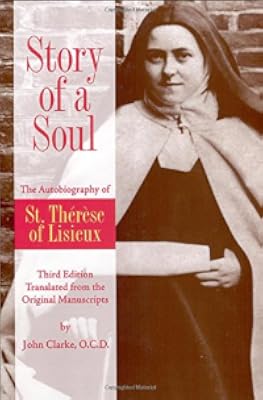
The Autobiography of Saint Therese of Lisieux: The Story of a Soul
by Saint Thérèse of Lisieux (Author), ST. THÉR� SE OF LISIEUX (Author)
On This Page
Description
"Born Marie Françoise-Therese Martin, Saint Therese of Lisieux in her twenty-four short years, through her simple and practical approach to spiritual life, left one of the most lasting impressions upon the Catholic world. In the view of Pope Saint Pius X, she was the greatest saint of modern times, and along with Saint Francis of Assisi, remains to this day as one of the popular saints in the history of the church. Contained here is her autobiography, in the words of Francis Cardinal show more Bourne, "It is the old story of simplicity in God's service, of the perfect accomplishment of small recurring duties, of trustful confidence in Him who made and has redeemed and sanctified us. Humility, self-effacement, obedience, hiddenness, unfaltering charity, with all the self-control and constant effort that they imply, are written on every page of the history of this little Saint. And, as we turn its pages, the lesson is borne in upon our souls that there is no surer nor safer way of pleasing Our Father Who is in Heaven than by remaining ever as little children in His sight." This edition of "The Story of a Soul: The Autobiography of Saint Therese of Lisieux" is printed on a premium acid-free paper." show lessTags
Recommendations

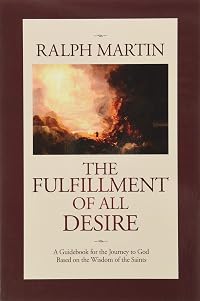

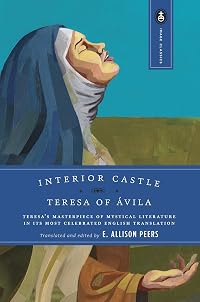
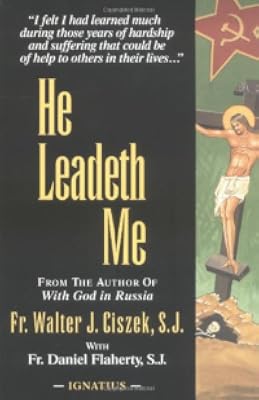
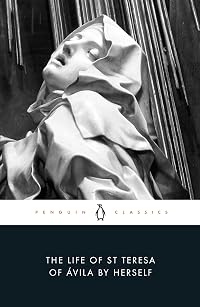

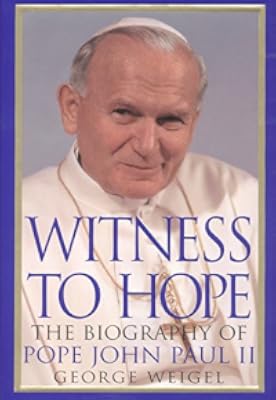
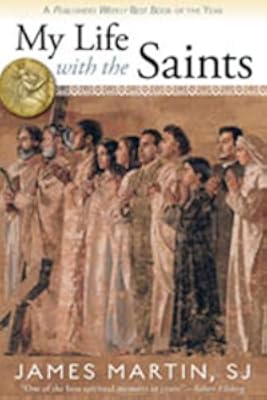
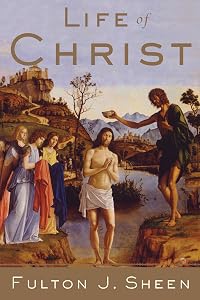
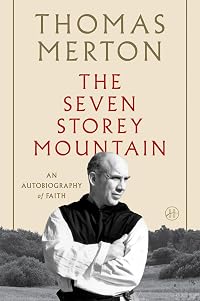

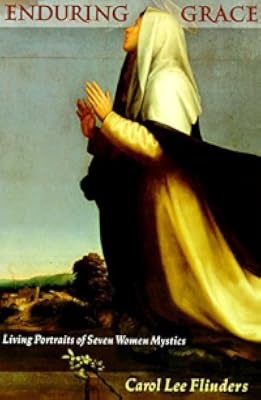
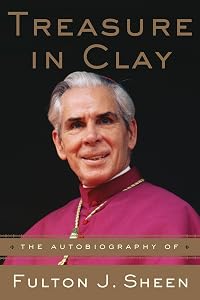
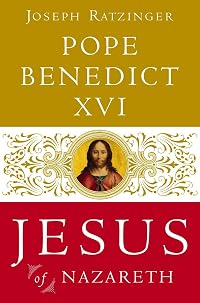
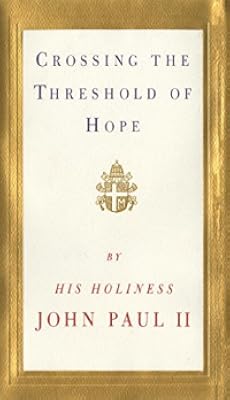

Member Recommendations
Member Reviews
Like many of the autobiographies of great Catholic saints, Therese never intended the short manuscripts she wrote for her sisters in Carmel to be collected and published. Consequently, she writes in an entirely unpolished style, with none of the artifice or poetry of her predecessor John of the Cross. Instead, like her spiritual mother (and namesake) Teresa of Avila, she was an intelligent but less-educated woman whose personality shines through in her writing. I read this work - the work which made Therese into a saint and Doctor of the Church - in honor of her October 1 feat day.
Therese's life story is short: she is born into a large, middle-class French family, her mom dies when she is a small girl, she and her remaining sisters show more (five girls total, no boys) move to the small country town of Lisieux. She was a shy girl who experienced bouts of loneliness and emotional turbulence as a result of the grief caused by her mom's death. She had few friends at school, and almost all of her socialization came from time spent with siblings. So we can imagine her sorrow when Marie and Pauline join the Carmelites, a cloistered order, effectively ending their ability to spend time together.
Therese, following a call she felt since two, attempted to join the convent at 14, and was told she was not old enough by the superior and the bishop. Even visiting the pope himself did not further her cause. Eventually the bishop gave in, and at 16 she became a nun. Eventually her younger sister would follow, and the fifth girl would also be a nun. (Her father's loneliness at losing both his wife and five daughters made him mentally ill and unable to take care of himself.) A very precocious girl, it seemed Therese did everything early, so sadly and fittingly she died at 25 after a painful bout with tuberculosis.
The main thing that struck me about Therese was the flowery emotionalism with which she described her relationship with God. At times this bordered on the sickeningly coy, while at other times it was refreshing to have a candid love and devotion to God. Therese grew up in the milieu of Jansenism, a form of piety popular in France that emphasized man's depravity and the need for rigorous penance. This doctrine was responsible for much of the turmoil of Therese's cloistered life. She became scrupulous, needing to confess everything and constantly focusing on her sins. Her emphasis on God's mercy and love is a credit to the openness she had to the true nature of God's grace. If it seems exaggerated that is only because of what it responds to.
Therese's "little way" has attracted millions. The "little way" is, in part, understanding as Therese did - "My vocation is LOVE" - that we need not be great apostles or missionaries or bishops to have a Godly vocation. While reflecting on scripture in the final years of her life, Therese felt despondent at not having a great calling to do any of these things. What could she, a meek little woman, cloistered in a convent, do for the glory of the Church? She came to realize that behind all these great do-ers is the vocation to love. Anyone can do this. And while Therese felt toward the end of her life that her true vocation would be through her posthumously published life story, she would smile at the irony of just how true that became.
Most of us are like Therese: little, living our Christian lives in small ways unnoticed by the world. In this way we imitate Jesus, who in his time was largely unnoticed (how many non-Christian historical sources from the first century mention Jesus?). A great book about a woman finding herself and her vocation in Christ, definitely worth reading for non-Catholics too. show less
Therese's life story is short: she is born into a large, middle-class French family, her mom dies when she is a small girl, she and her remaining sisters show more (five girls total, no boys) move to the small country town of Lisieux. She was a shy girl who experienced bouts of loneliness and emotional turbulence as a result of the grief caused by her mom's death. She had few friends at school, and almost all of her socialization came from time spent with siblings. So we can imagine her sorrow when Marie and Pauline join the Carmelites, a cloistered order, effectively ending their ability to spend time together.
Therese, following a call she felt since two, attempted to join the convent at 14, and was told she was not old enough by the superior and the bishop. Even visiting the pope himself did not further her cause. Eventually the bishop gave in, and at 16 she became a nun. Eventually her younger sister would follow, and the fifth girl would also be a nun. (Her father's loneliness at losing both his wife and five daughters made him mentally ill and unable to take care of himself.) A very precocious girl, it seemed Therese did everything early, so sadly and fittingly she died at 25 after a painful bout with tuberculosis.
The main thing that struck me about Therese was the flowery emotionalism with which she described her relationship with God. At times this bordered on the sickeningly coy, while at other times it was refreshing to have a candid love and devotion to God. Therese grew up in the milieu of Jansenism, a form of piety popular in France that emphasized man's depravity and the need for rigorous penance. This doctrine was responsible for much of the turmoil of Therese's cloistered life. She became scrupulous, needing to confess everything and constantly focusing on her sins. Her emphasis on God's mercy and love is a credit to the openness she had to the true nature of God's grace. If it seems exaggerated that is only because of what it responds to.
Therese's "little way" has attracted millions. The "little way" is, in part, understanding as Therese did - "My vocation is LOVE" - that we need not be great apostles or missionaries or bishops to have a Godly vocation. While reflecting on scripture in the final years of her life, Therese felt despondent at not having a great calling to do any of these things. What could she, a meek little woman, cloistered in a convent, do for the glory of the Church? She came to realize that behind all these great do-ers is the vocation to love. Anyone can do this. And while Therese felt toward the end of her life that her true vocation would be through her posthumously published life story, she would smile at the irony of just how true that became.
Most of us are like Therese: little, living our Christian lives in small ways unnoticed by the world. In this way we imitate Jesus, who in his time was largely unnoticed (how many non-Christian historical sources from the first century mention Jesus?). A great book about a woman finding herself and her vocation in Christ, definitely worth reading for non-Catholics too. show less
This spiritual memoir of a simple French Carmelite nun in the late 1800s is quite illuminating, even for a reader such as myself who is not Catholic. For a Catholic, I think it would be an inspiring example of ardent faith in the face of dark doubt, love and service showered on all around her, regardless of merit or personal preferences. She was declared a Saint, and later a Doctor of the Church. This "little Teresa" is not to be confused with Teresa of Avila (16th Century).
I was raised in Texas in the early 60s, which was largely Protestant at the time. Now I have several Catholic friends, but I did not know any Catholics growing up. I remember a lot of prejudice, actually, against Catholics back then. I saw signs against Kennedy show more pasted on utility poles because he was Catholic and supposedly would have to take orders from the Pope. "Catholic" was something exotic, even foreign, to me just as "Muslim" may be to some people today, and I was wary of it. I grew up to marry a man from the Middle East (25 years and counting) so that remote and isolated xenophobia of my childhood is slowly disappearing from all but the smallest Texas towns. Although I have Catholic friends I honestly did not understand as much as I thought I did about Catholic belief and practice. This book was informative in that respect also. I have a fuller understanding of what communion means to a Catholic, for example, as well as the life of those in the monastery.
For me, this book was first and foremost simply fascinating: To go back in time, to get inside the very soul of a woman who lived in another time and place. First, we see her sheltered upbringing in a financially comfortable but devout family. Both of her parents had wanted to live the monastic life when they were young but were denied. As was common in their time, many of their children did not survive, but the surviving ones all became Carmelite nuns. Teresa was raised to value the life of the spirit over material interests. She was sheltered from the world as perhaps might have been common for daughters in that era. Her father did not allow her to read the newspapers, for example. Her mother died when she was 4 and she was lovingly cared for by her father, her older sisters, and a close aunt and uncle.
At a young age she wished to become a nun but was rejected because she was too young. She appealed to the local bishop, who also rejected her wish and told her that his decision could only be overruled by the Pope himself. So off they go! She and her father and one of her sisters make a pilgrimage to Rome. On the way they do stay in the finest hotels, which hold no interest for Teresa. Her descriptions of the train rides through the Swiss Alps are charming. The passengers on the train are focused on each other's company with card games and other diversions. Her focus is on the majesty of the scenery she witnesses, which speaks to her of God's power and glory. In Rome of the late 1800s she sees the dilapidated Coliseum. For the safety of tourists, no access is allowed. She and her sister rush past the barricades to touch the very earth where Christians were martyred. She had a brief audience with the Pope, he granted her request, and she entered the monastery at age 15.
Teresa died an early death at age 24 from tuberculosis. We have access to her thoughts only because her mother superior ordered her to write them down. Teresa believed in being small: a little flower that humbly reflected God's love. She acted her belief by daily and countless acts of self sacrifice and devotion to those around her. She was also a strong believer that the power of her prayers could assist priests, missionaries and others carrying out the work of the church outside the monastery walls.
This book shows that having a clear vocation in life does not necessarily make your path any easier. And yet those of us in the modern age may be tempted to envy a simpler time when choices were more clear and truth more obvious. It is a temptation we should resist. It is the temptation of a young adult wishing to be a small child again in order to avoid adult responsibility. We are collectively in the young adulthood of modernity. We have put away the childish acceptance of authority, gone through the petulant adolescence of knee-jerk rejection of tradition, and now - perhaps? - we can retain what we deem to be good from our respective traditions as we bring them into the modern age.
What lessons can one learn from Teresa? Perseverance in hardship: her death was prolonged and painful. Her life story teaches what faith means: it's not all sunshine and lollipops. She had periods of deep doubt and pulled herself through simply by her love of God. Teresa became large by being small. She felt a vocation to love in small ways. She taught by example, illuminating those around her. More than likely, we would never had heard of Teresa if she had not been ordered to write her story. Her "small" ways had a large impact on those around her, even after her death, and continues today. There are societies and churches devoted to her around the world.
This book is worth reading, if for no other reasons than for the refreshing humility and sincerity in which she explains herself, as well as the clear-sighted wisdom in which she strove to live. show less
I was raised in Texas in the early 60s, which was largely Protestant at the time. Now I have several Catholic friends, but I did not know any Catholics growing up. I remember a lot of prejudice, actually, against Catholics back then. I saw signs against Kennedy show more pasted on utility poles because he was Catholic and supposedly would have to take orders from the Pope. "Catholic" was something exotic, even foreign, to me just as "Muslim" may be to some people today, and I was wary of it. I grew up to marry a man from the Middle East (25 years and counting) so that remote and isolated xenophobia of my childhood is slowly disappearing from all but the smallest Texas towns. Although I have Catholic friends I honestly did not understand as much as I thought I did about Catholic belief and practice. This book was informative in that respect also. I have a fuller understanding of what communion means to a Catholic, for example, as well as the life of those in the monastery.
For me, this book was first and foremost simply fascinating: To go back in time, to get inside the very soul of a woman who lived in another time and place. First, we see her sheltered upbringing in a financially comfortable but devout family. Both of her parents had wanted to live the monastic life when they were young but were denied. As was common in their time, many of their children did not survive, but the surviving ones all became Carmelite nuns. Teresa was raised to value the life of the spirit over material interests. She was sheltered from the world as perhaps might have been common for daughters in that era. Her father did not allow her to read the newspapers, for example. Her mother died when she was 4 and she was lovingly cared for by her father, her older sisters, and a close aunt and uncle.
At a young age she wished to become a nun but was rejected because she was too young. She appealed to the local bishop, who also rejected her wish and told her that his decision could only be overruled by the Pope himself. So off they go! She and her father and one of her sisters make a pilgrimage to Rome. On the way they do stay in the finest hotels, which hold no interest for Teresa. Her descriptions of the train rides through the Swiss Alps are charming. The passengers on the train are focused on each other's company with card games and other diversions. Her focus is on the majesty of the scenery she witnesses, which speaks to her of God's power and glory. In Rome of the late 1800s she sees the dilapidated Coliseum. For the safety of tourists, no access is allowed. She and her sister rush past the barricades to touch the very earth where Christians were martyred. She had a brief audience with the Pope, he granted her request, and she entered the monastery at age 15.
Teresa died an early death at age 24 from tuberculosis. We have access to her thoughts only because her mother superior ordered her to write them down. Teresa believed in being small: a little flower that humbly reflected God's love. She acted her belief by daily and countless acts of self sacrifice and devotion to those around her. She was also a strong believer that the power of her prayers could assist priests, missionaries and others carrying out the work of the church outside the monastery walls.
This book shows that having a clear vocation in life does not necessarily make your path any easier. And yet those of us in the modern age may be tempted to envy a simpler time when choices were more clear and truth more obvious. It is a temptation we should resist. It is the temptation of a young adult wishing to be a small child again in order to avoid adult responsibility. We are collectively in the young adulthood of modernity. We have put away the childish acceptance of authority, gone through the petulant adolescence of knee-jerk rejection of tradition, and now - perhaps? - we can retain what we deem to be good from our respective traditions as we bring them into the modern age.
What lessons can one learn from Teresa? Perseverance in hardship: her death was prolonged and painful. Her life story teaches what faith means: it's not all sunshine and lollipops. She had periods of deep doubt and pulled herself through simply by her love of God. Teresa became large by being small. She felt a vocation to love in small ways. She taught by example, illuminating those around her. More than likely, we would never had heard of Teresa if she had not been ordered to write her story. Her "small" ways had a large impact on those around her, even after her death, and continues today. There are societies and churches devoted to her around the world.
This book is worth reading, if for no other reasons than for the refreshing humility and sincerity in which she explains herself, as well as the clear-sighted wisdom in which she strove to live. show less
I read this book for Lent. She truly was a woman devoted on matters not of this Earth who was determined to make others understand what it was like to live your life with this radical focus on God as understood as the source of all love. For me this comes across most clearly not so much in the autobiographical portion but in the descriptions by those who knew her which follow: the epilogue describing her final months, anecdotes describing her sayings, also in her letters and other collected writings. It all has the sense of something coming from an era almost unimaginably far away from our time, and yet I feel the kernel of her message and the charisma she displayed by embodying it are things that can still find resonance in a receptive show more heart. show less
"I sit, as it were, and cast my fishing line at random into the little stream flowing through my heart. Then I offer you my tiny fish just as they are caught."
Therese's entire story is as lovely as this little metaphor she offered to describe her writing style. While I am not Catholic or particularly religious, Therese still touched my heart in a profound way. Therese's faith is so inspiring even amid times of spiritual dryness, that it is not at all surprising that she has become such an important figure. Therese's life could have been free of every trouble had she not become a nun. As a Carmelite she took suffering upon herself to show her devotion and kept her motives secret to avoid pride. She does not dwell on sadness, darkness, or show more trials unless to say how they brought her growth or joy. Her story has brought me to see judgment, suffering, and devotion in entirely new ways. I recommend this book to anyone. show less
Therese's entire story is as lovely as this little metaphor she offered to describe her writing style. While I am not Catholic or particularly religious, Therese still touched my heart in a profound way. Therese's faith is so inspiring even amid times of spiritual dryness, that it is not at all surprising that she has become such an important figure. Therese's life could have been free of every trouble had she not become a nun. As a Carmelite she took suffering upon herself to show her devotion and kept her motives secret to avoid pride. She does not dwell on sadness, darkness, or show more trials unless to say how they brought her growth or joy. Her story has brought me to see judgment, suffering, and devotion in entirely new ways. I recommend this book to anyone. show less
This autobiography by Saint Therese of Lisieux is worth reading if you want an honest insight to the life in a very strict monastery - this nun tells her story from the funny memories of childhood where her dream of becoming a nun is already formed - to her youth where she is so determined in her pursuit of this call that nothing can stop her - not even the pope :) - well it is a hard life with many dissapointments where she is struggling all the time with her emotions and feelings of envy or lack of love for her fellow sisters - she is very hard on herself - too hard.
On every page shines her deep devotion and piety - so focused on doing the will of God.
As a protestant I have problems with the hole idea of seclusion in a monastery - show more the giving up of things which in my view is only detrimental to ones spirituality. Silence, not being able to speak to eachother - and all the self-inflicting rules she tries to impose on herself. There's an unhealthy element to this calling that I just cannot understand.
But it is a strong and honest autobiography of a very determined little woman. show less
On every page shines her deep devotion and piety - so focused on doing the will of God.
As a protestant I have problems with the hole idea of seclusion in a monastery - show more the giving up of things which in my view is only detrimental to ones spirituality. Silence, not being able to speak to eachother - and all the self-inflicting rules she tries to impose on herself. There's an unhealthy element to this calling that I just cannot understand.
But it is a strong and honest autobiography of a very determined little woman. show less
Therese of Lisieux lived a very sheltered life. As we begin the book she actually seems to be spoiled by her family. Her parents were financially secure and devoutly religious. Therese knew she wanted to be a nun from the age of three. She had bouts of poor health and she suffered the loss of her mother early in her life. And then the sisters she relied on left one by one to join the convent. But she also had security and love from her family. She also had an incredible sense of self-direction.
In her book Saint Therese describes souls as similar to different types of flowers. Some are roses, others lilies, and some like orchids, for example. And all can be equally pleasing to God in their own way, when seeking his role for them. People show more have different talents and different struggles, but these characteristics do not mean that any type is more valued than the other.
Saint Therese describes the Christian Church as one body, and how she wants to be the heart that loves. She writes frequently of the many ways that God is love. She believed that heaven for her would be to be able to help people on earth after she died. She writes that any sacrifice in daily life can be offered to God, for the conversion of souls, or help of others, whether it is the suffering of an illness or loss, or the performance of a mundane daily chore. Therese also writes much she preferred to speak directly to God as a child when she prayed instead of using formal liturgy. show less
In her book Saint Therese describes souls as similar to different types of flowers. Some are roses, others lilies, and some like orchids, for example. And all can be equally pleasing to God in their own way, when seeking his role for them. People show more have different talents and different struggles, but these characteristics do not mean that any type is more valued than the other.
Saint Therese describes the Christian Church as one body, and how she wants to be the heart that loves. She writes frequently of the many ways that God is love. She believed that heaven for her would be to be able to help people on earth after she died. She writes that any sacrifice in daily life can be offered to God, for the conversion of souls, or help of others, whether it is the suffering of an illness or loss, or the performance of a mundane daily chore. Therese also writes much she preferred to speak directly to God as a child when she prayed instead of using formal liturgy. show less
MMD Reading Challenge 2017- For Fun
Category: Book You've Already Read Before
Back to the Classics Reading Challenge 2017
Category: Classic by a Woman Author
This book is one of my favorites. I have read it 5 or 6 times already, and I always get something new out of it. Her spirituality is accessible to everyone, and that is what I love about it. This is by far the best translation in my opinion. The language, while still flowery, is not saccharine sweet, which I have found to be the case in some other translations. Also, the earlier translations, were heavily edited by her sisters. Don't hesitate to read this book because it was written by a young nun during the 1800s. There is really something for everyone contained in her writings, and show more it's definitely worth re-reading. show less
Category: Book You've Already Read Before
Back to the Classics Reading Challenge 2017
Category: Classic by a Woman Author
This book is one of my favorites. I have read it 5 or 6 times already, and I always get something new out of it. Her spirituality is accessible to everyone, and that is what I love about it. This is by far the best translation in my opinion. The language, while still flowery, is not saccharine sweet, which I have found to be the case in some other translations. Also, the earlier translations, were heavily edited by her sisters. Don't hesitate to read this book because it was written by a young nun during the 1800s. There is really something for everyone contained in her writings, and show more it's definitely worth re-reading. show less
Members
- Recently Added By
Lists

Saints and Blesseds
74 works; 4 members

Books featuring monks and/or nuns
166 works; 33 members

Books We'd Want on a Desert Island
203 works; 131 members

𓐩hought Daughter ♱♰✟✞✝︎☨†˚₊‧꒰ა ♱ ໒꒱ ‧
38 works; 1 member

Recommendations by Peter Kreeft
45 works; 4 members
Author Information

Some Editions
Awards and Honors
Series
Belongs to Publisher Series
Work Relationships
Is contained in
Is abridged in
Common Knowledge
- Canonical title*
- Självbiografiska skrifter
- Original title
- L'Histoire d'une Ame
- Alternate titles
- The Story of a Soul; De heilige Theresia van het Kind Jezus; Saint Therese of the Child Jesus: History of a soul
- Original publication date
- 1899 (French) (French); 1951 (English) (English)
- People/Characters
- Thérèse of Lisieux
- Important places
- Lisieux, Calvados, Normandy, France; Calvados, Normandy, France
- Related movies
- Thérèse: The Story of Saint Thérèse of Lisieux (2004 | IMDb)
- First words*
- A lei, Madre mia cara, a lei che mi è due volte madre confido la storia dell'anima mia ...
- Last words*
- (Click to show. Warning: May contain spoilers.)Non perché il Signore, nella sua misericordia preveniente, ha preservato la mia anima dal peccato mortale, io mi innalzo a lui con la fiducia e con l'amore.
- Original language
- French
*Some information comes from Common Knowledge in other languages. Click "Edit" for more information.
Classifications
- Genres
- Religion & Spirituality, Nonfiction, Biography & Memoir
- DDC/MDS
- 282.092 — Religion Christian denominations Roman Catholic Church Catholic Biography And History Biography
- LCC
- BX4700 .T5 .A5 — Philosophy, Psychology and Religion Christian Denominations Christian Denominations Catholic Church Biography and portraits Individual Saints
- BISAC
Statistics
- Members
- 3,693
- Popularity
- 4,366
- Reviews
- 43
- Rating
- (4.26)
- Languages
- 14 — Chinese, Czech, Dutch, English, French, German, Hungarian, Italian, Polish, Portuguese, Slovenian, Spanish, Swedish, Tamil
- Media
- Paper, Audiobook, Ebook
- ISBNs
- 153
- UPCs
- 2
- ASINs
- 90
