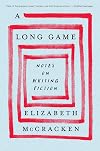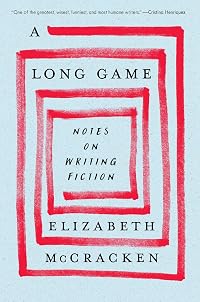
A Long Game: Notes on Writing Fiction
by Elizabeth McCracken
On This Page
Description
"From bestselling and award-winning author and professor Elizabeth McCracken comes an irresistible look at the art of writing. Writing can feel like an endless series of decisions. How does one face the blank page? Move a character around a room? Deal with time? Undertake revision? The good and bad news is that in fiction writing, there are no definitive answers to such questions: writers must come up with their own. Elizabeth McCracken, author of bestselling novels, National Book Award show more long-listed story collections, and a highly praised memoir, has been teaching for more than thirty-five years, guiding her many students through their own answers. In A Long Game, she shares insights gleaned along the way, offering practical tips and incisive thoughts about her own work as an artist. "Writing is a long game," she notes. "What matters is that you learn to get work done in the way that is possible for you, through consistency or panic. Through self-recrimination or self-forgiveness: every life needs both." As much a book about the life of a working artist as it is a guide to thinking about fiction, A Long Game is a revelatory and indispensable resource for any writer"-- Provided by publisher. show lessTags
Recommendations

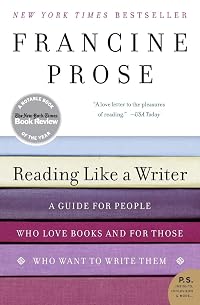
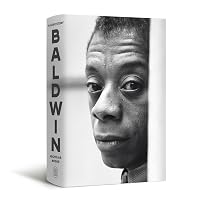
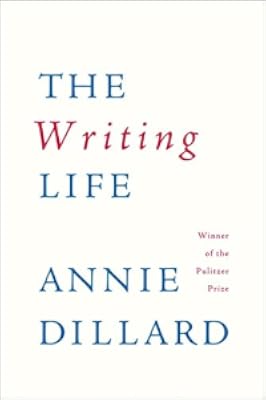
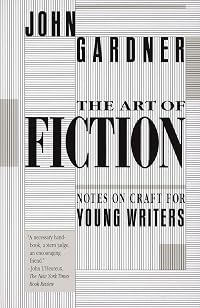





Member Reviews
Author and writing teacher McCracken acknowledges and rejects many commonly dispensed "rules" of writing: write every day, kill your darlings, don't use adverbs. She muses on plot, character, and setting, and how they're all connected; she differentiates between plot and event. Short numbered entries range in length from a single sentence to paragraphs to a page or two.
Quotes
What we love is inspiring, but what we hate is instructive. (6)
Ambition in fiction is merely the willingness to make mistakes. (13)
Writing is a form of thought. (14)
That might be my number one piece of advice for young writers: find the hardest-working writers you know; take one another seriously. (17)
Objects always conjure the past. (22)
No process is wrong that show more leads to the first draft of a book. (41)
Fiction gives us the ability to know strangers, multiple and singular, from the inside and the outside, to feel the vibrating border between out and in. (44)
Lower the bathysphere into the ocean so you can describe the ocean, not solely the inside of the bathysphere and the pilot. (51)
Fiction is made of words. It's good to tell you [sic] readers things. That act of telling can free a reader's attention up so they can interpret instead of decoding. (59)
Probably I became a writer to fathom other people, fathom in the sense of dropping a weight inside to see how deep they go. (102)
What happens when inner life meets outer life? That's the most interesting question in fiction. (118)
...you might write fiction that answers the question, How did this character get this way? ...Much better to ask: Given that a character is this way, what do they do? (124)
All good language is economical; that is, it doesn't spend more than it needs to achieve the desired effect. (141)
All fiction is a body of water: language is the surface....It teaches you how to read it and you fall in, and the language is something you swim though that shows you the world of the book. (145)
Every good short story has a bomb ticking in its heart. A writer's first instinct will be to defuse it, to save the characters. It's not your job to defuse it. It's your job to let the bomb go off. That often doesn't happen till the next draft. (152-153)
The way you teach yourself to write a novel is by writing a novel. No other art form is like this. (154)
If you do love teaching, you must be careful not to give up the long-term gratification of writing for the short-term gratitude of colleagues and students. (172) show less
Quotes
What we love is inspiring, but what we hate is instructive. (6)
Ambition in fiction is merely the willingness to make mistakes. (13)
Writing is a form of thought. (14)
That might be my number one piece of advice for young writers: find the hardest-working writers you know; take one another seriously. (17)
Objects always conjure the past. (22)
No process is wrong that show more leads to the first draft of a book. (41)
Fiction gives us the ability to know strangers, multiple and singular, from the inside and the outside, to feel the vibrating border between out and in. (44)
Lower the bathysphere into the ocean so you can describe the ocean, not solely the inside of the bathysphere and the pilot. (51)
Fiction is made of words. It's good to tell you [sic] readers things. That act of telling can free a reader's attention up so they can interpret instead of decoding. (59)
Probably I became a writer to fathom other people, fathom in the sense of dropping a weight inside to see how deep they go. (102)
What happens when inner life meets outer life? That's the most interesting question in fiction. (118)
...you might write fiction that answers the question, How did this character get this way? ...Much better to ask: Given that a character is this way, what do they do? (124)
All good language is economical; that is, it doesn't spend more than it needs to achieve the desired effect. (141)
All fiction is a body of water: language is the surface....It teaches you how to read it and you fall in, and the language is something you swim though that shows you the world of the book. (145)
Every good short story has a bomb ticking in its heart. A writer's first instinct will be to defuse it, to save the characters. It's not your job to defuse it. It's your job to let the bomb go off. That often doesn't happen till the next draft. (152-153)
The way you teach yourself to write a novel is by writing a novel. No other art form is like this. (154)
If you do love teaching, you must be careful not to give up the long-term gratification of writing for the short-term gratitude of colleagues and students. (172) show less
Ratings
Members
- Recently Added By
Lists

Guardian Books of the Day 2026
14 works; 1 member
Author Information

15+ Works 4,516 Members
Awards and Honors
Distinctions
The Guardian Book of the Day (2026-01-08)
Classifications
- Genres
- Biography & Memoir, Fiction and Literature
- DDC/MDS
- 808.3 — Literature & rhetoric Literature, rhetoric & criticism Rhetoric and collections of literary texts from more than two literatures Rhetoric of fiction
- LCC
- PN3355 .M215 — Language and Literature Literature (General) Literature (General) Prose. Prose fiction Technique. Authorship
- BISAC
Statistics
- Members
- 88
- Popularity
- 364,588
- Reviews
- 1
- Rating
- (3.29)
- Languages
- English
- Media
- Paper, Audiobook, Ebook
- ISBNs
- 5
- ASINs
- 2