On This Page
Description
Two cousins spend an adventurous summer on a ranch on the Hungarian plains.Tags
Recommendations


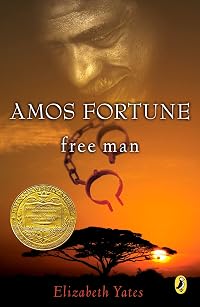
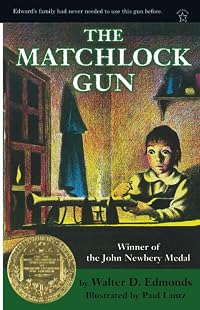
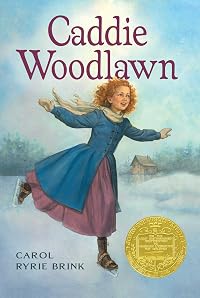
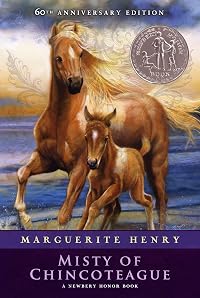

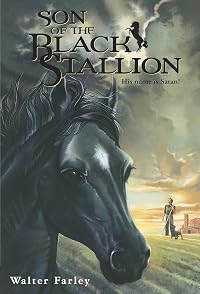
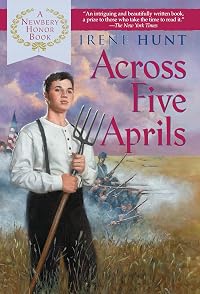
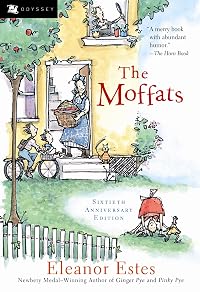

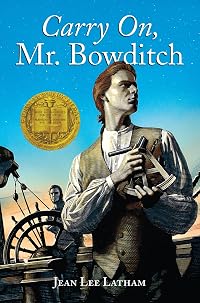



Member Recommendations
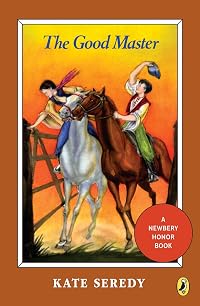
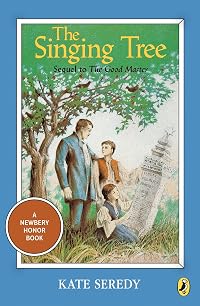
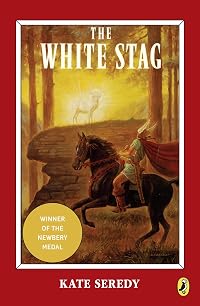
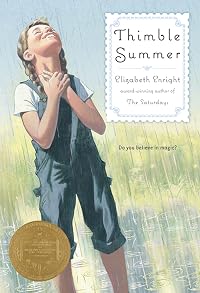
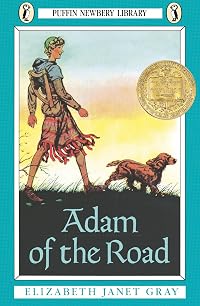
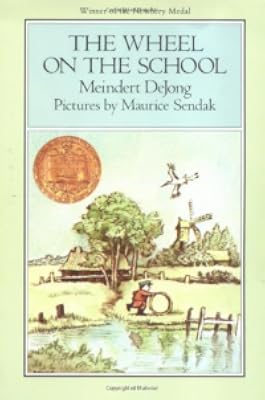
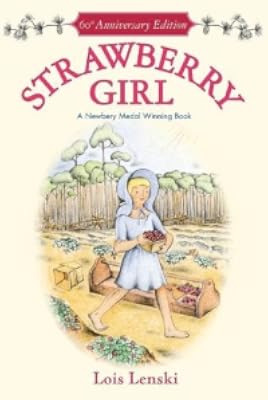
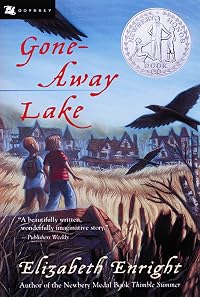
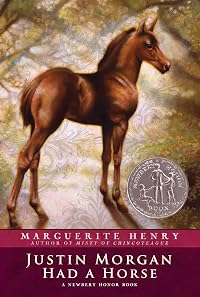
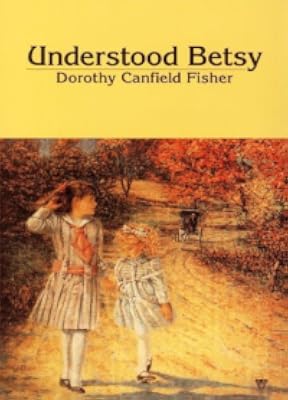
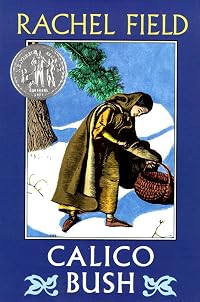
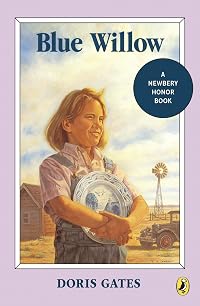
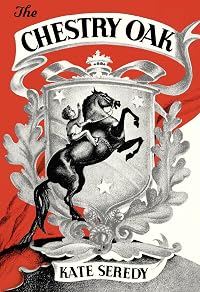
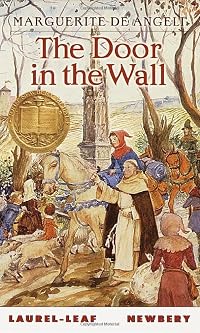
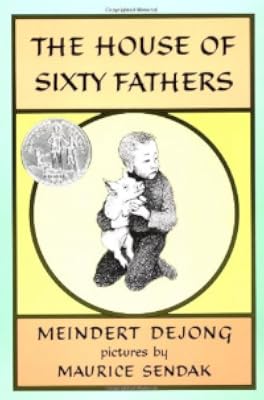
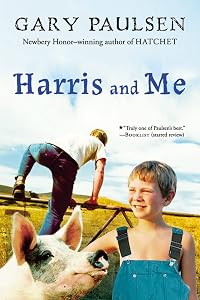
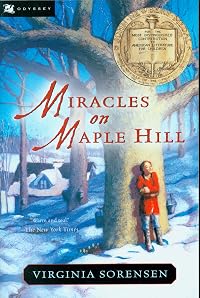
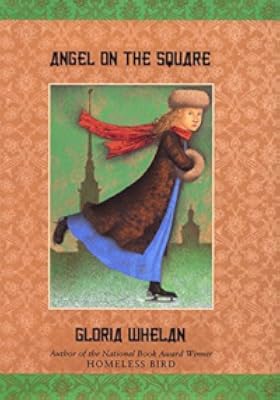
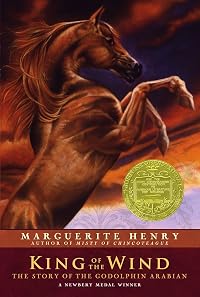
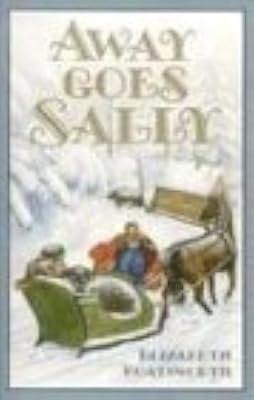
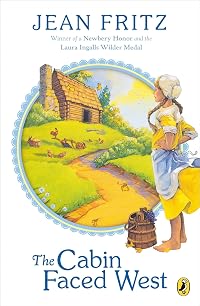
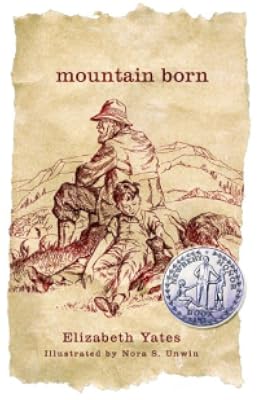
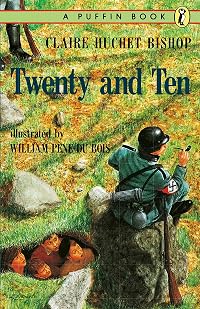
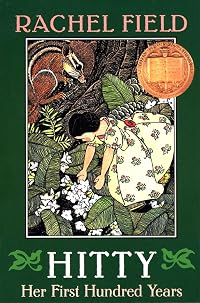
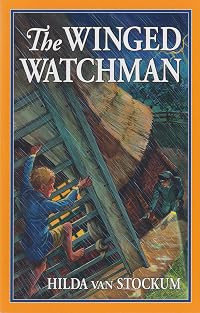
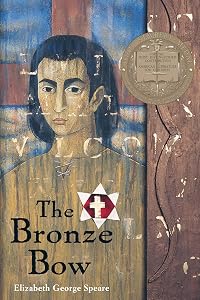
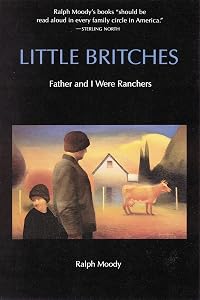
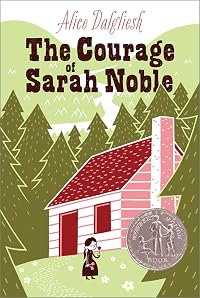
rbtanger The Good Master is a Newberry Honor book, ...And Now Miguel is a Newberry Winner. Both are excellent choices for the 8-11 age range; especially if you're doing an International Cultures unit. Both books contain similar themes although differently expressed and through very different cultures.
Member Reviews
This is a delightful, heartwarming story that is aimed at the 8-12 age demographic, but even teenagers and adults can enjoy the great storytelling. The characters are vivid and lifelike; Jancsi, Kate and Márton in particular I found to be very relatable. Coming at this book from an adult's point of view, I found that the characters have layers to them that are more than meets the eye. But Seredy keeps the complexity of the personalities as a sort of undercurrent to the story so that while young children may not pick up on it and can still enjoy the story at face value, an adult can appreciate the characters on a deeper level.
While there are a few moments of drama, for the most part, it is a tale of everyday life in the rural plains of show more Hungary in the early 1900's, prior to WWI. The country life is presented in an almost idealized manner, but is tempered slightly by a few instances of challenges and minor hardship. There are moments of warm family times, life lessons that the children learn and scenes described that are outright humorous.
One particularly poignant scene that I loved was when the priest was commending Jancsi for his bravery during an incident. The exchange was as follows:
Jancsi: "...I was not brave. I was just about scared to death."
The Priest: "That's just why I call you brave. The best of us are 'scared to death' when we are in danger. But only the courageous stay and fight."
Kate Seredy does a great job of keeping the narrative flowing, with each chapter segmented almost like a snapshot of an event in the story. It would seem that she also has a partiality for folktales and fables as there are several instances of older characters recounting such stories to Jancsi and Kate, which while it was a bit different I didn't find it a negative. Seredy also illustrated the edition I have (I believe all authorized volumes include her illustrations) and I found the art to be a wonderful addition to the story.
The book, which is loosely based on Seredy's childhood, was published in 1935 and received a Newbery Honor medal the following year. I recommend this for the original target age of 8-12 and I also think that it can be enjoyed by all ages. There is nothing in terms of content that I found to be objectionable. Although I think it worth mentioning that there is a very stereotypical representation of a gypsy clan in the story that some might not appreciate. Also worth mentioning is that the legend of Santa Claus is thoroughly invalidated in the latter half of the book, so if you, as a parent, wish to preserve your child's belief in the jolly ol' fellow then you may wish to skip this book. Otherwise it is a very fun and engaging tale that I think families will love.
Interesting Note: While born and raised in Hungary, Seredy didn't begin publishing her writing until she immigrated to the United States. All of her books were written in English and even though The Good Master and its sequel are very much about Hungarian culture, neither were ever translated into Hungarian, according to Wikipedia. show less
While there are a few moments of drama, for the most part, it is a tale of everyday life in the rural plains of show more Hungary in the early 1900's, prior to WWI. The country life is presented in an almost idealized manner, but is tempered slightly by a few instances of challenges and minor hardship. There are moments of warm family times, life lessons that the children learn and scenes described that are outright humorous.
One particularly poignant scene that I loved was when the priest was commending Jancsi for his bravery during an incident. The exchange was as follows:
Jancsi: "...I was not brave. I was just about scared to death."
The Priest: "That's just why I call you brave. The best of us are 'scared to death' when we are in danger. But only the courageous stay and fight."
Kate Seredy does a great job of keeping the narrative flowing, with each chapter segmented almost like a snapshot of an event in the story. It would seem that she also has a partiality for folktales and fables as there are several instances of older characters recounting such stories to Jancsi and Kate, which while it was a bit different I didn't find it a negative. Seredy also illustrated the edition I have (I believe all authorized volumes include her illustrations) and I found the art to be a wonderful addition to the story.
The book, which is loosely based on Seredy's childhood, was published in 1935 and received a Newbery Honor medal the following year. I recommend this for the original target age of 8-12 and I also think that it can be enjoyed by all ages. There is nothing in terms of content that I found to be objectionable. Although I think it worth mentioning that there is a very stereotypical representation of a gypsy clan in the story that some might not appreciate. Also worth mentioning is that the legend of Santa Claus is thoroughly invalidated in the latter half of the book, so if you, as a parent, wish to preserve your child's belief in the jolly ol' fellow then you may wish to skip this book. Otherwise it is a very fun and engaging tale that I think families will love.
Interesting Note: While born and raised in Hungary, Seredy didn't begin publishing her writing until she immigrated to the United States. All of her books were written in English and even though The Good Master and its sequel are very much about Hungarian culture, neither were ever translated into Hungarian, according to Wikipedia. show less
Sometimes a reader comes across a book that makes a deeper mark than the usual just by blessed luck. I found my beautiful old copy of The Good Master in a bookshop that I don't frequent. I picked it up for it's gorgeous dust jacket...and set it back. I actually left the store, and hours later, at a coffee shop a short walk away decided I *had* to go back for that book. I'm so glad I did...not only is it a visual treat with the above mentioned dust jacket and endearing illustrations throughout but it's revealed itself to be a charming story of a time and place that isn't anymore, rural Hungary before WWI altered things so. The characters are all carefully crafted and such good, positive people. There is a bit of gypsy prejudice...which I show more took as it was portrayed, gently. I read this alone, sharing bits with my son but I will encourage both kids to read this one and laugh and bask in the warmth it leaves the reader with. show less
It was a perfectly serviceable story about impish city girl Kate going to live with her country relatives but it lacked real people. Kate is a a little demon to start and there is no reason why she becomes a good girl expect that you've turned enough pages and the story has moved on. There really isn't any reason why and so she and her cousin Jansci are very 2 dimensional characters. Seredy has more fun with the people who tell stories and fables and myths. It had too much of a "A Boy and Girl of Hungary" social studies book than a fun read.
• 216 pages, small pages but lots of words per page
• Historical Fiction
• Newberry Honor Book
Set in Hungary in the early 1900’s, a story of a Hungarian farming family with one son, Jansci, who takes in a cousin, Kate, who starts off as a rebellious handful but soon grows to love farming life and learns the value of family and hard work
Well-written (written in 1935) book appropriate for strong 4th graders. Drags a little.
When Easter is celebrated, there is no mention of God but much made of the harvest.
• Historical Fiction
• Newberry Honor Book
Set in Hungary in the early 1900’s, a story of a Hungarian farming family with one son, Jansci, who takes in a cousin, Kate, who starts off as a rebellious handful but soon grows to love farming life and learns the value of family and hard work
Well-written (written in 1935) book appropriate for strong 4th graders. Drags a little.
When Easter is celebrated, there is no mention of God but much made of the harvest.
I found this book and its companion, "The Singing Tree", in sixth grade. I remember it distinctly. It was in a laundry basket used to hold books in the "special ed" classroom where I'd been placed for "reading help" -- a misdiagnosis, as it turned out, because they later moved me into an advanced reader class, but I don't quite know why. In any case, I had no problem finishing up my assigned work, so I could dive happily into that basket for fun reading.
Going back in time to Hungary in the early 20th century -- just before WWI, if I'm not mistaken -- still holds magic for me. Here was a world that existed once, but that I never knew except in those pages. Horses form a central theme in the books, as they did for the people of rural show more Hungary then, and their traditions as depicted here are beautiful and almost familiar. How the characters live isn't always pretty, but it does feel authentic.
Even as an adult, I want to journey back to this land and time, which I can do just by opening the cover. show less
Going back in time to Hungary in the early 20th century -- just before WWI, if I'm not mistaken -- still holds magic for me. Here was a world that existed once, but that I never knew except in those pages. Horses form a central theme in the books, as they did for the people of rural show more Hungary then, and their traditions as depicted here are beautiful and almost familiar. How the characters live isn't always pretty, but it does feel authentic.
Even as an adult, I want to journey back to this land and time, which I can do just by opening the cover. show less
Interesting. I liked learning some of the Hungarian customs and history.
But the title is an understatement. It's more like The Benevolent Lord." Kate's uncle is rich and arrogant. He does work, and he does manage his assets well, but he also has luck. He's compassionate, but only at his convenience. He calls his shepherds 'boys' and scatters coins in the dirt for the gypsy children, "'Scramble now,' he laughed.... '... dirty, thieving, irresponsible good-for-nothings...'"
But Seredy's opinion of the gypsies seems even worse, as evidenced by such words as 'savage' and pictures of them, very dark, ragged, and half-naked.
Otoh, the drawings are lovely, and, given the time and place, the attitudes are mostly ok, as nobody means harm, so I show more was able to enjoy the story. I do look forward to reading the sequel - perhaps as Jancsi grows to manhood and war comes to Europe we'll see valuable character development." show less
But the title is an understatement. It's more like The Benevolent Lord." Kate's uncle is rich and arrogant. He does work, and he does manage his assets well, but he also has luck. He's compassionate, but only at his convenience. He calls his shepherds 'boys' and scatters coins in the dirt for the gypsy children, "'Scramble now,' he laughed.... '... dirty, thieving, irresponsible good-for-nothings...'"
But Seredy's opinion of the gypsies seems even worse, as evidenced by such words as 'savage' and pictures of them, very dark, ragged, and half-naked.
Otoh, the drawings are lovely, and, given the time and place, the attitudes are mostly ok, as nobody means harm, so I show more was able to enjoy the story. I do look forward to reading the sequel - perhaps as Jancsi grows to manhood and war comes to Europe we'll see valuable character development." show less
I remember loving this story as a child. However I found a scene with some frankly racist commentary on the "thieving, dirty gypsies" jarring in such a good-hearted tale. I'd like to go back in time and edit...
Members
- Recently Added By
Lists

Favorite Childhood Books
1,651 works; 515 members

Best Newbery Honor Books
258 works; 33 members

Elevenses
316 works; 88 members

Sonlight Books
1,487 works; 25 members
Honey For a Child's Heart
1,152 works; 25 members

A Child's Book Tour of Hungary
29 works; 2 members

Necessary & Exquisite
30 works; 4 members

Authors from Hungary
3 works; 1 member
Ambleside Books
459 works; 18 members

CCE 1000 Good Books List
1,033 works; 12 members

Newbery Honor Books By Year - I - 1922-1980
199 works; 3 members

Romalda Spalding's Writing Road To Reading
213 works; 3 members

50+ Books for a 6th Grader Who Loves to Read
53 works; 4 members

1970s
657 works; 23 members

Recommended Reading List
219 works; 1 member

EGBERTINA'S List of childhood books worthy of merit or unspeakable delight
155 works; 7 members

Book Worlds We'd Like To Visit
322 works; 158 members

Books We Loved As Children
610 works; 254 members

HMS: Make Your Child a Lover of Books, Ages 7-9
52 works; 2 members
Author Information

15+ Works 7,648 Members
Awards and Honors
Awards
Series

Work Relationships
Is contained in
Is abridged in
Has as a reference guide/companion
Common Knowledge
- Canonical title
- The Good Master
- Original publication date
- 1935-11-24
- People/Characters
- Kate; Jancsi
- Important places
- Hungary
- Dedication
- To the wise, kind, tolerant good master, Dr. William Manninger this book is dedicated, to say: Thank you
- First words
- Jancsi was up bright and early that morning and at work milking the cows. He was so excited he couldn't stay in bed. For today Cousin Kate was coming. She was the only cousin he had, and she was a city girl. A real city g... (show all)irl from Budapest.
Classifications
Statistics
- Members
- 2,451
- Popularity
- 7,978
- Reviews
- 24
- Rating
- (4.11)
- Languages
- English
- Media
- Paper
- ISBNs
- 15
- UPCs
- 1
- ASINs
- 33